
- Physical Examination
- Surgical Examination
- Ophthalmology
- Clinical Skills
- Orthopedics
- Surgery Videos
- Laparoscopy
- Pediatrics
- Funny Videos
- Cardiothoracic Surgery
- Nursing Videos
- Plastic Surgery
- Otorhinolaryngology
- Histology and Histopathology
- Neurosurgery
- Dermatology
- Pediatric Surgery
- Urology
- Dentistry
- Oncology and Cancers
- Anatomy Videos
- Health and Fitness
- Radiology
- Anaesthesia
- Physical Therapy
- Pharmacology
- Interventional Radiology
- Cardiology
- Endocrinology
- Gynecology
- Emergency Medicine
- Psychiatry and Psychology
- Childbirth Videos
- General Medical Videos
- Nephrology
- Physiology
- Diet and Food Health
- Diabetes Mellitus
- Neurology
- Women Health
- Osteoporosis
- Gastroenterology
- Pulmonology
- Hematology
- Rheumatology
- Toxicology
- Nuclear Medicine
- Infectious Diseases
- Vascular Disease
- Reproductive Health
- Burns and Wound Healing
- Other
Top videos


The testicles are located inside a loose bag of skin (scrotum) underneath the penis. Symptoms include a lump in either testicle and a feeling of heaviness in the scrotum. Treatments include surgery, radiation, and chemotherapy.
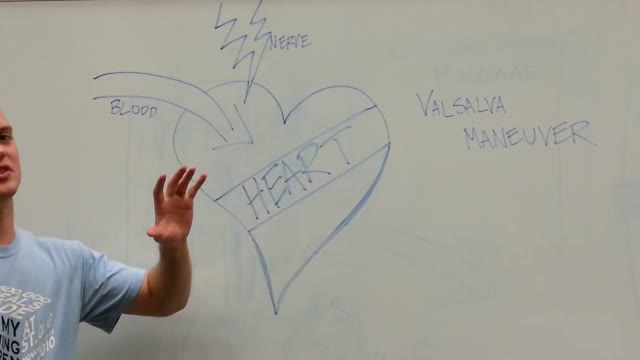
The maneuver is commonly used during some activities: Straining to have a bowel movement Blowing a stuffy nose Certain medical tests or exams As a pressure equalization technique by scuba divers, sky divers and airplane passengers The effect of the Valsalva Maneuver is a drastic increase in the pressure within the thoracic cavity.
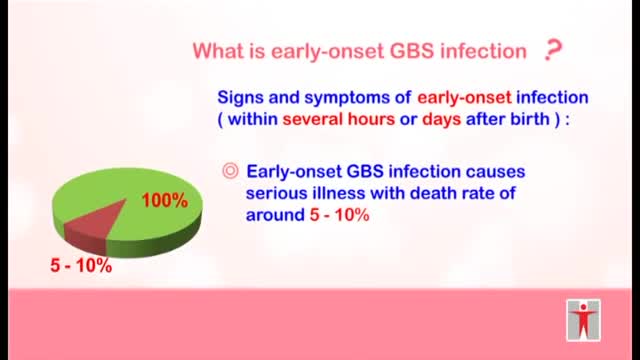
-Intrapartum antibiotic prophylaxis for mothers colonized with group B Streptococcus can prevent early-onset neonatal disease. Adequate prophylaxis consists of ampicillin, penicillin, or cefazolin for ;::4 hours before delivery. Regardless of intrapartum treatment, all high-risk infants must be observed for ;::49 hours. A complete blood count with differential and blood culture are indicated if the infant is preterm <37 weeks or was exposed to prolonged rupture of membranes.>18 hrs.
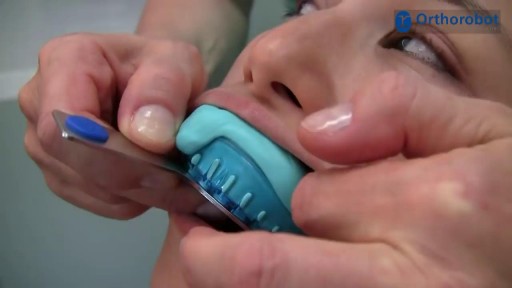
A short introduction on how to take a correction impression. The shown materials are recommended by Orthorobot and have proven to be fully compatible with the Orthorobot lab procedure.
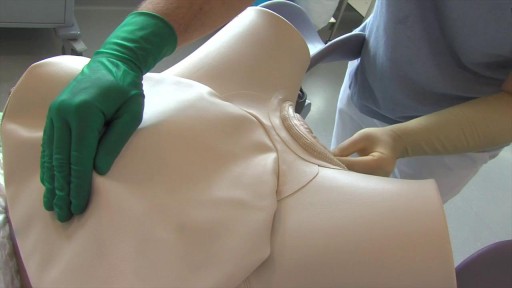
Podalic version is an obstetric procedure wherein the fetus is turned within the womb such that one or both feet present through the cervix during childbirth. It is used most often in cases where the fetus lies transversely or in another abnormal position in the womb.
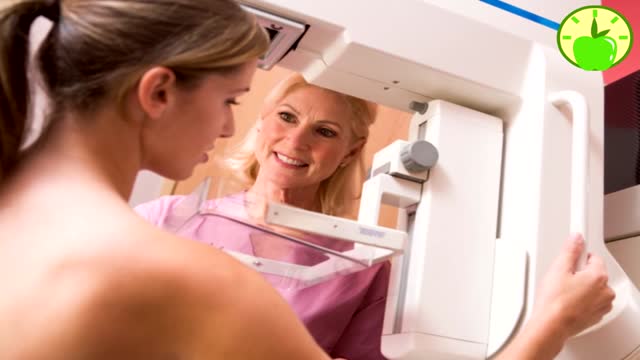
ATTENTION! 5 Warning Signs Of BREAST CANCER That Many Women Ignore!
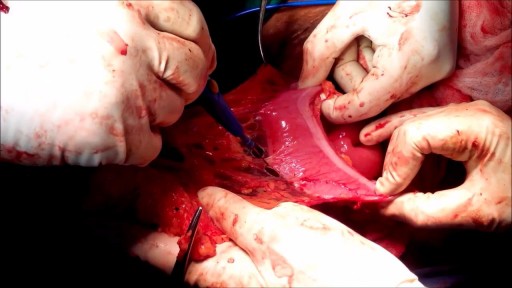
An omentectomy is a surgical procedure designed to remove the omentum, which is a thin fold of abdominal tissue that encases the stomach, large intestine and other abdominal organs. This fatty lining contains lymph nodes, lymph vessels, nerves and blood vessels.
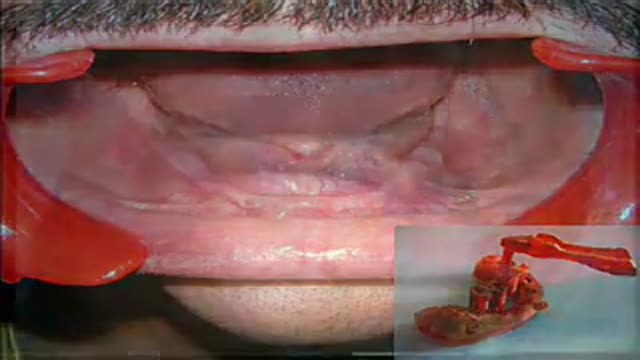
Computer guided dental implant surgery

University Hospitals Neurological Institute will host a live webcast to demonstrate the removal of a brain tumor that doctors believe is causing epileptic seizures in a middle-aged man.
An MRI showed what appears to be a glioma (tumor) near a part of the brain that controls muscle movement, called the motor strip. Studies have shown that complete removal can cure the seizures and improve quality of life and survival, but this is difficult to do with conventional technology without harming the surrounding normal brain because it's difficult to determine where tumor ends and normal brain begins.
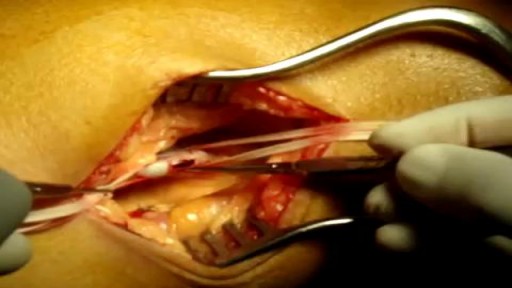
popliteal embolectomy; medial approach using a 4 f fogarty catheter

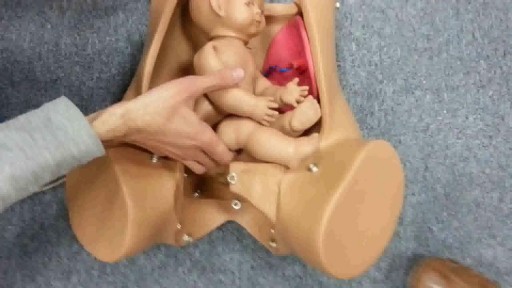
External cephalic version is a process by which a breech baby can sometimes be turned from buttocks or foot first to head first. External cephalic version (ECV) is a manual procedure that is advocated by national guidelines for breech presentation singleton pregnancy, in order to enable vaginal delivery.

Amazing Surgery: Bilateral Nephrectomy for polycystic kidneys and cholecystectomy.
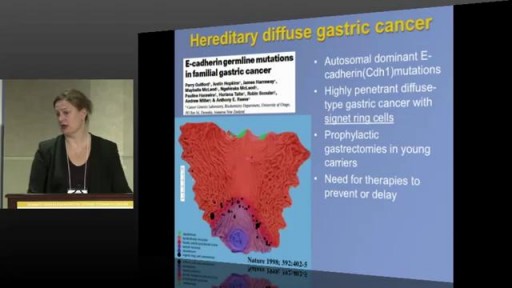
Stomach cancer usually begins in the mucus-producing cells that line the stomach. This type of cancer is called adenocarcinoma. For the past several decades, rates of cancer in the main part of the stomach (stomach body) have been falling worldwide. During the same period, cancer in the area where the top part of the stomach (cardia) meets the lower end of the swallowing tube (esophagus) has become much more common. This area of the stomach is called the gastroesophageal junction.
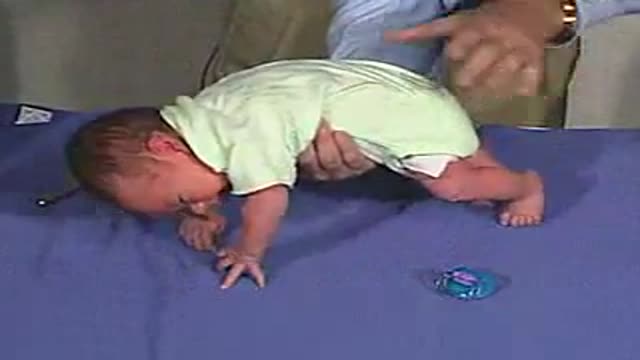
Galant Reflex
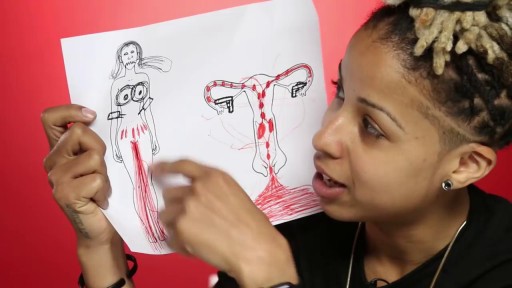
During your menstrual period, your uterus contracts to help expel its lining. Hormonelike substances (prostaglandins) involved in pain and inflammation trigger the uterine muscle contractions. Higher levels of prostaglandins are associated with more-severe menstrual cramps.
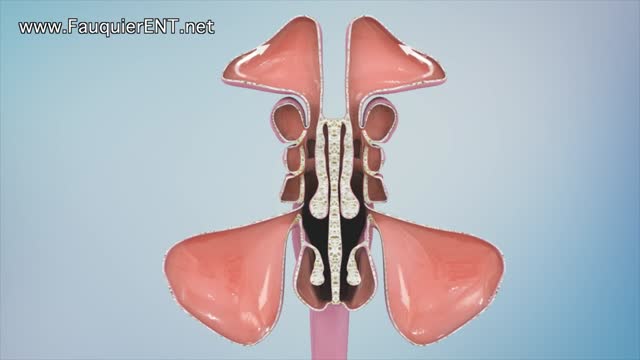
Sinusitis and Sinus Surgery Explained (Balloon Sinuplasty and Endoscopic Sinus Surgery)
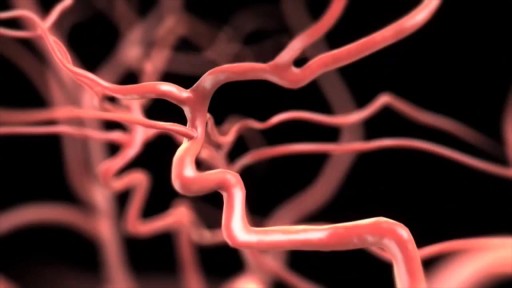
Narrated animation of stroke intervention. Video supplied by Covidien, showing the Solitaire mechanical thrombectomy device, which was the first FDA-approved device for such an indication.

Cardiology Physical Examination Lecture
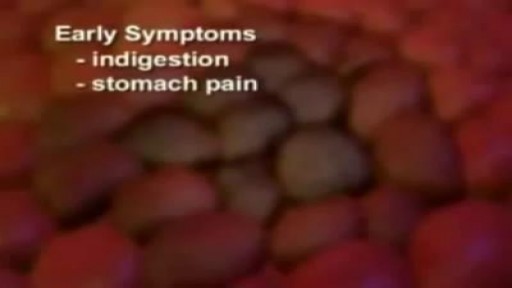
here may be no symptoms of stomach cancer early on. Later, symptoms include feeling bloated after eating, feeling full after eating small amounts of food, nausea, heartburn, or indigestion.
