
- Physical Examination
- Surgical Examination
- Ophthalmology
- Clinical Skills
- Orthopedics
- Surgery Videos
- Laparoscopy
- Pediatrics
- Funny Videos
- Cardiothoracic Surgery
- Nursing Videos
- Plastic Surgery
- Otorhinolaryngology
- Histology and Histopathology
- Neurosurgery
- Dermatology
- Pediatric Surgery
- Urology
- Dentistry
- Oncology and Cancers
- Anatomy Videos
- Health and Fitness
- Radiology
- Anaesthesia
- Physical Therapy
- Pharmacology
- Interventional Radiology
- Cardiology
- Endocrinology
- Gynecology
- Emergency Medicine
- Psychiatry and Psychology
- Childbirth Videos
- General Medical Videos
- Nephrology
- Physiology
- Diet and Food Health
- Diabetes Mellitus
- Neurology
- Women Health
- Osteoporosis
- Gastroenterology
- Pulmonology
- Hematology
- Rheumatology
- Toxicology
- Nuclear Medicine
- Infectious Diseases
- Vascular Disease
- Reproductive Health
- Burns and Wound Healing
- Kidney Zone Podcast
- Other












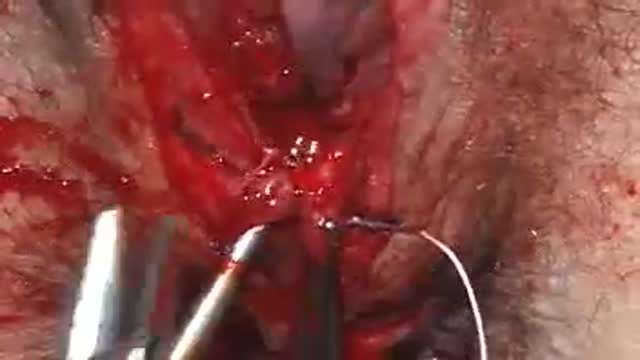



Amniotomy: Artificial Rupture of Membranes During Labor, Explained

Educational only: videos on MedicalVideos.com are for general information and are not medical advice. Always consult your own doctor about your health.
An educational video of amniotomy — artificially breaking the waters during labor — and why it is done. Educational only — not medical advice.
This video in 30 seconds
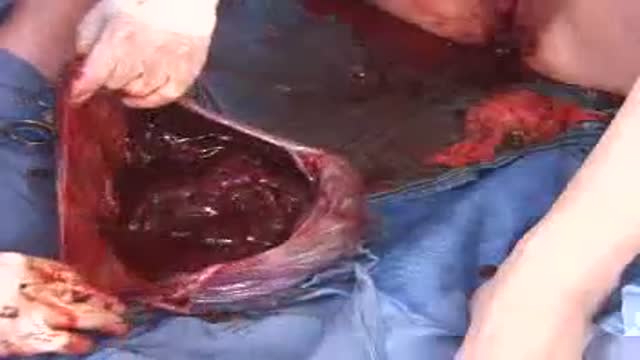
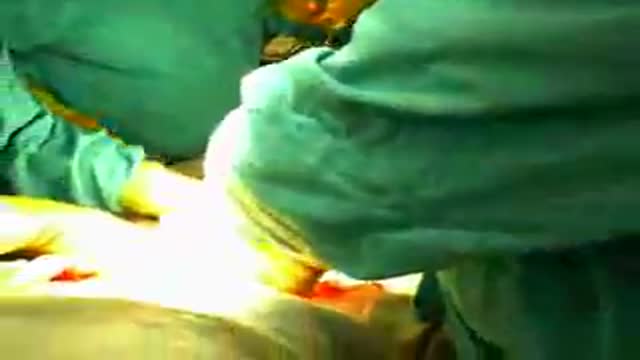
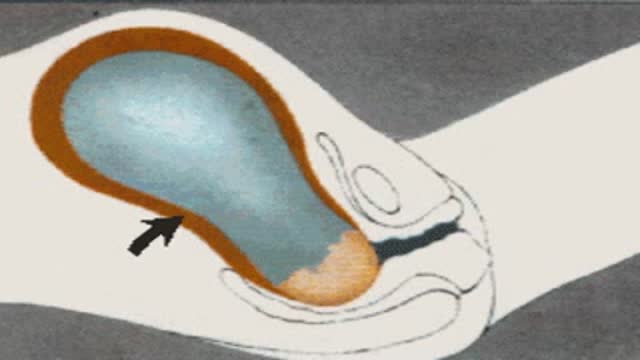
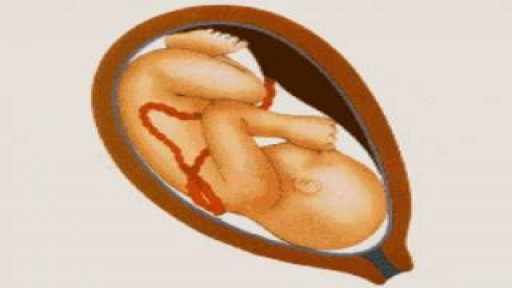
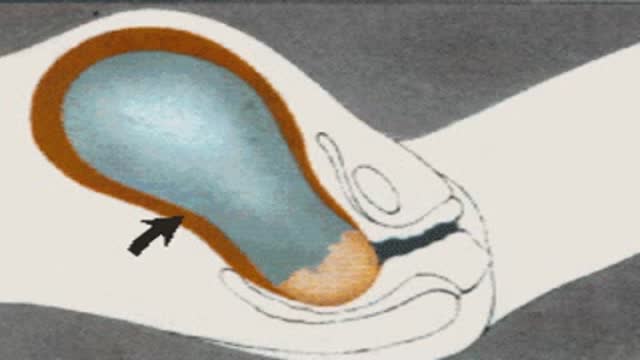
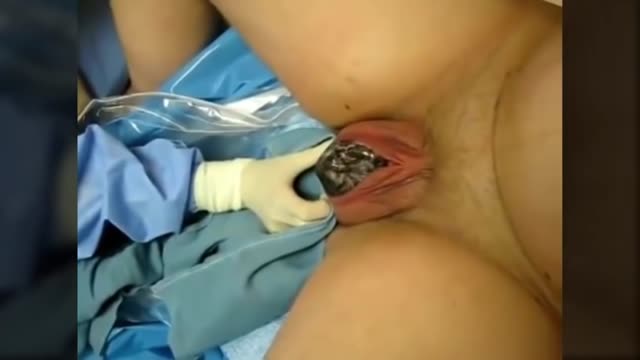
This short instructional clip explains amniotomy, the artificial rupture of membranes during labour. The narration describes the amnihook as designed to snag the bag of waters without injuring the baby, shows it guided to the membranes by the examiner's fingers, and notes recording the colour and consistency of the fluid when it flows.
Key points
- The purpose and design of the amnihook are explained
- The instrument is guided to the membranes by the examiner's fingers
- Membrane rupture and the flow of amniotic fluid are shown
- Noting the colour and consistency of the fluid is emphasised
Video Transcript
A short instructional clip on amniotomy — artificially rupturing the membranes during labour. The narration explains that the amnihook is designed to snag the bag of waters without injuring the baby, shows it guided to the membranes by the examiner's fingers, and notes the points to record when the fluid flows: its colour and consistency — clear in this case.
Read the full transcript
Amniatomy. An amnihook is designed to rupture the bag of waters without injuring the fetus. Guided by your finger, the membrane is snagged and opened. With your fingers in the vagina, guide the amnihook to the membranes. When the membranes rupture, amniotic fluid will flow out of the vagina. Note the color and consistency of the amniotic fluid. This amniotic fluid is clear.
Transcript auto-generated from the video’s audio for accessibility and study. Educational content only — not medical advice.
Medical Videos
Free medical and surgery videos for patients, students and professionals — trusted since 2007.
Founded by Dr. Mohamed Ibrahim, MD, PhD — physician-scientist.
Follow us on Facebook · Instagram
SORT BY-
Top Comments
-
Latest comments