
- Physical Examination
- Surgical Examination
- Ophthalmology
- Clinical Skills
- Orthopedics
- Surgery Videos
- Laparoscopy
- Pediatrics
- Funny Videos
- Cardiothoracic Surgery
- Nursing Videos
- Plastic Surgery
- Otorhinolaryngology
- Histology and Histopathology
- Neurosurgery
- Dermatology
- Pediatric Surgery
- Urology
- Dentistry
- Oncology and Cancers
- Anatomy Videos
- Health and Fitness
- Radiology
- Anaesthesia
- Physical Therapy
- Pharmacology
- Interventional Radiology
- Cardiology
- Endocrinology
- Gynecology
- Emergency Medicine
- Psychiatry and Psychology
- Childbirth Videos
- General Medical Videos
- Nephrology
- Physiology
- Diet and Food Health
- Diabetes Mellitus
- Neurology
- Women Health
- Osteoporosis
- Gastroenterology
- Pulmonology
- Hematology
- Rheumatology
- Toxicology
- Nuclear Medicine
- Infectious Diseases
- Vascular Disease
- Reproductive Health
- Burns and Wound Healing
- Kidney Zone Podcast
- Other










Anal Sex Risks

Educational only: videos on MedicalVideos.com are for general information and are not medical advice. Always consult your own doctor about your health.
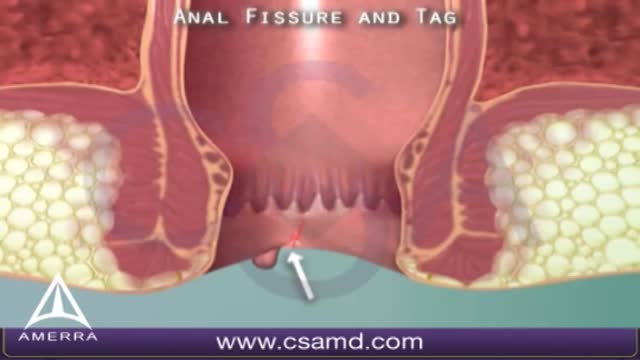
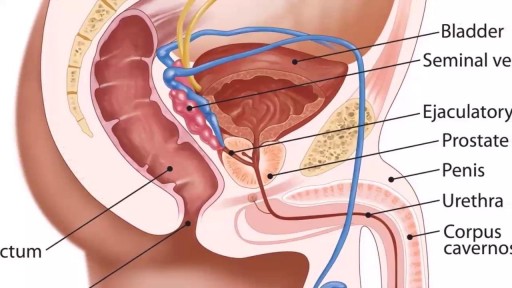
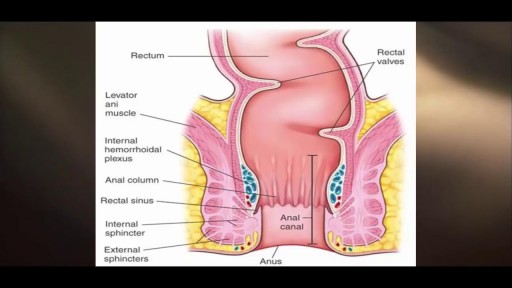
An estimated 90% of men who have sex with men and as many as 5% to 10% of sexually active women engage in receptive anal intercourse. Often referred to simply as anal sex, anal intercourse is sexual activity that involves inserting the penis into the anus. People may engage in anal intercourse, which has health risks, because the anus is full of nerve endings, making it very sensitive. For some recipients of anal sex, the anus can be an erogenous zone that responds to sexual stimulation. For the giving partner, the anus may provide a pleasing tightness around the penis. While some people find anal sex enjoyable, the practice has downsides and requires special safety precautions. Is Anal Sex Safe? There are a number of health risks with anal sex, and anal intercourse is the riskiest form of sexual activity for several reasons, including the following: The anus lacks the natural lubrication the vagina has. Penetration can tear the tissue inside the anus, allowing bacteria and viruses to enter the bloodstream. This can result in the spread of sexually transmitted infections including HIV. Studies have suggested that anal exposure to HIV poses 30 times more risk for the receptive partner than vaginal exposure. Exposure to the human papillomavirus (HPV) may also lead to the development of anal warts and anal cancer. Using lubricants can help some, but doesn't completely prevent tearing. The tissue inside the anus is not as well protected as the skin outside the anus. Our external tissue has layers of dead cells that serve as a protective barrier against infection. The tissue inside the anus does not have this natural protection, which leaves it vulnerable to tearing and the spread of infection. The anus was designed to hold in feces. The anus is surrounded with a ring-like muscle, called the anal sphincter, which tightens after we defecate. When the muscle is tight, anal penetration can be painful and difficult. Repetitive anal sex may lead to weakening of the anal sphincter, making it difficult to hold in feces until you can get to the toilet. However, Kegel exercises to strengthen the sphincter may help prevent this problem or correct it. The anus is full of bacteria. Even if both partners do not have a sexually-transmitted infection or disease, bacteria normally in the anus can potentially infect the giving partner. Practicing vaginal sex after anal sex can also lead to vaginal and urinary tract infection
This video in 30 seconds
This video presents the health risks of anal sex, describing anal intercourse as sexual activity involving inserting the penis into the anus. It explains risks described in the source, including that the anus lacks the natural lubrication the vagina has, that penetration can tear tissue inside the anus allowing bacteria and viruses to enter the bloodstream, and that this can result in spread of sexually transmitted infections including HIV.
Key points
- Describes anal intercourse as defined in the source
- Explains lack of natural lubrication in the anus
- Covers tearing of tissue and entry of bacteria and viruses into the bloodstream
- Covers spread of sexually transmitted infections including HIV as described
Video Overview
This video presents “Anal Sex Risks” — An estimated 90% of men who have sex with men and as many as 5% to 10% of sexually active women engage in receptive anal intercourse. Often referred to simply as anal sex, anal intercourse is sexual activity that involves inserting the. Whether you are preparing for a procedure, studying the technique, or learning how a condition is assessed, the recording shows the process as it is performed in practice.
From our Health and Fitness collection: Exercise science, injury prevention, rehabilitation and healthy-living guidance from medical professionals. Browse all Health and Fitness videos →
Educational content only — not a substitute for professional medical advice.
SORT BY-
Top Comments
-
Latest comments