
- Physical Examination
- Surgical Examination
- Ophthalmology
- Clinical Skills
- Orthopedics
- Surgery Videos
- Laparoscopy
- Pediatrics
- Funny Videos
- Cardiothoracic Surgery
- Nursing Videos
- Plastic Surgery
- Otorhinolaryngology
- Histology and Histopathology
- Neurosurgery
- Dermatology
- Pediatric Surgery
- Urology
- Dentistry
- Oncology and Cancers
- Anatomy Videos
- Health and Fitness
- Radiology
- Anaesthesia
- Physical Therapy
- Pharmacology
- Interventional Radiology
- Cardiology
- Endocrinology
- Gynecology
- Emergency Medicine
- Psychiatry and Psychology
- Childbirth Videos
- General Medical Videos
- Nephrology
- Physiology
- Diet and Food Health
- Diabetes Mellitus
- Neurology
- Women Health
- Osteoporosis
- Gastroenterology
- Pulmonology
- Hematology
- Rheumatology
- Toxicology
- Nuclear Medicine
- Infectious Diseases
- Vascular Disease
- Reproductive Health
- Burns and Wound Healing
- Kidney Zone Podcast
- Other





Medical Videos - Medical Hazards and Risks of Anal Intercourse

Educational only: videos on MedicalVideos.com are for general information and are not medical advice. Always consult your own doctor about your health.
This educational video reviews the medical hazards and risks associated with anal intercourse, including tissue injury and infection risk, and how those risks are reduced, in clinical terms. Intended for adult health education. Educational only — not medical advice.
This video in 30 seconds
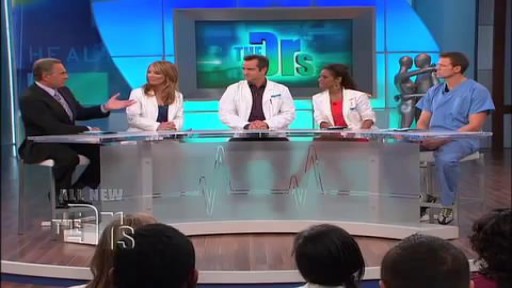
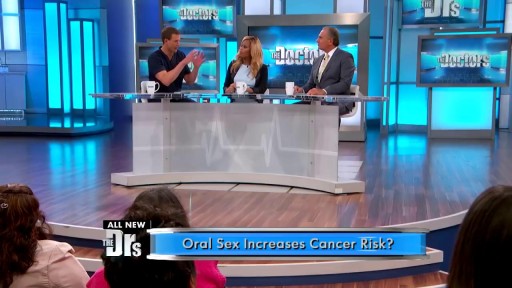
In a panel segment, clinicians answer a viewer question about risks of anal intercourse. The speakers state that sexually transmitted infections can be transmitted this way, discuss the thin rectal lining and tearing as factors, mention a link the speakers draw between HPV and anal cancer, and discuss lubricant and condom use in clinical, neutral terms.
Key points
- The panel answers a viewer question about infection risks
- Several sexually transmitted infections are named as transmissible this way
- The thin rectal lining and tearing are discussed as transmission factors
- A link between HPV and anal cancer is mentioned by the speakers
- Lubricant use, condom use and discussing activity with a doctor are mentioned
Chapters
- 0:00 — Viewer question on risks
- 0:18 — Infection transmission risk discussed
- 0:59 — HPV and anal cancer link
- 1:09 — Lubricants and medical disclosure discussed
Video Transcript
In this panel segment, clinicians answer a viewer's question about risks of anal intercourse. The speakers state that sexually transmitted infections can be transmitted this way, discuss the thin rectal lining and tearing as factors in transmission, mention a link the speakers draw between HPV and anal cancer, and discuss lubricant use and condom use.
Read the full transcript
Well, it's a private part show, and here's an email from Janice in Florida, California. She writes, I enjoy having anal sex, but I want to know if there are any risks involved. Is it possible to get an STD in that area? I want to have fun, but I want to be safe. I'm glad she asked this question. This is really important, because yes, you can definitely get an STD from anal sex. Pretty much all of them. HPV, herpes, HIV, chlamydia, gonorrhea, syphilis. Anything you can get vaginally.
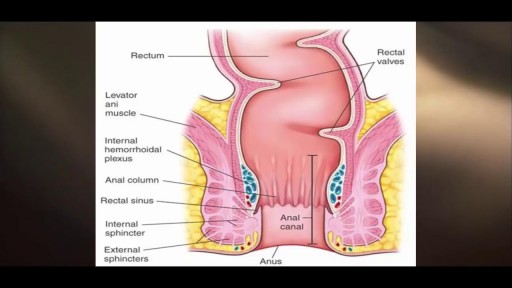
Actually, it's a higher risk of transition. Actually, it's easier. Yes, to get an STD. The reason that you can get transmission easier than vaginal penetration is because the lining in the rectum is much thinner and it can tear easily. There's a lot more blood flow around the rectum, so there's a higher transmission of any STDs that you can get vaginally. You can get rectally, and it's easier to transmit because tears can happen and the tissue. It's a direct entry into your bloodstream. We know the connection to HPV and cervical cancer.
We now know that it's linked to anal cancer as well. It's important in terms of what you mentioned about tears and hygiene. It's important to use lubricants because that area is very sensitive. It's also important to share that with your doctor just because of what doctor... You're doing that. Yes, because actually now for women they're actually considering that you have a rectal pap smear. So it's important to make sure your doctor knows that you are engaging in anal intercourse. But not to say only all the bad parts.
It's starting to interrupt. The rectal area, that there is a plexus of nerves between the vaginal and rectum, and rectal stimulation is pleasurable. We understand that to men and women. If you're going to do that, never go from back to front. Never. Because then you're just spreading germs all over the place. And obviously you can't get pregnant with anal sex, but you should use a latex condom to prevent yourself from the STDs in addition to the lubrication you mentioned. So thank you very much, Dr. Berman.
Transcript auto-generated from the video’s audio for accessibility and study. Educational content only — not medical advice.
Medical Videos
Free medical and surgery videos for patients, students and professionals — trusted since 2007.
Founded by Dr. Mohamed Ibrahim, MD, PhD — physician-scientist.
Follow us on Facebook · Instagram
SORT BY-
Top Comments
-
Latest comments