
- Procedures & Tests
- Symptoms A-Z
- Symptom Checker
- Kidney Diet
- First Aid
- Anatomy Atlas
- Ask MedicalVideos
- Drug Guide
- Lab Values
- Vital Signs
- Muscles A–Z
- Clinical Signs
- Medical Abbreviations
- Medical Terminology
- Physical Examination
- Surgical Examination
- Ophthalmology
- Clinical Skills
- Orthopedics
- Surgery Videos
- Laparoscopy
- Pediatrics
- Funny Videos
- Cardiothoracic Surgery
- Nursing Videos
- Plastic Surgery
- Otorhinolaryngology
- Histology and Histopathology
- Neurosurgery
- Dermatology
- Pediatric Surgery
- Urology
- Dentistry
- Oncology and Cancers
- Anatomy Videos
- Health and Fitness
- Radiology
- Anaesthesia
- Physical Therapy
- Pharmacology
- Interventional Radiology
- Cardiology
- Endocrinology
- Gynecology
- Emergency Medicine
- Psychiatry and Psychology
- Childbirth Videos
- General Medical Videos
- Nephrology
- Physiology
- Diet and Food Health
- Diabetes Mellitus
- Neurology
- Women Health
- Osteoporosis
- Gastroenterology
- Pulmonology
- Hematology
- Rheumatology
- Toxicology
- Nuclear Medicine
- Infectious Diseases
- Vascular Disease
- Reproductive Health
- Burns and Wound Healing
- Kidney Zone Podcast
- Other



Digestive System Animation

Educational only: videos on MedicalVideos.com are for general information and are not medical advice. Always consult your own doctor about your health.
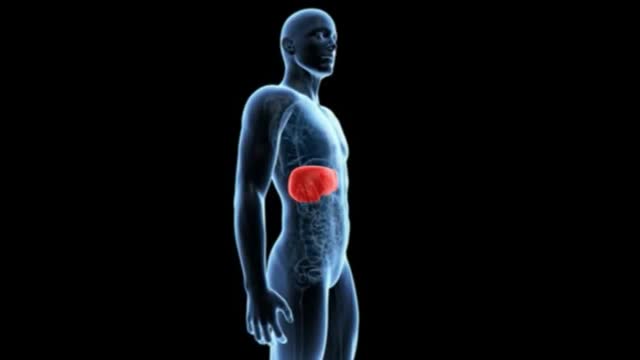
An animation traces food through the digestive system. The narration describes swallowing, peristalsis, churning into chyme in the stomach, and absorption through villi in the small intestine, ending with water absorption and faeces formation in the colon. It is a clear introductory overview of digestion for students.
Video Transcript
This animation follows food through the digestive system with narration. It describes chewing and swallowing, peristalsis in the oesophagus, churning into chyme in the stomach, and digestion and absorption in the small intestine, where villi pass nutrients into the blood. It ends with the colon absorbing water and forming faeces.
Read the full transcript
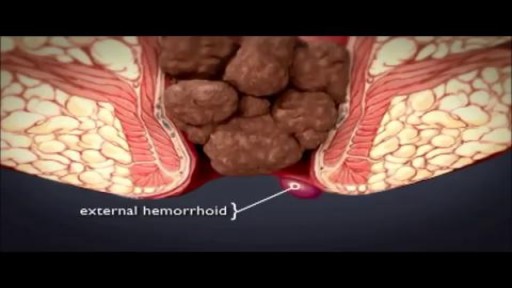
In digestion, food is changed by the organs into a soluble form to be absorbed by the body. Food in the mouth is mixed with saliva. Saliva begins to dissolve the food as the teeth grind and cut it. Food is forced back into the throat, pharynx, by the tongue. Food in the pharynx stimulates the swallowing reflex. The larynx is pulled upward to meet the epiglottis and seal off the trachea. Food goes from the pharynx to the esophagus. Food moves down the esophagus by peristalsis. The peristaltic wave reaches the esophageal sphincter and food enters the stomach.
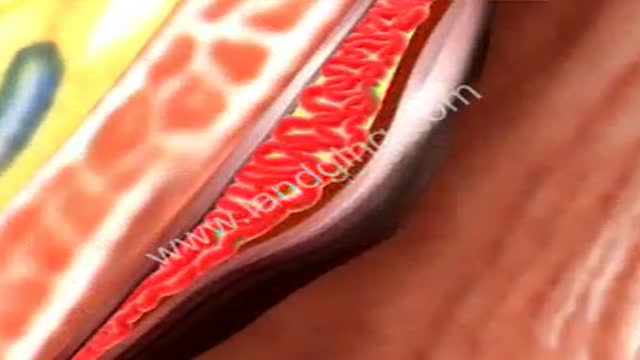
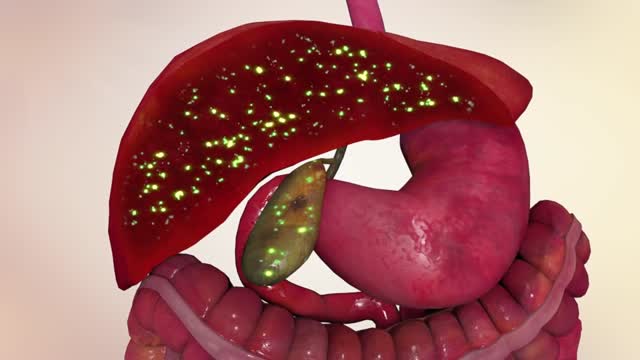
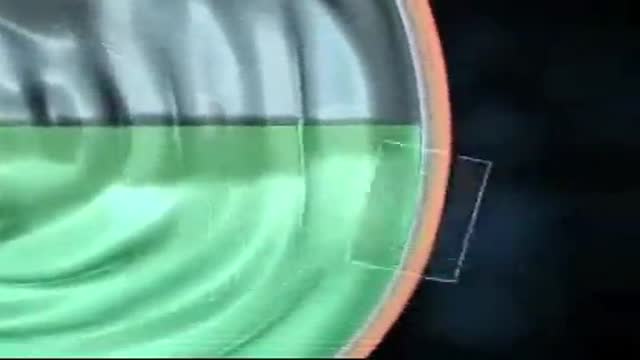
The unique muscular structure of the stomach breaks up the food into small pieces called chyme. Chyme exits through the pyloric sphincter into the duodenum of the small intestine. The major portion of absorption and digestion occurs in the small intestine. The mucosa secrete enzymes that supplement the digestive enzymes of the pancreas and liver. This completes the chemical process of digestion. The walls are covered with phylloi where nutrient absorption takes place. The structure of each villus contains a capillary and lacteal to pick up the digested nutrients. The nutrients are now transported by the blood to all the cells of the body.
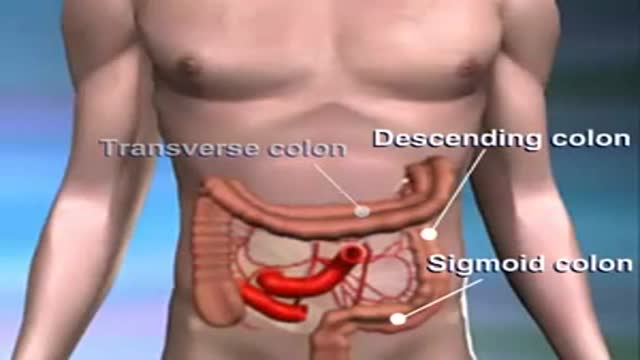
The undigested food reaches the ileocecal valve and enters the large intestine or colon. The colon absorbs water, manufactures vitamins, produces mucus, and forms and expels feces. Mass peristalsis pushes the feces into the rectum, which stimulates the defecation reflex.
Transcript auto-generated from the video’s audio for accessibility and study. Educational content only — not medical advice.
Medical Videos
Free medical and surgery videos for patients, students and professionals — trusted since 2007.
Founded by Dr. Mohamed Ibrahim, MD, PhD — physician-scientist.
Follow us on Facebook · Instagram
SORT BY-
Top Comments
-
Latest comments