
- Physical Examination
- Surgical Examination
- Ophthalmology
- Clinical Skills
- Orthopedics
- Surgery Videos
- Laparoscopy
- Pediatrics
- Funny Videos
- Cardiothoracic Surgery
- Nursing Videos
- Plastic Surgery
- Otorhinolaryngology
- Histology and Histopathology
- Neurosurgery
- Dermatology
- Pediatric Surgery
- Urology
- Dentistry
- Oncology and Cancers
- Anatomy Videos
- Health and Fitness
- Radiology
- Anaesthesia
- Physical Therapy
- Pharmacology
- Interventional Radiology
- Cardiology
- Endocrinology
- Gynecology
- Emergency Medicine
- Psychiatry and Psychology
- Childbirth Videos
- General Medical Videos
- Nephrology
- Physiology
- Diet and Food Health
- Diabetes Mellitus
- Neurology
- Women Health
- Osteoporosis
- Gastroenterology
- Pulmonology
- Hematology
- Rheumatology
- Toxicology
- Nuclear Medicine
- Infectious Diseases
- Vascular Disease
- Reproductive Health
- Burns and Wound Healing
- Kidney Zone Podcast
- Other
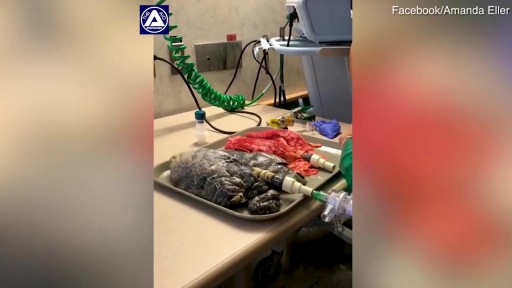
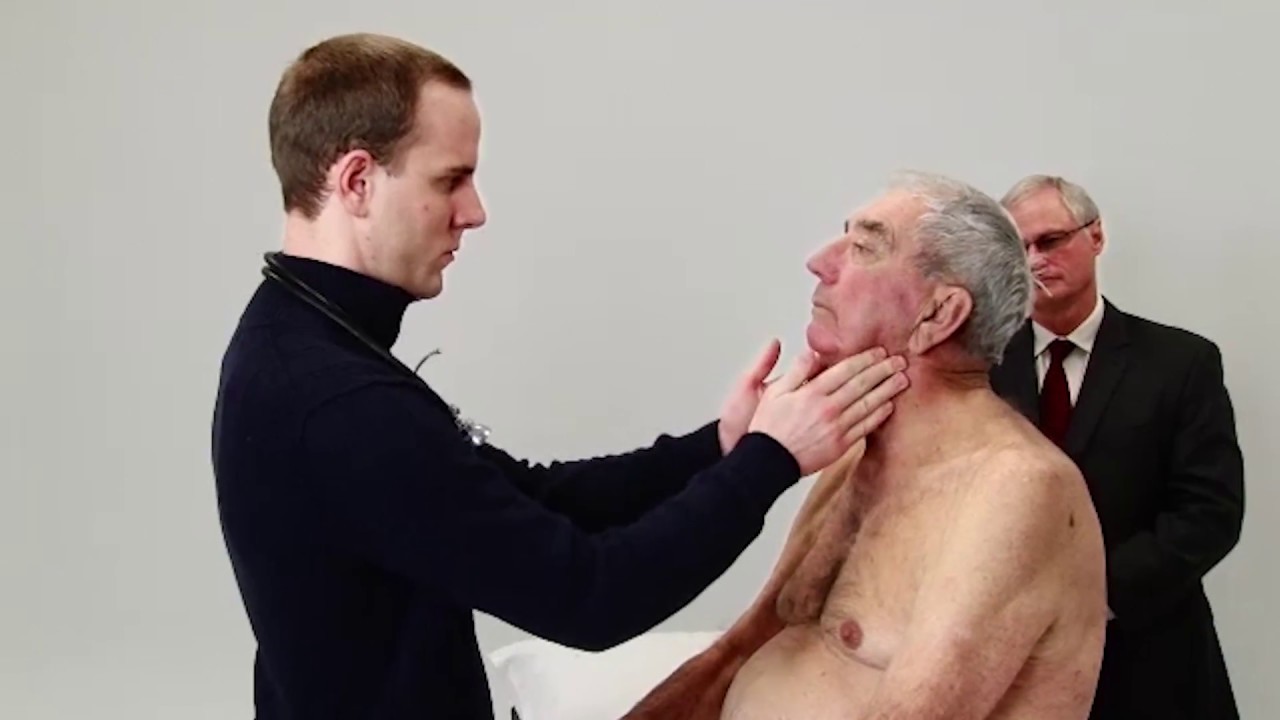





Examination of Lungs and respiration

examination of the lungs and respiration of newborn and children
This video in 30 seconds
A narrated teaching video on examining the lungs and breathing in children. It explains how chest shape and breathing patterns change with age, signs of breathing difficulty, how croup and asthma presentations differ, and the technique of auscultation and percussion in young patients.
Key points
- Chest shape and breathing patterns by age are explained
- Signs of difficult breathing including recessions and nasal flaring are described
- Upper airway obstruction in croup and asthma presentations are contrasted
- Auscultation technique in young patients is demonstrated
- Normal and abnormal breath sounds are described with examples
Chapters
- 0:06 — Chest shape and breathing by age
- 0:57 — Signs of difficult breathing
- 1:48 — Croup and asthma presentations
- 2:15 — Auscultation technique in children
- 3:07 — Normal and abnormal breath sounds
- 4:16 — Percussion in older children
Video Transcript
A narrated teaching video on examining the lungs and breathing in children. It explains how chest shape and breathing patterns change with age, the signs of breathing difficulty such as recessions and nasal flaring, how croup and asthma differ, and the technique of auscultation and percussion in young patients.
Read the full transcript
The shape of the cross-sectional area of the thorax depends on age. In infants, it is circular. As the child grows, it becomes more oval. The pattern of breathing also changes during growth. Until school age, breathing is governed by abdominal movements, whereas later on, thoracic movements dominate. The symmetry of the child's respiratory movements should also be noted. At rest, breathing should be regular and quiet. An important objective criterion is the respiratory rate. Normal respiratory rates can vary a great deal, especially in newborn babies. But on average, the respiratory rate is 40 per minute.
At one year, it is 30 a minute, and by around 16 years, it reaches the normal adult rate. So, what are the objective signs of difficult breathing? The most important sign is tachypnea, an increased respiratory rate. Recessions mainly occur in young children and babies. They are sternal in this baby. But they can also be observed intercostally, or in the suprasternal notch, as in this child. Constant nasal flaring also points to breathing difficulties in young children. In this child, obstruction of the upper airways causes a prolonged inspiration.
In this particular case, it is caused by acute laryngotracheitis, also called croup. Asthma, on the other hand, results in long and difficult expiration due to an obstruction in the smaller airways. All pulmonary fields are auscultated both centrally and peripherally, comparing right and left. The child is auscultated both ventrally and dorsally. To make auscultation easier, older children can be asked to breathe in and out through their open mouth. As shown here, infants and toddlers can be examined either in their mother's arms or in supine position. Normal respiratory sound is caused by turbulence in the large airways.
It can be heard clearly both during inspiration and expiration over the large respiratory airways between the shoulder blades and over the sternum. In the peripheral airways, no sound is generated because of laminar airflow. At this point, the breath sound can be heard in a damped manner. During auscultation, note the difference between the sides, as well as damping, or enhancement of the respiratory sound. It should be noted that in babies, the breath sound is considerably less damped and can still be heard clearly in the peripheral part of the lung.
The breath sound can be accompanied by various abnormal respiratory sounds, like ronkai, wheezing, rails, and course rails, as a few examples. Here are a few sound examples. Percussion is worthwhile only in older children and does not differ much from adult percussion.
Transcript auto-generated from the video’s audio for accessibility and study. Educational content only — not medical advice.
Video Overview
From our Pediatrics collection: Pediatric videos: child health, newborn care, common childhood illnesses and pediatric procedures explained for parents, students and clinicians. Browse all Pediatrics videos →
SORT BY-
Top Comments
-
Latest comments