
- Physical Examination
- Surgical Examination
- Ophthalmology
- Clinical Skills
- Orthopedics
- Surgery Videos
- Laparoscopy
- Pediatrics
- Funny Videos
- Cardiothoracic Surgery
- Nursing Videos
- Plastic Surgery
- Otorhinolaryngology
- Histology and Histopathology
- Neurosurgery
- Dermatology
- Pediatric Surgery
- Urology
- Dentistry
- Oncology and Cancers
- Anatomy Videos
- Health and Fitness
- Radiology
- Anaesthesia
- Physical Therapy
- Pharmacology
- Interventional Radiology
- Cardiology
- Endocrinology
- Gynecology
- Emergency Medicine
- Psychiatry and Psychology
- Childbirth Videos
- General Medical Videos
- Nephrology
- Physiology
- Diet and Food Health
- Diabetes Mellitus
- Neurology
- Women Health
- Osteoporosis
- Gastroenterology
- Pulmonology
- Hematology
- Rheumatology
- Toxicology
- Nuclear Medicine
- Infectious Diseases
- Vascular Disease
- Reproductive Health
- Burns and Wound Healing
- Kidney Zone Podcast
- Other


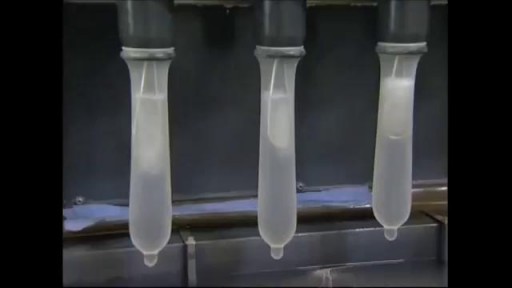


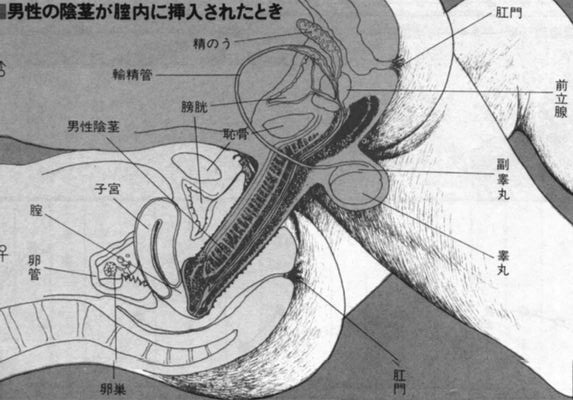





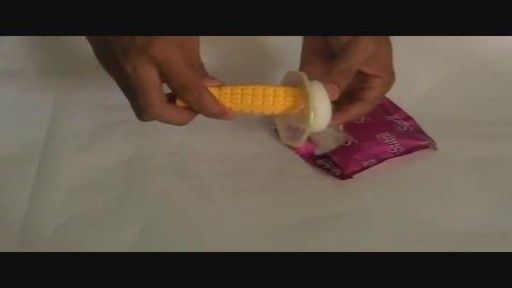

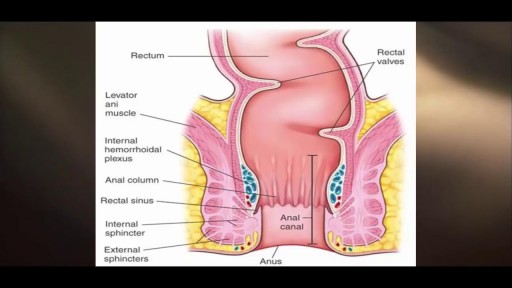

How To Use Male Condom Correctly

Educational only: videos on MedicalVideos.com are for general information and are not medical advice. Always consult your own doctor about your health.
How To Use Male Condom Correctly - Manipal Hospitals
This video in 30 seconds
This educational animation explains what a male condom is and describes its use in general terms, in a clinical and neutral tone. The narration covers semen and sperm, condom materials, checking the package, fitting and removal as narrated, and a caution about oil-based lubricants with latex.
Key points
- The animation defines a male condom and its purpose in general terms
- Semen production and fertilisation are explained in the narration
- Condom materials and package checking are described
- Fitting and removal are described as narrated
- A caution about oil-based lubricants with latex is included
Chapters
- 0:14 — What a male condom is
- 0:33 — Semen and fertilisation explained
- 1:23 — Packages materials and checks
- 2:12 — Fitting the condom as narrated
- 3:20 — Removal and effectiveness figures
Video Transcript
This educational animation explains what a male condom is and how the narration says it is used, covering semen and sperm in general terms. It describes checking the package and expiry date, condom materials, fitting and removal as narrated, and a caution about oil-based lubricants with latex. The narration states effectiveness figures of about 98% with correct use and 82% with typical use.
Read the full transcript
For educational purposes the following animation contains graphic images of nudity and condom use. Viewer discretion is advised. A male condom is a thin sheath a man can wear on his erect penis during sex to prevent pregnancy.
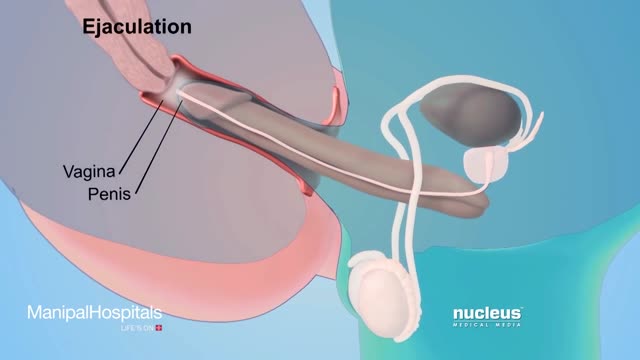
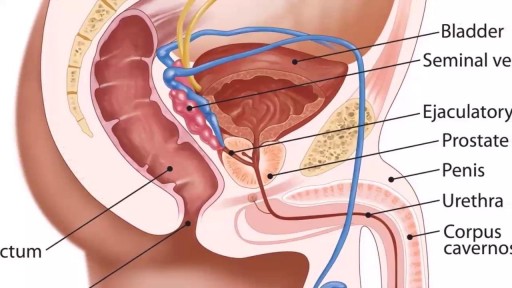
Using a condom can also reduce the risk of getting or spreading HIV or other sexually transmitted diseases, also known as STDs. A man's reproductive fluid, called semen, is produced by the following glands. The testicles, also called testes.
The seminal vesicles. And the prostate gland.
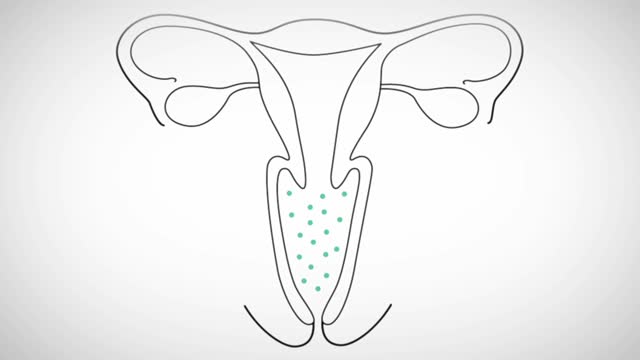
During vaginal sex between a man and a woman, semen passes out of a man's penis and into the woman's vagina in a process called ejaculation.
Semen contains tens of millions of sperm.
From the vagina, the sperm in the semen can travel to and fertilize an egg from the woman's body.
Fertilization of the egg marks the beginning of human development.
Condoms are sealed inside a plastic or foil package.
Condoms made from latex, polyurethane, or polyisoprene also protect against HIV and STDs.
Natural membrane, or lamb skin condoms, do not provide protection from HIV or other STDs.
Do not use the condom if the package is open, torn, dried out, or past its expiration date.
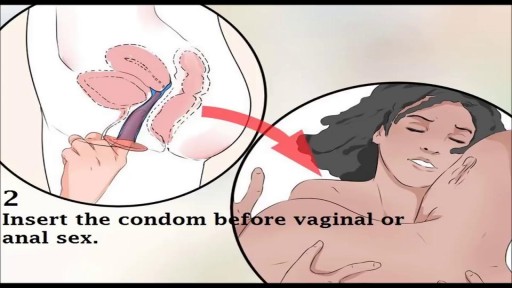
To protect against pregnancy or STDs, put the condom on before the penis touches any area inside or outside the woman's vagina. A new condom should be used the entire time during vaginal, anal, or oral sex.
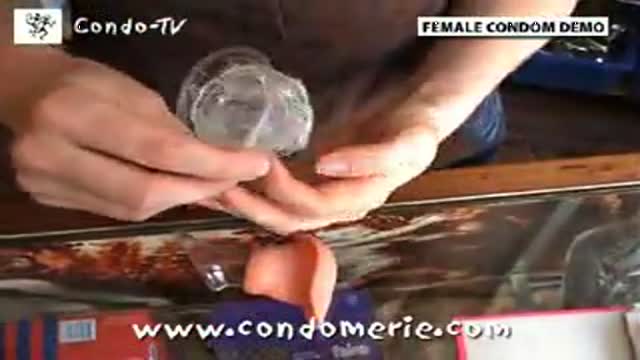
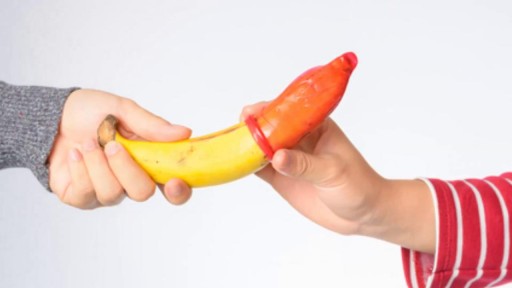
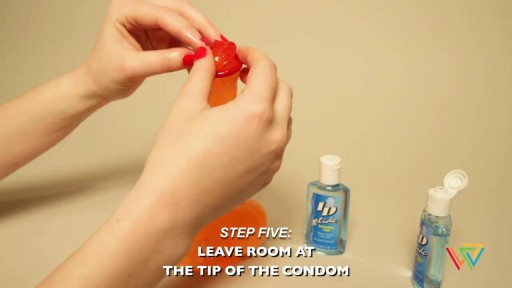
To use a condom, carefully remove it from its package to avoid tearing it. A reservoir or space at the tip of the condom collects semen during ejaculation. Pinch the reservoir, or at least a half inch space at the tip, to remove any air inside it.
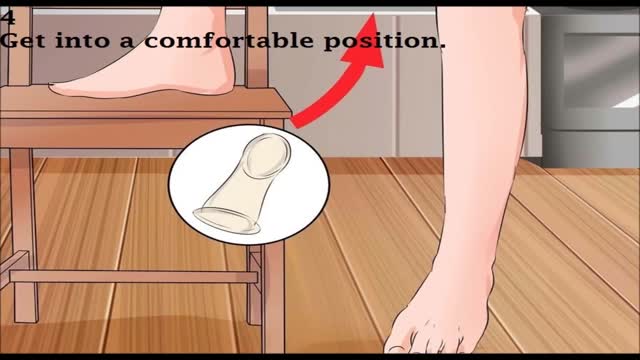
If the penis is uncircumcised, which means it still has foreskin, pull the foreskin back to expose the head or glands of the penis. If the penis is circumcised, the glands is already exposed because the foreskin has been removed. While still pinching the tip, place the condom over the glands and unroll it along the entire length of the penis. Use only water-based lubrication on latex condoms. Oil-based lubricants such as baby oil, petroleum jelly or lotion can weaken latex condoms and cause them to break. Stop any type of sex if the condom breaks or tears.
Remove the torn condom and replace it with a new one before continuing to have sex. After ejaculation, grip the condom at the base of the penis while it is still erect, and carefully withdraw it from the vagina so that semen doesn't spill out. Then, remove the condom and throw it in the trash.
Male condoms are about 98% effective at preventing pregnancy if used correctly each time you have sex. Condoms are about 82% effective with typical use, which means either you don't always use condoms or you don't use them correctly every time you have sex.
Transcript auto-generated from the video’s audio for accessibility and study. Educational content only — not medical advice.
Video Overview
From our Gynecology collection: Pelvic exams, Pap smears, IUD insertion, hysteroscopy and women's health procedures explained step by step. Browse all Gynecology videos →
Medical Videos
Free medical and surgery videos for patients, students and professionals — trusted since 2007.
Founded by Dr. Mohamed Ibrahim, MD, PhD — physician-scientist.
Follow us on Facebook · Instagram
SORT BY-
Top Comments
-
Latest comments