
- Physical Examination
- Surgical Examination
- Ophthalmology
- Clinical Skills
- Orthopedics
- Surgery Videos
- Laparoscopy
- Pediatrics
- Funny Videos
- Cardiothoracic Surgery
- Nursing Videos
- Plastic Surgery
- Otorhinolaryngology
- Histology and Histopathology
- Neurosurgery
- Dermatology
- Pediatric Surgery
- Urology
- Dentistry
- Oncology and Cancers
- Anatomy Videos
- Health and Fitness
- Radiology
- Anaesthesia
- Physical Therapy
- Pharmacology
- Interventional Radiology
- Cardiology
- Endocrinology
- Gynecology
- Emergency Medicine
- Psychiatry and Psychology
- Childbirth Videos
- General Medical Videos
- Nephrology
- Physiology
- Diet and Food Health
- Diabetes Mellitus
- Neurology
- Women Health
- Osteoporosis
- Gastroenterology
- Pulmonology
- Hematology
- Rheumatology
- Toxicology
- Nuclear Medicine
- Infectious Diseases
- Vascular Disease
- Reproductive Health
- Burns and Wound Healing
- Kidney Zone Podcast
- Other






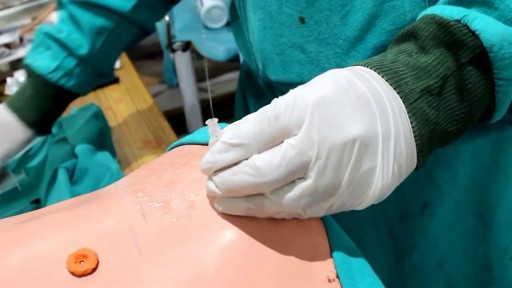


Male Urethral Catheterization

Male urethral catheterization is demonstrated here using sterile technique, showing how a urinary catheter is passed into the bladder. The video is a procedure-skills resource for medical students, nurses, and clinicians. Procedure education only — not personal medical advice.
This video in 30 seconds
A New England Journal of Medicine clinical-medicine video demonstrating male urethral catheterization with sterile technique. It opens with therapeutic and diagnostic indications and contraindications, reviews catheter types and equipment, then demonstrates preparation, draping, cleansing, insertion, balloon inflation and securing, and closes with difficult catheterization and infection considerations.
Key points
- Therapeutic uses described include decompressing the bladder in urinary retention and facilitating bladder irrigation
- Diagnostic uses described include obtaining an uncontaminated urine sample and measuring output
- The video reviews catheter tray contents and compares Foley, curved-tip and triple-lumen catheters
- The clinician prepares the equipment, positions and drapes the patient and cleanses with antiseptic
- Placement is confirmed by urine flow before the retention balloon is inflated and the tubing secured
Chapters
- 0:17 — Therapeutic and diagnostic indications
- 0:59 — Contraindications to catheterization
- 1:40 — Equipment and catheter types
- 3:46 — Preparing equipment and patient
- 4:44 — Draping and cleansing
- 5:18 — Inserting the catheter
- 6:12 — Confirming placement and balloon inflation
- 7:26 — Difficult cases and infection risk
Video Transcript
A New England Journal of Medicine clinical-medicine video demonstrating male urethral catheterisation with sterile technique. It opens with the indications — therapeutic uses such as decompressing the bladder in acute or chronic retention and facilitating irrigation in gross hematuria, and diagnostic uses such as obtaining an uncontaminated urine sample or measuring output in critically ill patients — before demonstrating the procedure.
Read the full transcript
This is a video in clinical medicine from the New England Journal of Medicine.
Urethral catheterization may be performed as either a therapeutic or a diagnostic procedure. Therapeutically, catheters may be placed to decompress the bladder in patients with acute or chronic urinary retention. In addition, catheters may be placed to facilitate bladder irrigation in patients with gross hematuria. Diagnostically, urinary catheters may be placed to obtain an uncontaminated urine sample or microbiologic testing, to measure urinary output in critically ill patients or during surgical procedures, or to measure post-void residuals.
The only absolute contraindication to urethral catheterization is known or suspected urethral injury, usually in the setting of a pelvic fracture. Trauma patients presenting with blood at the urethral meiasis or with gross hematuria, perineal hematoma, or a high-riding prostate gland, should be evaluated with retrograde urethrography before catheterization. Relative contraindications to catheterization include urethral stricture, recent urethral or bladder surgery, and a combative or uncooperative patient.
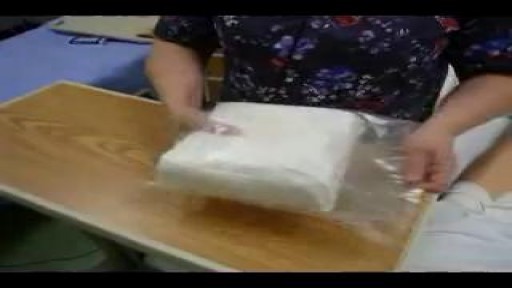
Most of the equipment required for urinary catheterization can often be found in a prepackaged catheterization tray. The contents of a typical tray include sterile drapes and gloves, an antiseptic solution such as povidone iodine or chlorhexidine, and cotton balls and forceps for application of antiseptic. Gits also include a foley catheter, a sterile lubricant, a syringe with water for balloon inflation, and a sterile drainage bag. Additional equipment that is not included in the standard tray includes viscous lidocaine and tape or another device to secure the catheter to the patient.
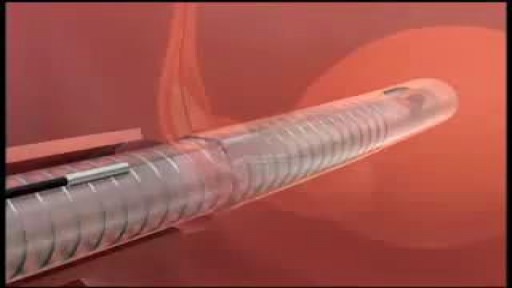
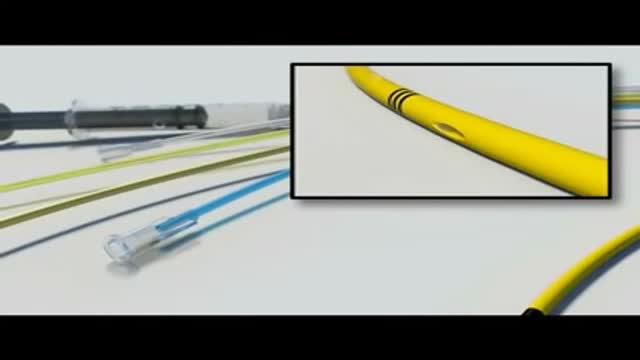
There are many different types and sizes of urinary catheters available. The foley catheter, a double lumen urethral catheter with a straight tip, is most frequently used. One lumen is dedicated to urinary drainage and the second is used to inflate the retention balloon at the distal end of the catheter. A 16-18 French is the appropriate size for most adult patients. Larger catheters, 22 to 24 French, should be used for patients with gross hematuria in order to prevent clots from obstructing the lumen. The coup d'etre catheter has a semi-rigid, curved tip that facilitates catheterization in men with prosthetic enlargement.
Triple lumen catheters, which have an additional port for bladder irrigation, are often used in patients with gross hematuria or clots.
The average male urethra is approximately 20 centimeters long and takes an S-shaped course through the penis, urogenital diaphragm, and prostate gland. Note that downward traction on the penis exaggerates this curvature, making catheterization difficult. When the penis is held taut and perpendicular to the body, the urethra straightens, facilitating the procedure.
Carefully inspect and prepare all equipment before beginning the catheterization. Sterile gloves should be worn when equipment is handled and while the procedure is carried out. Arrange the contents of the catheterization tray on a bedside table. Check the integrity of the retention balloon and securely attach the catheter to the collection tubing on the drainage bag. Finally, pour the antiseptic solution onto the cotton balls and lubricate the distal tip of the catheter. Place the patient in a supine position on the stretcher. The foreskin should be fully retracted in uncircumcised patients.
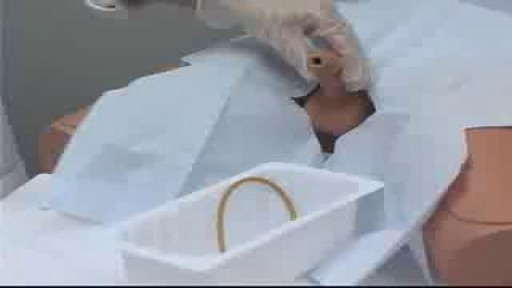
Next, inject 10 to 15 milliliters of viscous lidocaine into the urethra. This not only anesthetizes the mucosa but also distends the urethra, facilitating catheterization. Firmly pinch the end of the penis for several minutes to retain the lidocaine within the urethra. Place the sterile drape over the patient's thighs and the fenestrated drape over the pubic region. Grasp the shaft of the penis with your non-dominant hand. This hand is now considered to be non-sterile and it should not let go of the penis or touch any sterile equipment throughout the remainder of the procedure.
Cleanse the glands in a circular motion using the forceps and antiseptic soaked cotton balls. It is helpful to place the box from the catheter kit on the patient's thighs before the catheter is placed. During insertion, the penis is held upright, perpendicular to the plane of the body. In this demonstration, a coup d'et catheter is being used. When using a coup d'et, be sure that the tip of the curved catheter is pointing upward in the 12 o'clock position. Place the tip of the catheter into the meiatus and advance it slowly and gently through the urethra.
Never force the catheter since this may create a false passage or other urethral trauma. Continue to hold the penis upright to straighten the penile urethra. Some resistance may be encountered as the catheter reaches the level of the external sphincter. Instruct the patient to breathe deeply to relax the sphincter, apply slow continuous pressure to the catheter and advance the catheter to the level of the side channel.
Before inflating the balloon, confirm proper placement by observing the flow of urine into the collecting tube. If no urine is returned, the catheter is probably obstructed by lubricating jelly and should be flushed with normal saline. Gentle palpation of the bladder may also promote urinary flow into the collecting system.
Once proper placement is confirmed, inflate the retention balloon with 10 milliliters of water. Air or normal saline should not be used. It is important to inflate the balloon while the catheter is fully inserted to avoid inflation while the balloon is still in the urethra. Next, gently pull the catheter back to seat the retention balloon against the bladder wall. If the patient is uncircumcised, pull the foreskin back over the glands to prevent the development of a paraphimosis. Finally, secure the collection tubing to either the thigh or the anterior abdominal wall and hand the collection bag in a dependent position to prevent the reflux of drained urine back into the bladder.
The catheterization may be difficult to perform in patients with prostatic enlargement. This is usually sensed as resistance to the advancement of the catheter at approximately 16 to 20 centimeters. Use of the coup d'et catheter may alleviate this problem since its firm curved tip may traverse the exaggerated curve of the prostatic urethra. If a coup d'et catheter is not available, a larger fully catheter, size 20 to 24 French, may be used. Although counterintuitive, the use of the smaller catheter does not facilitate catheterization since it is less firm than a larger catheter and is likely to kink at the neck of the bladder.
Urology consultation should be obtained if you are unable to enter or advance through the urethra due to phimosis, myelostinosis or urethral stricture. The catheter should never be forcefully advanced as this is unlikely to be successful and may result in urethral trauma. Urinary tract infections are common after urethral catheterization. Although many cases are limited to asymptomatic bacteria, significant illness or death may result. The single best way to avoid catheter related infections is to avoid catheterization whenever possible. Additional complications of urethral catheterization include paraphimosis, trauma to the urethra and bladder and non-deflation of the retention balloon.
Transcript auto-generated from the video’s audio for accessibility and study. Educational content only — not medical advice.
Video Overview
From our Reproductive Health collection: Fertility, contraception, IVF and sexual health explained clearly by specialists. Browse all Reproductive Health videos →
SORT BY-
Top Comments
-
Latest comments