
- Physical Examination
- Surgical Examination
- Ophthalmology
- Clinical Skills
- Orthopedics
- Surgery Videos
- Laparoscopy
- Pediatrics
- Funny Videos
- Cardiothoracic Surgery
- Nursing Videos
- Plastic Surgery
- Otorhinolaryngology
- Histology and Histopathology
- Neurosurgery
- Dermatology
- Pediatric Surgery
- Urology
- Dentistry
- Oncology and Cancers
- Anatomy Videos
- Health and Fitness
- Radiology
- Anaesthesia
- Physical Therapy
- Pharmacology
- Interventional Radiology
- Cardiology
- Endocrinology
- Gynecology
- Emergency Medicine
- Psychiatry and Psychology
- Childbirth Videos
- General Medical Videos
- Nephrology
- Physiology
- Diet and Food Health
- Diabetes Mellitus
- Neurology
- Women Health
- Osteoporosis
- Gastroenterology
- Pulmonology
- Hematology
- Rheumatology
- Toxicology
- Nuclear Medicine
- Infectious Diseases
- Vascular Disease
- Reproductive Health
- Burns and Wound Healing
- Kidney Zone Podcast
- Other












The male orgasm

Educational only: videos on MedicalVideos.com are for general information and are not medical advice. Always consult your own doctor about your health.
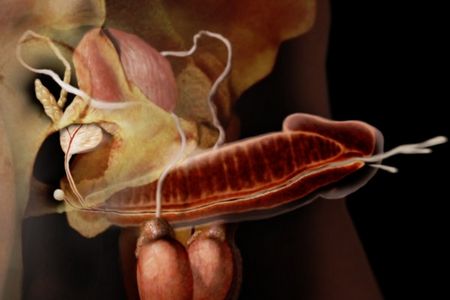
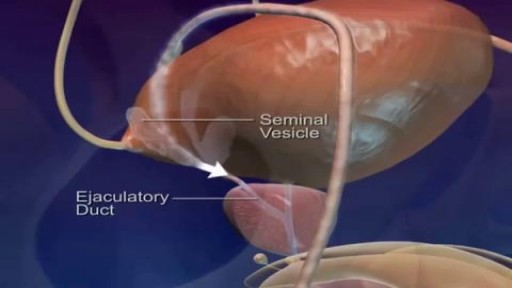
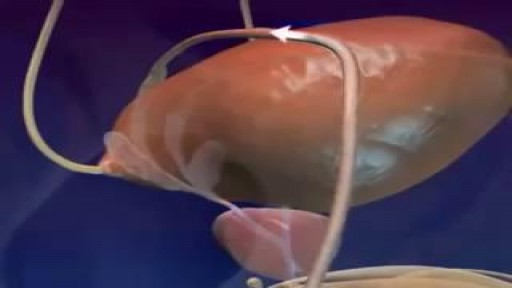
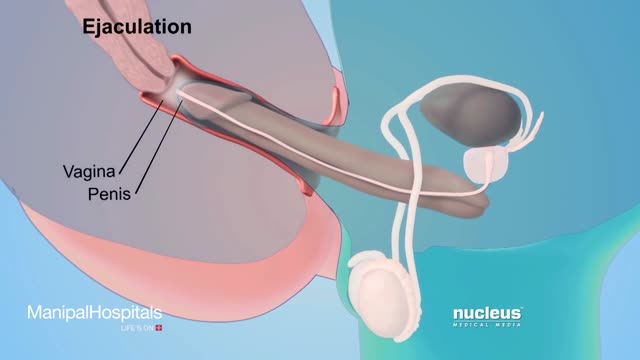
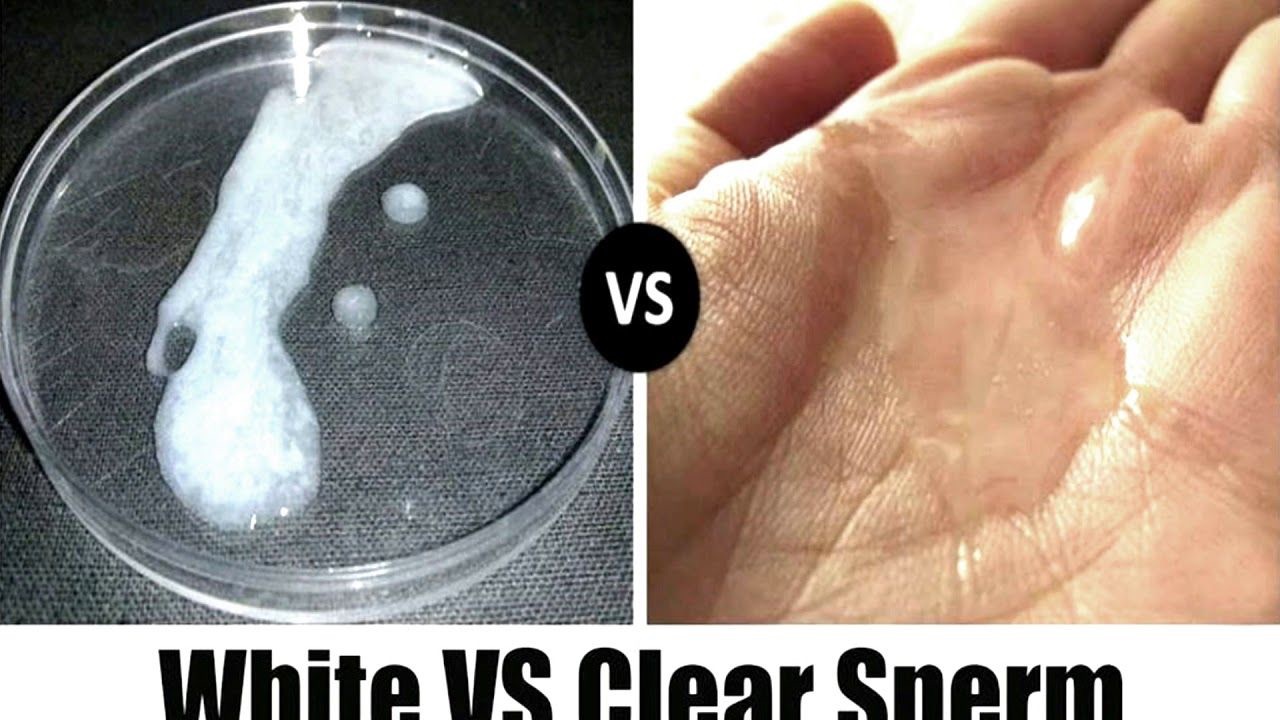
The fuel for the process leading to orgasm is testosterone, a hormone produced in steady supply by the testicles. The testicles also make millions of sperm each day, which mature and then are mixed with whitish, protein-rich fluids. These fluids nourish and support the sperm so they can live after ejaculation for a limited time. This mixture of fluid and sperm, known as semen, is what is moved through the urethra and out the penis during orgasm.
This video in 30 seconds
A narration describes the physiological stages of the male orgasm in clinical terms. It covers arousal and erection, rising heart rate, blood pressure and breathing, pre-ejaculatory fluid, the contractions of ejaculation, and the refractory period that follows.
Key points
- Arousal and erection are described as blood fills erectile tissue
- Heart rate, blood pressure, and breathing are described as increasing
- Pre-ejaculatory fluid and its role are described
- Muscle contractions associated with ejaculation are described
- A refractory period after orgasm is described as varying between men
Chapters
- 0:06 — Arousal and erection described
- 1:03 — Orgasm and ejaculation described
- 1:43 — Refractory period described
Video Transcript
This narration describes the physiological stages of the male orgasm in clinical terms. It covers arousal and erection, increases in heart rate, blood pressure and breathing, the release of pre-ejaculatory fluid, and the rhythmic contractions associated with ejaculation. It then describes relaxation afterwards and notes that a refractory period follows, during which another orgasm is not yet possible, and that its length varies among men.
Read the full transcript
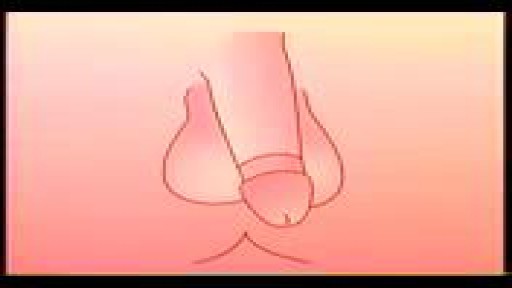
In men, orgasm is considered the peak experience of sexual pleasure. As a man becomes sexually aroused, the blood gets pulled up in the erectile tissue of the penis. It leads to the erection of penis. The more intense is the arousal, the more erect will be the penis. As arousal continues, the penis cap swells. Muscular tension, heart rate and blood pressure increase and breathing becomes heavier. At this point, scrotum tightens and testes start to leak fluid. This fluid is known as precom and contains alive sperms. Precom also intensifies arousals and serves as lubrication.
As orgasm approaches, body movements such as thrusting becomes rapid. The blood pressure, heart rate and breathing reach their peaks. Intake of oxygen also increases. When orgasm is reached, muscles of hands and feet begin to spasm. Then, suddenly, forceful release of sexual tension occurs. During the climax, rhythmic contractions of the muscles at the base of the penis occur. This results in the ejaculation of semen. Furthermore, flushing due to sex may appear all over the body. After orgasm, the body gets relaxed. A deep sense of relaxation, enhanced intimacy and fatigue usually prevails.
The penis returns back to its normal size and colour along with other parts of the body. Before men can reach another orgasm, they need rest time to restore. This restoring time, also called refractory period, vary in duration and length among men.
Transcript auto-generated from the video’s audio for accessibility and study. Educational content only — not medical advice.
Video Overview
Other: part of the MedicalVideos.com library of free educational medical and surgery videos. Browse this category →
Medical Videos
Free medical and surgery videos for patients, students and professionals — trusted since 2007.
Founded by Dr. Mohamed Ibrahim, MD, PhD — physician-scientist.
Follow us on Facebook · Instagram
SORT BY-
Top Comments
-
Latest comments