
- Physical Examination
- Surgical Examination
- Ophthalmology
- Clinical Skills
- Orthopedics
- Surgery Videos
- Laparoscopy
- Pediatrics
- Funny Videos
- Cardiothoracic Surgery
- Nursing Videos
- Plastic Surgery
- Otorhinolaryngology
- Histology and Histopathology
- Neurosurgery
- Dermatology
- Pediatric Surgery
- Urology
- Dentistry
- Oncology and Cancers
- Anatomy Videos
- Health and Fitness
- Radiology
- Anaesthesia
- Physical Therapy
- Pharmacology
- Interventional Radiology
- Cardiology
- Endocrinology
- Gynecology
- Emergency Medicine
- Psychiatry and Psychology
- Childbirth Videos
- General Medical Videos
- Nephrology
- Physiology
- Diet and Food Health
- Diabetes Mellitus
- Neurology
- Women Health
- Osteoporosis
- Gastroenterology
- Pulmonology
- Hematology
- Rheumatology
- Toxicology
- Nuclear Medicine
- Infectious Diseases
- Vascular Disease
- Reproductive Health
- Burns and Wound Healing
- Kidney Zone Podcast
- Other











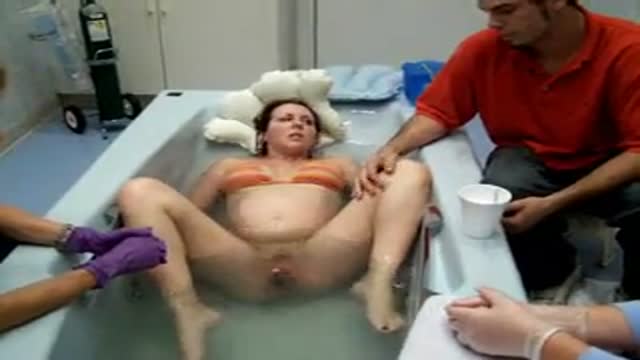
Labor and Birth HD Video

Labor and Birth HD Video
This video in 30 seconds
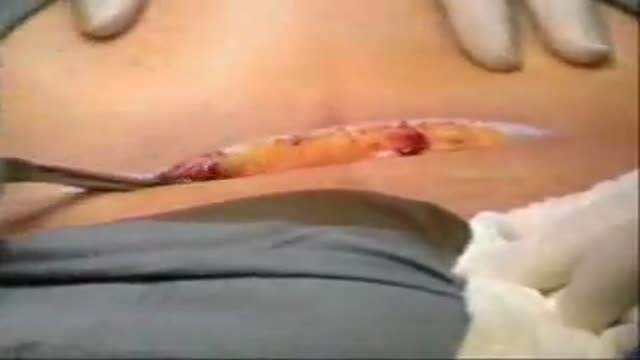
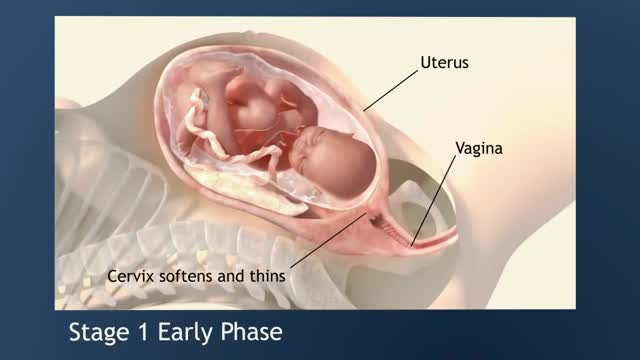
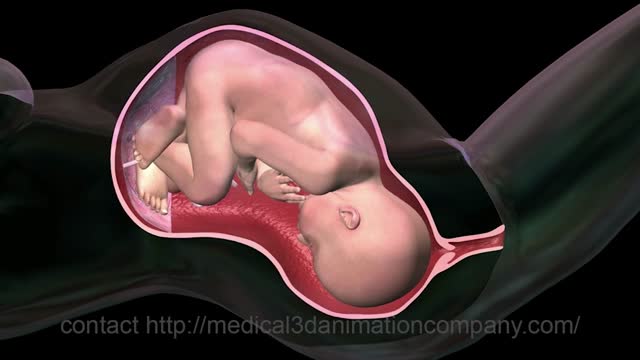
A BabyCenter production explains labor and birth, opening with a short testimonial from a mother. A narrated animation then walks through hormonal changes before birth, contractions and cervical dilation, active labor and transition, pushing and crowning, and delivery of the placenta.
Key points
- Hormonal changes that soften the cervix and trigger contractions are explained
- Contractions, dilation, and effacement are described
- Active labor and transition are distinguished in the narration
- Pushing, crowning, and delivery of the baby are shown in animation
- Delivery of the placenta is described as the final stage
Chapters
- 0:26 — Hormonal changes before birth
- 1:14 — Dilation and effacement begin
- 1:24 — Active labor contractions strengthen
- 1:34 — Pushing and second stage begins
- 2:07 — Placenta delivery final stage
Video Transcript
A BabyCenter production on labor and birth. After a short testimonial from a mother about the BabyCenter community, a narrated animation walks through the stages: the hormonal changes, contractions and cervical dilation, active labor and transition, pushing and crowning, and delivery of the placenta.
Read the full transcript
I found BabyCenter as a really big resource for me, almost like a friend. It follows me all the way clear back through preconception, pregnancy, through delivery, through new mommyhood. In the weeks before birth, your body slows down production of the hormone progesterone while increasing production of other hormones, including prostaglandins, which soften the cervix, and oxytocin, which triggers the uterine muscles to contract. True labor contractions are rhythmic and painful, and grow consistently stronger. As the long vertical muscle bands of the uterus tighten, they pull the cervix open.
The strong muscles at the top of the uterus push down and release, guiding your baby toward the cervix. The mucus plug, a collection of thickened cervical mucus that sealed your cervix shut for nine months, may be expelled days before or in the midst of labor. When the amniotic sac ruptures, your water has broken. It can feel like a trickle or a gush of fluid. Your cervix will begin opening and thinning, known as dilation and effacement. Once you reach about four centimeters, your body will move into active labor.
In active labor, contractions become stronger and closer together. At eight centimeters, you enter what many consider the most painful part of labor, transition. By ten centimeters, you're fully dilated and may feel the urge to push. This is your signal that the second stage of labor has begun. Your baby will move down with each contraction. The three separate soft bones of his head will temporarily overlap, so he can pass through the snug birth canal. Your baby's scalp will come into view. When the widest part of his head is visible, your baby is crowning.
With several more pushes, your baby's face, shoulders, and body will emerge. From the third and final stage of labor, your placenta detaches and is expelled. With your baby's first breath, the incredible journey of birth is complete.
Transcript auto-generated from the video’s audio for accessibility and study. Educational content only — not medical advice.
Video Overview
From our Childbirth Videos collection: Childbirth videos: watch real vaginal deliveries, C-sections, breech and twin births, and 3D animations of how babies are born. Browse all Childbirth Videos videos →
SORT BY-
Top Comments
-
Latest comments