
- Physical Examination
- Surgical Examination
- Ophthalmology
- Clinical Skills
- Orthopedics
- Surgery Videos
- Laparoscopy
- Pediatrics
- Funny Videos
- Cardiothoracic Surgery
- Nursing Videos
- Plastic Surgery
- Otorhinolaryngology
- Histology and Histopathology
- Neurosurgery
- Dermatology
- Pediatric Surgery
- Urology
- Dentistry
- Oncology and Cancers
- Anatomy Videos
- Health and Fitness
- Radiology
- Anaesthesia
- Physical Therapy
- Pharmacology
- Interventional Radiology
- Cardiology
- Endocrinology
- Gynecology
- Emergency Medicine
- Psychiatry and Psychology
- Childbirth Videos
- General Medical Videos
- Nephrology
- Physiology
- Diet and Food Health
- Diabetes Mellitus
- Neurology
- Women Health
- Osteoporosis
- Gastroenterology
- Pulmonology
- Hematology
- Rheumatology
- Toxicology
- Nuclear Medicine
- Infectious Diseases
- Vascular Disease
- Reproductive Health
- Burns and Wound Healing
- Kidney Zone Podcast
- Other
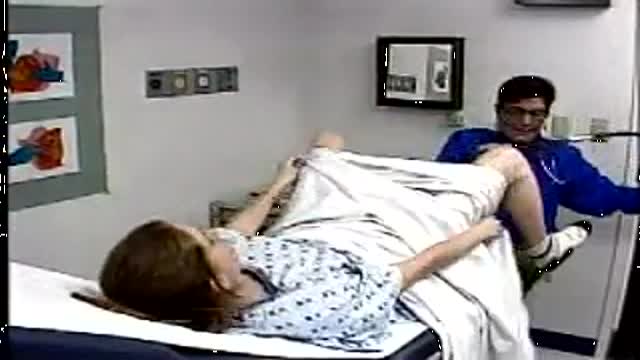
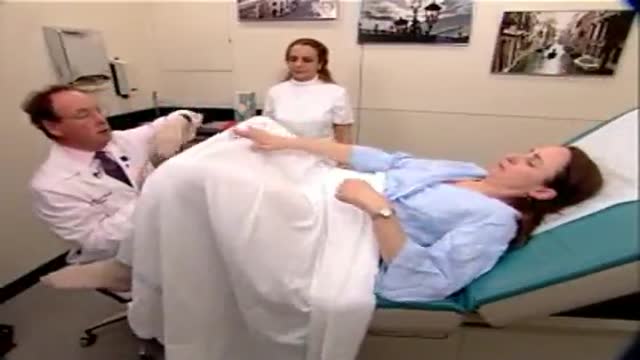
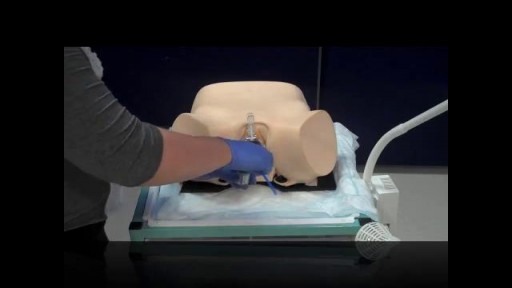
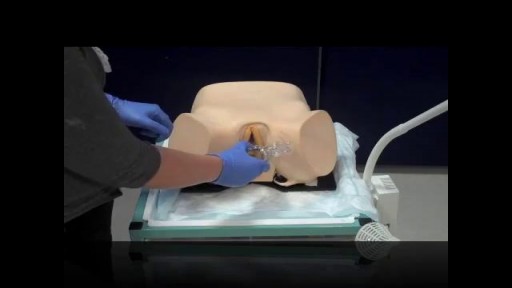












Pelvic Exam

Bimanual pelvic exam of a female, using two fingers inside the vagina and one hand on the outside of the abdomen.
This video in 30 seconds
This clinical teaching video demonstrates the bimanual pelvic examination with narration throughout. The examiner describes preparing and inserting lubricated fingers, palpating the vaginal walls, and then assessing the cervix, uterus, and ovaries in turn. Normal findings for each structure are described as the technique is performed.
Key points
- The examiner demonstrates lubricating the fingers and beginning the internal examination
- Palpation of the vaginal walls in different directions is described
- The cervix is assessed for position, size, shape, consistency, mobility, and tenderness
- The uterus is assessed by pressing toward the internal hand
- Each ovary is palpated in turn and its characteristics noted
Chapters
- 0:01 — Bimanual examination begins
- 0:33 — Palpating the vaginal walls
- 1:03 — Assessing the cervix
- 1:33 — Assessing the uterus
- 1:51 — Palpating the ovaries
Video Transcript
A clinical teaching narration for the bimanual pelvic examination. The examiner describes the technique as it is performed — lubricating the fingers, palpating the vaginal walls, then assessing the cervix for position, size, shape, consistency, mobility and tenderness, with what normal findings feel like explained along the way.
Read the full transcript
Now stand to perform a bimanual examination. Lubricate the index and middle fingers of your examining hand. I'm going to continue the internal exam now. You're going to feel me insert two fingers into your vagina. And insert them into the vagina, exerting pressure posteriorly. Palpate the vaginal wall posteriorly, laterally, and anteriorly, including the urethra and bladder region. Note any nodularity or tenderness. Palpate the cervix, noting its position, size, shape, consistency, regularity, mobility, and tenderness.
The cervix is normally rounded and firm with a consistency similar to the cartilage at the tip of the nose. It should be non-tender and mobile. Feel the fornix around the cervix. Press down toward the intravaginal hand as it raises the uterus upward. Note the size, shape, consistency, and mobility of the uterus. Identify any masses or tenderness. In a non-pregnant woman, you may feel an antiverted uterus above the symphysis. It is normally firm and mobile. To palpate the right ovary, place your abdominal hand on the right lower quadrant
and your intravaginal hand in the right lateral fornix. Press your abdominal hand in and down to move the ovary within reach of the intravaginal hand. Palpate the right ovary, or any adnexal mass between your hands. If possible, note its size, shape, consistency, mobility, and tenderness. Repeat the bimanual examination on the left side. Ovaries are palpable in women with active ovarian function. They may be somewhat tender normally. Palpation is often difficult in ovies or poorly relaxed women.
Transcript auto-generated from the video’s audio for accessibility and study. Educational content only — not medical advice.
Video Overview
From our Reproductive Health collection: Fertility, contraception, IVF and sexual health explained clearly by specialists. Browse all Reproductive Health videos →
SORT BY-
Top Comments
-
Latest comments