
- Physical Examination
- Surgical Examination
- Ophthalmology
- Clinical Skills
- Orthopedics
- Surgery Videos
- Laparoscopy
- Pediatrics
- Funny Videos
- Cardiothoracic Surgery
- Nursing Videos
- Plastic Surgery
- Otorhinolaryngology
- Histology and Histopathology
- Neurosurgery
- Dermatology
- Pediatric Surgery
- Urology
- Dentistry
- Oncology and Cancers
- Anatomy Videos
- Health and Fitness
- Radiology
- Anaesthesia
- Physical Therapy
- Pharmacology
- Interventional Radiology
- Cardiology
- Endocrinology
- Gynecology
- Emergency Medicine
- Psychiatry and Psychology
- Childbirth Videos
- General Medical Videos
- Nephrology
- Physiology
- Diet and Food Health
- Diabetes Mellitus
- Neurology
- Women Health
- Osteoporosis
- Gastroenterology
- Pulmonology
- Hematology
- Rheumatology
- Toxicology
- Nuclear Medicine
- Infectious Diseases
- Vascular Disease
- Reproductive Health
- Burns and Wound Healing
- Kidney Zone Podcast
- Other

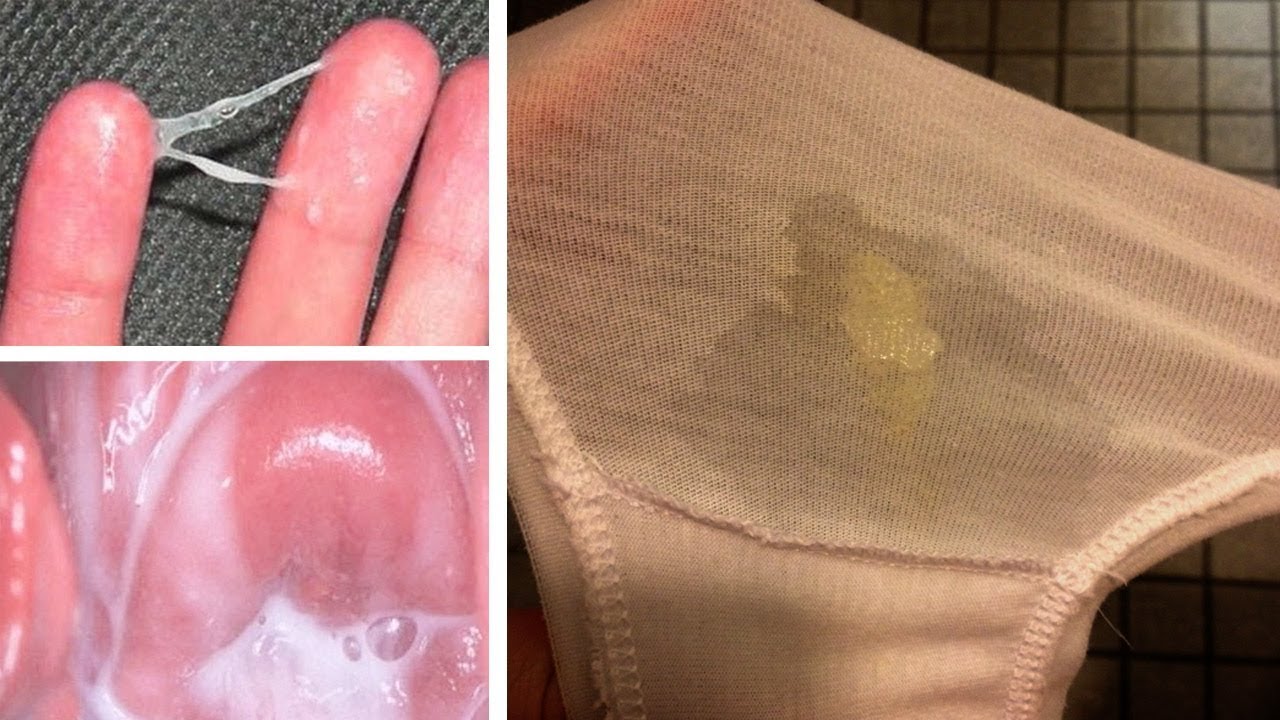



















Types and Causes of Vaginal Infection Yeast or Candidiasis, Trichomoniasis or Bacterial ?

Educational only: videos on MedicalVideos.com are for general information and are not medical advice. Always consult your own doctor about your health.
Watch that video to know Types and Causes of Vaginal Infection Yeast or Candidiasis, Trichomoniasis or Bacterial ?
Video Transcript
This narrated guide explains the three common vaginal infections — bacterial vaginosis, yeast infection (candidiasis) and trichomoniasis. It sets out how their symptoms differ, including discharge colour, texture and odour, itching, burning and painful urination, what raises the risk of each, and why a proper diagnosis at a doctor's visit matters, since treatments differ and untreated infections can lead to complications such as pelvic inflammatory disease and higher susceptibility to other infections. It closes with warning signs that should prompt urgent medical attention.
Read the full transcript
Women who suffer from vaginal infections know the yiching, burning and change in their discharge in terms of color and smell and sometimes texture as soon as symptoms start. The most common vaginal infection is also known as bacterial vaginosis, or BV, usually caused by a bacteria called gardenarilla vaginolus. Other common types of vaginal infections are with yeast, usually candida species, and with a protozoan organism, trichlaminase vaginolus. The vagina normally has a large population of bacteria. These bacteria are essential for normal pH balance and essentially help to crowd out harmful bacteria, yeast and other organisms like trichlaminase.
BV is the most common vaginal infection in women who are of child-bearing age. It is important to see a doctor for diagnosis anytime you experience vaginal infection symptoms. Some women who suffer from recurring vaginal infections prefer to cure their infections without using medications. Recognize the symptoms of BV. Vacterial vaginosis is typically marked by certain symptoms. Vs include, vaginal discharge with an unpleasant odor, often described as fishy. Vaginal discharge that is white or gray and may look foamy, burning on urination, itchiness and irritation around the vagina. Keep in mind that not all women with BV have symptoms.
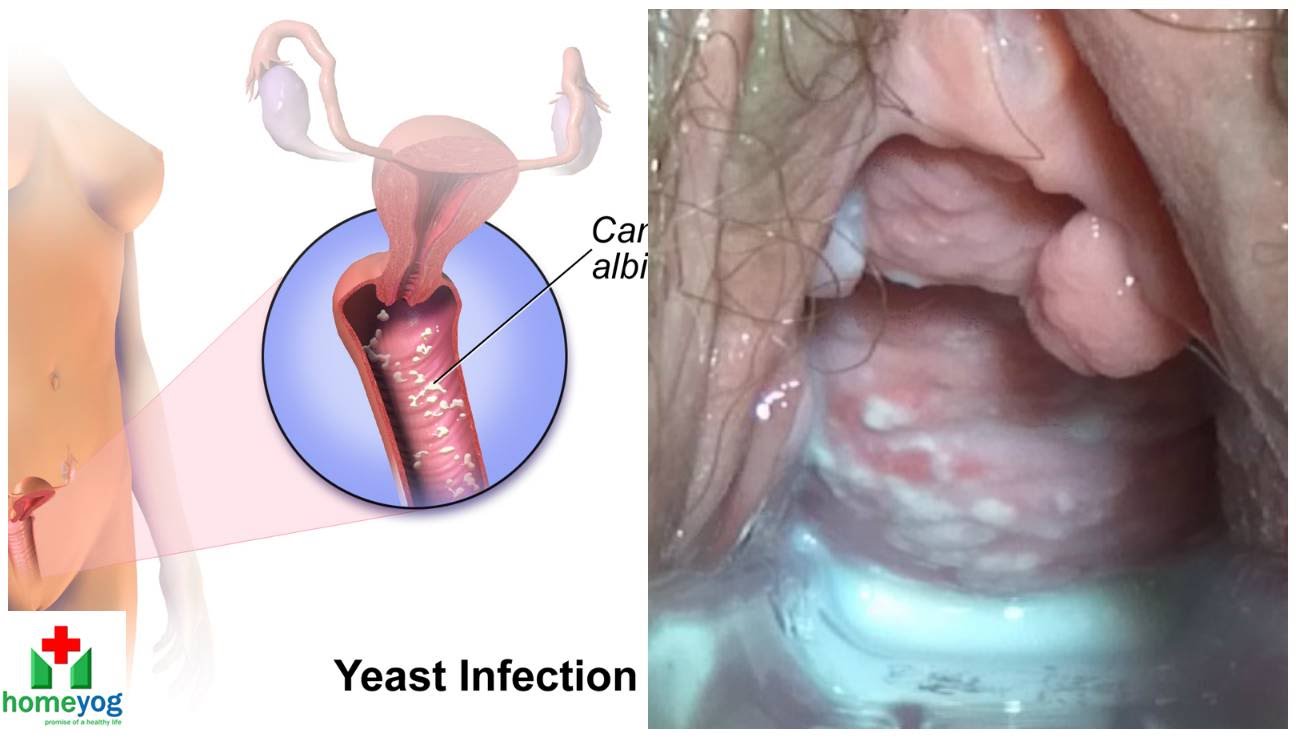
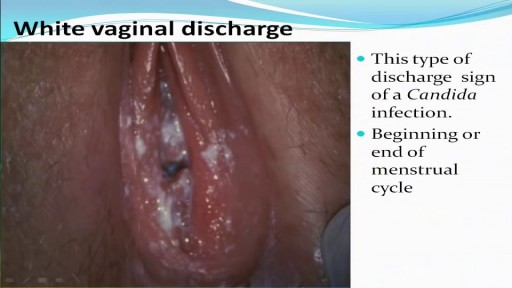
Recognize the symptoms of a yeast infection. Yeast infection symptoms can often resemble the symptoms of BV. These symptoms include, an abnormal vaginal discharge. The discharge can be a watery, white discharge to a thick, white, and chunky discharge. This is often described as looking like cottage cheese. Itching and burning of the vagina and labia, painful intercourse, painful urination, redness and swelling of the area just outside of the vagina. Recognize the symptoms of trichlaminosis. Symptoms of trichomoniasis, sometimes called triage, in women can be, vaginal discharge that is usually smelly or itchy, vaginal discharge that is typically frothy or foamy,
vagina litching, yellow or a gray-green discharge, painful urination. Keep track of your menstrual cycle. Vaginal infection symptoms can differ depending on where a woman is in her cycle. This is because the hormonal changes during the menstrual cycle can affect the composition of the bacteria in the vagina and the characteristics of the vaginal environment. Knowing your menstrual cycle will help you keep track of changes that you're experiencing. Realize that some women experience no symptoms. Many women have BV or trichomoniasis but they do not have any of the telltale symptoms.
If you suspect you might have an infection, see your doctor. Trichomoniasis can be transmitted to sexual partners. If you suspect you have trige, see your doctor for a diagnosis and treatment. Know that the risk of BV increases with certain activities. Most women have probably had at least one experience with BV. There is no specific cause. Essentially anything that disrupts the normal bacterial balance in the vagina can result in BV. The risk of BV increases with having a new sexual partner, having multiple sexual partners, having sex without a condom, douching, using an intrauterine device,
as a method of birth control. Know what increases the risk of yeast infections. Yeast infections, also called candidiasis, are increased by wearing tight underwear or non-cotton panties. With these styles of panties can increase the temperature, the moisture levels and can be irritating. A weakened immune system, using vaginal douches and or perfumed feminine hygiene sprays. Vaginal trauma. This can be scratches in the vagina that occurred during insertion of a tampon or other objects, or during rough sex. Understand how these vaginal infections can occur. These types of infections can occur because of a number of causes.
In BV, there is no specific cause, but it typically results from an imbalance of the normal bacterial populations. Yeast infections can result after antibiotic use. The antibiotics kill off the normal bacterial populations, allowing the yeast to get a foothold. They can also come about as a complication of diabetes, or during hormonal changes, including a normal menstrual cycle or the use of birth control. Visitor doctor. It is important to get the correct diagnosis from a doctor before starting treatment. The treatments for the different forms of vaginal infections can be different, depending on the degree of infection.
At the doctor's office, your physician will likely take a sample of the vaginal discharge, ask for a urine sample and perform a vaginal exam. This exam may be uncomfortable, but it is usually over quickly. The discharge will be tested for the presence of bacteria, yeast or other organisms such as tricaminase. It's important to get a specific diagnosis from your doctor. The approaches for treating vaginal infections differ depending on the type of infection. Know the risks of leaving an infection untreated. Untreated or incorrectly treated BV can result in complications such as pelvic inflammatory disease, PID, preterm births and low birth weight babies
and put a woman at higher risk of sexually transmitted infections such as HIV, herpes simplex virus, HSV, glomidia and gonorrhea. Untreated or incorrectly treated tricaminase infections can also lead to increased risk of HIV. See your doctor immediately if you have severe symptoms. If you choose to only use natural remedies, make sure you call your physician if there is no improvement in your symptoms after 3 days. You develop a fever. You experience difficulty or pain on urination. Sexual activity is painful. You have abdominal pain. The amount or characteristic of the vaginal discharge increases or changes, such as changing odor or color.
You have new rash that appears anywhere on your body. Please subscribe to our channel and give this video a thumbs up. Share this video with your friends on Facebook and Twitter. Thanks for watching.
Transcript auto-generated from the video’s audio for accessibility and study. Educational content only — not medical advice.
Video Overview
From our Gynecology collection: Pelvic exams, Pap smears, IUD insertion, hysteroscopy and women's health procedures explained step by step. Browse all Gynecology videos →
Medical Videos
Free medical and surgery videos for patients, students and professionals — trusted since 2007.
Founded by Dr. Mohamed Ibrahim, MD, PhD — physician-scientist.
Follow us on Facebook · Instagram
SORT BY-
Top Comments
-
Latest comments