
- Physical Examination
- Surgical Examination
- Ophthalmology
- Clinical Skills
- Orthopedics
- Surgery Videos
- Laparoscopy
- Pediatrics
- Funny Videos
- Cardiothoracic Surgery
- Nursing Videos
- Plastic Surgery
- Otorhinolaryngology
- Histology and Histopathology
- Neurosurgery
- Dermatology
- Pediatric Surgery
- Urology
- Dentistry
- Oncology and Cancers
- Anatomy Videos
- Health and Fitness
- Radiology
- Anaesthesia
- Physical Therapy
- Pharmacology
- Interventional Radiology
- Cardiology
- Endocrinology
- Gynecology
- Emergency Medicine
- Psychiatry and Psychology
- Childbirth Videos
- General Medical Videos
- Nephrology
- Physiology
- Diet and Food Health
- Diabetes Mellitus
- Neurology
- Women Health
- Osteoporosis
- Gastroenterology
- Pulmonology
- Hematology
- Rheumatology
- Toxicology
- Nuclear Medicine
- Infectious Diseases
- Vascular Disease
- Reproductive Health
- Burns and Wound Healing
- Kidney Zone Podcast
- Other
Cancer — Diagnosis & Treatment Videos
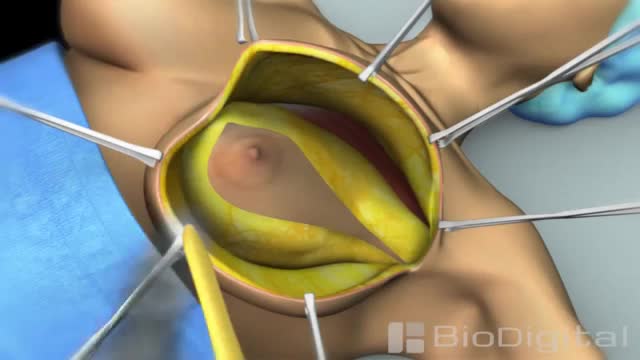
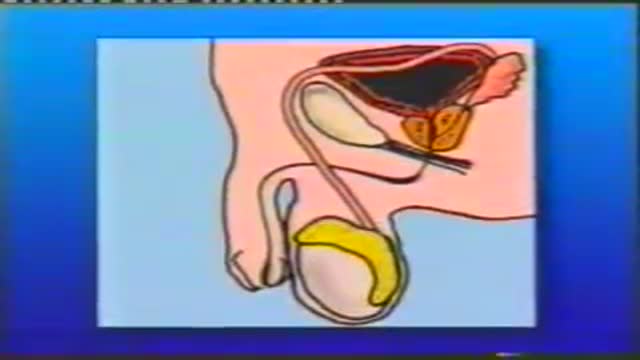
Cancer begins when abnormal cells grow out of control and can invade nearby tissue or spread to other parts of the body. This hub gathers our clearest videos on how cancers are found — examinations, scans, biopsies and endoscopy — and how they are treated, including surgery, in one place.
Watch: cancer videos


Read: the plain-language guide
What Is Melanoma (Skin Cancer)? One of our cancer guides: how melanoma is spotted, checked and treated. Read the article →Free health calculators
Medical Calculators — eGFR, BMI, ACR and more Free tools for kidney function, body mass index, pregnancy dates and nursing practice. Open the calculator →Frequently asked questions
What is cancer, in simple terms?
Cancer is a group of diseases in which abnormal cells divide without control. Unlike normal cells, they can invade surrounding tissue and sometimes spread through the blood or lymph system to distant parts of the body.
Does every lump or tumour mean cancer?
No. Many growths are benign — they do not invade tissue or spread. Because some are not, new or changing lumps are usually checked, sometimes with imaging or a biopsy, so the cause is known rather than guessed.
How is cancer diagnosed?
Diagnosis usually combines examination, imaging (such as ultrasound, CT or MRI), blood tests and, most definitively, a biopsy — examining a small tissue sample under a microscope to identify the exact type.
Can cancer be treated?
Many cancers can be treated, and outcomes are generally better the earlier a cancer is found. Treatment depends on the type and stage and may include surgery, radiotherapy, chemotherapy, hormonal or targeted medicines — often in combination.
Related topics on MedicalVideos.com
This page is for general education only and is not medical advice. If you have symptoms or concerns about a possible cancer, see a doctor promptly — early assessment gives the most options.