
- Physical Examination
- Surgical Examination
- Ophthalmology
- Clinical Skills
- Orthopedics
- Surgery Videos
- Laparoscopy
- Pediatrics
- Funny Videos
- Cardiothoracic Surgery
- Nursing Videos
- Plastic Surgery
- Otorhinolaryngology
- Histology and Histopathology
- Neurosurgery
- Dermatology
- Pediatric Surgery
- Urology
- Dentistry
- Oncology and Cancers
- Anatomy Videos
- Health and Fitness
- Radiology
- Anaesthesia
- Physical Therapy
- Pharmacology
- Interventional Radiology
- Cardiology
- Endocrinology
- Gynecology
- Emergency Medicine
- Psychiatry and Psychology
- Childbirth Videos
- General Medical Videos
- Nephrology
- Physiology
- Diet and Food Health
- Diabetes Mellitus
- Neurology
- Women Health
- Osteoporosis
- Gastroenterology
- Pulmonology
- Hematology
- Rheumatology
- Toxicology
- Nuclear Medicine
- Infectious Diseases
- Vascular Disease
- Reproductive Health
- Burns and Wound Healing
- Kidney Zone Podcast
- Other
Transplantation — Organ Transplant Surgery & Care Videos
Transplantation replaces a failing organ with a healthy one from a deceased or living donor. This hub gathers our transplant surgery videos — kidney, liver, heart, cornea and bone marrow — with a plain-language guide to how transplants work and the lifelong care that follows them.
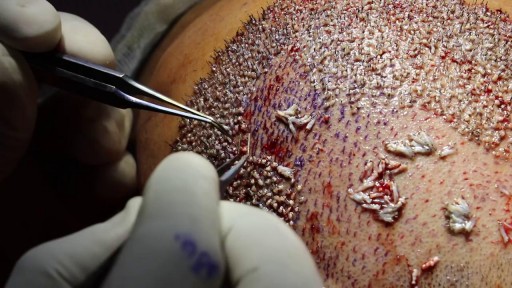
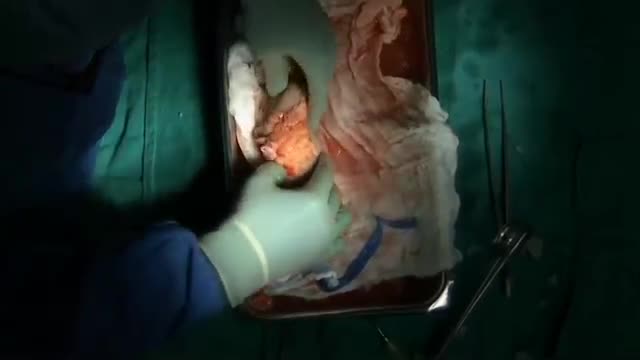
Watch: transplant videos



Read: the plain-language guide
What Is a Kidney Transplant? Who a kidney transplant is for, how the operation works, and life with a transplanted kidney. Read the article →Listen: Kidney Zone Podcast
Kidney Zone Podcast — transplant & dialysis episodes Dr. Mo's patient-education podcast covers life on dialysis, transplant journeys and kidney care in plain language. Browse the podcast episodes →Free kidney calculators
eGFR Calculator — Kidney Function Estimate kidney function (eGFR) — the number transplant and kidney teams follow closely. Open the calculator →Frequently asked questions
Which organs can be transplanted?
Kidneys, liver, heart, lungs, pancreas and corneas are the most common transplants; bone marrow (stem cell) transplants treat many blood diseases. Kidneys are by far the most frequently transplanted organ.
What is organ rejection?
Rejection is the immune system attacking the transplanted organ because it recognises it as foreign. It is managed — and often prevented — with anti-rejection medicines and close monitoring, including blood tests and sometimes biopsies.
Do transplant patients take medicines for life?
In most cases, yes: immunosuppressant medicines are taken for as long as the transplant works, to stop rejection. Doses are adjusted over time and balanced against infection risk by the transplant team.
Who can be a living donor?
Living donors — most often for kidney and partial liver donation — are carefully assessed adults whose health allows donation and whose blood and tissue types are compatible. The assessment protects the donor as much as the recipient.
Related topics on MedicalVideos.com
This page is for general education only and is not medical advice. If you have symptoms or concerns about organ failure or transplantation, see a doctor promptly — early assessment gives the most options. Transplant decisions are made by specialist teams after detailed assessment.