
- Physical Examination
- Surgical Examination
- Ophthalmology
- Clinical Skills
- Orthopedics
- Surgery Videos
- Laparoscopy
- Pediatrics
- Funny Videos
- Cardiothoracic Surgery
- Nursing Videos
- Plastic Surgery
- Otorhinolaryngology
- Histology and Histopathology
- Neurosurgery
- Dermatology
- Pediatric Surgery
- Urology
- Dentistry
- Oncology and Cancers
- Anatomy Videos
- Health and Fitness
- Radiology
- Anaesthesia
- Physical Therapy
- Pharmacology
- Interventional Radiology
- Cardiology
- Endocrinology
- Gynecology
- Emergency Medicine
- Psychiatry and Psychology
- Childbirth Videos
- General Medical Videos
- Nephrology
- Physiology
- Diet and Food Health
- Diabetes Mellitus
- Neurology
- Women Health
- Osteoporosis
- Gastroenterology
- Pulmonology
- Hematology
- Rheumatology
- Toxicology
- Nuclear Medicine
- Infectious Diseases
- Vascular Disease
- Reproductive Health
- Burns and Wound Healing
- Kidney Zone Podcast
- Other
Obesity — Causes, Effects & Treatment Videos
Obesity is a long-term condition in which excess body fat harms health, raising the risk of diabetes, heart disease, joint problems and more. This hub collects our videos on causes, health effects and treatments — from lifestyle programmes to bariatric (weight-loss) surgery — with a guide and the BMI calculator.
Watch: obesity and weight-loss surgery videos
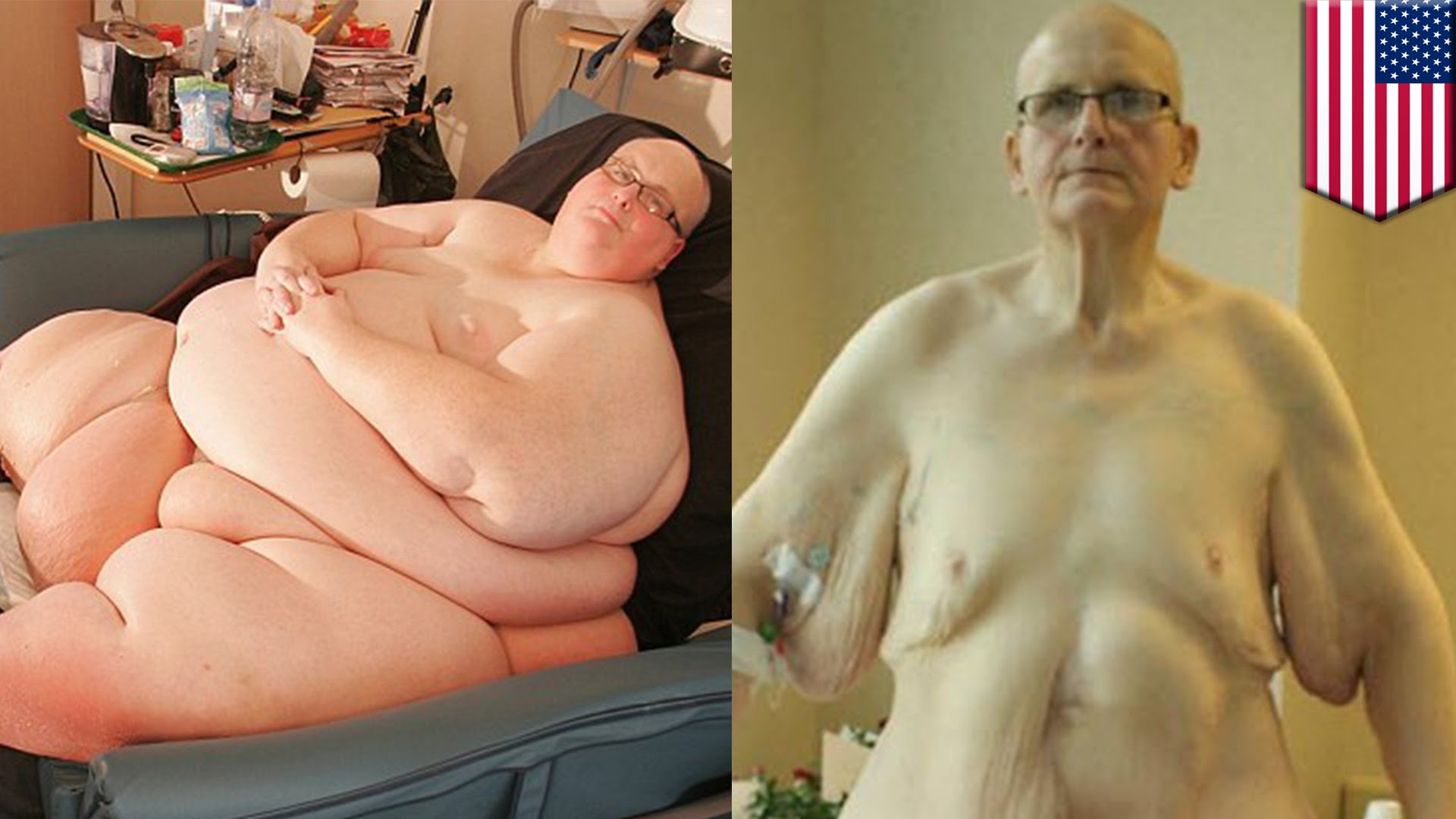 The World's fattest man slims down: the obesity, weight loss and body issues compilation
44,939 views
 Nissen Fundoplication in an Obese patient with Hiatal Hernia and GERD
0 views
 USMLE Step 2 CS - Obesity
0 views
 Obesity and Diebetes
0 views
 Overcoming Obesity
0 views
 Emergency C-Section Misgav Ladach in an obese mother
0 views
Read: the plain-language guide
What Is Gastric Bypass Surgery? How the operation works, who it is offered to, and what life is like afterwards. Read the article →Free BMI calculator
BMI Calculator — Body Mass Index Work out your BMI from height and weight — the standard first measure used in weight assessment. Open the calculator →Frequently asked questions
How is obesity measured?
The standard first measure is body mass index (BMI): weight in kilograms divided by height in metres squared. A BMI of 30 or above is classed as obesity. Waist measurement and overall health are considered too, since BMI does not show where fat is carried.
What health problems is obesity linked to?
Obesity raises the risk of type 2 diabetes, high blood pressure, heart disease and stroke, fatty liver, sleep apnoea, several cancers, and wear-and-tear joint damage — which is why it is treated as a medical condition, not a cosmetic one.
What treatments are available?
Treatment is usually stepped: structured lifestyle support first, sometimes prescription weight-management medicines, and — for severe obesity or when other measures are not enough — bariatric surgery such as gastric bypass or sleeve gastrectomy.
Is weight-loss surgery a first step?
No. Bariatric surgery is major surgery with lifelong follow-up, so it is generally considered after other approaches, for people whose weight is seriously affecting health. Suitability is assessed by a specialist team.
Related topics on MedicalVideos.com
This page is for general education only and is not medical advice. If you have symptoms or concerns about your weight and health, see a doctor promptly — early assessment gives the most options.