
- Physical Examination
- Surgical Examination
- Ophthalmology
- Clinical Skills
- Orthopedics
- Surgery Videos
- Laparoscopy
- Pediatrics
- Funny Videos
- Cardiothoracic Surgery
- Nursing Videos
- Plastic Surgery
- Otorhinolaryngology
- Histology and Histopathology
- Neurosurgery
- Dermatology
- Pediatric Surgery
- Urology
- Dentistry
- Oncology and Cancers
- Anatomy Videos
- Health and Fitness
- Radiology
- Anaesthesia
- Physical Therapy
- Pharmacology
- Interventional Radiology
- Cardiology
- Endocrinology
- Gynecology
- Emergency Medicine
- Psychiatry and Psychology
- Childbirth Videos
- General Medical Videos
- Nephrology
- Physiology
- Diet and Food Health
- Diabetes Mellitus
- Neurology
- Women Health
- Osteoporosis
- Gastroenterology
- Pulmonology
- Hematology
- Rheumatology
- Toxicology
- Nuclear Medicine
- Infectious Diseases
- Vascular Disease
- Reproductive Health
- Burns and Wound Healing
- Kidney Zone Podcast
- Other
Surgery Videos
Surgery videos: watch real operations step by step — general, laparoscopic and specialist surgery performed in the OR, explained for students and surgeons. Free.
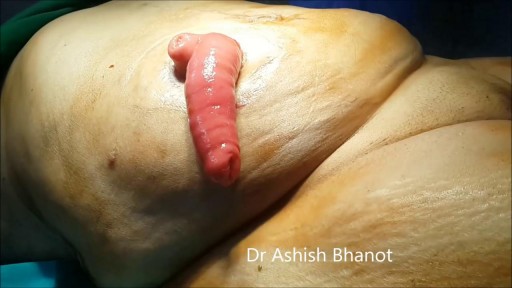

Closure of a loop ileostomy is a relatively simple procedure although many studies have demonstrated high morbidity rates following it. Methods to reduce the number of complications, such as timing of closure or different surgical closure techniques, are investigated. The aim of this study was to evaluate the experience of the Abdominal Surgery Center at Vilnius University Hospital (VUH) ‘Santariskiu klinikos’ to review the complications after closure of loop ileostomy and to identify potential risk factors for postoperative complications.
The future of Medicine - Il futuro della medicina - Die Zukunft der Medizin: High Tech, Robots, VR ⚡️Anatomia Biomeccanica Fisiologia by Ticinosthetics: tutto gira attorno alla palestra ©️2017 - www.ticinostheticsgs.com
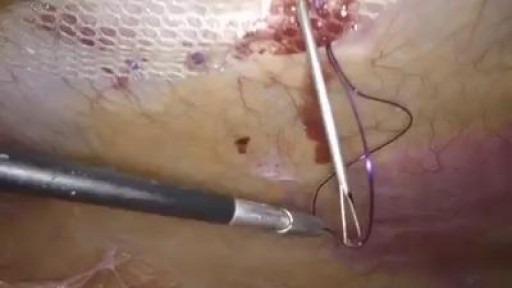
Laparoscopic postoperative ventral hernial (POVT) repair Laparoscopic surgery, also called minimally invasive surgery (MIS), bandaid surgery,
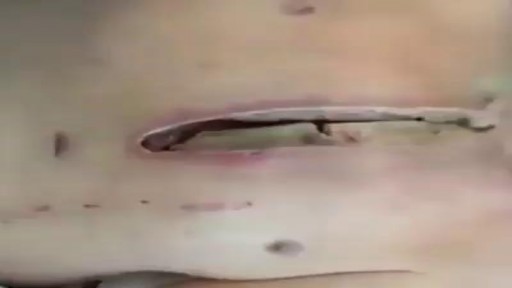
Osteomyelitis of sternum after open heart surgery
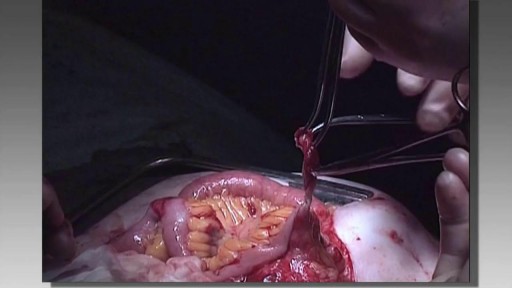
Totally Stapled Bowel Resection and Anastomosis
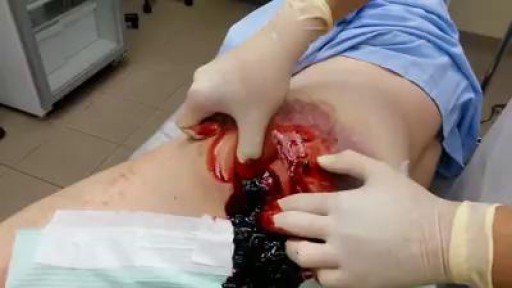
A hematoma is a collection of blood outside of a blood vessel Some causes of hematomas are as pelvic bone fractures, fingernail injuries (subungual), bumps, passing blood clots, blood clot in the leg (DVT), blood cancers, and excessive alcohol use.
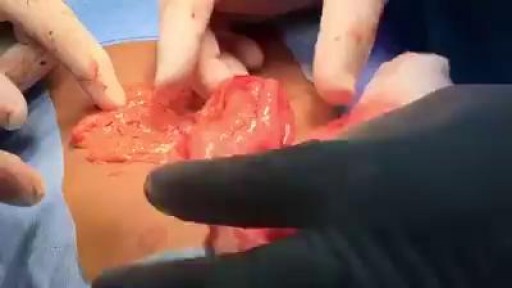
Hairs in Stomach.
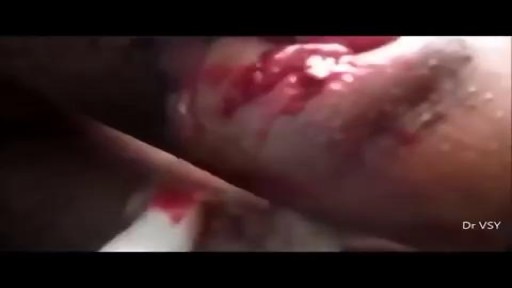
An abscess is a tender mass generally surrounded by a colored area from pink to deep red. Abscesses are often easy to feel by touching. The middle of an abscess is full of pus and debris. Painful and warm to touch, abscesses can show up any place on your body. The most common sites are in your armpits (axillae), areas around your anus and vagina(Bartholin gland abscess), the base of your spine (pilonidal abscess), around a tooth (dental abscess), and in your groin. Inflammation around a hair follicle can also lead to the formation of an abscess, which is called a boil (furuncle).
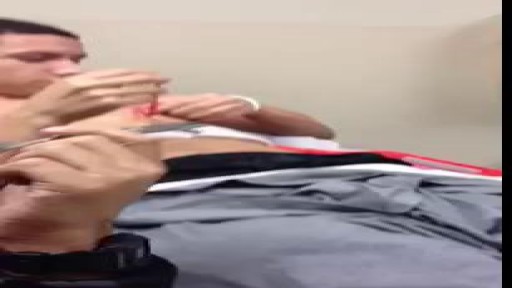
A foot of gauze out of nipple abscess
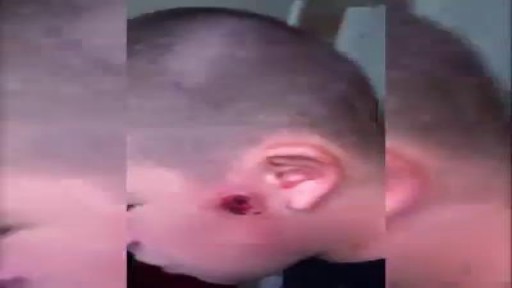
This surgical video shows a long gauze packing being removed from a patient's face after a procedure. Gauze packing is used to protect a surgical site while it heals, and the recording documents its removal in a clinical setting. Packing removal is a routine part of post-operative wound care.
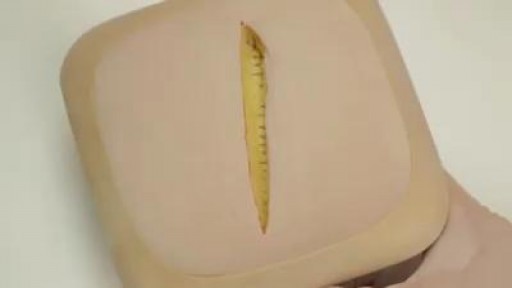
Open appendectomy (simulated)
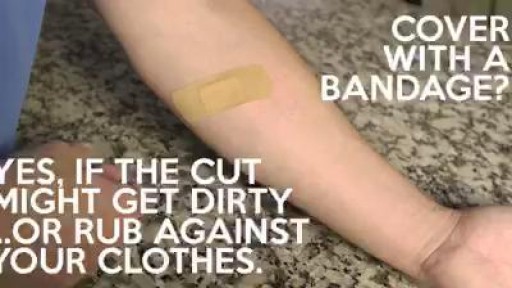
Most minor cuts can be treated at home -- but do you know when you should see a doctor?
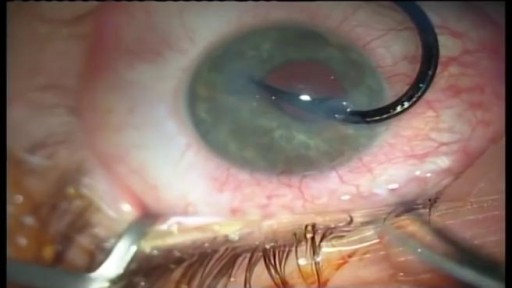
Watch that Fishing Hook Inside Eye Removal Surgery
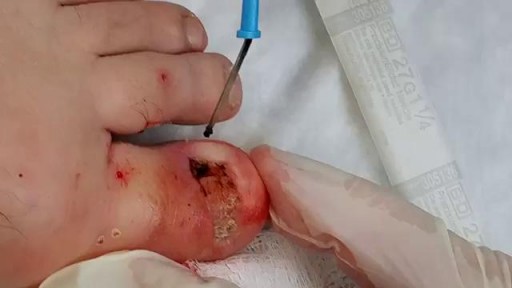
Given the common presentation of onychodystrophy, physicians should have a firm grasp of common presentations of conditions like onychomycosis, trachyonychia and psoriasis. Accordingly, this author reviews keys to effective diagnosis and pertinent treatment considerations. Nail cosmesis and discomfort are the main motivators for most of our patients to schedule a podiatric consultation. During that patient visit, it is important for the podiatric practitioner to delve into the cause of the problematic nail change, known as onychodystrophy. Onychodystrophy, which is any alteration of nail morphology, encompasses a wide spectrum of nail disorders. Caused by either exogenous or endogenous factors, nail dystrophy may manifest as a misshapen, damaged, infected or discolored nail unit that may affect the toenails, fingernails or both.
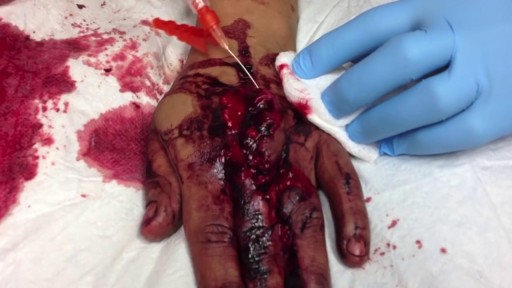
Skin laceration repair is an important skill in family medicine. Sutures, tissue adhesives, staples, and skin-closure tapes are options in the outpatient setting. Physicians should be familiar with various suturing techniques, including simple, running, and half-buried mattress (corner) sutures. Although suturing is the preferred method for laceration repair, tissue adhesives are similar in patient satisfaction, infection rates, and scarring risk in low skin-tension areas and may be more cost-effective. The tissue adhesive hair apposition technique also is effective in repairing scalp lacerations. The sting of local anesthesia injections can be lessened by using smaller gauge needles, administering the injection slowly, and warming or buffering the solution. Studies have shown that tap water is safe to use for irrigation, that white petrolatum ointment is as effective as antibiotic ointment in postprocedure care, and that wetting the wound as early as 12 hours after repair does not increase the risk of infection. Patient education and appropriate procedural coding are important after the repair.
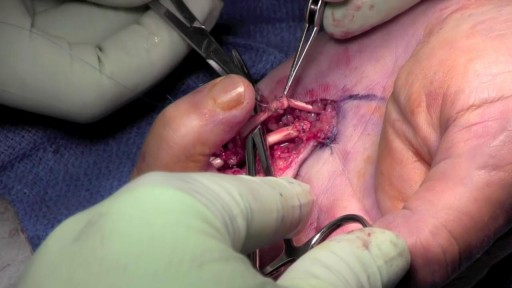
Flexor Tendon Repair
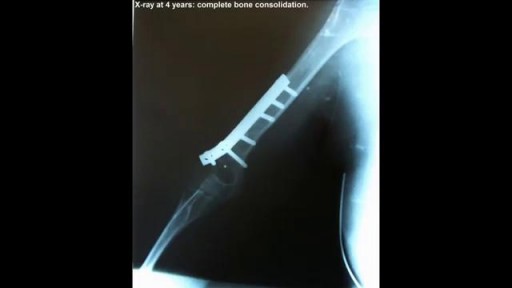
A case of replantation of a completely amputated arm
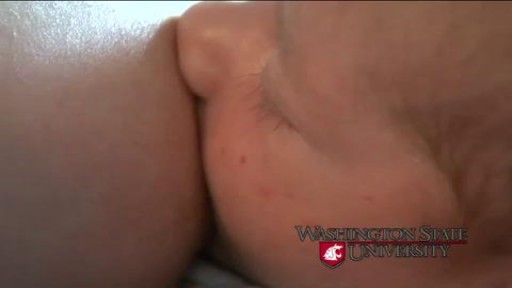
Mastitis is an infection of the breast tissue that results in breast pain, swelling, warmth and redness. You also might have fever and chills. Mastitis most commonly affects women who are breast-feeding (lactation mastitis), although sometimes this condition can occur in women who aren't breast-feeding. In most cases, lactation mastitis occurs within the first six to 12 weeks after giving birth (postpartum), but it can happen later during breast-feeding. The condition can cause you to feel run down, making it difficult to care for your baby. Sometimes mastitis leads a mother to wean her baby before she intends to, but continuing to breast-feed, even while taking an antibiotic for the mastitis, is better for you and your baby.
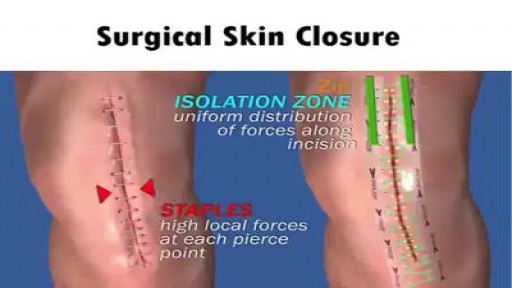
Surgical Skin Closure Procedures
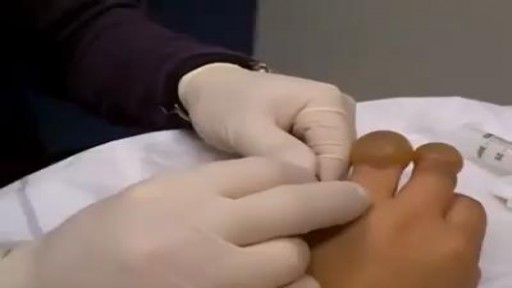
Frostbite is an injury caused by freezing of the skin and underlying tissues. First your skin becomes very cold and red, then numb, hard and pale. Frostbite is most common on the fingers, toes, nose, ears, cheeks and chin. Exposed skin in cold, windy weather is most vulnerable to frostbite. But frostbite can occur on skin covered by gloves or other clothing. Frostnip, the first stage of frostbite, doesn't cause permanent skin damage. You can treat very mild frostbite with first-aid measures, including rewarming your skin. All other frostbite requires medical attention because it can damage skin, tissues, muscle and bones. Possible complications of severe frostbite include infection and nerve damage.
Medical Videos
Free medical and surgery videos for patients, students and professionals — trusted since 2007.
Founded by Dr. Mohamed Ibrahim, MD, PhD — physician-scientist.
Follow us on Facebook · Instagram