
- Physical Examination
- Surgical Examination
- Ophthalmology
- Clinical Skills
- Orthopedics
- Surgery Videos
- Laparoscopy
- Pediatrics
- Funny Videos
- Cardiothoracic Surgery
- Nursing Videos
- Plastic Surgery
- Otorhinolaryngology
- Histology and Histopathology
- Neurosurgery
- Dermatology
- Pediatric Surgery
- Urology
- Dentistry
- Oncology and Cancers
- Anatomy Videos
- Health and Fitness
- Radiology
- Anaesthesia
- Physical Therapy
- Pharmacology
- Interventional Radiology
- Cardiology
- Endocrinology
- Gynecology
- Emergency Medicine
- Psychiatry and Psychology
- Childbirth Videos
- General Medical Videos
- Nephrology
- Physiology
- Diet and Food Health
- Diabetes Mellitus
- Neurology
- Women Health
- Osteoporosis
- Gastroenterology
- Pulmonology
- Hematology
- Rheumatology
- Toxicology
- Nuclear Medicine
- Infectious Diseases
- Vascular Disease
- Reproductive Health
- Burns and Wound Healing
- Other
Surgery Videos
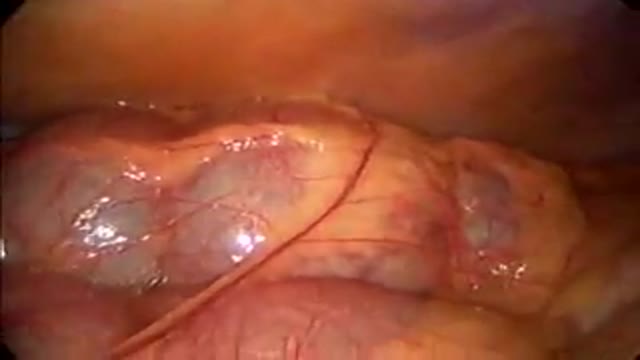

A video of appendectomy surgery performed by the laparoscope

This is the biggest known operation ever.The Whipple procedure(pancreatoduodenectomy) is the most common operation performed for pancreatic cancer and may be used to treat other cancers such as small bowel cancer. Surgeons remove the head of the pancreas, most of the duodenum (a part of the small intestine), a portion of the bile duct and sometimes a portion of the stomach. After the pancreatoduodenectomy, the surgeon reconstructs the digestive tract. At Mayo Clinic, surgeons perform more than 100 Whipple procedures annually. Patients leave the hospital in an average of 14 days.
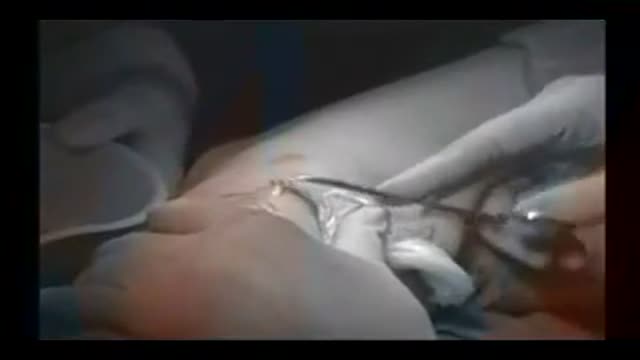
varicose vein surgery stab and avulsion technique
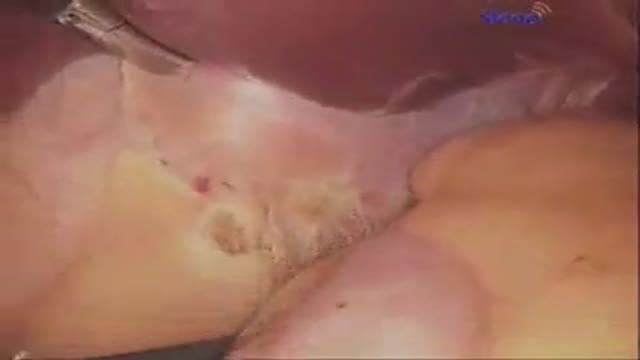
Dr. Jawad has been performing Bariatric Surgery in Central Florida since 1984, and Laparoscopic Bariatric Surgery since 1999, having completed over 2000 Bariatric Surgical Cases safely, and with great success. Here you can watch Dr. Jawad performing a Laparoscopic Adjustable Gastric Band procedure, with audio commentary describing the procedure.
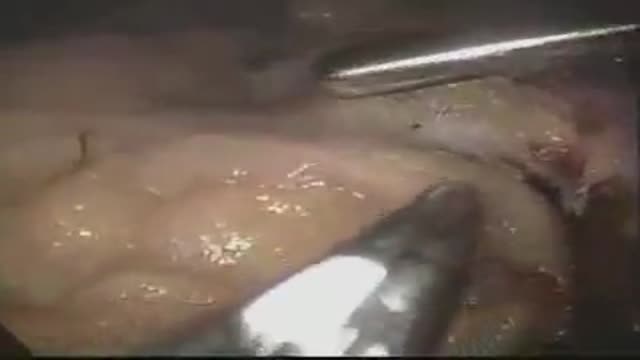
Dr. Jawad has been performing Bariatric Surgery in Central Florida since 1984, and Laparoscopic Bariatric Surgery since 1999, having completed over 2000 Bariatric Surgical Cases safely, and with great success. Here you can watch Dr. Jawad performing a Laparoscopic Roux-En-Y Gastric Bypass surgery, with audio commentary describing the procedure.
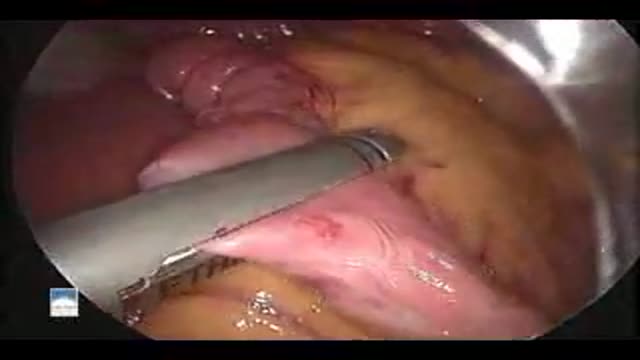
Laparoscopic Roux-en-Y Gastric Bypass with Hand-Sutured Anastomosis. Dr. Dennis Smith, Advanced Obesity Surgery, Marietta, GA

Roux-en-Y Gastric Bypass Surgery
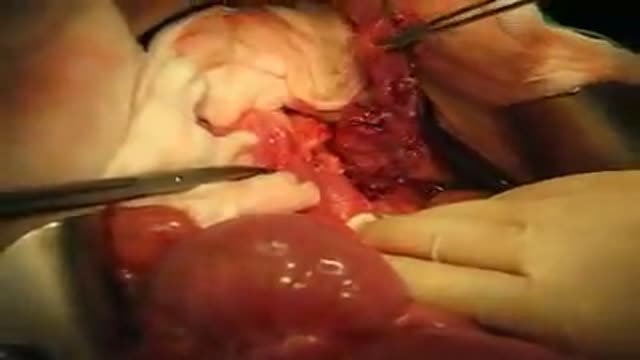
Surgery during a Pancreatectomy. One can see the pancreas half extracted. This is Experimental Surgery, taken during a Pancreas transplantation
Robotic Simple Prostatectomy
Robotic-assisted prostatectomy
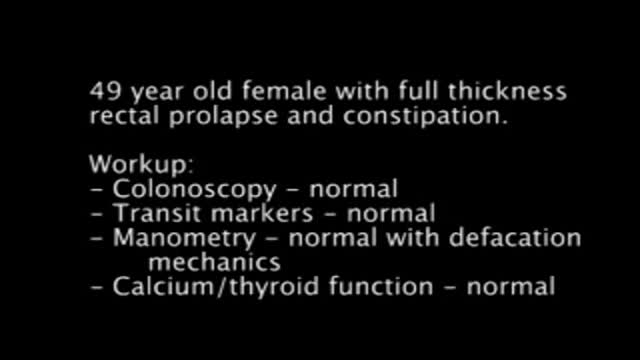
Hand assisted laparoscopic sigmoid resection and rectopexy for full thickness rectal prolapse.
Laparoscopic Colon Resection video

Short video of tension free repair of indirect inguinal hernia using a prolene mesh after herniotomy
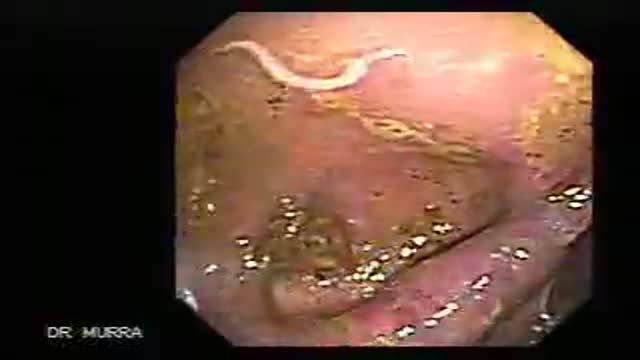
This is a endoscopic video of a worm in the gut/small intestine
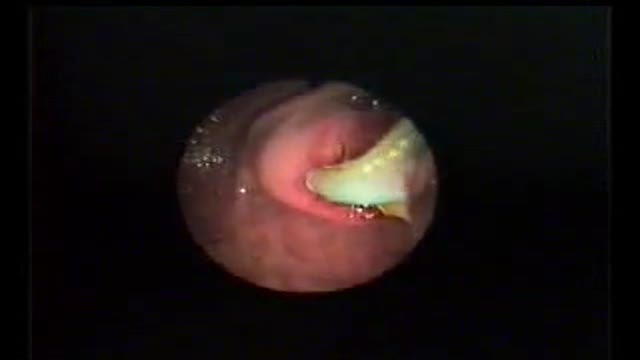
A 30 YEAR WOMEN WITH INTRACTABLE BILIARY COLIC
CASE REPORT: This 30 year women developed severe pain right upper quadrant for last 10 days. She sought many consultations and was given intravenous analgesics both (nonnarcortic and narcotic). Pain did not subside and she sought my consultation. Examination revealed her to be in agony with severe upper abdominal pain. General physical examination was otherwise unremarkable. Abdominal examination revealed mild tenderness in right hypochondrium with doubtful Murphy's sign. Urgent abdominal ultrasound showed a linear structure in bile ducts making slow writhing movements. The structure had an anechoic tube (alimentary canal) inside suggestive of a large Ascarid. Urgent ERCP was performed and bile duct and pancreatic duct cannulated selectively. Pancreatic duct was normal. Bile ducts contained a long linear filling defect extending from lower end of common bile duct to right intrahepatic duct (see image gallery for ERCP plate). A basket was introduced in the duct (see video clip) and the linear structure was engaged with soft closure and extracted out of the bile duct. Accompanying the basket was a 25 cm thick highly motile Ascarid. To recover the worm, endoscope was withdrawn along with the basket and the friendly catch. While the endoscope was being withdrawn and the basket was in the duodenum with the worm out of bile duct, patient indicated of relief of abdominal pain. A relook cholangiogram showed no more structures in the duct. She was given antihelmintic therapy and passed hundreds of worms with the feces. The worms recovered form stools were both male and female population and varied in length and size. However the lone worm recovered form bile ducts was the longest and the thickest male worm. The phenomenal behavior of this ubiquitous infection remains unexplained.
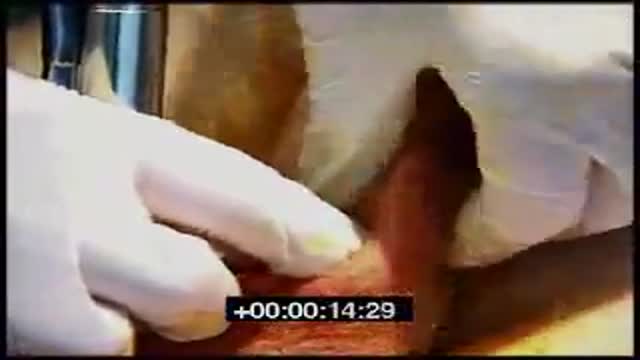
No-scalpel,no-needle vasectomy procedure performed by Dr. Neil Pollock M.D., Vancouver BC Canada.
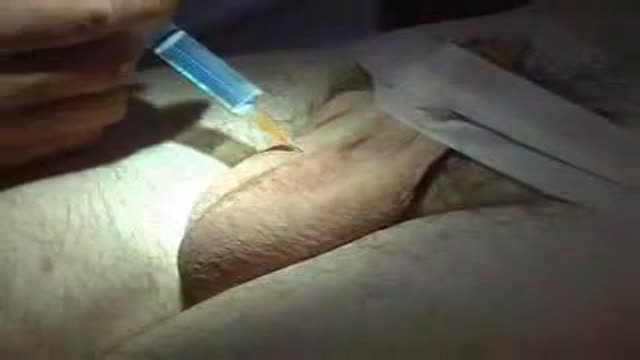
The operation of vasectomy
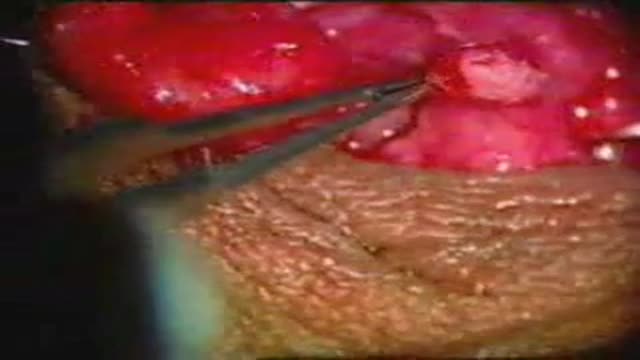
The operation for reversal of vasectomy
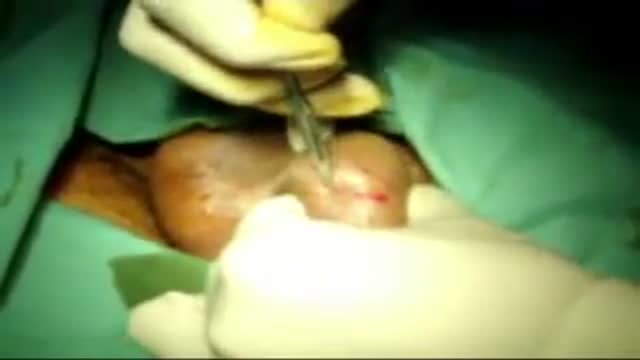
open multi puncture testicular biopsy to retrieve sperm for ICSI (IntaCytoplasmic Sperm Injection)
The In-Line vasectomy is a minimally invasive, all cautery procudure. The ILV instruments were standardized by measurement and design to perform specific functions within a 4mm space.The procedure is rapid and reliable.
