
- Physical Examination
- Surgical Examination
- Ophthalmology
- Clinical Skills
- Orthopedics
- Surgery Videos
- Laparoscopy
- Pediatrics
- Funny Videos
- Cardiothoracic Surgery
- Nursing Videos
- Plastic Surgery
- Otorhinolaryngology
- Histology and Histopathology
- Neurosurgery
- Dermatology
- Pediatric Surgery
- Urology
- Dentistry
- Oncology and Cancers
- Anatomy Videos
- Health and Fitness
- Radiology
- Anaesthesia
- Physical Therapy
- Pharmacology
- Interventional Radiology
- Cardiology
- Endocrinology
- Gynecology
- Emergency Medicine
- Psychiatry and Psychology
- Childbirth Videos
- General Medical Videos
- Nephrology
- Physiology
- Diet and Food Health
- Diabetes Mellitus
- Neurology
- Women Health
- Osteoporosis
- Gastroenterology
- Pulmonology
- Hematology
- Rheumatology
- Toxicology
- Nuclear Medicine
- Infectious Diseases
- Vascular Disease
- Reproductive Health
- Burns and Wound Healing
- Other
Anaesthesia
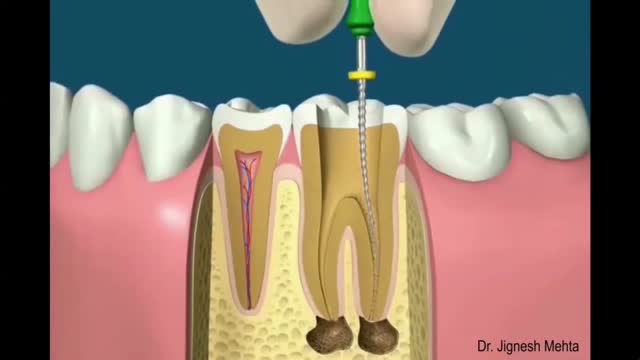

“Endo” is the Greek word for “inside” and “odont” is Greek for “tooth.” Endodontic treatment treats the inside of the tooth. Root canal treatment is one type of endodontic treatment. To understand endodontic treatment, it helps to know something about the anatomy of the tooth. Inside the tooth, under the white enamel and a hard layer called the dentin, is a soft tissue called the pulp. The pulp contains blood vessels, nerves, and connective tissue and creates the surrounding hard tissues of the tooth during development.
Procedures Requiring General Anaesthesia
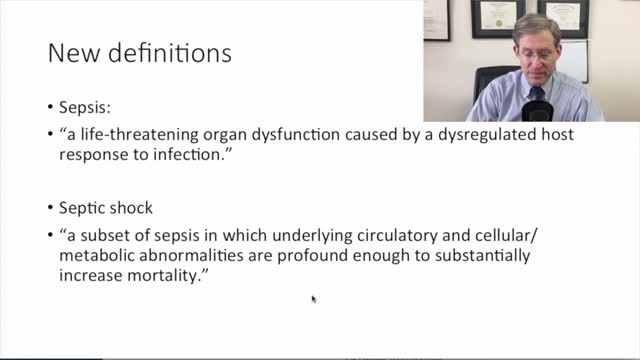
new sepsis definitions
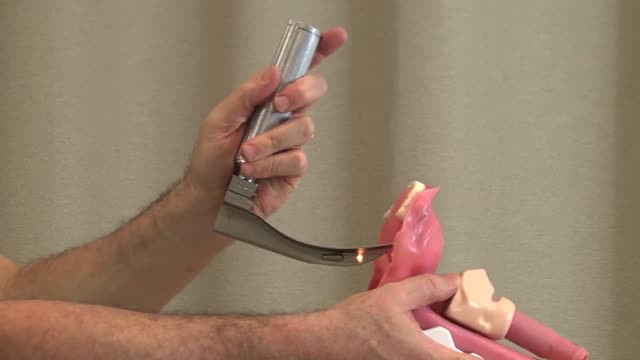
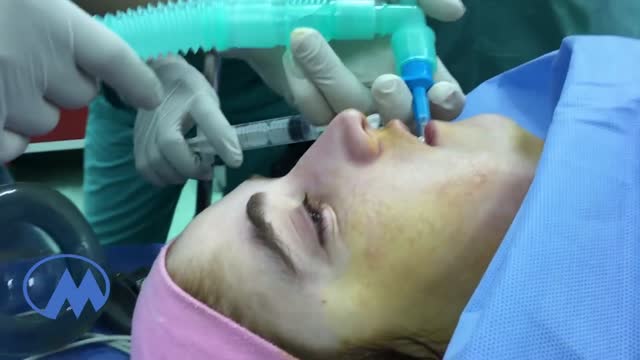
Direct Laryngoscopy: MICU Fellows Airway Course
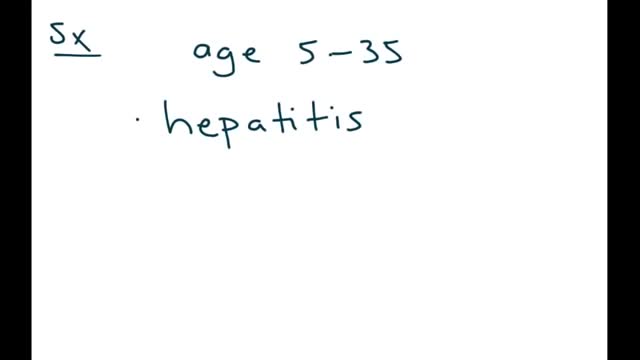
Wilson's disease is a rare inherited disorder that causes too much copper to accumulate in your liver, brain and other vital organs. Symptoms typically begin between the ages of 12 and 23. Copper plays a key role in the development of healthy nerves, bones, collagen and the skin pigment melanin. Normally, copper is absorbed from your food, and any excess is excreted through bile — a substance produced in your liver.

Major signs and symptoms include enlargement of the liver and spleen (hepatosplenomegaly), a low number of red blood cells (anemia), easy bruising caused by a decrease in blood platelets (thrombocytopenia), lung disease, and bone abnormalities such as bone pain, fractures, and arthritis.

Your body is a brilliant machine with many important parts. Watch movies to learn more

If levels of both vitamins are extremely high, there is more than a 17-fold greater risk that a child will develop autism, the researchers said. Most of the women in the study said they took multivitamins — which would include folic acid and vitamin B12 — throughout their pregnancy.

A central venous catheter (CVC), also known as a central line, central venous line, or central venous access catheter, is a catheter placed into a large vein. Catheters can be placed in veins in the neck (internal jugular vein), chest (subclavian vein or axillary vein), groin (femoral vein), or through veins in the arms (also known as a PICC line, or peripherally inserted central catheters). It is used to administer medication or fluids that are unable to be taken by mouth or would harm a smaller peripheral vein, obtain blood tests (specifically the "central venous oxygen saturation"), and measure central venous pressure.
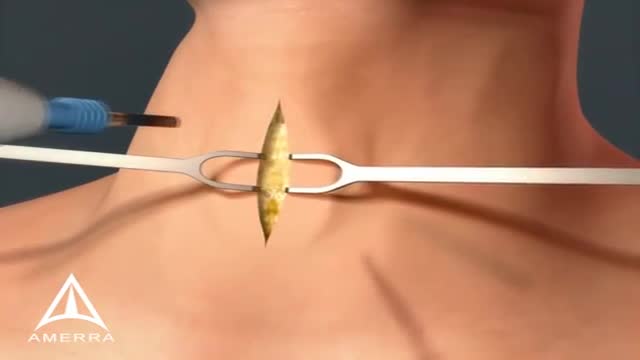
A tracheotomy or a tracheostomy: is simply an opening surgically created through the neck into the trachea (windpipe) to allow direct access to the breathing tube and is commonly done in an operating room under general anesthesia. A tube is usually placed through this opening to provide an airway and to remove secretions from the lungs. Breathing is done through the tracheostomy tube rather than through the nose and mouth. The term “tracheotomy” refers to the incision into the trachea (windpipe) that forms a temporary or permanent opening, which is called a “tracheostomy,” however; the terms are sometimes used interchangeably.

Keep tabs on your blood pressure. If it's too high, your risk of a heart attack and heart disease goes up. Stress management, a healthy diet, and regular exercise can help you manage your blood pressure. Your doctor may also prescribe medications to lower your levels.
If a patient comes to you with a painful, throbbing, swollen, red face (a ''fat face'), perhaps with fever, trismus and lymphadenitis, he is probably suffering from an acute dental or oral infection, most probably an alveolar abscess. He may have: (1) An alveolar abscess begins as an infection in the bone around a non-vital infected tooth. He has severe pain, which becomes less as pus is released into more superficial tissues and his face starts to swell. After 36 hours of cellulitis he usually has a fluctuant abscess which needs draining. If drainage is delayed, the pus in his abscess discharges spontaneously through a sinus (26-8) in his gum or face, which may become chronic. First, control infection with antibiotics, and then drain the abscess, either by incising it where it is pointing, or by removing the infected tooth, which acts as a cork to prevent the pus escaping, or by doing both these things. If you remove a tooth before you have controlled the infection with antibiotics, and while his face is still severely swollen, you may spread the infection; your task will also be more difficult. (2) A periodontal abscess at the side of a tooth, caused by spread from an infected gum. (3) A pericoronal abscess caused by infection of the gum over the crown of an unerupted and impacted tooth, usually a lower third molar (''an infected wisdom tooth'). Often, an abscess does not form, and the gum round the tooth is merely inflamed.
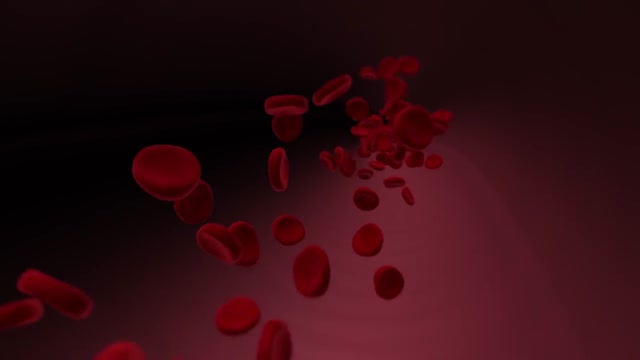
Angina is a term used for chest pain caused by reduced blood flow to the heart muscle. Angina (an-JIE-nuh or AN-juh-nuh) is a symptom of coronary artery disease. Angina is typically described as squeezing, pressure, heaviness, tightness or pain in your chest. Angina, also called angina pectoris, can be a recurring problem or a sudden, acute health concern. Angina is relatively common but can be hard to distinguish from other types of chest pain, such as the pain or discomfort of indigestion. If you have unexplained chest pain, seek medical attention right away.
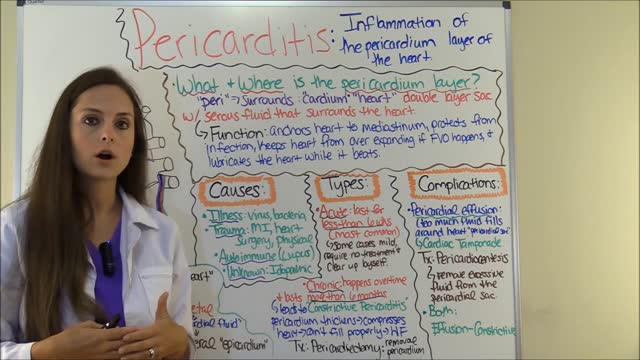
Pericarditis is an inflammation of the lining surrounding the heart (the pericardial sac). Pericardial effusion is a collection of fluid in the pericardial sac. This fluid may be produced by inflammation. The cause of pericarditis in most individuals is unknown but is likely due to viral infection.

Slicosis is caused by inhalation of unbound (free) crystalline silica dust and is characterized by nodular pulmonary fibrosis. Chronic silicosis initially causes no symptoms or only mild dyspnea but over years can advance to involve most of the lung and cause dyspnea, hypoxemia, pulmonary hypertension, and respiratory impairment. Diagnosis is based on history and chest x-ray findings. No effective treatment exists except supportive care and, for severe cases, lung transplantation.

People with panic disorder have sudden and repeated attacks of fear that last for several minutes or longer. These are called panic attacks. Panic attacks are characterized by a fear of disaster or of losing control even when there is no real danger. A person may also have a strong physical reaction during a panic attack. It may feel like having a heart attack. Panic attacks can occur at any time, and many people with panic disorder worry about and dread the possibility of having another attack.

Breath sounds can be either normal or abnormal. These sounds come from the lungs when you breathe in or out. These sounds can be heard using a stethoscope or simply when breathing. Abnormal breath sounds can indicate a lung problem, such as: an obstruction inflammation an infection fluid in the lungs asthma Listening to breath sounds is an important part of diagnosing many different medical conditions.

Shaking violently in a hospital crib, two tiny legs twitch and shudder uncontrollably. Wailing, muscle clenching and gasping for breath accompany the disturbing fit-like seizure. But, what makes the image all the more heartbreaking, is the newborn baby's diagnosis. Despite being just weeks old, the tiny baby is suffering the effects of drug withdrawal, having been born addicted to opioids. Every 19 minutes a child in the US is born with an opioid addiction - a devastating affliction inherited from their drug-addict mothers. While for most newborns the first precious weeks of life are full of love, care and adoration, for babies born addicted to drugs their first weeks are long, agonizing and distressing as they battle neonatal abstinence syndrome.
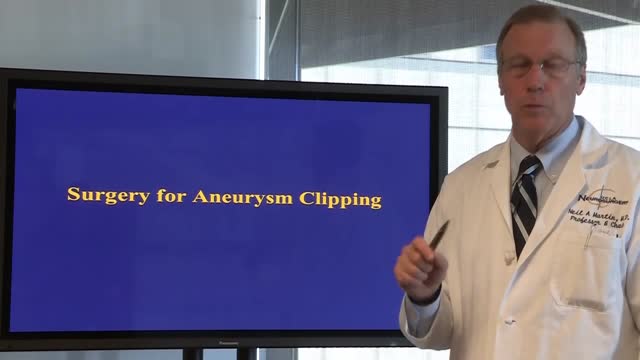
Unruptured Aneurysms: When and How to Treat
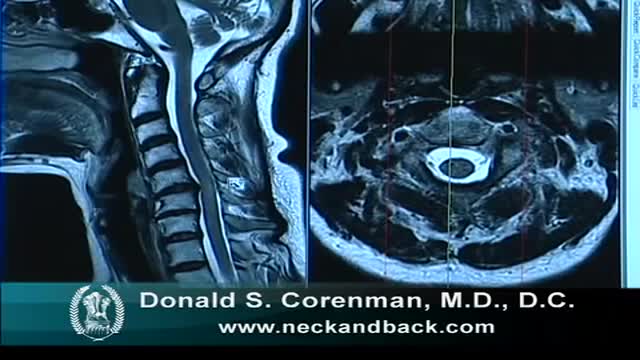
Cervical Stenosis Cervical Spinal Stenosis Video Spinal stenosis pain in the neck is called cervical spinal stenosis. This condition means that there is potential compression of the spinal cord. Unfortunately, the spinal cord compression can lead to serious problems such as extreme weakness, or even paralysis. With cervical stenosis, anyone who develops signs of spinal cord compression (myelopathy) may need more invasive treatment, such as surgery.
