
- Physical Examination
- Surgical Examination
- Ophthalmology
- Clinical Skills
- Orthopedics
- Surgery Videos
- Laparoscopy
- Pediatrics
- Funny Videos
- Cardiothoracic Surgery
- Nursing Videos
- Plastic Surgery
- Otorhinolaryngology
- Histology and Histopathology
- Neurosurgery
- Dermatology
- Pediatric Surgery
- Urology
- Dentistry
- Oncology and Cancers
- Anatomy Videos
- Health and Fitness
- Radiology
- Anaesthesia
- Physical Therapy
- Pharmacology
- Interventional Radiology
- Cardiology
- Endocrinology
- Gynecology
- Emergency Medicine
- Psychiatry and Psychology
- Childbirth Videos
- General Medical Videos
- Nephrology
- Physiology
- Diet and Food Health
- Diabetes Mellitus
- Neurology
- Women Health
- Osteoporosis
- Gastroenterology
- Pulmonology
- Hematology
- Rheumatology
- Toxicology
- Nuclear Medicine
- Infectious Diseases
- Vascular Disease
- Reproductive Health
- Burns and Wound Healing
- Kidney Zone Podcast
- Other
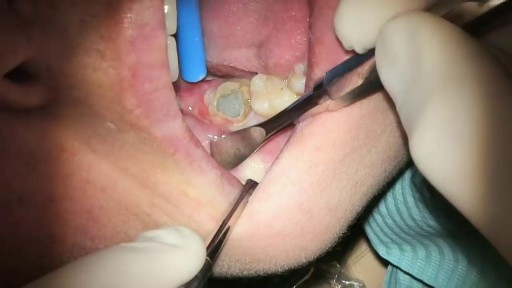

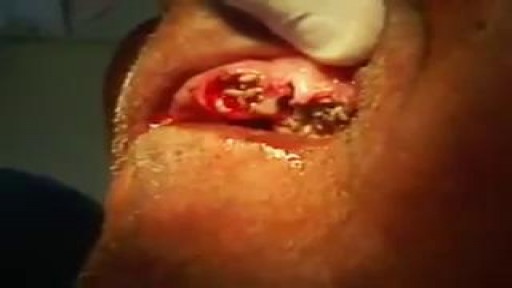
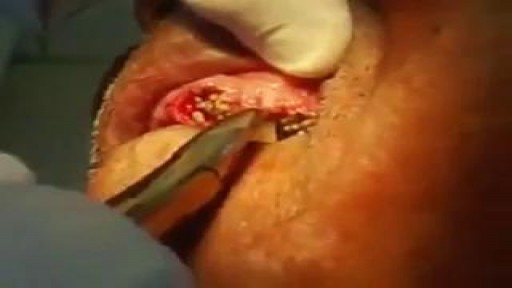
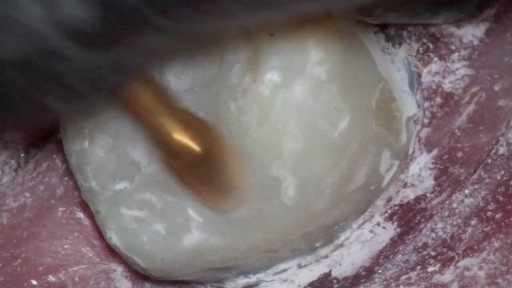
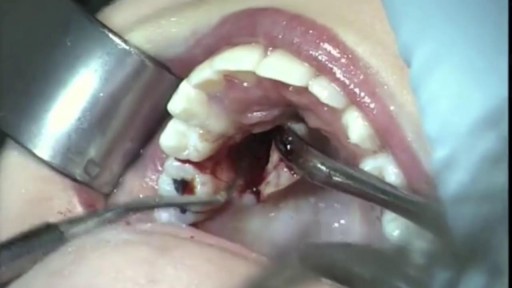



Root Canal treatment

Educational only: videos on MedicalVideos.com are for general information and are not medical advice. Always consult your own doctor about your health.
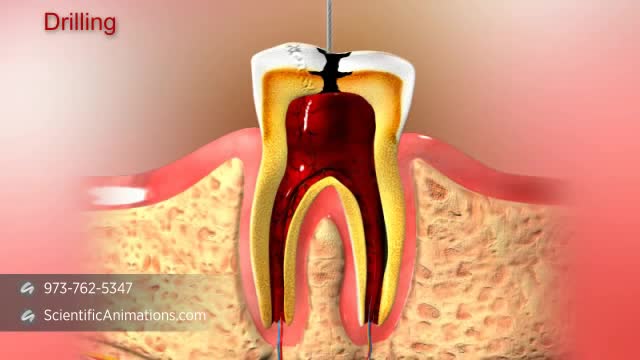
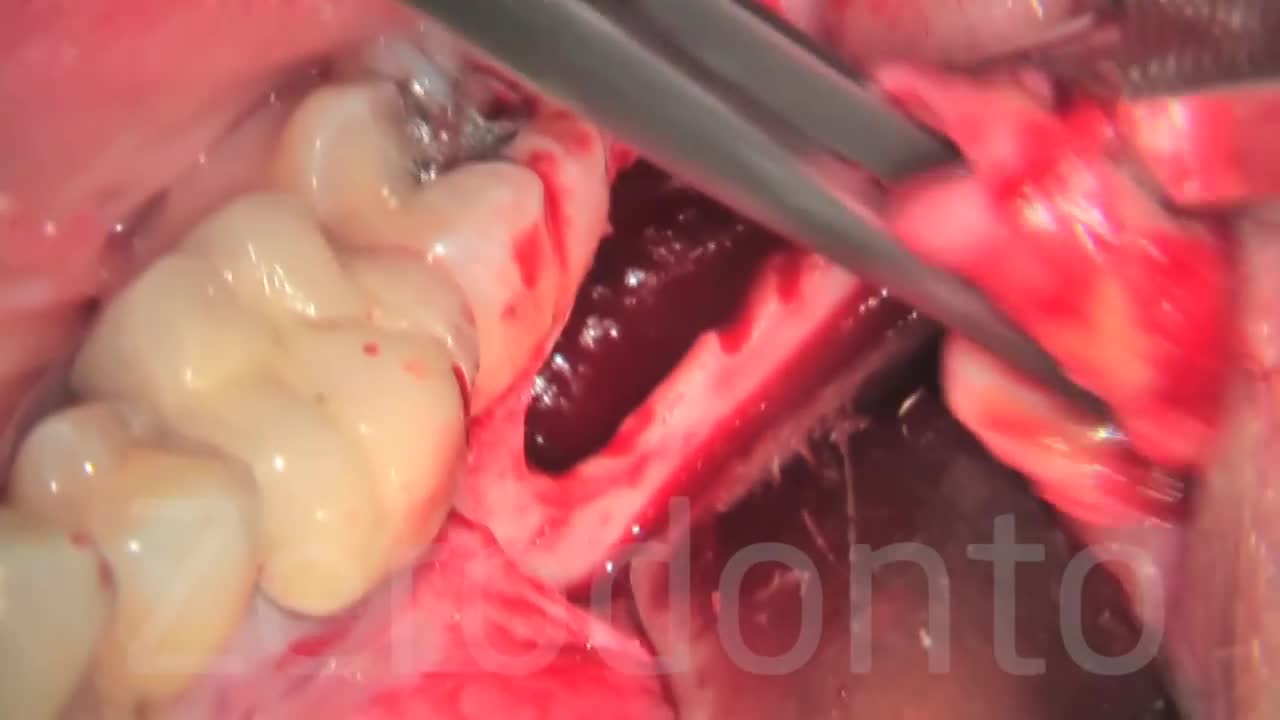
“Endo” is the Greek word for “inside” and “odont” is Greek for “tooth.” Endodontic treatment treats the inside of the tooth. Root canal treatment is one type of endodontic treatment. To understand endodontic treatment, it helps to know something about the anatomy of the tooth. Inside the tooth, under the white enamel and a hard layer called the dentin, is a soft tissue called the pulp. The pulp contains blood vessels, nerves, and connective tissue and creates the surrounding hard tissues of the tooth during development.
This video in 30 seconds
This video explains root canal treatment as a type of endodontic treatment, which treats the inside of the tooth. It describes the anatomy of the tooth, including the enamel, dentin and the pulp that contains blood vessels, nerves and connective tissue.
Key points
- Endodontic treatment is explained as treating the inside of the tooth, with root canal treatment as one type
- The word parts endo and odont are explained as meaning inside and tooth
- The pulp is described as soft tissue inside the tooth under the enamel and dentin
- The pulp is described as containing blood vessels, nerves and connective tissue
- The pulp is described as creating the surrounding hard tissues of the tooth during development
Video Transcript
This demonstration walks through root canal treatment step by step: drilling an access opening, using progressively larger files to clean and shape the canals, fitting and sealing rubber (gutta-percha) cones with sealer, compacting them with a heated instrument, and, where needed, placing a post and light-cured resin filling. The narration notes the treated tooth remains weakened and is best protected with a full crown.
Read the full transcript
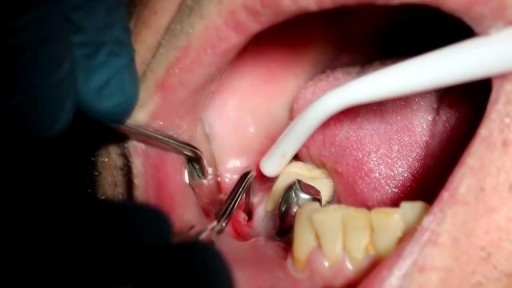
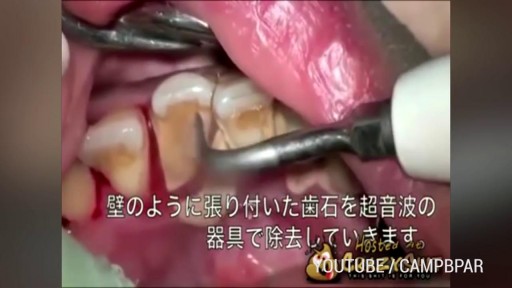
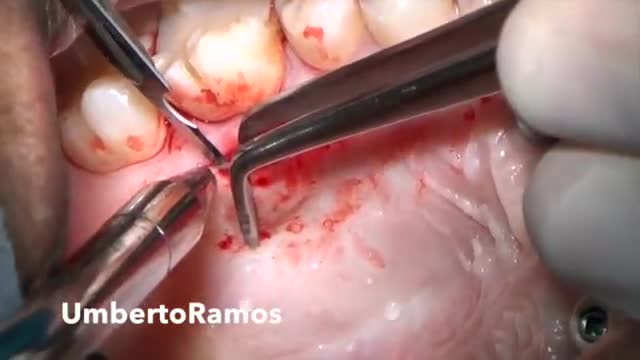
Root canal treatment begins with the standard drill to access the inside of the tooth. Slower speed round drills can then be used to remove decay and to expose the canals. Tiny files are then used to remove the contents of these canals. The manual method of root canal treatment involves using increasing file sizes that gently clean and shape these canals. A tooth may have one or more canals. Using the manual treatment method of filling the canals involves checking the cone size then placing rubber cones covered with a liquid sealer into the canals.
Once enough cones have been placed, spreading instruments can then be used to compact the cones even further. After the canal is tightly sealed, the excess rubber cones can be removed with a heated instrument. The heated instrument can also be used to heat and compact the cones to better fill the canal space. For optimum treatment, one or more posts may be placed to strengthen the tooth and retain the filling. In this case, a light cured resin is used to fill the space. It's soft when placed in the tooth and hardened with a bright light.
At this point, the tooth is still in a weakened state and can break with heavy biting. The best treatment usually involves preparing the tooth and covering it with a full crown, sometimes called a cap. Any pathology at the tip of the root should disappear with time and the tooth will be saved.
Transcript auto-generated from the video’s audio for accessibility and study. Educational content only — not medical advice.
Medical Videos
Free medical and surgery videos for patients, students and professionals — trusted since 2007.
Founded by Dr. Mohamed Ibrahim, MD, PhD — physician-scientist.
Follow us on Facebook · Instagram
SORT BY-
Top Comments
-
Latest comments