
- Physical Examination
- Surgical Examination
- Ophthalmology
- Clinical Skills
- Orthopedics
- Surgery Videos
- Laparoscopy
- Pediatrics
- Funny Videos
- Cardiothoracic Surgery
- Nursing Videos
- Plastic Surgery
- Otorhinolaryngology
- Histology and Histopathology
- Neurosurgery
- Dermatology
- Pediatric Surgery
- Urology
- Dentistry
- Oncology and Cancers
- Anatomy Videos
- Health and Fitness
- Radiology
- Anaesthesia
- Physical Therapy
- Pharmacology
- Interventional Radiology
- Cardiology
- Endocrinology
- Gynecology
- Emergency Medicine
- Psychiatry and Psychology
- Childbirth Videos
- General Medical Videos
- Nephrology
- Physiology
- Diet and Food Health
- Diabetes Mellitus
- Neurology
- Women Health
- Osteoporosis
- Gastroenterology
- Pulmonology
- Hematology
- Rheumatology
- Toxicology
- Nuclear Medicine
- Infectious Diseases
- Vascular Disease
- Reproductive Health
- Burns and Wound Healing
- Other
Reproductive Health
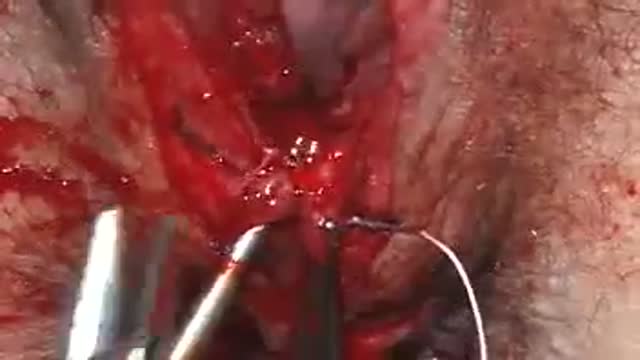

A video showing the repair of episiotomy

A video showing the steps of cesarean section surgery
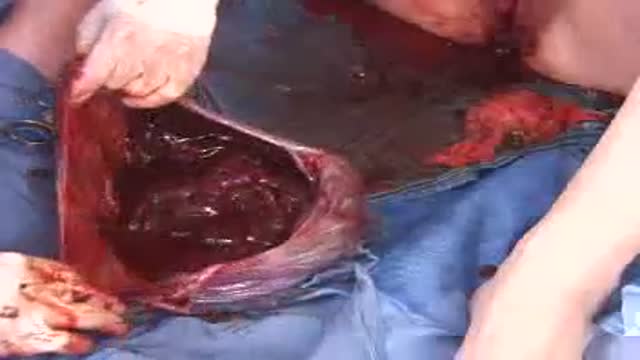
Delivery of the placenta
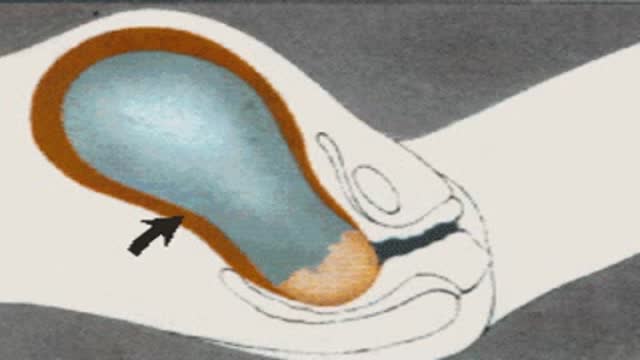
A video showing vaginal delivery
Foley Catheter Insertion
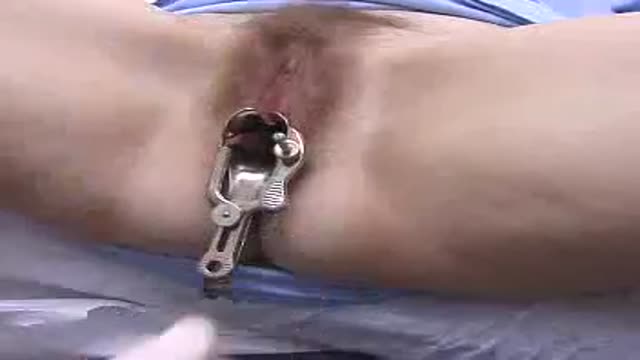
Position the patient with her buttocks just at the edge or just over the edge of the exam table. If she is not down far enough, inserting the speculum can be more difficult for you and uncomfortable for her.
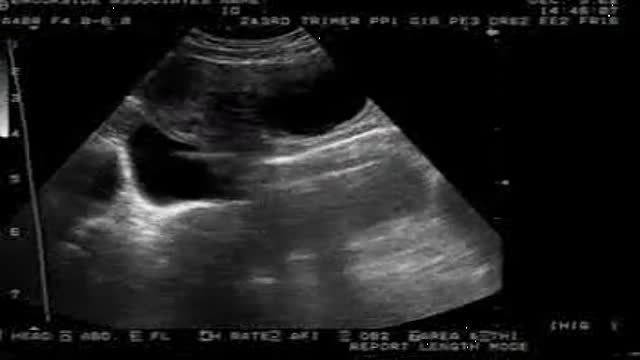
Bimanual Hip Examination of the Female genitalia
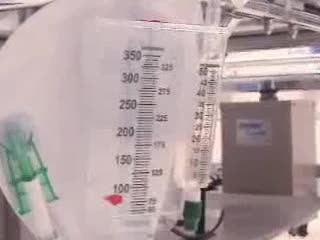
A video showing how to catheter the male urethra
Hip examination by Harvard medical school
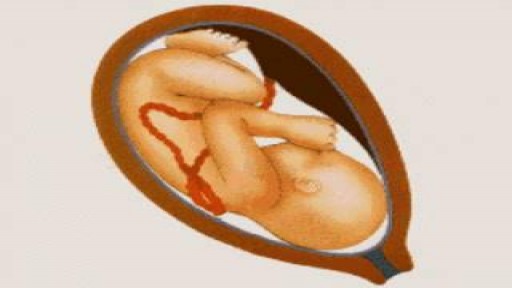
Video showing normal vagina delivery and child birth

A Cesarean section (C-section) is surgery to deliver a baby. The baby is taken out through the mother's abdomen. In the United States, almost one in three women has their babies this way. Some C-sections are planned, but many are done when unexpected problems happen during delivery. Reasons for a C-section may include Health problems in the mother The mother carrying more than one baby The size or position of the baby The baby's health is in danger Labor is not moving along as it should
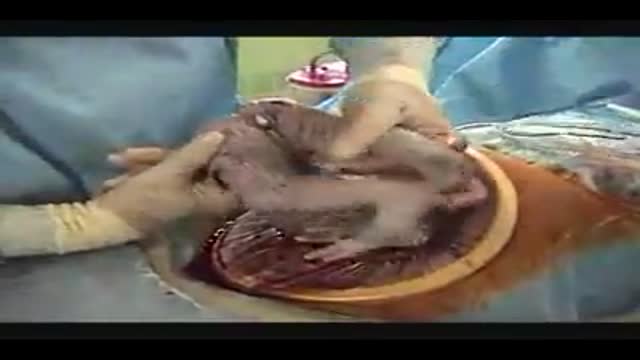
A c-section, or cesarean section, is the delivery of a baby through a surgical incision in the mother's abdomen and uterus. In some circumstances, a c-section is scheduled in advance. In others, the surgery is needed due to an unforeseen complication. If you or your baby is in imminent danger, you'll have an emergency c-section. Otherwise, it's called an unplanned section. According to the U.S. Centers for Disease Control, about 32 percent of American women who gave birth in 2015 had a cesarean delivery.
