
- Physical Examination
- Surgical Examination
- Ophthalmology
- Clinical Skills
- Orthopedics
- Surgery Videos
- Laparoscopy
- Pediatrics
- Funny Videos
- Cardiothoracic Surgery
- Nursing Videos
- Plastic Surgery
- Otorhinolaryngology
- Histology and Histopathology
- Neurosurgery
- Dermatology
- Pediatric Surgery
- Urology
- Dentistry
- Oncology and Cancers
- Anatomy Videos
- Health and Fitness
- Radiology
- Anaesthesia
- Physical Therapy
- Pharmacology
- Interventional Radiology
- Cardiology
- Endocrinology
- Gynecology
- Emergency Medicine
- Psychiatry and Psychology
- Childbirth Videos
- General Medical Videos
- Nephrology
- Physiology
- Diet and Food Health
- Diabetes Mellitus
- Neurology
- Women Health
- Osteoporosis
- Gastroenterology
- Pulmonology
- Hematology
- Rheumatology
- Toxicology
- Nuclear Medicine
- Infectious Diseases
- Vascular Disease
- Reproductive Health
- Burns and Wound Healing
- Kidney Zone Podcast
- Other
Top videos


It’s called gamma knife surgery, but there’s no cutting involved.
It’s been used at Mayo Clinic for 30 years as an alternative to open brain surgery.
The patient’s head is held still during the procedure with a headframe, which also serves as a map for the radiation. Using 3D imaging — typically an MRI — as a guide, the gamma knife is targeted directly at the tumor.
And with no hospital stay and minimal side effects, it’s a procedure that is efficient and can be lifesaving.
More health and medical news on the Mayo Clinic News Network. https://newsnetwork.mayoclinic.org/
Journalists: Clean and nat sound versions of this pkg available for download at https://newsnetwork.mayoclinic.org/
Register (free) at https://newsnetwork.mayoclinic.org/request-account/
Do you know what is the silent killer? It is kidney disease, you can lose up to 90% of your kidney function without experiencing noticeable symptoms. The kidneys quietly filter our blood, and understanding how to monitor their health becomes paramount. Now, let's unravel the mysteries of the tests that play an important role in safeguarding the health of our kidneys.
-
The Kidney Zone Podcast with Dr. Mo
Welcome to the Kidney Zone, where we will dive deep into the fascinating world of our body's remarkable filters. Get ready to unlock the secrets of the kidneys and transplantation as we travel through their pathways, uncovering vital tips, insightful knowledge, and practical advice to keep our kidneys healthy. Whether you're a patient with kidney disease, a medical professional, or simply curious about the kidneys, this is the place for you.
_
Follow Along on Social Media:
Facebook: https://www.facebook.com/Dr.Mo.Page
Instagram: https://www.instagram.com/dr.mo.ibrahim/
Twitter: https://twitter.com/drmoibrahim
TikTok: https://www.tiktok.com/@dr.mo.ibrahim
_
Dr. Mo Ibrahim is an assistant professor of kidney transplantation at the University of Maryland, Baltimore. He completed his clinical transplant nephrology fellowship at Washington University in 2022. Originally from Cairo, he pursued a physician/scientist career, conducting research at Duke University from 2012 to 2019. He has authored 70+ journal articles, given a TEDx talk, and holds 5 patents. Currently finishing his PhD at Erasmus University, he drives international collaborations to advance medical technology and improve medical monitoring.
_
DISCLAIMER
The content of this episode is intended for informational purposes only and is not to be considered medical advice. The information presented here is not meant to diagnose, treat, cure, or prevent any disease or medical condition.
Always consult with a qualified healthcare professional or your doctor before making any healthcare decisions or starting any treatment regimen. Individual medical situations can vary, and only a licensed healthcare provider can offer personalized advice tailored to your specific needs.
The creators of this episode are not responsible for any actions taken based on the information provided herein. Any reliance on the content of this episode is at your own risk. If you have any medical concerns or questions, please seek guidance from a medical professional promptly.
Remember that medical knowledge and practices can evolve over time, and new information may become available after the creation of this episode. Therefore, it is essential to stay up-to-date with the latest medical research and consult with your healthcare provider to ensure the best possible care for your health.

Do detox diets really help your kidneys, or are they just another health trend?
Today we’re going to tackle a popular and often misunderstood topic: "The Truth About Detox Diets and Kidney Health." With so many detox plans and cleanses out there promising to rid your body of toxins and improve kidney health, it can be hard to separate fact from fiction. Do detox diets really help your kidneys, or are they just another health trend? In this video, we’ll uncover the truth about detox diets, how your kidneys actually function, and what you can do to support kidney health the right way.
---
The Kidney Zone Podcast with Dr. Mo
Welcome to the Kidney Zone, where we will dive deep into the fascinating world of our body's remarkable filters. Get ready to unlock the secrets of the kidneys and transplantation as we travel through their pathways, uncovering vital tips, insightful knowledge, and practical advice to keep our kidneys healthy. Whether you're a patient with kidney disease, a medical professional, or simply curious about the kidneys, this is the place for you.
_
Follow Along on Social Media:
Facebook: https://www.facebook.com/Dr.Mo.Page
Instagram: https://www.instagram.com/dr.mo.ibrahim/
Twitter: https://twitter.com/drmoibrahim
TikTok: https://www.tiktok.com/@dr.mo.ibrahim
_
Dr. Mo Ibrahim is an assistant professor of kidney transplantation at the University of Maryland, Baltimore. He completed his clinical transplant nephrology fellowship at Washington University in 2022. Originally from Cairo, he pursued a physician/scientist career, conducting research at Duke University from 2012 to 2019. He has authored 70+ journal articles, given a TEDx talk, and holds 5 patents. Currently finishing his PhD at Erasmus University, he drives international collaborations to advance medical technology and improve medical monitoring.
_
DISCLAIMER
The content of this episode is intended for informational purposes only and is not to be considered medical advice. The information presented here is not meant to diagnose, treat, cure, or prevent any disease or medical condition.
Always consult with a qualified healthcare professional or your doctor before making any healthcare decisions or starting any treatment regimen. Individual medical situations can vary, and only a licensed healthcare provider can offer personalized advice tailored to your specific needs.
The creators of this episode are not responsible for any actions taken based on the information provided herein. Any reliance on the content of this episode is at your own risk. If you have any medical concerns or questions, please seek guidance from a medical professional promptly.
Remember that medical knowledge and practices can evolve over time, and new information may become available after the creation of this episode. Therefore, it is essential to stay up-to-date with the latest medical research and consult with your healthcare provider to ensure the best possible care for your health.
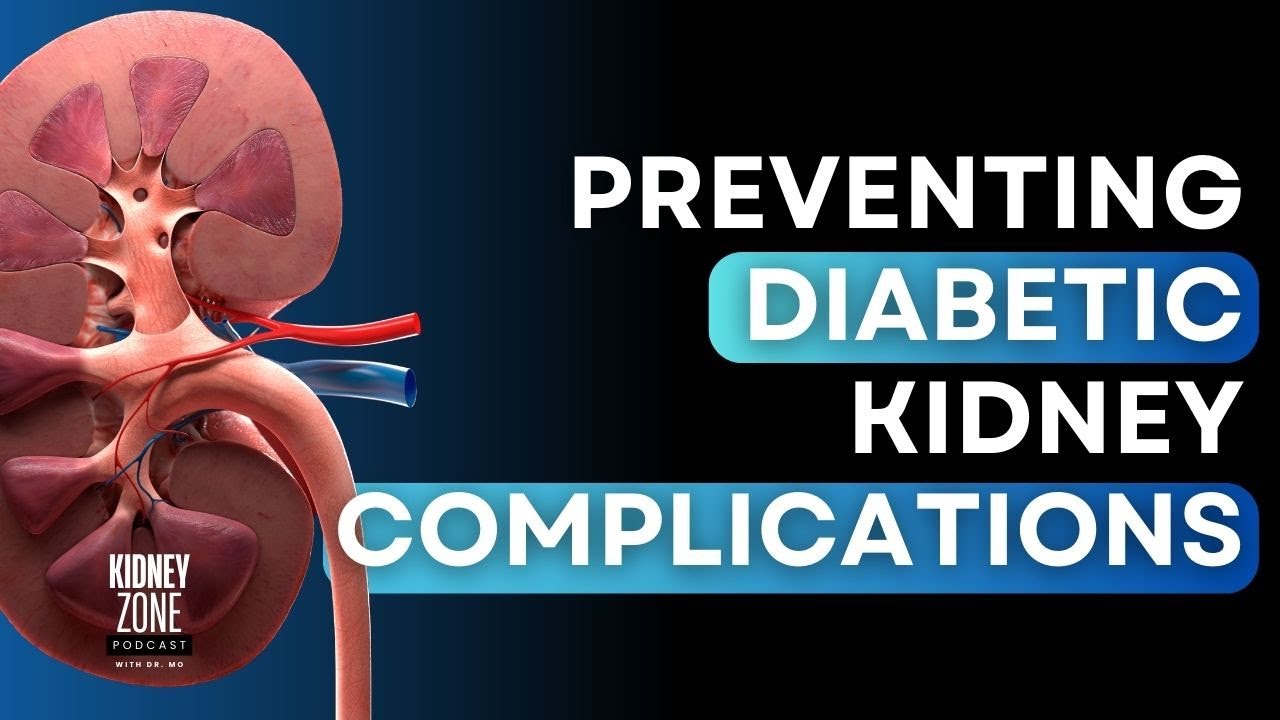
Diabetes damages our kidneys which can cause chronic kidney disease. In this episode we'll explore the close relationship between diabetes and kidney disease, understanding how effective management of diabetes can help prevent the development and progression of kidney complications.
_
The Kidney Zone Podcast with Dr. Mo
Welcome to the Kidney Zone, where we will dive deep into the fascinating world of our body's remarkable filters. Get ready to unlock the secrets of the kidneys and transplantation as we travel through their pathways, uncovering vital tips, insightful knowledge, and practical advice to keep our kidneys healthy. Whether you're a patient with kidney disease, a medical professional, or simply curious about the kidneys, this is the place for you.
_
Follow Along on Social Media:
Facebook: https://www.facebook.com/Dr.Mo.Page
Instagram: https://www.instagram.com/dr.mo.ibrahim/
Twitter: https://twitter.com/drmoibrahim
TikTok: https://www.tiktok.com/@dr.mo.ibrahim
_
Dr. Mo Ibrahim is an assistant professor of kidney transplantation at the University of Maryland, Baltimore. He completed his clinical transplant nephrology fellowship at Washington University in 2022. Originally from Cairo, he pursued a physician/scientist career, conducting research at Duke University from 2012 to 2019. He has authored 70+ journal articles, given a TEDx talk, and holds 5 patents. Currently finishing his PhD at Erasmus University, he drives international collaborations to advance medical technology and improve medical monitoring.
_
DISCLAIMER
The content of this episode is intended for informational purposes only and is not to be considered medical advice. The information presented here is not meant to diagnose, treat, cure, or prevent any disease or medical condition.
Always consult with a qualified healthcare professional or your doctor before making any healthcare decisions or starting any treatment regimen. Individual medical situations can vary, and only a licensed healthcare provider can offer personalized advice tailored to your specific needs.
The creators of this episode are not responsible for any actions taken based on the information provided herein. Any reliance on the content of this episode is at your own risk. If you have any medical concerns or questions, please seek guidance from a medical professional promptly.
Remember that medical knowledge and practices can evolve over time, and new information may become available after the creation of this episode. Therefore, it is essential to stay up-to-date with the latest medical research and consult with your healthcare provider to ensure the best possible care for your health.
Understanding how much water you should drink is an essential topic for those living with kidney disease. In this episode we'll dive into this important aspect of kidney disease management.
Related and Recommended Episodes:
7 What Foods Can Detox and Repair Your Kidneys?
8 What foods to avoid if you have kidney disease or are on dialysis?T
-
The Kidney Zone Podcast with Dr. Mo
Welcome to the Kidney Zone, where we will dive deep into the fascinating world of our body's remarkable filters. Get ready to unlock the secrets of the kidneys and transplantation as we travel through their pathways, uncovering vital tips, insightful knowledge, and practical advice to keep our kidneys healthy. Whether you're a patient with kidney disease, a medical professional, or simply curious about the kidneys, this is the place for you.
_
Follow Along on Social Media:
Facebook: https://www.facebook.com/Dr.Mo.Page
Instagram: https://www.instagram.com/dr.mo.ibrahim/
Twitter: https://twitter.com/drmoibrahim
TikTok: https://www.tiktok.com/@dr.mo.ibrahim
_
About Dr. Mo Ibrahim
Dr. Mo is an assistant professor of kidney transplantation at the University of Maryland, Baltimore. He completed his clinical transplant nephrology fellowship at Washington University in 2022. Originally from Cairo, he pursued a physician/scientist career, conducting research at Duke University from 2012 to 2019. He has authored 70+ journal articles, given a TEDx talk, and holds 5 patents. Currently finishing his PhD at Erasmus University, he drives international collaborations to advance medical technology and improve medical monitoring.
_
DISCLAIMER
The content of this episode is intended for informational purposes only and is not to be considered medical advice. The information presented here is not meant to diagnose, treat, cure, or prevent any disease or medical condition.
Always consult with a qualified healthcare professional or your doctor before making any healthcare decisions or starting any treatment regimen. Individual medical situations can vary, and only a licensed healthcare provider can offer personalized advice tailored to your specific needs.
The creators of this episode are not responsible for any actions taken based on the information provided herein. Any reliance on the content of this episode is at your own risk. If you have any medical concerns or questions, please seek guidance from a medical professional promptly.
Remember that medical knowledge and practices can evolve over time, and new information may become available after the creation of this episode. Therefore, it is essential to stay up-to-date with the latest medical research and consult with your healthcare provider to ensure the best possible care for your health.

In this episode, we'll explore the fascinating world of kidney transplantation, understanding the factors that influence the number of transplants a person can undergo and the implications for long-term kidney health.
__
The Kidney Zone Podcast with Dr. Mo
Welcome to the Kidney Zone, where we will dive deep into the fascinating world of our body's remarkable filters. Get ready to unlock the secrets of the kidneys and transplantation as we travel through their pathways, uncovering vital tips, insightful knowledge, and practical advice to keep our kidneys healthy. Whether you're a patient with kidney disease, a medical professional, or simply curious about the kidneys, this is the place for you.
_
Follow Along on Social Media:
Facebook: https://www.facebook.com/Dr.Mo.Page
Instagram: https://www.instagram.com/dr.mo.ibrahim/
Twitter: https://twitter.com/drmoibrahim
TikTok: https://www.tiktok.com/@dr.mo.ibrahim
_
Dr. Mo Ibrahim is an assistant professor of kidney transplantation at the University of Maryland, Baltimore. He completed his clinical transplant nephrology fellowship at Washington University in 2022. Originally from Cairo, he pursued a physician/scientist career, conducting research at Duke University from 2012 to 2019. He has authored 70+ journal articles, given a TEDx talk, and holds 5 patents. Currently finishing his PhD at Erasmus University, he drives international collaborations to advance medical technology and improve medical monitoring.
_
DISCLAIMER
The content of this episode is intended for informational purposes only and is not to be considered medical advice. The information presented here is not meant to diagnose, treat, cure, or prevent any disease or medical condition.
Always consult with a qualified healthcare professional or your doctor before making any healthcare decisions or starting any treatment regimen. Individual medical situations can vary, and only a licensed healthcare provider can offer personalized advice tailored to your specific needs.
The creators of this episode are not responsible for any actions taken based on the information provided herein. Any reliance on the content of this episode is at your own risk. If you have any medical concerns or questions, please seek guidance from a medical professional promptly.
Remember that medical knowledge and practices can evolve over time, and new information may become available after the creation of this episode. Therefore, it is essential to stay up-to-date with the latest medical research and consult with your healthcare provider to ensure the best possible care for your health.

Today, we embark on an intriguing journey into the world of kidney health, specifically delving into the technology that plays a pivotal role in dialysis treatments. We'll explore the fascinating realm of dialysis machines and technology, understanding how these advancements enhance the treatment process for individuals with kidney failure.
_
The Kidney Zone Podcast with Dr. Mo
Welcome to the Kidney Zone, where we will dive deep into the fascinating world of our body's remarkable filters. Get ready to unlock the secrets of the kidneys and transplantation as we travel through their pathways, uncovering vital tips, insightful knowledge, and practical advice to keep our kidneys healthy. Whether you're a patient with kidney disease, a medical professional, or simply curious about the kidneys, this is the place for you.
_
Follow Along on Social Media:
Facebook: https://www.facebook.com/Dr.Mo.Page
Instagram: https://www.instagram.com/dr.mo.ibrahim/
Twitter: https://twitter.com/drmoibrahim
TikTok: https://www.tiktok.com/@dr.mo.ibrahim
_
Dr. Mo Ibrahim is an assistant professor of kidney transplantation at the University of Maryland, Baltimore. He completed his clinical transplant nephrology fellowship at Washington University in 2022. Originally from Cairo, he pursued a physician/scientist career, conducting research at Duke University from 2012 to 2019. He has authored 70+ journal articles, given a TEDx talk, and holds 5 patents. Currently finishing his PhD at Erasmus University, he drives international collaborations to advance medical technology and improve medical monitoring.
_
DISCLAIMER
The content of this episode is intended for informational purposes only and is not to be considered medical advice. The information presented here is not meant to diagnose, treat, cure, or prevent any disease or medical condition.
Always consult with a qualified healthcare professional or your doctor before making any healthcare decisions or starting any treatment regimen. Individual medical situations can vary, and only a licensed healthcare provider can offer personalized advice tailored to your specific needs.
The creators of this episode are not responsible for any actions taken based on the information provided herein. Any reliance on the content of this episode is at your own risk. If you have any medical concerns or questions, please seek guidance from a medical professional promptly.
Remember that medical knowledge and practices can evolve over time, and new information may become available after the creation of this episode. Therefore, it is essential to stay up-to-date with the latest medical research and consult with your healthcare provider to ensure the best possible care for your health.

Stress, a universal experience, can significantly impact our kidneys. In this episode, Dr. Mo shares various insights into managing stress effectively to safeguard kidney health.
_
The Kidney Zone Podcast with Dr. Mo
Welcome to the Kidney Zone, where we will dive deep into the fascinating world of our body's remarkable filters. Get ready to unlock the secrets of the kidneys and transplantation as we travel through their pathways, uncovering vital tips, insightful knowledge, and practical advice to keep our kidneys healthy. Whether you're a patient with kidney disease, a medical professional, or simply curious about the kidneys, this is the place for you.
_
Follow Along on Social Media:
Facebook: https://www.facebook.com/Dr.Mo.Page
Instagram: https://www.instagram.com/dr.mo.ibrahim/
Twitter: https://twitter.com/drmoibrahim
TikTok: https://www.tiktok.com/@dr.mo.ibrahim
_
Dr. Mo Ibrahim is an assistant professor of kidney transplantation at the University of Maryland, Baltimore. He completed his clinical transplant nephrology fellowship at Washington University in 2022. Originally from Cairo, he pursued a physician/scientist career, conducting research at Duke University from 2012 to 2019. He has authored 70+ journal articles, given a TEDx talk, and holds 5 patents. Currently finishing his PhD at Erasmus University, he drives international collaborations to advance medical technology and improve medical monitoring.
_
DISCLAIMER
The content of this episode is intended for informational purposes only and is not to be considered medical advice. The information presented here is not meant to diagnose, treat, cure, or prevent any disease or medical condition.
Always consult with a qualified healthcare professional or your doctor before making any healthcare decisions or starting any treatment regimen. Individual medical situations can vary, and only a licensed healthcare provider can offer personalized advice tailored to your specific needs.
The creators of this episode are not responsible for any actions taken based on the information provided herein. Any reliance on the content of this episode is at your own risk. If you have any medical concerns or questions, please seek guidance from a medical professional promptly.
Remember that medical knowledge and practices can evolve over time, and new information may become available after the creation of this episode. Therefore, it is essential to stay up-to-date with the latest medical research and consult with your healthcare provider to ensure the best possible care for your health.
There are many misconceptions about kidney transplants. In this episode, we will explore "Kidney Transplant Myths vs. Facts: Busting Common Misconceptions." I will clarify prevalent myths and provide factual information about kidney transplants, empowering you with accurate knowledge.
The Kidney Zone Podcast with Dr. Mo
Welcome to the Kidney Zone, where we will dive deep into the fascinating world of our body's remarkable filters. Get ready to unlock the secrets of the kidneys and transplantation as we travel through their pathways, uncovering vital tips, insightful knowledge, and practical advice to keep our kidneys healthy. Whether you're a patient with kidney disease, a medical professional, or simply curious about the kidneys, this is the place for you.
_
Follow Along on Social Media:
Facebook: https://www.facebook.com/Dr.Mo.Page
Instagram: https://www.instagram.com/dr.mo.ibrahim/
Twitter: https://twitter.com/drmoibrahim
TikTok: https://www.tiktok.com/@dr.mo.ibrahim
_
Dr. Mo Ibrahim is an assistant professor of kidney transplantation at the University of Maryland, Baltimore. He completed his clinical transplant nephrology fellowship at Washington University in 2022. Originally from Cairo, he pursued a physician/scientist career, conducting research at Duke University from 2012 to 2019. He has authored 70+ journal articles, given a TEDx talk, and holds 5 patents. Currently finishing his PhD at Erasmus University, he drives international collaborations to advance medical technology and improve medical monitoring.
_
DISCLAIMER
The content of this episode is intended for informational purposes only and is not to be considered medical advice. The information presented here is not meant to diagnose, treat, cure, or prevent any disease or medical condition.
Always consult with a qualified healthcare professional or your doctor before making any healthcare decisions or starting any treatment regimen. Individual medical situations can vary, and only a licensed healthcare provider can offer personalized advice tailored to your specific needs.
The creators of this episode are not responsible for any actions taken based on the information provided herein. Any reliance on the content of this episode is at your own risk. If you have any medical concerns or questions, please seek guidance from a medical professional promptly.
Remember that medical knowledge and practices can evolve over time, and new information may become available after the creation of this episode. Therefore, it is essential to stay up-to-date with the latest medical research and consult with your healthcare provider to ensure the best possible care for your health.
#kidney #kidneyhealth #kidneytransplant #kidneyzonepodcast

Can you play sports if you have kidney disease?
In this episode we'll explore the benefits and potential risks of physical activity for those with kidney disease, how to safely engage in sports, and expert tips for maintaining an active lifestyle despite kidney challenges.
The Kidney Zone Podcast with Dr. Mo
Welcome to the Kidney Zone, where we will dive deep into the fascinating world of our body's remarkable filters. Get ready to unlock the secrets of the kidneys and transplantation as we travel through their pathways, uncovering vital tips, insightful knowledge, and practical advice to keep our kidneys healthy. Whether you're a patient with kidney disease, a medical professional, or simply curious about the kidneys, this is the place for you.
_
Follow Along on Social Media:
Facebook: https://www.facebook.com/Dr.Mo.Page
Instagram: https://www.instagram.com/dr.mo.ibrahim/
Twitter: https://twitter.com/drmoibrahim
TikTok: https://www.tiktok.com/@dr.mo.ibrahim
_
Dr. Mo Ibrahim is an assistant professor of kidney transplantation at the University of Maryland, Baltimore. He completed his clinical transplant nephrology fellowship at Washington University in 2022. Originally from Cairo, he pursued a physician/scientist career, conducting research at Duke University from 2012 to 2019. He has authored 70+ journal articles, given a TEDx talk, and holds 5 patents. Currently finishing his PhD at Erasmus University, he drives international collaborations to advance medical technology and improve medical monitoring.
_
DISCLAIMER
The content of this episode is intended for informational purposes only and is not to be considered medical advice. The information presented here is not meant to diagnose, treat, cure, or prevent any disease or medical condition.
Always consult with a qualified healthcare professional or your doctor before making any healthcare decisions or starting any treatment regimen. Individual medical situations can vary, and only a licensed healthcare provider can offer personalized advice tailored to your specific needs.
The creators of this episode are not responsible for any actions taken based on the information provided herein. Any reliance on the content of this episode is at your own risk. If you have any medical concerns or questions, please seek guidance from a medical professional promptly.
Remember that medical knowledge and practices can evolve over time, and new information may become available after the creation of this episode. Therefore, it is essential to stay up-to-date with the latest medical research and consult with your healthcare provider to ensure the best possible care for your health.

Organ trafficking is a topic that's both disturbing and urgent – today we will discuss the dark side of kidney transplants. This issue is not only ethically challenging but also poses significant health risks to those involved. We want to shed light on this alarming problem, so please stay with us as we explore the shocking realities of organ trafficking
The Kidney Zone Podcast with Dr. Mo
Welcome to the Kidney Zone, where we will dive deep into the fascinating world of our body's remarkable filters. Get ready to unlock the secrets of the kidneys and transplantation as we travel through their pathways, uncovering vital tips, insightful knowledge, and practical advice to keep our kidneys healthy. Whether you're a patient with kidney disease, a medical professional, or simply curious about the kidneys, this is the place for you.
_
Follow Along on Social Media:
Facebook: https://www.facebook.com/Dr.Mo.Page
Instagram: https://www.instagram.com/dr.mo.ibrahim/
Twitter: https://twitter.com/drmoibrahim
TikTok: https://www.tiktok.com/@dr.mo.ibrahim
_
Dr. Mo Ibrahim is an assistant professor of kidney transplantation at the University of Maryland, Baltimore. He completed his clinical transplant nephrology fellowship at Washington University in 2022. Originally from Cairo, he pursued a physician/scientist career, conducting research at Duke University from 2012 to 2019. He has authored 70+ journal articles, given a TEDx talk, and holds 5 patents. Currently finishing his PhD at Erasmus University, he drives international collaborations to advance medical technology and improve medical monitoring.
_
DISCLAIMER
The content of this episode is intended for informational purposes only and is not to be considered medical advice. The information presented here is not meant to diagnose, treat, cure, or prevent any disease or medical condition.
Always consult with a qualified healthcare professional or your doctor before making any healthcare decisions or starting any treatment regimen. Individual medical situations can vary, and only a licensed healthcare provider can offer personalized advice tailored to your specific needs.
The creators of this episode are not responsible for any actions taken based on the information provided herein. Any reliance on the content of this episode is at your own risk. If you have any medical concerns or questions, please seek guidance from a medical professional promptly.
Remember that medical knowledge and practices can evolve over time, and new information may become available after the creation of this episode. Therefore, it is essential to stay up-to-date with the latest medical research and consult with your healthcare provider to ensure the best possible care for your health.

Kidney transplant is a fascinating and life changing surgery. Today we will explore "Kidney Transplant Surgery: Step-by-Step Procedure and Recovery.", we'll take you through the stages of kidney transplant surgery, from pre-operative preparations to post-operative recovery, offering insight into what to expect before, during, and after the transplant procedure.
_
The Kidney Zone Podcast with Dr. Mo
Welcome to the Kidney Zone, where we will dive deep into the fascinating world of our body's remarkable filters. Get ready to unlock the secrets of the kidneys and transplantation as we travel through their pathways, uncovering vital tips, insightful knowledge, and practical advice to keep our kidneys healthy. Whether you're a patient with kidney disease, a medical professional, or simply curious about the kidneys, this is the place for you.
_
Follow Along on Social Media:
Facebook: https://www.facebook.com/Dr.Mo.Page
Instagram: https://www.instagram.com/dr.mo.ibrahim/
Twitter: https://twitter.com/drmoibrahim
TikTok: https://www.tiktok.com/@dr.mo.ibrahim
_
Dr. Mo Ibrahim is an assistant professor of kidney transplantation at the University of Maryland, Baltimore. He completed his clinical transplant nephrology fellowship at Washington University in 2022. Originally from Cairo, he pursued a physician/scientist career, conducting research at Duke University from 2012 to 2019. He has authored 70+ journal articles, given a TEDx talk, and holds 5 patents. Currently finishing his PhD at Erasmus University, he drives international collaborations to advance medical technology and improve medical monitoring.
_
DISCLAIMER
The content of this episode is intended for informational purposes only and is not to be considered medical advice. The information presented here is not meant to diagnose, treat, cure, or prevent any disease or medical condition.
Always consult with a qualified healthcare professional or your doctor before making any healthcare decisions or starting any treatment regimen. Individual medical situations can vary, and only a licensed healthcare provider can offer personalized advice tailored to your specific needs.
The creators of this episode are not responsible for any actions taken based on the information provided herein. Any reliance on the content of this episode is at your own risk. If you have any medical concerns or questions, please seek guidance from a medical professional promptly.
Remember that medical knowledge and practices can evolve over time, and new information may become available after the creation of this episode. Therefore, it is essential to stay up-to-date with the latest medical research and consult with your healthcare provider to ensure the best possible care for your health.

Why is kidney disease called the silent killer? Today, we will have a comprehensive exploration of a critical aspect of health – Kidney Disease. We'll talk about the various types of kidney disease, understand the stages of progression, and explore effective management strategies.
_
The Kidney Zone Podcast with Dr. Mo
Welcome to the Kidney Zone, where we will dive deep into the fascinating world of our body's remarkable filters. Get ready to unlock the secrets of the kidneys and transplantation as we travel through their pathways, uncovering vital tips, insightful knowledge, and practical advice to keep our kidneys healthy. Whether you're a patient with kidney disease, a medical professional, or simply curious about the kidneys, this is the place for you.
_
Follow Along on Social Media:
Facebook: https://www.facebook.com/Dr.Mo.Page
Instagram: https://www.instagram.com/dr.mo.ibrahim/
Twitter: https://twitter.com/drmoibrahim
TikTok: https://www.tiktok.com/@dr.mo.ibrahim
_
Dr. Mo Ibrahim is an assistant professor of kidney transplantation at the University of Maryland, Baltimore. He completed his clinical transplant nephrology fellowship at Washington University in 2022. Originally from Cairo, he pursued a physician/scientist career, conducting research at Duke University from 2012 to 2019. He has authored 70+ journal articles, given a TEDx talk, and holds 5 patents. Currently finishing his PhD at Erasmus University, he drives international collaborations to advance medical technology and improve medical monitoring.
_
DISCLAIMER
The content of this episode is intended for informational purposes only and is not to be considered medical advice. The information presented here is not meant to diagnose, treat, cure, or prevent any disease or medical condition.
Always consult with a qualified healthcare professional or your doctor before making any healthcare decisions or starting any treatment regimen. Individual medical situations can vary, and only a licensed healthcare provider can offer personalized advice tailored to your specific needs.
The creators of this episode are not responsible for any actions taken based on the information provided herein. Any reliance on the content of this episode is at your own risk. If you have any medical concerns or questions, please seek guidance from a medical professional promptly.
Remember that medical knowledge and practices can evolve over time, and new information may become available after the creation of this episode. Therefore, it is essential to stay up-to-date with the latest medical research and consult with your healthcare provider to ensure the best possible care for your health.

Today, we're going to discuss a critical topic that everyone should be aware of: the warning signs of kidney problems. Our kidneys are vital organs responsible for filtering waste products and excess fluid from the body. Recognizing the signs of kidney problems is crucial for early detection and quick medical intervention. So, let's dive into the 10 warning signs you should NOT ignore.
About The Kidney Zone Podcast with Dr. Mo
Welcome to the Kidney Zone, where we will dive deep into the fascinating world of our body's remarkable filters. Get ready to unlock the secrets of the kidneys and transplantation as we travel through their pathways, uncovering vital tips, insightful knowledge, and practical advice to keep our kidneys healthy. Whether you're a patient with kidney disease, a medical professional, or simply curious about the kidneys, this is the place for you.
_
Follow Along on Social Media:
Facebook: https://www.facebook.com/Dr.Mo.Page
Instagram: https://www.instagram.com/dr.mo.ibrahim/
Twitter: https://twitter.com/drmoibrahim
TikTok: https://www.tiktok.com/@dr.mo.ibrahim
_
Dr. Mo Ibrahim is an assistant professor of kidney transplantation at the University of Maryland, Baltimore. He completed his clinical transplant nephrology fellowship at Washington University in 2022. Originally from Cairo, he pursued a physician/scientist career, conducting research at Duke University from 2012 to 2019. He has authored 70+ journal articles, given a TEDx talk, and holds 5 patents. Currently finishing his PhD at Erasmus University, he drives international collaborations to advance medical technology and improve medical monitoring.
_
DISCLAIMER
The content of this episode is intended for informational purposes only and is not to be considered medical advice. The information presented here is not meant to diagnose, treat, cure, or prevent any disease or medical condition.
Always consult with a qualified healthcare professional or your doctor before making any healthcare decisions or starting any treatment regimen. Individual medical situations can vary, and only a licensed healthcare provider can offer personalized advice tailored to your specific needs.
The creators of this episode are not responsible for any actions taken based on the information provided herein. Any reliance on the content of this episode is at your own risk. If you have any medical concerns or questions, please seek guidance from a medical professional promptly.
Remember that medical knowledge and practices can evolve over time, and new information may become available after the creation of this episode. Therefore, it is essential to stay up-to-date with the latest medical research and consult with your healthcare provider to ensure the best possible care for your health.

The Kidney Zone Podcast with Dr. Mo
Welcome to the Kidney Zone, where we will dive deep into the fascinating world of our body's remarkable filters. Get ready to unlock the secrets of the kidneys and transplantation as we travel through their pathways, uncovering vital tips, insightful knowledge, and practical advice to keep our kidneys healthy. Whether you're a patient with kidney disease, a medical professional, or simply curious about the kidneys, this is the place for you.
_
Follow Along on Social Media:
Facebook: https://www.facebook.com/Dr.Mo.Page
Instagram: https://www.instagram.com/dr.mo.ibrahim/
Twitter: https://twitter.com/drmoibrahim
TikTok: https://www.tiktok.com/@dr.mo.ibrahim
_
Dr. Mo Ibrahim is an assistant professor of kidney transplantation at the University of Maryland, Baltimore. He completed his clinical transplant nephrology fellowship at Washington University in 2022. Originally from Cairo, he pursued a physician/scientist career, conducting research at Duke University from 2012 to 2019. He has authored 70+ journal articles, given a TEDx talk, and holds 5 patents. Currently finishing his PhD at Erasmus University, he drives international collaborations to advance medical technology and improve medical monitoring.
_
DISCLAIMER
The content of this episode is intended for informational purposes only and is not to be considered medical advice. The information presented here is not meant to diagnose, treat, cure, or prevent any disease or medical condition.
Always consult with a qualified healthcare professional or your doctor before making any healthcare decisions or starting any treatment regimen. Individual medical situations can vary, and only a licensed healthcare provider can offer personalized advice tailored to your specific needs.
The creators of this episode are not responsible for any actions taken based on the information provided herein. Any reliance on the content of this episode is at your own risk. If you have any medical concerns or questions, please seek guidance from a medical professional promptly.
Remember that medical knowledge and practices can evolve over time, and new information may become available after the creation of this episode. Therefore, it is essential to stay up-to-date with the latest medical research and consult with your healthcare provider to ensure the best possible care for your health.
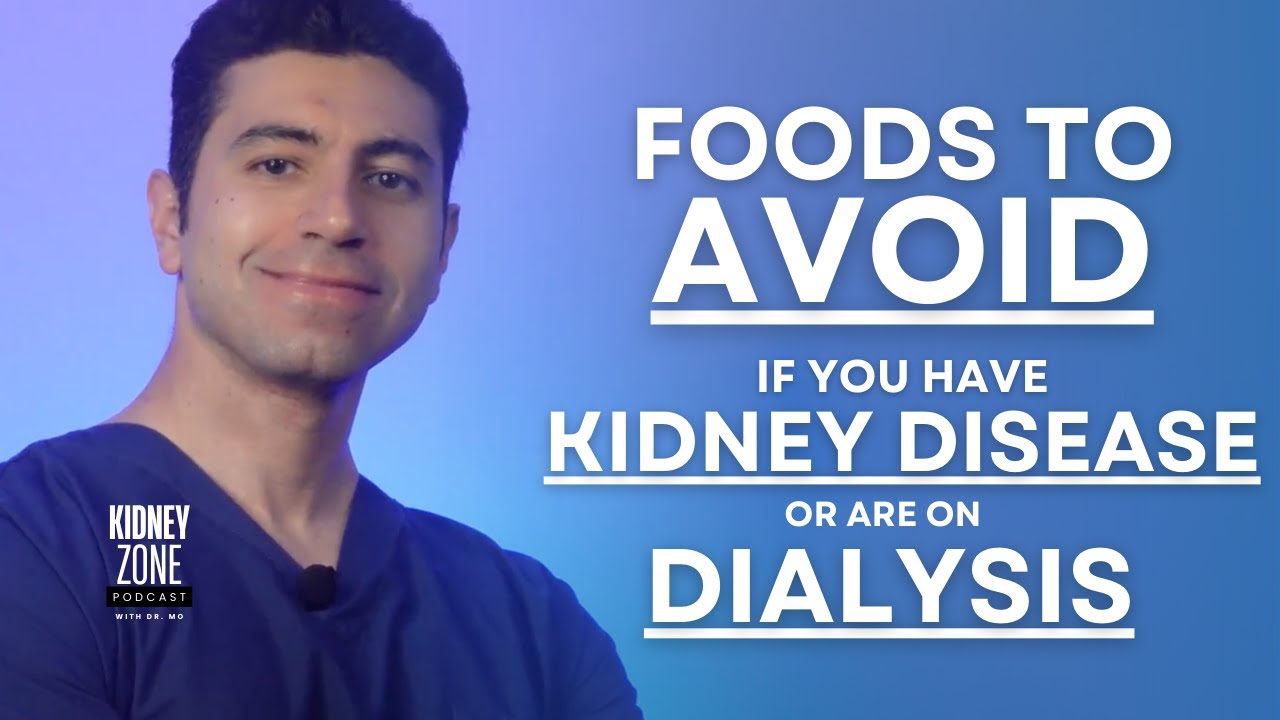
Food can be a matter of life and death when you're battling kidney disease or facing dialysis. Today, we're delving deep into the forbidden territory of foods that could jeopardize your kidney health.
The Kidney Zone Podcast with Dr. Mo
Welcome to the Kidney Zone, where we will dive deep into the fascinating world of our body's remarkable filters. Get ready to unlock the secrets of the kidneys and transplantation as we travel through their pathways, uncovering vital tips, insightful knowledge, and practical advice to keep our kidneys healthy. Whether you're a patient with kidney disease, a medical professional, or simply curious about the kidneys, this is the place for you.
_
Follow Along on Social Media:
Facebook: https://www.facebook.com/Dr.Mo.Page
Instagram: https://www.instagram.com/dr.mo.ibrahim/
Twitter: https://twitter.com/drmoibrahim
TikTok: https://www.tiktok.com/@dr.mo.ibrahim
_
Dr. Mo Ibrahim is an assistant professor of kidney transplantation at the University of Maryland, Baltimore. He completed his clinical transplant nephrology fellowship at Washington University in 2022. Originally from Cairo, he pursued a physician/scientist career, conducting research at Duke University from 2012 to 2019. He has authored 70+ journal articles, given a TEDx talk, and holds 5 patents. Currently finishing his PhD at Erasmus University, he drives international collaborations to advance medical technology and improve medical monitoring.
_
DISCLAIMER
The content of this episode is intended for informational purposes only and is not to be considered medical advice. The information presented here is not meant to diagnose, treat, cure, or prevent any disease or medical condition.
Always consult with a qualified healthcare professional or your doctor before making any healthcare decisions or starting any treatment regimen. Individual medical situations can vary, and only a licensed healthcare provider can offer personalized advice tailored to your specific needs.
The creators of this episode are not responsible for any actions taken based on the information provided herein. Any reliance on the content of this episode is at your own risk. If you have any medical concerns or questions, please seek guidance from a medical professional promptly.
Remember that medical knowledge and practices can evolve over time, and new information may become available after the creation of this episode. Therefore, it is essential to stay up-to-date with the latest medical research and consult with your healthcare provider to ensure the best possible care for your health.
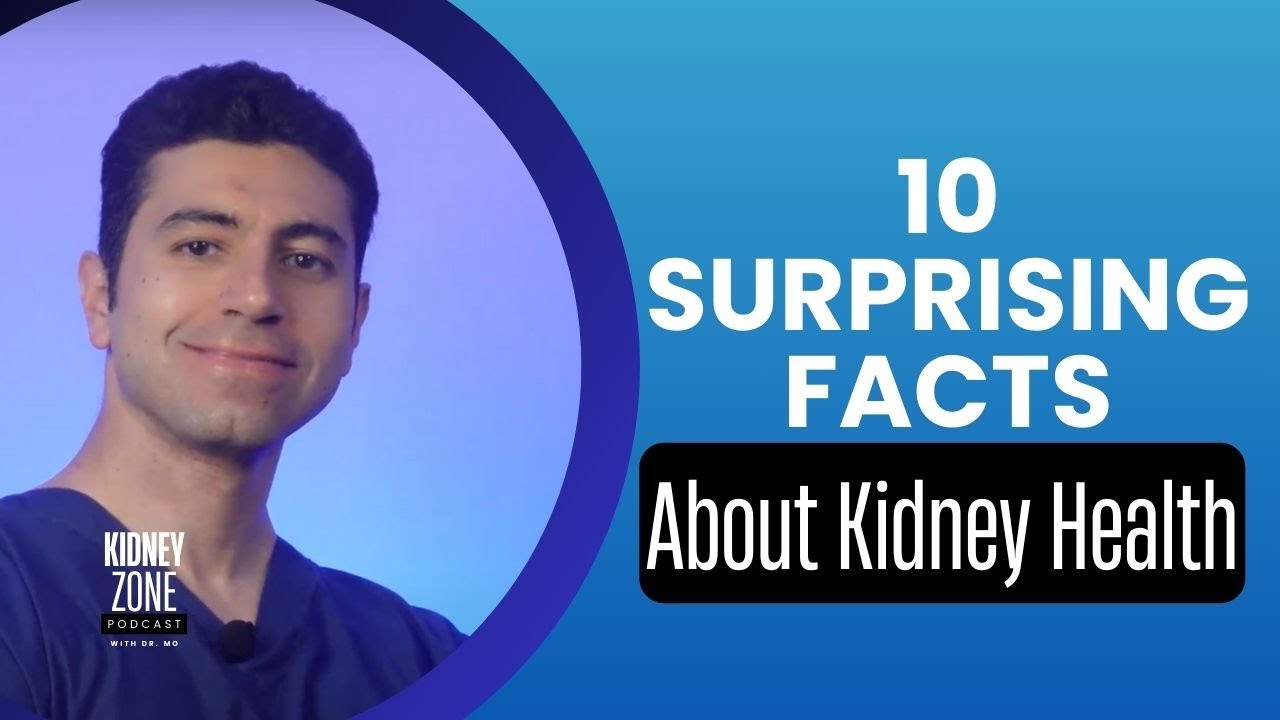
In this episode we will discuss "10 Surprising Facts About Kidney Health." We wi'll uncover lesser-known aspects of these vital organs that play a fundamental role in maintaining our overall well-being.
-
The Kidney Zone Podcast with Dr. Mo
Welcome to the Kidney Zone, where we will dive deep into the fascinating world of our body's remarkable filters. Get ready to unlock the secrets of the kidneys and transplantation as we travel through their pathways, uncovering vital tips, insightful knowledge, and practical advice to keep our kidneys healthy. Whether you're a patient with kidney disease, a medical professional, or simply curious about the kidneys, this is the place for you.
_
Follow Along on Social Media:
Facebook: https://www.facebook.com/Dr.Mo.Page
Instagram: https://www.instagram.com/dr.mo.ibrahim/
Twitter: https://twitter.com/drmoibrahim
TikTok: https://www.tiktok.com/@dr.mo.ibrahim
_
Dr. Mo Ibrahim is an assistant professor of kidney transplantation at the University of Maryland, Baltimore. He completed his clinical transplant nephrology fellowship at Washington University in 2022. Originally from Cairo, he pursued a physician/scientist career, conducting research at Duke University from 2012 to 2019. He has authored 70+ journal articles, given a TEDx talk, and holds 5 patents. Currently finishing his PhD at Erasmus University, he drives international collaborations to advance medical technology and improve medical monitoring.
_
DISCLAIMER
The content of this episode is intended for informational purposes only and is not to be considered medical advice. The information presented here is not meant to diagnose, treat, cure, or prevent any disease or medical condition.
Always consult with a qualified healthcare professional or your doctor before making any healthcare decisions or starting any treatment regimen. Individual medical situations can vary, and only a licensed healthcare provider can offer personalized advice tailored to your specific needs.
The creators of this episode are not responsible for any actions taken based on the information provided herein. Any reliance on the content of this episode is at your own risk. If you have any medical concerns or questions, please seek guidance from a medical professional promptly.
Remember that medical knowledge and practices can evolve over time, and new information may become available after the creation of this episode. Therefore, it is essential to stay up-to-date with the latest medical research and consult with your healthcare provider to ensure the best possible care for your health.

Our kidneys play a vital role in filtering out waste and toxins from our bodies, so it's essential to keep them healthy. We'll explore some amazing foods that can help with kidney detoxification and repair.
The Kidney Zone Podcast with Dr. Mo
Welcome to the Kidney Zone, where we will dive deep into the fascinating world of our body's remarkable filters. Get ready to unlock the secrets of the kidneys and transplantation as we travel through their pathways, uncovering vital tips, insightful knowledge, and practical advice to keep our kidneys healthy. Whether you're a patient with kidney disease, a medical professional, or simply curious about the kidneys, this is the place for you.
_
Follow Along on Social Media:
Facebook: https://www.facebook.com/Dr.Mo.Page
Instagram: https://www.instagram.com/dr.mo.ibrahim/
Twitter: https://twitter.com/drmoibrahim
TikTok: https://www.tiktok.com/@dr.mo.ibrahim
_
Dr. Mo Ibrahim is an assistant professor of kidney transplantation at the University of Maryland, Baltimore. He completed his clinical transplant nephrology fellowship at Washington University in 2022. Originally from Cairo, he pursued a physician/scientist career, conducting research at Duke University from 2012 to 2019. He has authored 70+ journal articles, given a TEDx talk, and holds 5 patents. Currently finishing his PhD at Erasmus University, he drives international collaborations to advance medical technology and improve medical monitoring.
_
DISCLAIMER
The content of this episode is intended for informational purposes only and is not to be considered medical advice. The information presented here is not meant to diagnose, treat, cure, or prevent any disease or medical condition.
Always consult with a qualified healthcare professional or your doctor before making any healthcare decisions or starting any treatment regimen. Individual medical situations can vary, and only a licensed healthcare provider can offer personalized advice tailored to your specific needs.
The creators of this episode are not responsible for any actions taken based on the information provided herein. Any reliance on the content of this episode is at your own risk. If you have any medical concerns or questions, please seek guidance from a medical professional promptly.
Remember that medical knowledge and practices can evolve over time, and new information may become available after the creation of this episode. Therefore, it is essential to stay up-to-date with the latest medical research and consult with your healthcare provider to ensure the best possible care for your health.

Chronic Kidney Disease is a condition that silently affects millions worldwide. Join me today as I delve into the details of its causes, symptoms, and different treatment options.
_
The Kidney Zone Podcast with Dr. Mo
Welcome to the Kidney Zone, where we will dive deep into the fascinating world of our body's remarkable filters. Get ready to unlock the secrets of the kidneys and transplantation as we travel through their pathways, uncovering vital tips, insightful knowledge, and practical advice to keep our kidneys healthy. Whether you're a patient with kidney disease, a medical professional, or simply curious about the kidneys, this is the place for you.
_
Follow Along on Social Media:
Facebook: https://www.facebook.com/Dr.Mo.Page
Instagram: https://www.instagram.com/dr.mo.ibrahim/
Twitter: https://twitter.com/drmoibrahim
TikTok: https://www.tiktok.com/@dr.mo.ibrahim
_
Dr. Mo Ibrahim is an assistant professor of kidney transplantation at the University of Maryland, Baltimore. He completed his clinical transplant nephrology fellowship at Washington University in 2022. Originally from Cairo, he pursued a physician/scientist career, conducting research at Duke University from 2012 to 2019. He has authored 70+ journal articles, given a TEDx talk, and holds 5 patents. Currently finishing his PhD at Erasmus University, he drives international collaborations to advance medical technology and improve medical monitoring.
_
DISCLAIMER
The content of this episode is intended for informational purposes only and is not to be considered medical advice. The information presented here is not meant to diagnose, treat, cure, or prevent any disease or medical condition.
Always consult with a qualified healthcare professional or your doctor before making any healthcare decisions or starting any treatment regimen. Individual medical situations can vary, and only a licensed healthcare provider can offer personalized advice tailored to your specific needs.
The creators of this episode are not responsible for any actions taken based on the information provided herein. Any reliance on the content of this episode is at your own risk. If you have any medical concerns or questions, please seek guidance from a medical professional promptly.
Remember that medical knowledge and practices can evolve over time, and new information may become available after the creation of this episode. Therefore, it is essential to stay up-to-date with the latest medical research and consult with your healthcare provider to ensure the best possible care for your health.

As the temperatures rise, it's crucial to understand how to stay hydrated and protect your kidneys during the hot summer months. Today, we will explore the question: "How Much Water Should You Drink in the Summer to Protect Your Kidneys?" In this episode, we'll dive into the importance of hydration for kidney health, how much water you should be drinking, and tips for staying hydrated throughout the summer.
Recommended Episode:
Ep 41: How much water to drink if you have kidney disease?
https://www.youtube.com/watch?v=xlHvpNBkXtc
__
The Kidney Zone Podcast with Dr. Mo
Welcome to the Kidney Zone, where we will dive deep into the fascinating world of our body's remarkable filters. Get ready to unlock the secrets of the kidneys and transplantation as we travel through their pathways, uncovering vital tips, insightful knowledge, and practical advice to keep our kidneys healthy. Whether you're a patient with kidney disease, a medical professional, or simply curious about the kidneys, this is the place for you.
_
Follow Along on Social Media:
Facebook: https://www.facebook.com/Dr.Mo.Page
Instagram: https://www.instagram.com/dr.mo.ibrahim/
Twitter: https://twitter.com/drmoibrahim
TikTok: https://www.tiktok.com/@dr.mo.ibrahim
_
Dr. Mo Ibrahim is an assistant professor of kidney transplantation at the University of Maryland, Baltimore. He completed his clinical transplant nephrology fellowship at Washington University in 2022. Originally from Cairo, he pursued a physician/scientist career, conducting research at Duke University from 2012 to 2019. He has authored 70+ journal articles, given a TEDx talk, and holds 5 patents. Currently finishing his PhD at Erasmus University, he drives international collaborations to advance medical technology and improve medical monitoring.
_
DISCLAIMER
The content of this episode is intended for informational purposes only and is not to be considered medical advice. The information presented here is not meant to diagnose, treat, cure, or prevent any disease or medical condition.
Always consult with a qualified healthcare professional or your doctor before making any healthcare decisions or starting any treatment regimen. Individual medical situations can vary, and only a licensed healthcare provider can offer personalized advice tailored to your specific needs.
The creators of this episode are not responsible for any actions taken based on the information provided herein. Any reliance on the content of this episode is at your own risk. If you have any medical concerns or questions, please seek guidance from a medical professional promptly.
Remember that medical knowledge and practices can evolve over time, and new information may become available after the creation of this episode. Therefore, it is essential to stay up-to-date with the latest medical research and consult with your healthcare provider to ensure the best possible care for your health.
