
- Physical Examination
- Surgical Examination
- Ophthalmology
- Clinical Skills
- Orthopedics
- Surgery Videos
- Laparoscopy
- Pediatrics
- Funny Videos
- Cardiothoracic Surgery
- Nursing Videos
- Plastic Surgery
- Otorhinolaryngology
- Histology and Histopathology
- Neurosurgery
- Dermatology
- Pediatric Surgery
- Urology
- Dentistry
- Oncology and Cancers
- Anatomy Videos
- Health and Fitness
- Radiology
- Anaesthesia
- Physical Therapy
- Pharmacology
- Interventional Radiology
- Cardiology
- Endocrinology
- Gynecology
- Emergency Medicine
- Psychiatry and Psychology
- Childbirth Videos
- General Medical Videos
- Nephrology
- Physiology
- Diet and Food Health
- Diabetes Mellitus
- Neurology
- Women Health
- Osteoporosis
- Gastroenterology
- Pulmonology
- Hematology
- Rheumatology
- Toxicology
- Nuclear Medicine
- Infectious Diseases
- Vascular Disease
- Reproductive Health
- Burns and Wound Healing
- Other
Top videos
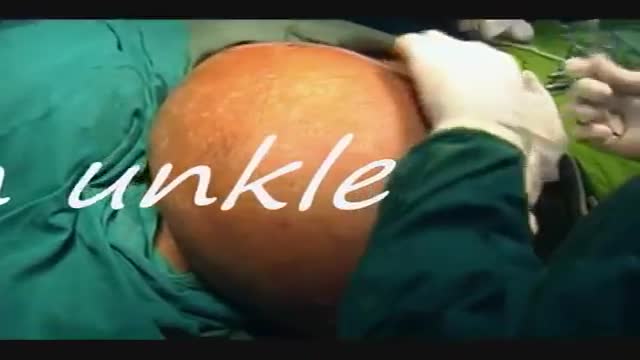

Lipomas are slow-growing soft tissue tumours that rarely reach a size larger than 2 cm. Lesions larger than 5 cm, so-called giant lipomas, can occur anywhere in the body but are seldom found in the upper extremities. The authors present their experiences with eight patients having giant lipomas of the upper extremity. In addition, a review of the literature, and a discussion of the appropriate evaluation and management are included.
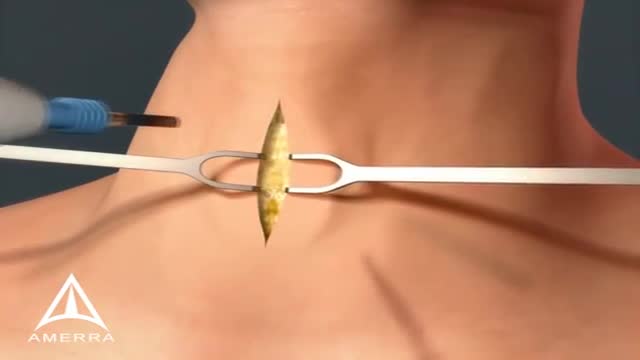
A tracheotomy or a tracheostomy is an opening surgically created through the neck into the trachea (windpipe) to allow direct access to the breathing tube and is commonly done in an operating room under general anesthesia. A tube is usually placed through this opening to provide an airway and to remove secretions from the lungs. Breathing is done through the tracheostomy tube rather than through the nose and mouth. The term “tracheotomy” refers to the incision into the trachea (windpipe) that forms a temporary or permanent opening, which is called a “tracheostomy,” however; the terms are sometimes used interchangeably.
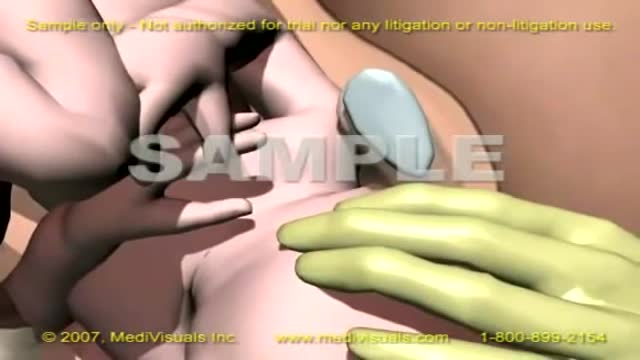
Shoulder dystocia is a rare emergency that can happen during the end of the second stage of labour. It's all to do with how your baby moves down through your vagina and out into the world. Shoulder dystocia happens when your baby's head has been born, but one of her shoulders becomes stuck.
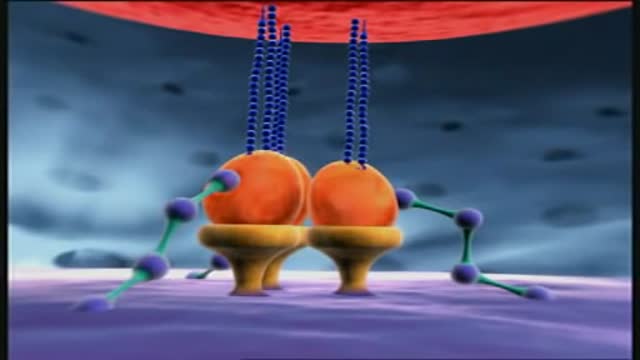
HIV gradually destroys the immune system by attacking and killing a type of white blood cell called a CD4 cell. CD4 cells play a major role in protecting the body from infection. HIV uses the machinery of the CD4 cells to multiply (make copies of itself) and spread throughout the body. This process, which is carried out in seven steps or stages, is called the HIV life cycle. HIV medicines protect the immune system by blocking HIV at different stages of the HIV life cycle. Antiretroviral therapy or ART is the use of HIV medicines to treat HIV infection. People on ART take a combination of HIV medicines from at least two different HIV drug classes every day. Because each class of drugs is designed to target a specific step in the HIV life cycle, ART is very effective at preventing HIV from multiplying. ART also reduces the risk of HIV drug resistance. ART can’t cure HIV, but HIV medicines help people with HIV live longer, healthier lives. ART also reduces the risk of HIV transmission (the spread of HIV to others).
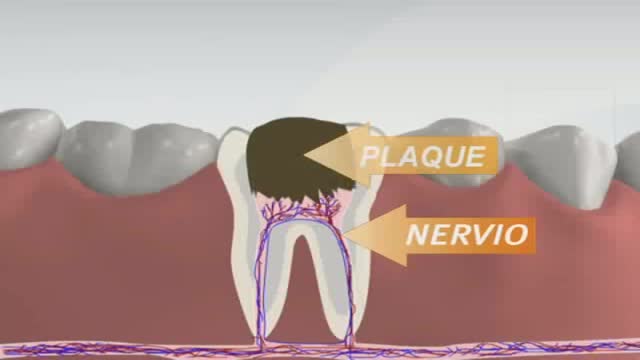
Root canals are common procedures and can help save your tooth from extraction. Dentists at Aspen Dental practices have been safely and expertly performing root canal procedures for over two decades.
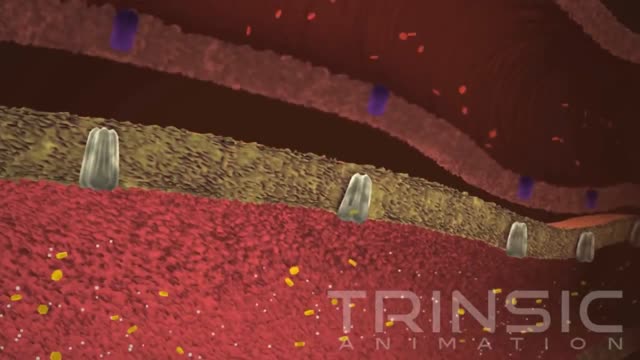
If they are damaged, waste and fluids build up in your blood instead of leaving your body. Kidney damage from diabetes is called diabetic nephropathy. It begins long before you have symptoms. An early sign of it is small amounts of protein in your urine.
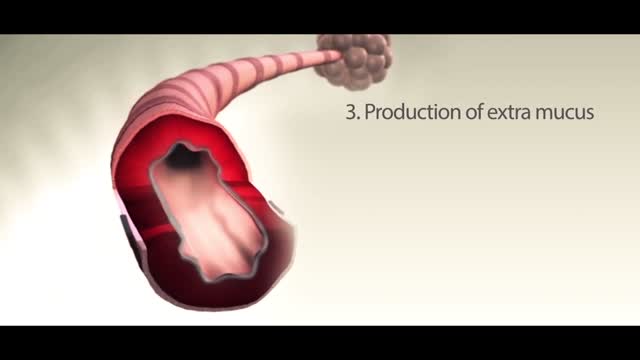
Asthma is a condition in which your airways narrow and swell and produce extra mucus. This can make breathing difficult and trigger coughing, wheezing and shortness of breath.
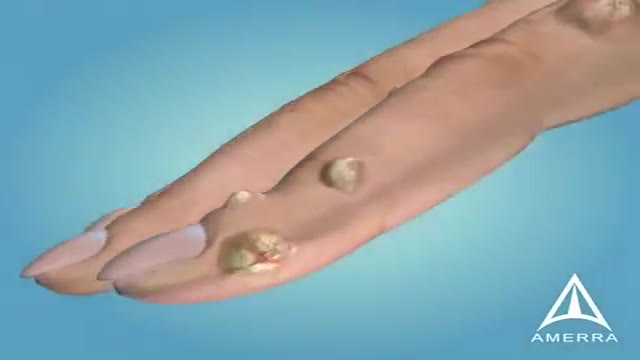
But common warts are actually an infection in the top layer of skin, caused by viruses in the human papillomavirus, or HPV, family. When the virus invades this outer layer of skin, usually through a tiny scratch, it causes rapid growth of cells on the outer layer of skin – creating the wart.
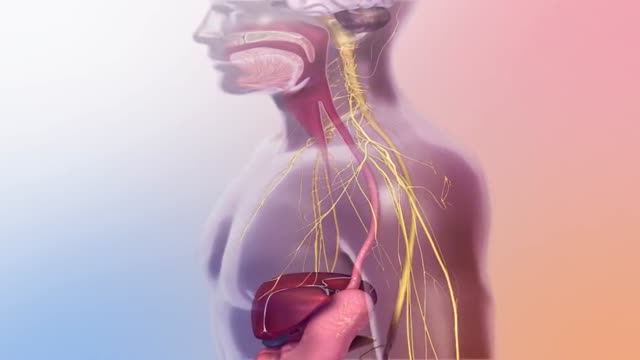
Peristalsis, involuntary movements of the longitudinal and circular muscles, primarily in the digestive tract but occasionally in other hollow tubes of the body, that occur in progressive wavelike contractions. Peristaltic waves occur in the esophagus, stomach, and intestines.
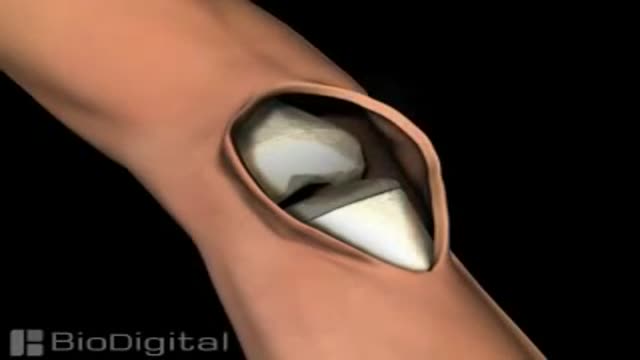
Knee replacement, also called arthroplasty, is a surgical procedure to resurface a knee damaged by arthritis. Metal and plastic parts are used to cap the ends of the bones that form the knee joint, along with the kneecap. This surgery may be considered for someone who has severe arthritis or a severe knee injury.
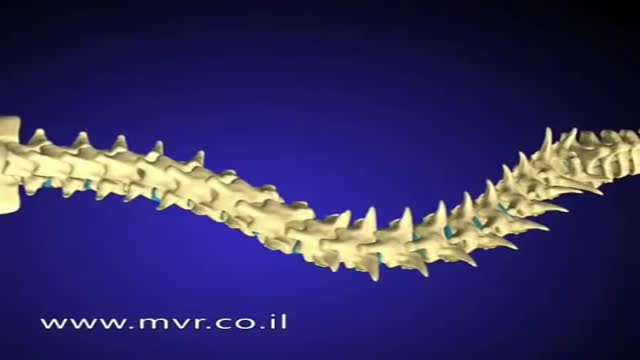
There are several approaches to scoliosis surgery, but all use modern instrumentation systems in which hooks and screws are applied to the spine to anchor long rods. The rods are then used to reduce and hold the spine while bone that is added fuses together with existing bone.
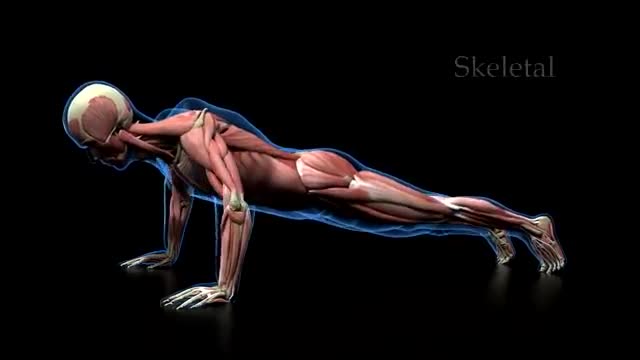
Neurotricional Sciences Push up
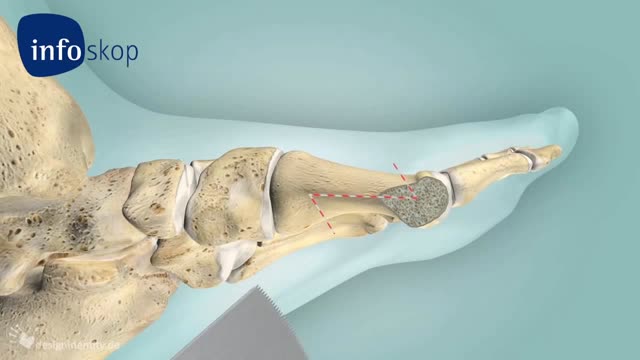
Knee osteotomy is commonly used to realign your knee structure if you have arthritic damage on only one side of your knee. The goal is to shift your body weight off the damaged area to the other side of your knee, where the cartilage is still healthy. When surgeons remove a wedge of your shinbone from underneath the healthy side of your knee, the shinbone and thighbone can bend away from the damaged cartilage. Imagine the hinges on a door. When the door is shut, the hinges are flush against the wall. As the door swings open, one side of the door remains pressed against the wall as space opens up on the other side. Removing just a small wedge of bone can "swing" your knee open, pressing the healthy tissue together as space opens up between the thighbone and shinbone on the damaged side so that the arthritic surfaces do not rub against each other. Osteotomy is also used as an alternative treatment to total knee replacement in younger and active patients. Because prosthetic knees may wear out over time, an osteotomy procedure can enable younger, active osteoarthritis patients to continue using the healthy portion of their knee. The procedure can delay the need for a total knee replacement for up to ten years.
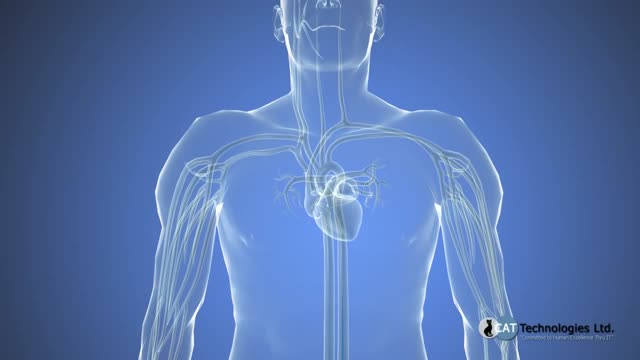
Cardiac cath is performed to find out if you have disease of the heart muscle, valves or coronary (heart) arteries. During the procedure, the pressure and blood flow in your heart can be measured. Coronary angiography is done during cardiac catheterization.

Ventral Hernia Repair
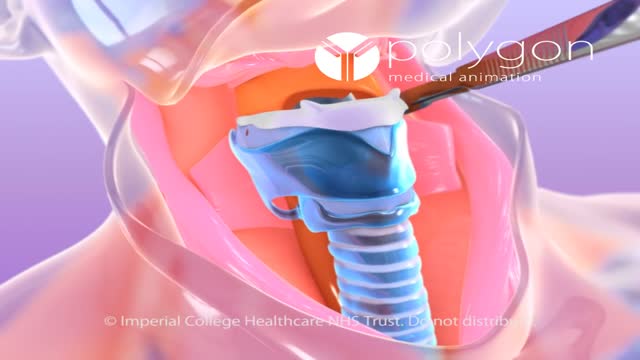
Laryngectomy is the removal of the larynx and separation of the airway from the mouth, nose and esophagus. In a total laryngectomy the entire larynx is removed and in a partial laryngectomy only a portion is taken out. The laryngectomee breathes through an opening in the neck known as a stoma.
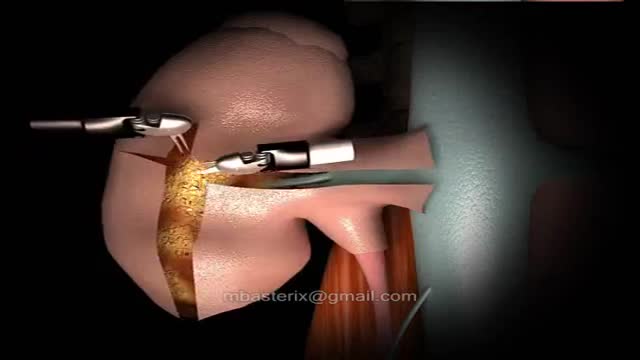
The robotic approach to renal surgery, particularly partial nephrectomy, has some inherent challenges, and some familiarity with the da Vinci robotic system is necessary. The surgeon must gain an understanding of the robotic arm movements and range of motion, especially in relation to the clutch and camera. The advent of robotically assisted prostatectomy in 2001 [23] paved the way for widespread accessibility to the da Vinci robotic unit and its application to renal surgery. Since that time, at least one multi-institutional survey has demonstrated superiority of the robotic approach when compared to laparoscopic for outcomes of blood loss, hospital stay and a substantially shorter warm ischemia time, while maintaining equivalence in positive margin rate, operative time and complications. [11] A transperitoneal approach is most commonly used. Prior abdominal operation is not necessarily a contraindication to this procedure, but access should be approached with regard for previous operation(s) by an experienced team.
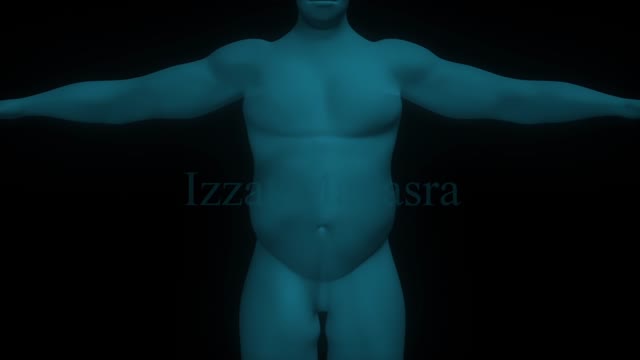
Bariatric surgical procedures cause weight loss by restricting the amount of food the stomach can hold, causing malabsorption of nutrients, or by a combination of both gastric restriction and malabsorption. Bariatric procedures also often cause hormonal changes. Most weight loss surgeries today are performed using minimally invasive techniques (laparoscopic surgery). The most common bariatric surgery procedures are gastric bypass, sleeve gastrectomy, adjustable gastric band, and biliopancreatic diversion with duodenal switch. Each surgery has its own advantages and disadvantages.
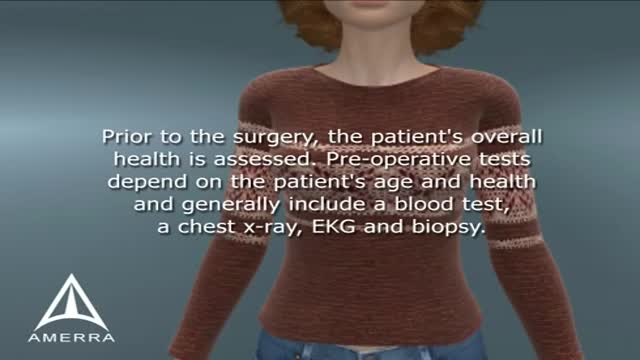
A modified radical mastectomy is a procedure in which the entire breast is removed, including the skin, areola, nipple, and most axillary lymph nodes; the pectoralis major muscle is spared. Historically, a modified radical mastectomy was the primary method of treatment of breast cancer. [1, 2] As the treatment of breast cancer evolved, breast conservation has become more widely used. [3, 4] However, mastectomy still remains a viable option for women with breast cancer. [5, 6]
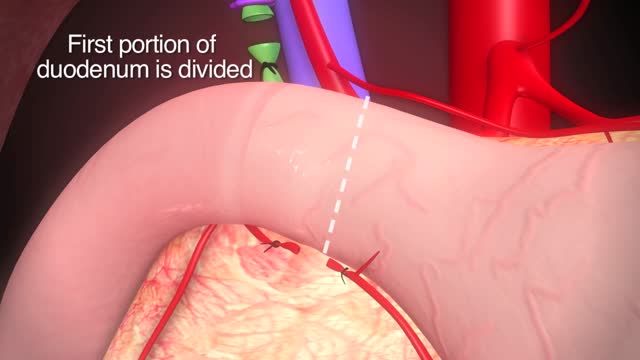
Our specialists treat conditions that are recurrent and hard to treat. Simply put, TPIAT a procedure that lets surgeons remove the pancreas, take out islet cells – the cells in the pancreas that make insulin – and put those islet cells into the liver. Patients then take pancreatic enzymes to help them digest food.
