
- Physical Examination
- Surgical Examination
- Ophthalmology
- Clinical Skills
- Orthopedics
- Surgery Videos
- Laparoscopy
- Pediatrics
- Funny Videos
- Cardiothoracic Surgery
- Nursing Videos
- Plastic Surgery
- Otorhinolaryngology
- Histology and Histopathology
- Neurosurgery
- Dermatology
- Pediatric Surgery
- Urology
- Dentistry
- Oncology and Cancers
- Anatomy Videos
- Health and Fitness
- Radiology
- Anaesthesia
- Physical Therapy
- Pharmacology
- Interventional Radiology
- Cardiology
- Endocrinology
- Gynecology
- Emergency Medicine
- Psychiatry and Psychology
- Childbirth Videos
- General Medical Videos
- Nephrology
- Physiology
- Diet and Food Health
- Diabetes Mellitus
- Neurology
- Women Health
- Osteoporosis
- Gastroenterology
- Pulmonology
- Hematology
- Rheumatology
- Toxicology
- Nuclear Medicine
- Infectious Diseases
- Vascular Disease
- Reproductive Health
- Burns and Wound Healing
- Other
Top videos
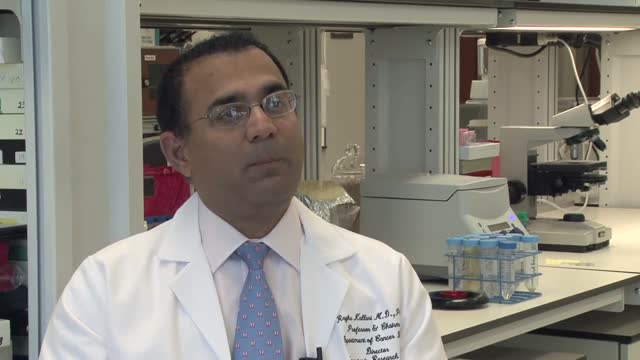

Simple blood test could locate gene defects associated with cancer
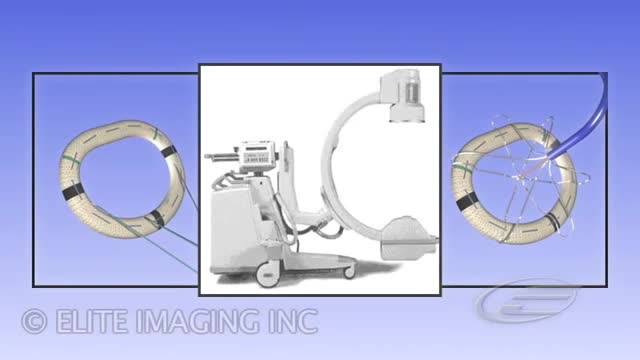
Ring System is used to correct mitral regurgitation via implantation of an annuloplasty ring

In most people, post-concussion syndrome symptoms occur within the first seven to 10 days and go away within three months, though they can persist for a year or more. Post-concussion syndrome treatments are aimed at easing specific symptoms.
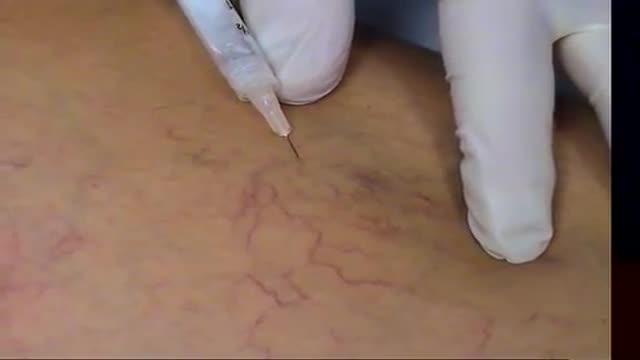
The Dermatology Center, UC Irvine, 949 824 0606. Foam sclerotherapy for leg veins. Unsightly leg veins are best removed with sclerotherapy in 95% of cases. Varicose veins are best removed with stab avulsion or CootTouch endovenous ablation (CTEV). Science and research at UCI.

UCSF Director of Women's Imaging, San Francisco General Hospital, looks at pros and cons of imagining techniques for younger women. Series: "Breast Cancer Prevention and Treatment"
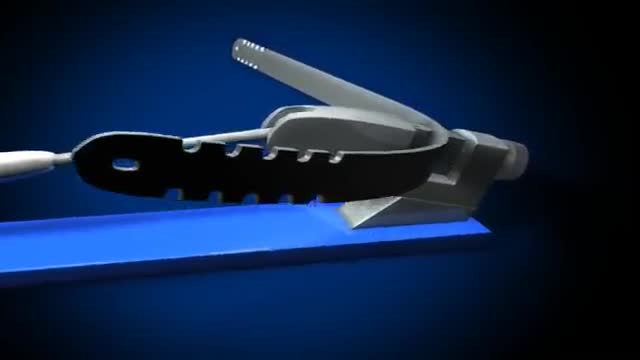
The cause of pectus excavatum is not known however it can run in families, with up to 25 percent of affected patients reporting chest wall abnormalities in other family members. Pectus excavatum occurs in approximately 1 out of 400–1000 children and is three to five times more common in males than females.
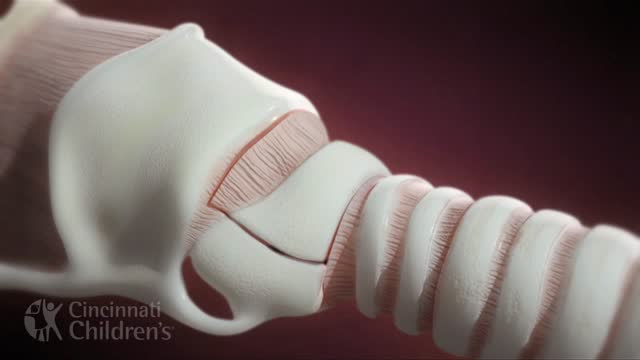
CTR is a surgery in which the narrowed part of the airway just below the voice box (larynx) is removed and the voice box and windpipe (trachea) are sewn back together. It is also used to treat other airway problems.
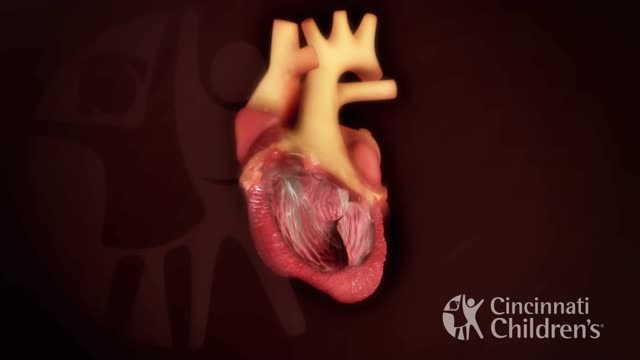
Truncus arteriosus is a rare type of heart disease that in which a single blood vessel (truncus arteriosus) comes out of the right and left ventricles, instead of the normal 2 vessels (pulmonary artery and aorta). It is present at birth (congenital heart disease)
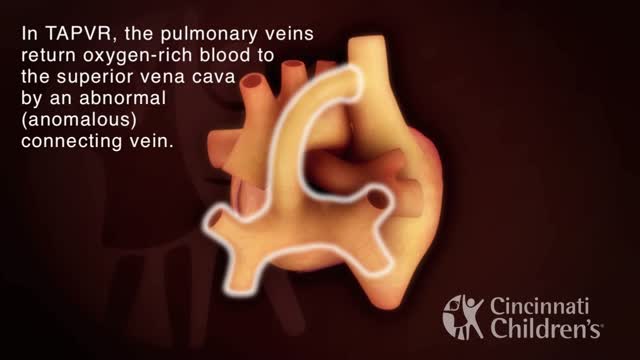
Total anomalous pulmonary venous return (TAPVR) is a rare congenital malformation in which pulmonary veins that return oxygen-rich blood from the lungs do not connect normally to the left atrium. Instead all four pulmonary veins drain abnormally to the right atrium. Heart models and animation were developed by the Cincinnati Children's Heart Institute in conjunction with Cincinnati Children's Critical Care Media Lab.
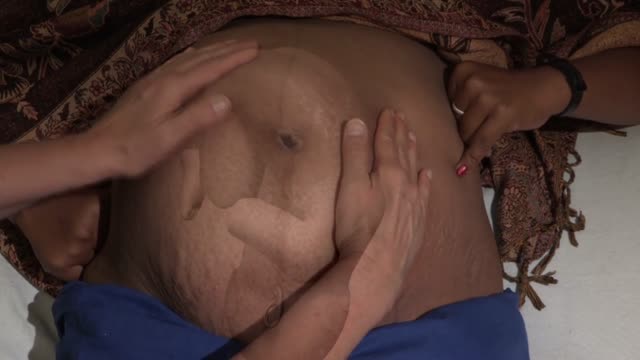
Occiput or cephalic — the baby's head is down, and the baby is facing the mother's abdomen. This position results in back pain and a prolonged labor. Transverse — the baby is lying crosswise in the uterus, side-to-side over the mother's pelvis, in a horizontal position rather than vertical.

Your baby is still tiny, but already your body is changing. Your breasts start to swell and may feel tender. Tiredness, nausea, and a frequent need to pee are common pregnancy symptoms. In your second trimester, your growing uterus gradually rises up out of your pelvis.

Intrauterine insemination (IUI) is a fertility treatment that involves placing sperm inside a woman's uterus to facilitate fertilization. The goal of IUI is to increase the number of sperm that reach the fallopian tubes and subsequently increase the chance of fertilization.
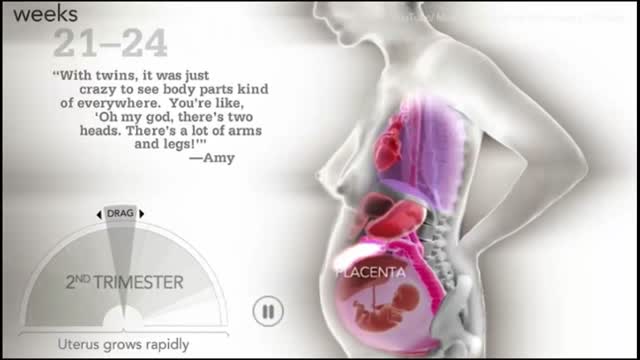
How a woman's body changes during Pregnancy
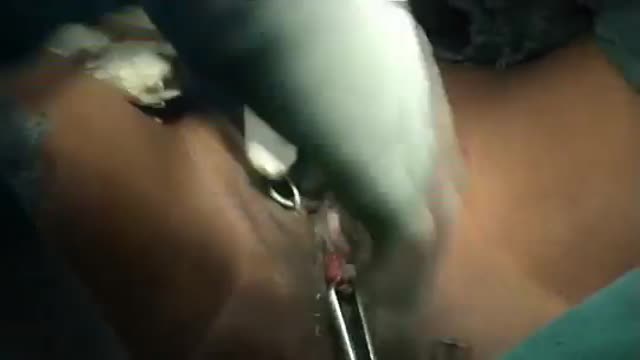
Bartholin gland Marsupialization in Primary Bartholin Cyst
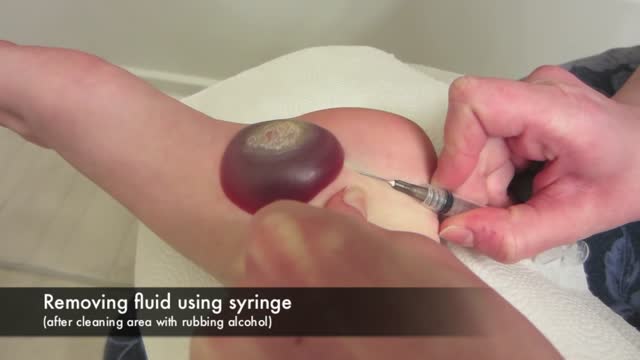
BIG wart blister after freezing with liquid nitrogen

During this week your baby's brain form channels and creases with the help of more tissues with greater surface area. Check out this video for detail information on 30 weeks pregnant -
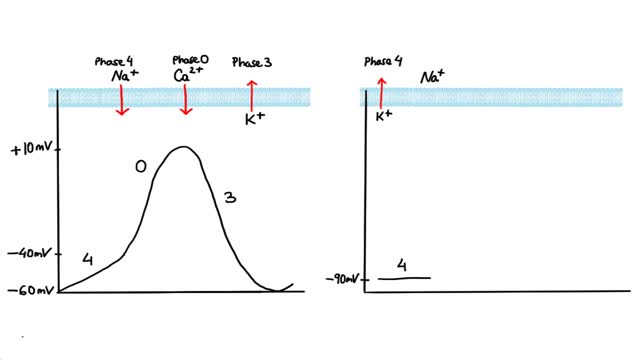
Antiarrhythmics are drugs that are used to treat abnormal heart rhythms resulting from irregular electrical activity of the heart. There are many different types of antiarrhythmic drugs. Examples include: Amiodarone (Cordarone) Flecainide (Tambocor) Procainamide (Procanbid) Sotalol (Betapace) In addition, there are other types of heart drugs that can be used to treat arrhythmias, including: Beta-blockers such as metoprolol or Toprol XL, which reduce the heart's workload and heart rate. Calcium channel blockers such as verapamil or Calan, which also reduces the heart rate.
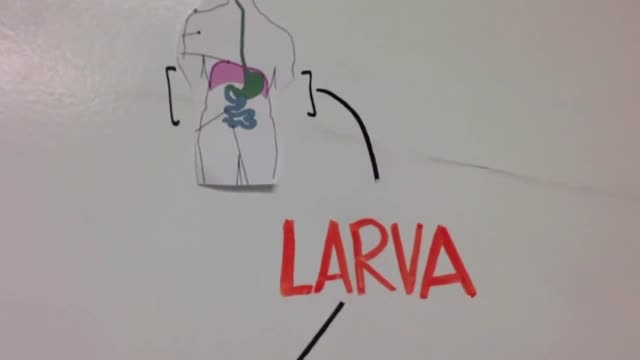
Trichinosis (trik-ih-NO-sis), sometimes called trichinellosis (trik-ih-nuh-LOW-sis), is a type of roundworm infection. Roundworm parasites use a host body to live and reproduce. Occurring primarily among meat-eating animals (carnivores) — especially bears, foxes and walruses — the infection is acquired by eating roundworm larvae in raw or undercooked meat. When humans eat undercooked meat containing trichinella larvae, the larvae mature into adult worms in the intestine over several weeks. The adult worms then produce larvae that travel through various tissues, including muscle. Trichinosis is most widespread in rural areas throughout the world. Trichinosis can be treated with medication, though it's not always necessary. It's also easy to prevent.

Sporotrichosis (also known as "rose gardener's disease") is a disease caused by the infection of the fungus Sporothrix schenckii. This fungal disease usually affects the skin, although other rare forms can affect the lungs, joints, bones, and even the brain.
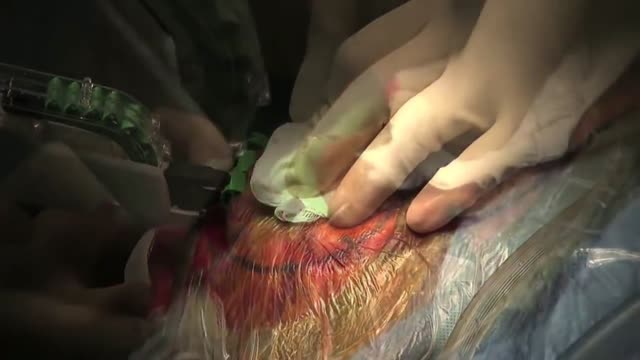
Surgery is an alternative for some people whose seizures cannot be controlled by medications. It has been used for more than a century, but its use dramatically increased in the 1980s and 90s, reflecting its effectiveness as an alternative to seizure medicines. The benefits of surgery should be weighed carefully against its risks, however, because there is no guarantee that it will be successful in controlling seizures. People with partial epilepsy who are considered for surgery have difficult-to-control seizures that have not responded to aggressive treatment with medication. In the past, patients usually tried several medications with poor results for many years, even decades, before being considered for surgery. More recently, surgery is being considered sooner. Studies have shown that the earlier surgery is performed, the better the outcome. Surgery is now being performed on some people whose seizures have been uncontrolled for only 1 or 2 years. At least two single drugs and a combination of two or more drugs should be tried before surgery is considered. Epilepsy surgery can be especially helpful to people who have seizures from structural brain problems (such as benign brain tumors, strokes or malformations of blood vessels).
