
- Physical Examination
- Surgical Examination
- Ophthalmology
- Clinical Skills
- Orthopedics
- Surgery Videos
- Laparoscopy
- Pediatrics
- Funny Videos
- Cardiothoracic Surgery
- Nursing Videos
- Plastic Surgery
- Otorhinolaryngology
- Histology and Histopathology
- Neurosurgery
- Dermatology
- Pediatric Surgery
- Urology
- Dentistry
- Oncology and Cancers
- Anatomy Videos
- Health and Fitness
- Radiology
- Anaesthesia
- Physical Therapy
- Pharmacology
- Interventional Radiology
- Cardiology
- Endocrinology
- Gynecology
- Emergency Medicine
- Psychiatry and Psychology
- Childbirth Videos
- General Medical Videos
- Nephrology
- Physiology
- Diet and Food Health
- Diabetes Mellitus
- Neurology
- Women Health
- Osteoporosis
- Gastroenterology
- Pulmonology
- Hematology
- Rheumatology
- Toxicology
- Nuclear Medicine
- Infectious Diseases
- Vascular Disease
- Reproductive Health
- Burns and Wound Healing
- Other
Top videos
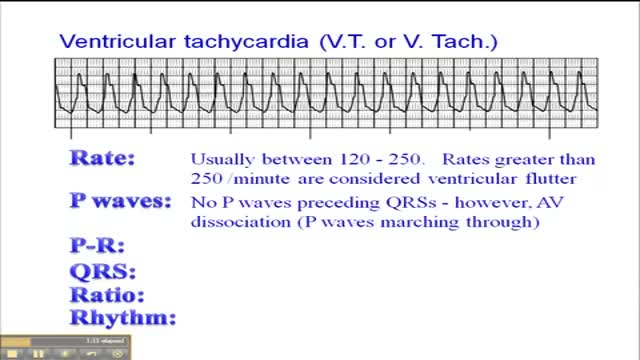

Ventricular tachycardia is a type of heart rhythm disorder (arrhythmia) in which the lower chambers of your heart (ventricles) beat very quickly because of a problem in your heart's electrical system. In ventricular tachycardia, your heart may not be able to pump enough blood to your body and lungs because the chambers are beating so fast that they don't have time to properly fill. Ventricular tachycardia may be brief — lasting for just seconds and often not causing symptoms — or it can last for much longer, and you can develop symptoms such as dizziness or lightheadedness, or you can even pass out. This condition usually occurs in people with other heart conditions, such as coronary artery disease, cardiomyopathy and some types of valvular heart disease. Ventricular tachycardia may lead to a condition in which your lower heart chambers quiver (ventricular fibrillation), which may cause your heart to stop (sudden cardiac arrest) and lead to death if not treated immediately. Ventricular tachycardia can also cause your heart to stop, especially if the heart is beating very quickly, if it's lasting for a long period, and if you have an underlying heart condition.
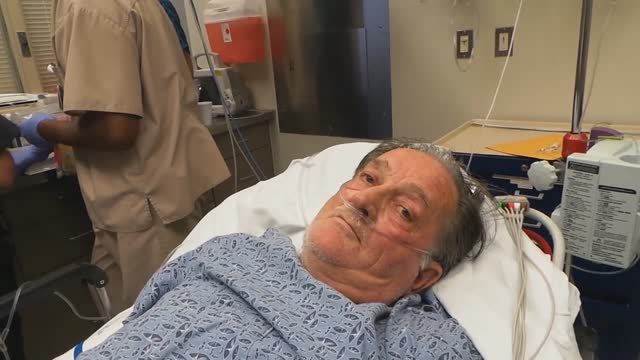
Claudication, which is defined as reproducible ischemic muscle pain, is one of the most common manifestations of peripheral arterial occlusive disease (PAOD) caused by atherosclerosis. Claudication occurs during physical activity and is relieved after a short rest. Pain develops because of inadequate blood flow.
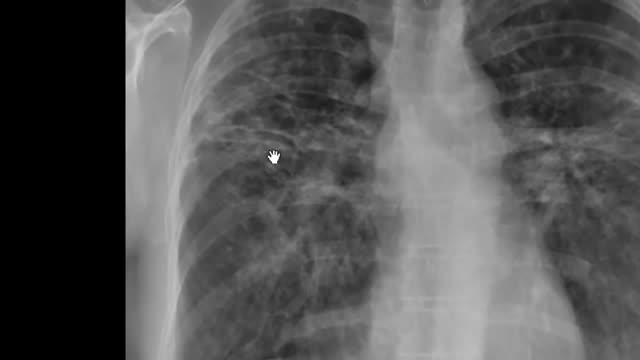
Pulmonary fibrosis is a lung disease that occurs when lung tissue becomes damaged and scarred. This thickened, stiff tissue makes it more difficult for your lungs to work properly. As pulmonary fibrosis worsens, you become progressively more short of breath. The scarring associated with pulmonary fibrosis can be caused by a multitude of factors. But in most cases, doctors can't pinpoint what's causing the problem. When a cause can't be found, the condition is termed idiopathic pulmonary fibrosis. The lung damage caused by pulmonary fibrosis can't be repaired, but medications and therapies can sometimes help ease symptoms and improve quality of life. For some people, a lung transplant might be appropriate.
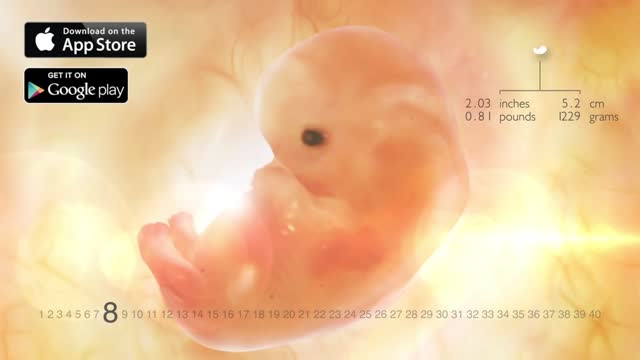
Looking for a week-by-week guide to pregnancy? You're in luck! We've got loads of expert-approved info about each week and trimester, including what's up with your growing baby and what changes to expect for yourself. You'll find stunning fetal development videos, thousands of articles, and helpful tools like our Due Date Calculator and Baby Names Finder. Meet other parents-to-be in our online community, and get all of this and more in our free pregnancy app. Dive in, and congratulations!
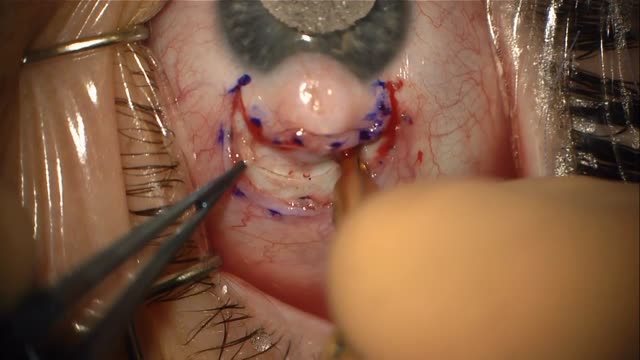
Limbal dermoid is a congenital growth on the eye that forms from germline cells that get trapped in this region during embryogenesis. The dermoid often has tissue from multiple germ layers including hair and fat. Dermoids on the eye can cause astigmatism and be unsightly.
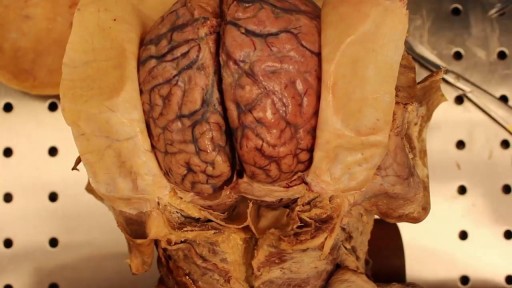
Opening of the Cranium
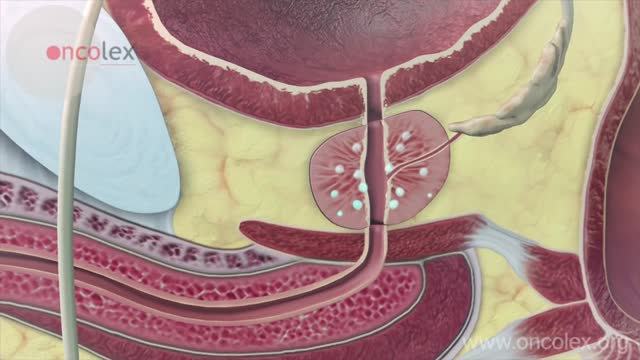
Prostate Cancer older man thinking Prostate cancer is the most common cancer among men (after skin cancer), but it can often be treated successfully. More than 2 million men in the US count themselves as prostate cancer survivors.
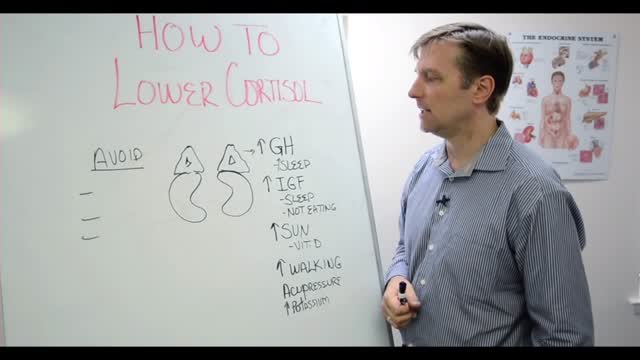
Assuming you haven't been diagnosed with Cushing's disease by your doctor, here are steps you can take to help lower high cortisol levels naturally: Switch to a Whole Foods, Anti-inflammatory Diet. Reduce and Manage Stress. Exercise Regularly. Use Adaptogen Herbs and Superfoods. Try Essential Oils to Promote Relaxation.
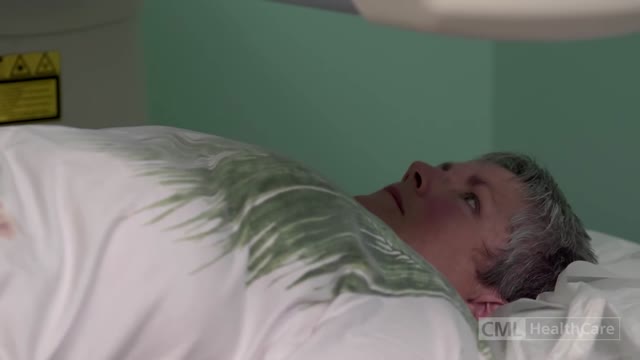
How to prepare for your bone density scan
Osteoporosis is a disease that weakens bones over time. Because of this, it puts you at risk for breaking a bone. Postmenopausal osteoporosis is the most common form of osteoporosis. It affects many women after menopause, leaving some women at high risk for fracture. - See more at: https://www.prolia.com/postmenopausal-osteoporosis/deeper-look/?WT.z_co=A&WT.z_in=PMO&WT.z_ch=PDS&WT.z_st=Site1&WT.z_mt=Broad&WT.z_pdskw=www%20osteoporosis&WT.z_ag=Osteoporosis%20Information%20-%20Broad&WT.z_se=G&WT.srch=1&WT.z_prm=DSE__&WT.mc_id=A_PMO_PDS_G_DSE___Broad_www%20osteoporosis_Osteoporosis%20Information%20-%20Broad#sthash.x5Ys3Now.dpuf
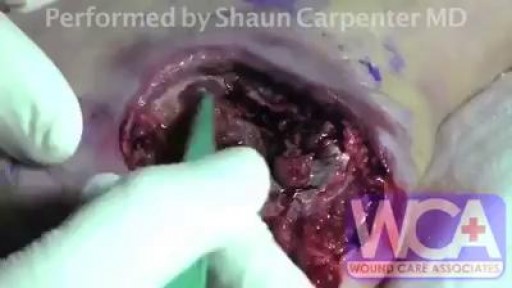
A Case use dòi eat organization batters prince toilet variable witness diabetic
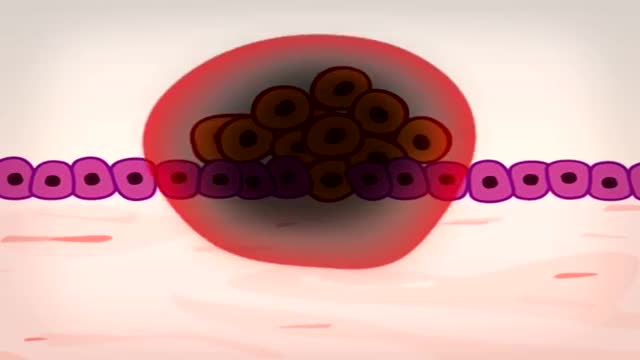
In 5 minutes find out how and why a normal cell becomes a cancer cell: risk factors and treatment.
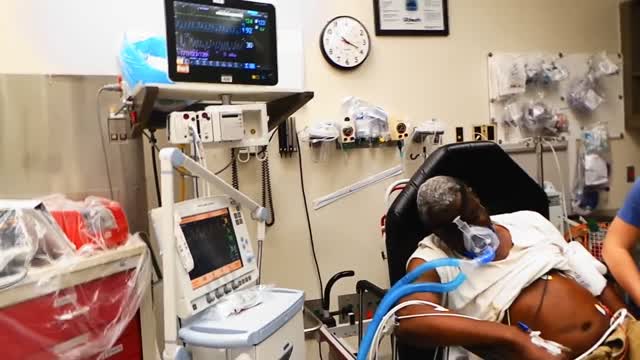
Pulmonary edema is almost always treated in the emergency room or hospital. You may need to be in an intensive care unit (ICU). Oxygen is given through a face mask or tiny plastic tubes are placed in the nose. A breathing tube may be placed into the windpipe (trachea) so you can be connected to a breathing machine (ventilator) if you cannot breathe well on your own. The cause of edema should be identified and treated quickly. For example, if a heart attack has caused the condition, it must be treated right away. Medicines that may be used include: Diuretics that remove excess fluid from the body Medicines that strengthen the heart muscle, control the heartbeat, or relieve pressure on the heart
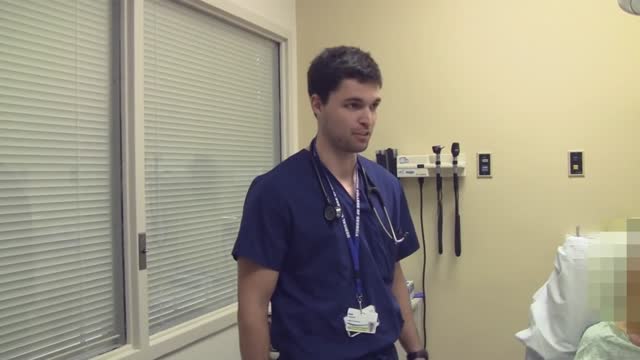
Honeymoon palsy from another individual sleeping on and compressing one's arm overnight. Saturday night palsy from falling asleep with one's arm hanging over the arm rest of a chair, compressing the radial nerve
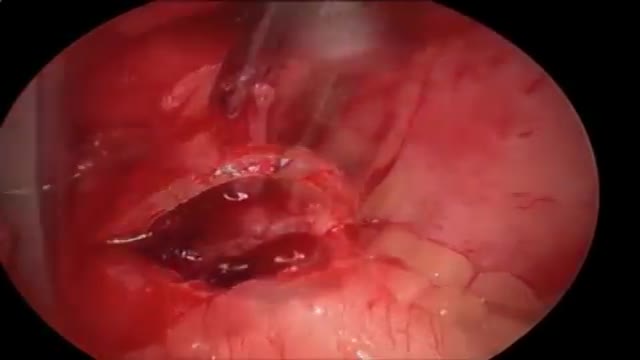
Saddle pulmonary embolism (PE) is a form of large pulmonary thrombo-embolism that straddles the main pulmonary arterial trunk at its bifurcation. Its incidence among patients diagnosed with PE was found to be approximately 2.6%.
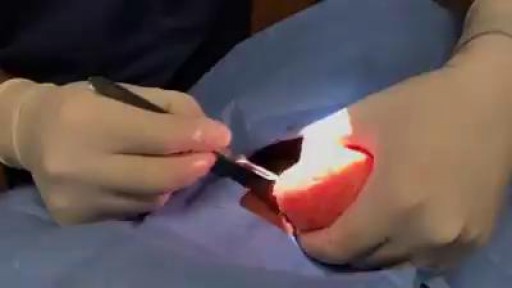
Lipomas are slow-growing soft tissue tumours that rarely reach a size larger than 2 cm. Lesions larger than 5 cm, so-called giant lipomas, can occur anywhere in the body but are seldom found in the upper extremities. The authors present their experiences with eight patients having giant lipomas of the upper extremity. In addition, a review of the literature, and a discussion of the appropriate evaluation and management are included.
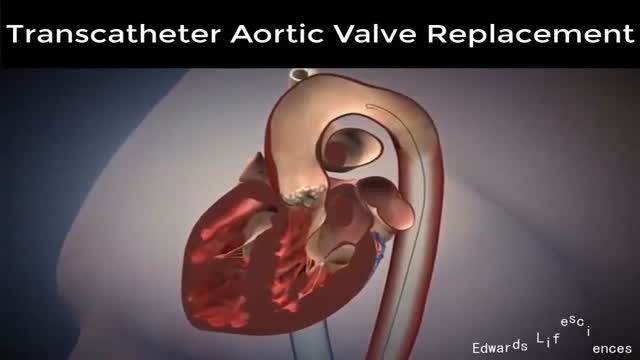
Transcatheter aortic valve replacement (TAVR) has recently emerged as a therapeutic option for patients with severe aortic stenosis

Instead, try these natural solutions and lifestyle changes, which may help you stop snoring. Change Your Sleep Position. ... Lose Weight. ... Avoid Alcohol. ... Practice Good Sleep Hygiene. ... Open Nasal Passages. ... Change Your Pillows. ... Stay Well Hydrated.
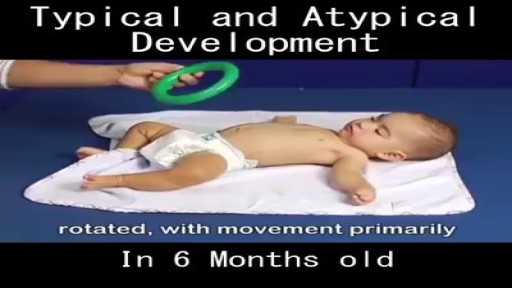
6 months old development

The pituitary is a small gland found inside the skull just below the brain and above the nasal passages, which are above the fleshy back part of the roof of the mouth (known as the soft palate). The pituitary sits in a tiny bony space called the sella turcica. The nerves that connect the eyes to the brain, called the optic nerves, pass close by it.
