
- Physical Examination
- Surgical Examination
- Ophthalmology
- Clinical Skills
- Orthopedics
- Surgery Videos
- Laparoscopy
- Pediatrics
- Funny Videos
- Cardiothoracic Surgery
- Nursing Videos
- Plastic Surgery
- Otorhinolaryngology
- Histology and Histopathology
- Neurosurgery
- Dermatology
- Pediatric Surgery
- Urology
- Dentistry
- Oncology and Cancers
- Anatomy Videos
- Health and Fitness
- Radiology
- Anaesthesia
- Physical Therapy
- Pharmacology
- Interventional Radiology
- Cardiology
- Endocrinology
- Gynecology
- Emergency Medicine
- Psychiatry and Psychology
- Childbirth Videos
- General Medical Videos
- Nephrology
- Physiology
- Diet and Food Health
- Diabetes Mellitus
- Neurology
- Women Health
- Osteoporosis
- Gastroenterology
- Pulmonology
- Hematology
- Rheumatology
- Toxicology
- Nuclear Medicine
- Infectious Diseases
- Vascular Disease
- Reproductive Health
- Burns and Wound Healing
- Other
Top videos

Like a fine whiskey barrel and wine cellar, cannabis also comes at its best when aged in a dark, cool place. Though there is no steadfast expiration date for cannabis, the method you use for preserving the cannabis makes a big difference in maintaining the buds’ freshness and potency. The question is, how do you store cannabis in a way that could extend its longevity while maintaining the vigor and freshness? Experts have described different methods. However, here are some time-proven methods that are easy and inexpensive and require very less equipment. Use air-tight glass containers to store the weed Use clean air-tight glass containers or jars to store cannabis. You can buy glass containers from any ordinary supermarket or hardware store. The tricky part is to make sure you do leave some air in the container while the air stored with cannabis isn’t in detrimental extent. Always leave 1/4 space at the top of the canister or container. Do not fill the containers to the brim with the buds. If you leave no air, then the buds will dry out. If you have too much air, the buds will get damp and moldy. Freeze your cannabis in a convenient temperature The best way to store your buds is in air-tight glass jars, in a cool and dark place under an ideal temperature between 60 and 70 degrees Fahrenheit. If you need to store a high volume of cannabis, you can freeze them after keeping them completely dry for a period of 4 weeks. On this note, you should know that you must not handle frozen buds until it becomes normal in room temperature as trichomes become brittle and can easily break off in freezing temperature. Refrigerate your cannabis (Not Recommended) Even if you use airtight jars, cannabis can grow mold in the fridge. So, you should avoid storing cannabis in the fridge. If you can’t help but doing it, make sure the weed is completely dry and put them in the back where the humidity and temperature don’t fluctuate. Plastic Baggies (Worst method!) Albeit this is very common among people who aren’t expert in handling cannabis, this is the worst of all storage methods. Cannabis gets brittle and dries out in plastic bags. It also loses its natural smell, and the potency deteriorates sharply. So, it should be avoided entirely or can be used for a short-term if there is no better alternative. Here are some things you should know while storing cannabis - Make sure cannabis has been cured for at least 4 weeks before putting them into long-term storage. Without proper curing before storage, the buds can lose their strength and smoothness. - Sunlight can stop the medicinal qualities of cannabis. Your cannabis, if stored correctly, can maintain its medicinal qualities for a few years. Exposure to Sun will turn your cannabis brown, no matter how you have stored it away. - Air-tight, nonporous glass jar are the best way for storing the buds for long term. You can use metal or plastic box/bag, but that could reduce the smell and taste after a while. - Avoid heat and middling temperature in the place where you store your buds. The ideal temperature is 60-70°F (15-21°C) or under 32°F (0°C). Extra heat, cold or middling temperature cause the cannabis potency to decrease. - Keep your cannabis away from any electronic devices or appliances that will expose the cannabis to heat. Keeping cannabis on top of a microwave, or near a laptop or mobile charge is a bad idea. Now, as you know that how to store cannabis properly and make it last for years, enjoy the best form of your weeds even it comes from the previous year. Do write to us in the comments section if you have any questions. Also, don’t forget to hit the subscribe button below. Visit OnlineMedicalCard.com now to get an MMJ recommendation online in less than 10 minutes.
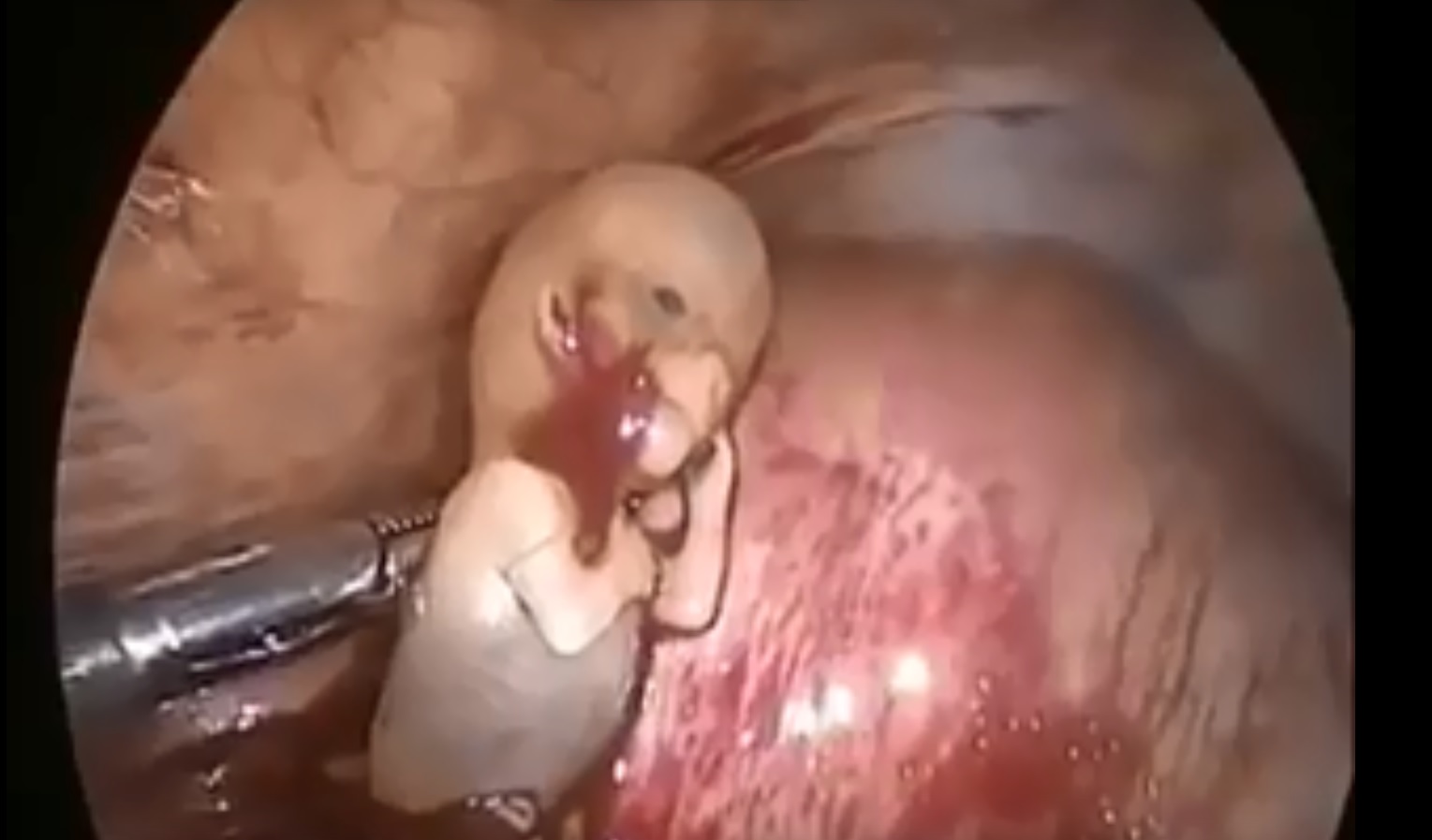
Watch that Ectopic Baby Removal Surgery

Mothers can do everything for her baby
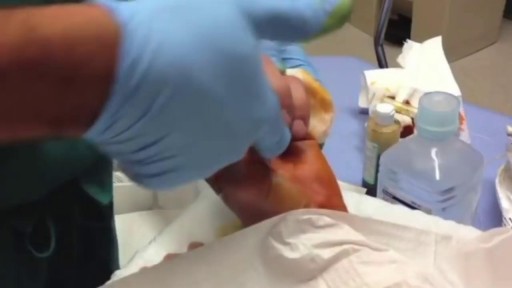
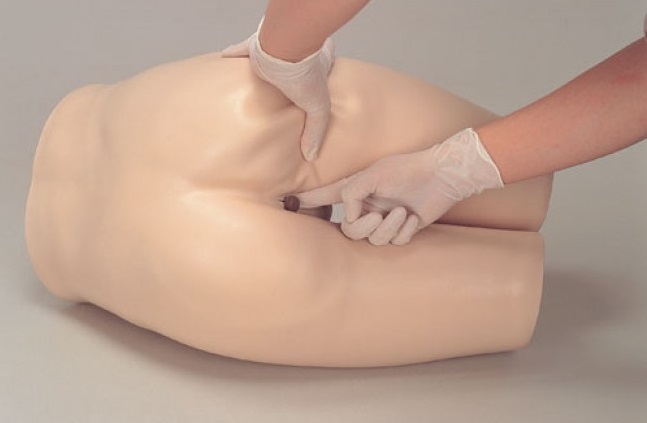
watch that Enema Insertion Medical Procedure
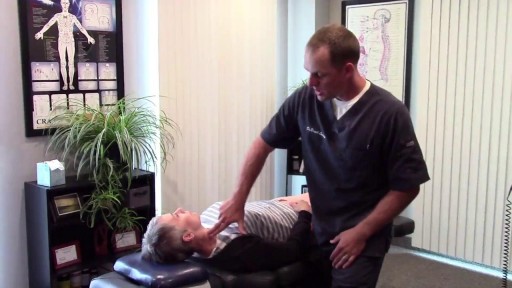
Wisdom teeth extractions can rear their ugly head later in life. This is a video of a patient with neck pain and neck weakness. When we stimulated the nerve fibers in the area of the extracted teeth there was an immediate improvement in her ability to control her neck muscles.
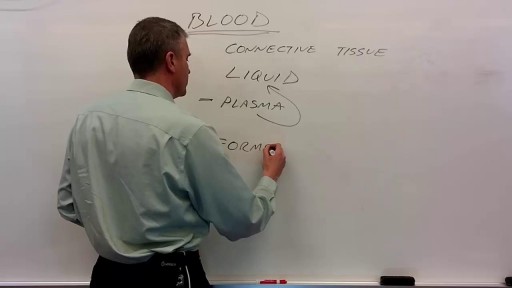

One of a series of films we produced to help patients, their families and carers learn more about some of the most common tests and procedures used to diagnose and treat blood diseases. Patients who have previously undergone these tests helped us to design the videos. Each film clearly explains what the procedure involves and addresses common issues and concerns including: Why your doctor recommended this procedure What you need to do to prepare What you can expect during the procedure What you need to do afterwards Not every patient will be referred for all of these tests and practice may differ slightly depending on where you are treated.
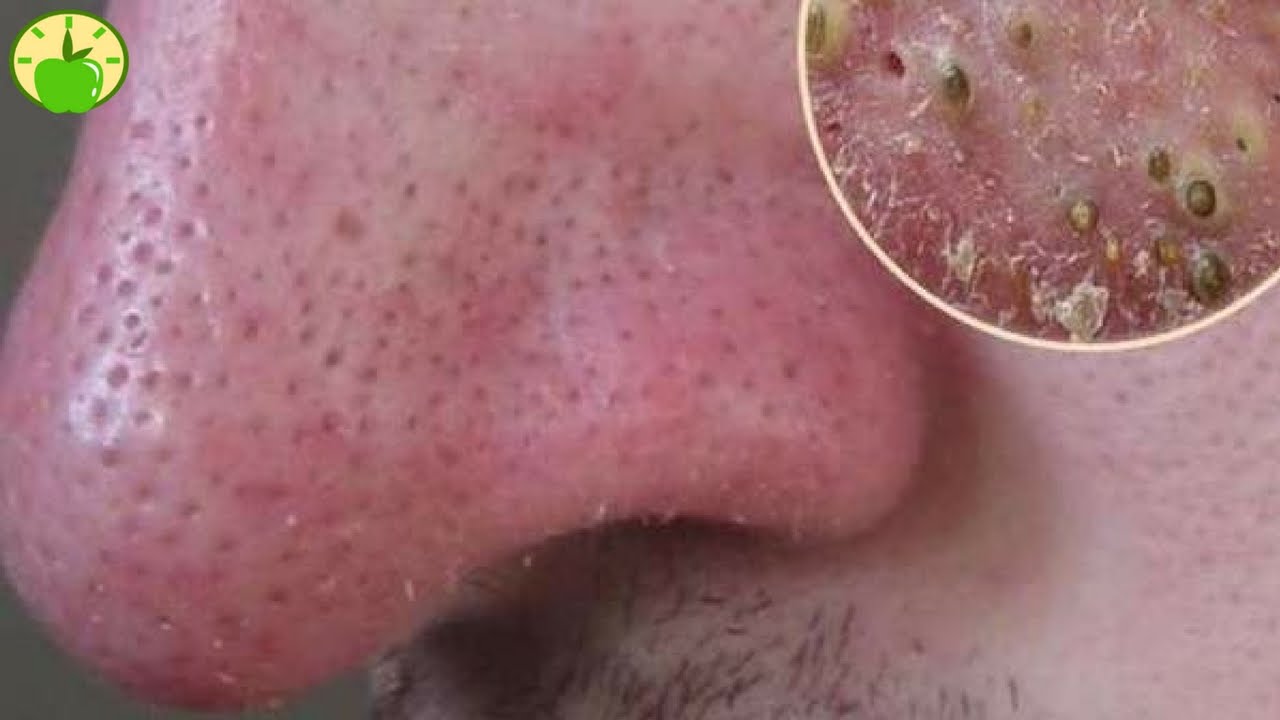
Watch that video to know How to Get Rid of Blackheads on Your Nose Naturally
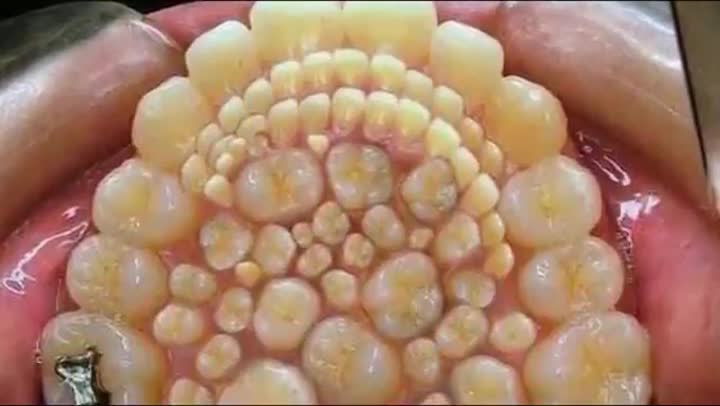
Watch that video of 232 Teeth Removal From Indians' Boy Mouth
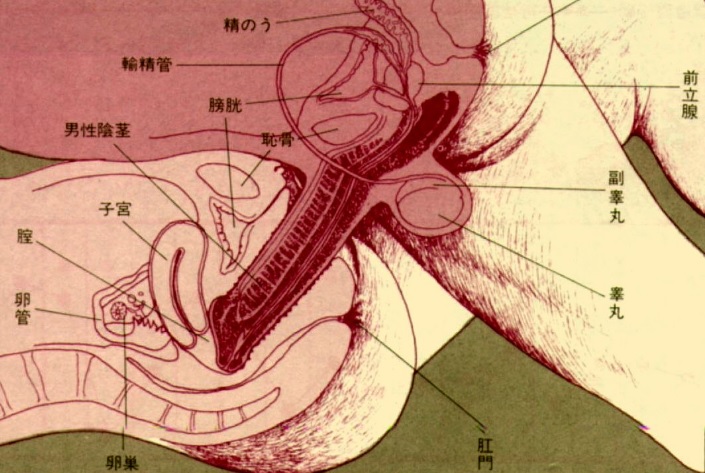
Watch that video to know How To Increase Your Testosterone Levels, Naturally
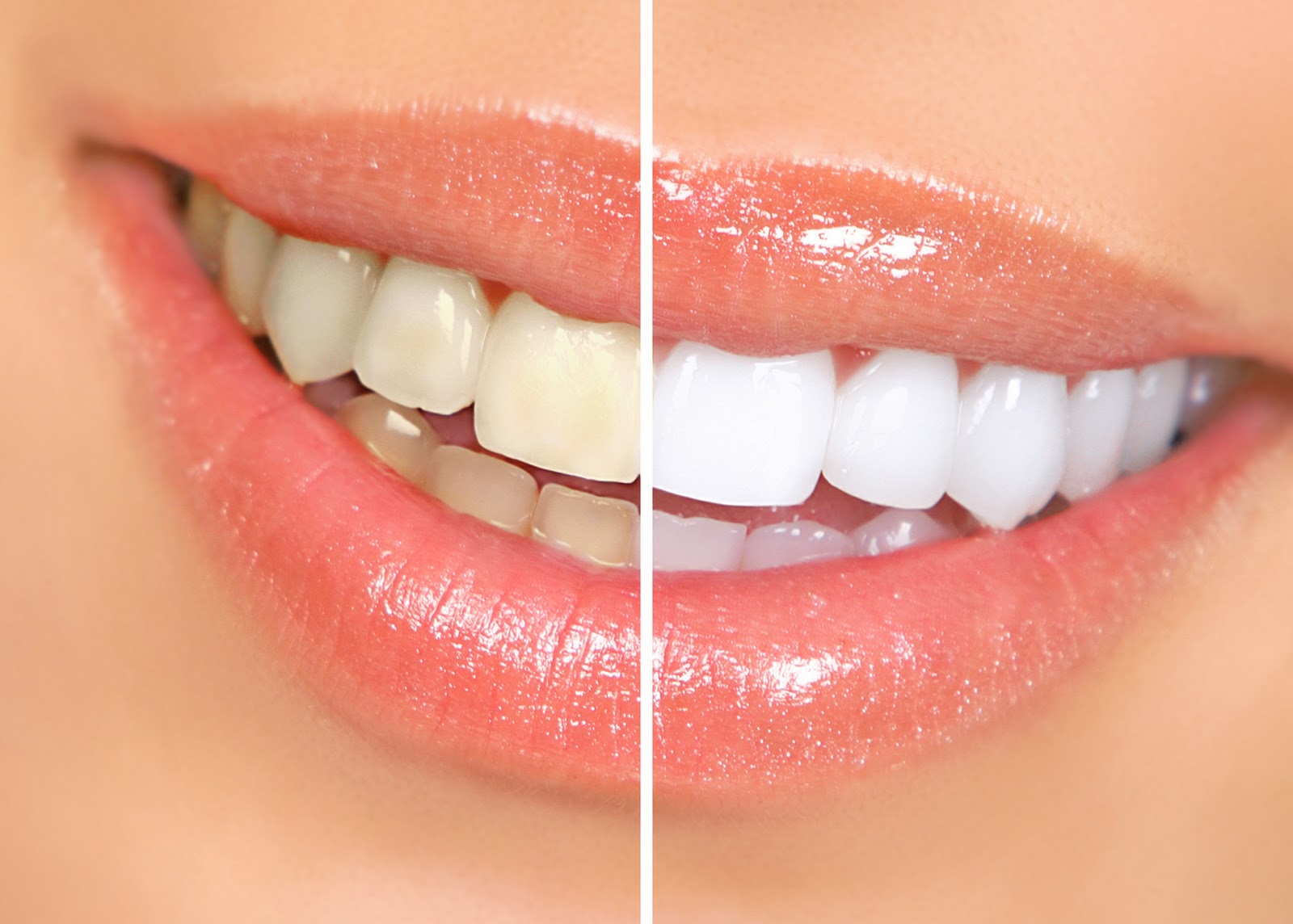
Watch that video to know the Natural Ways to Whiten Teeth at Home
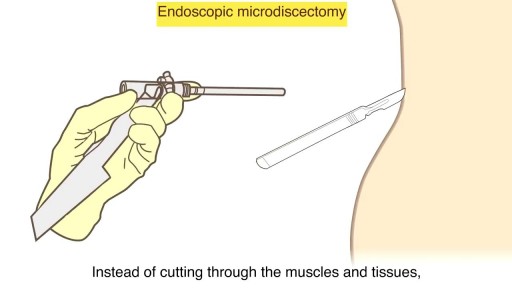
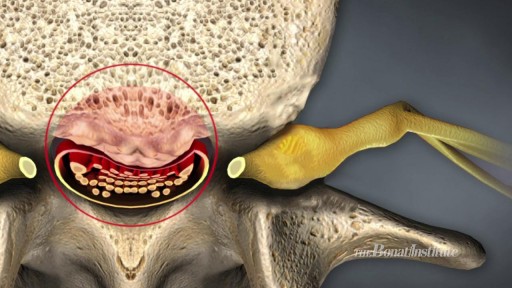
Watch Spinal Stenosis Videos Spinal stenosis occurs when the spinal cord in the neck (cervical spine) or the spinal nerve roots in the lower back (lumbar spine) are compressed. Symptoms of lumbar stenosis often include leg pain (sciatica) and leg tingling, weakness, or numbness. Arm pain is a typical symptom of cervical spinal stenosis. For cervical spinal stenosis with myelopathy, difficulty with coordination often occurs. Stenosis treatment may include non-surgical options (exercise, anti-inflammatory medication, epidural injections, and activity modification) or back surgery.
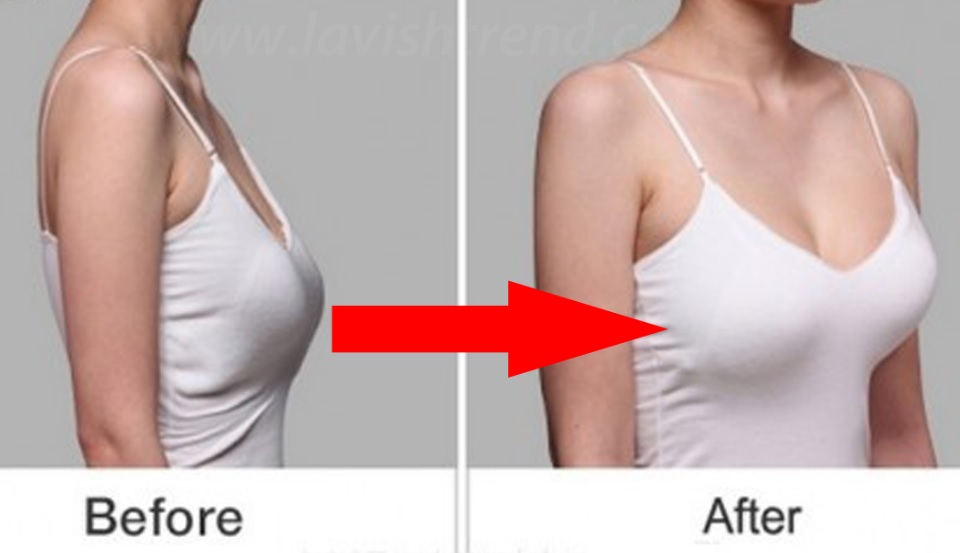
Watch that video to know How to Get Rid of Saggy Breasts Naturally
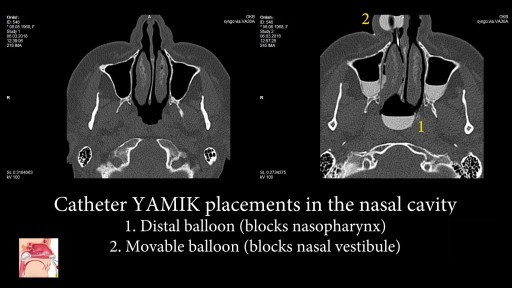
Nasal catheter YAMIK - is a new drug delivery sistem for topical treatment for sinusitis. The introduction of a large volume of the #drugsolution directly into all the paranasal #sinuses - provides new opportunities in the #treatment of #sinusitis! #YamikprocedureNasal catheter YAMIK is a new device for topical sinonasal delivery of medication during rhinosinusitis treatment. Administration of therapeutic solution with YAMIK catheter is called YAMIK procedure. The following features differs YAMIK procedure from all other topical sinonasal delivery techniques: - Medication is delivered into the all paranasal sinuses at one side of nose regardless of their involvement in the inflammatory disease. -Specific position of patient’s head. Patient should lay on the side of of the sinuses, into which solution will be administered. This position is physiological and comfortable for patients, including children and elders. The LHL position was suggested to be the most favorable position for patients to adopt - Therapeutic solutions reliably penetrates into without previous sinus surgery sinuses with natural ostia size. - Paranasal sinuses are filling with medicinal solution by gravity. To accelerate process, it is used small pressure gradient, which created by motion of syringe plunger with amplitude 1 - 2 ml during administration of solution. - It is provided contact of the whole sino-nasal mucosa with medication. - Prolonged time of the contact of sino-nasal mucosa with medicine provides administration of the therapeutically significant dose. Therapeutic solution administered into paranasal sinuses is considered as a STORE. Thanks to affect mucociliary clearance, therapeutic solution is gradually evacuated from sinuses through ostia. Thereby, prolonged nasal irrigation is performed. - Due to extended contact with saline (NaCl 0,9%), viscous colloidal pathological substance filling paranasal sinuses is dissolved. As a result, its viscosity decreases, and substance is removing by mucociliary clearance. Thereby, drainage function of the ostia are returned some time after finish YAMIK method procedure. -The procedure is performing under local anesthesia. - There is no need in active involvement of the patient. Blowing, pronouncing any sounds like “cuckoo”, holding any things and so on is unnecessary. If is performed by a qualified medical professional the procedure is more effective. - Medication contacts only with nasal passages and paranasal sinuses. Thus, it is provided topical drug therapy. - YAMIK procedure is call sinonasal delivery techniques of a therapeutic solution. It differs from nasal techniques, because medicinal solution contacts not only with nasal mucosa, but with mucous membrane of paranasal sinuses. - The only used drug formulation is a solution. - It is possible non-invasive sample extraction from mucosa of paranasal sinuses (for bacteriological, immunological, cytological and a number of others investigation methods).
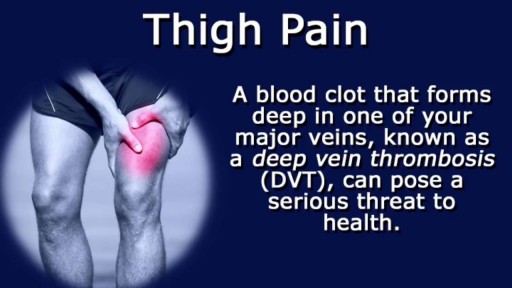
Thigh pain is most often caused by injuries to bones, joints, muscles, tendons, ligaments, and other soft tissues or blood vessels. These injuries are often caused during sports competition, or strain from overuse, obesity, or pregnancy.
