
Top videos

Always Love Your Mother Because You Will Never Get Another
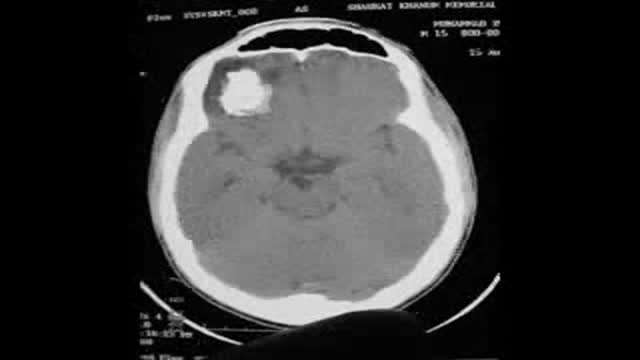
Calcified Brain Abcess complete removal,
surgery
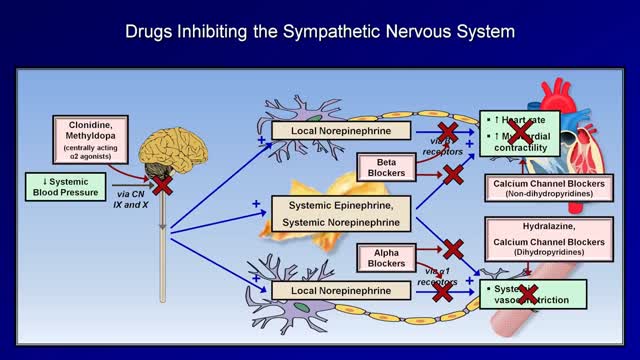
Medications to treat high blood pressure Thiazide diuretics. ... Beta blockers. ... Angiotensin-converting enzyme (ACE) inhibitors. ... Angiotensin II receptor blockers (ARBs). ... Calcium channel blockers. ... Renin inhibitors
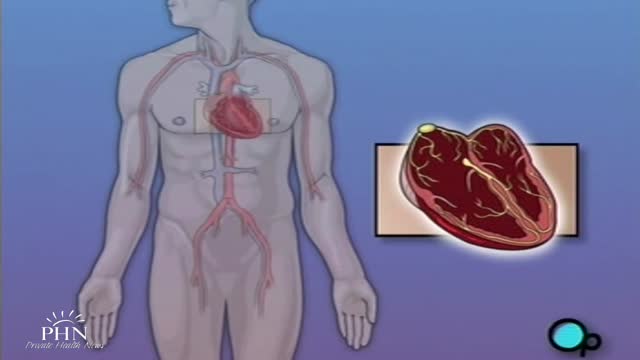
Permanent pacemaker insertion is considered a minimally invasive procedure. Transvenous access to the heart chambers under local anesthesia is the favored technique, most commonly via the subclavian vein, the cephalic vein, or (rarely) the internal jugular vein or the femoral vein.

After their parents were strongly urged by their local hospital to go to Children's Hospital of Michigan, Dr. Jeffrey Taub controls an aggressive cancer in 2 month old twins. ~ Detroit Medical Center
Pancreatitis is inflammation of the pancreas. The pancreas is a gland located behind the stomach. It releases the hormones, insulin and glucagon, as well as digestive enzymes that help you digest and absorb food.

With a portable pump controlled by a wireless handheld device that automatically delivers insulin.
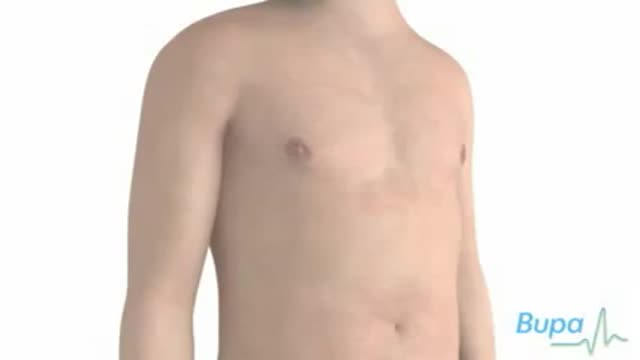
Mechanism of Type 2 Diabetes Animation

Flexor compartment synovectomy in a patient with rheumatoid arthritis presenting with loss of finger movement and local pain due to synovitis. Performed at the Queen Victoria Hospital, East Grinstead.
Male Foley Catheterization Technique
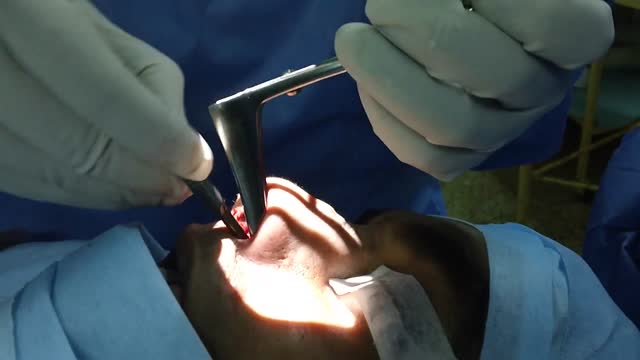
Initial treatment of a deviated septum may be directed at managing the symptoms of the tissues lining the nose, which may then contribute to symptoms of nasal obstruction and drainage. Your doctor may prescribe: Decongestants. Decongestants are medications that reduce nasal tissue swelling, helping to keep the airways on both sides of your nose open. Decongestants are available as a pill or as a nasal spray. Use nasal sprays with caution, however. Frequent and continued use can create dependency and cause symptoms to be worse (rebound) after you stop using them. Decongestants have a stimulant effect and may cause you to be jittery as well as elevate your blood pressure and heart rate. Antihistamines. Antihistamines are medications that help prevent allergy symptoms, including obstruction and runny nose. They can also sometimes help nonallergic conditions such as those occurring with a cold. Some antihistamines cause drowsiness and can affect your ability to perform tasks that require physical coordination, such as driving. Nasal steroid sprays. Prescription nasal corticosteroid sprays can reduce inflammation in your nasal passage and help with obstruction or drainage. It usually takes from one to three weeks for steroid sprays to reach their maximal effect, so it is important to follow your doctor's directions in using them. Medications only treat the swollen mucus membranes and won't correct a deviated septum.

Babinski reflex
A to Z in ecg arabic lesson 2
here may be no symptoms of stomach cancer early on. Later, symptoms include feeling bloated after eating, feeling full after eating small amounts of food, nausea, heartburn, or indigestion.
Heart and Blood Vessels Physical Examination
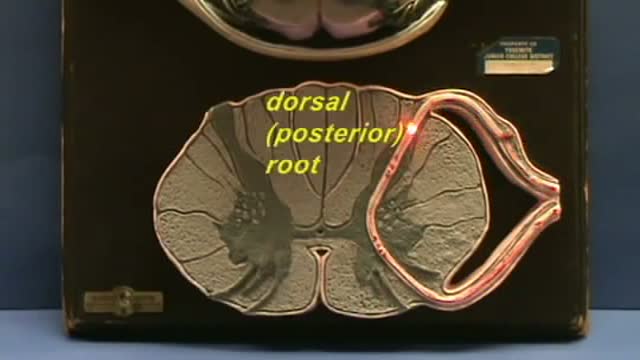
This video was produced for students to make them understand the reflex pathways of neuroanatomy
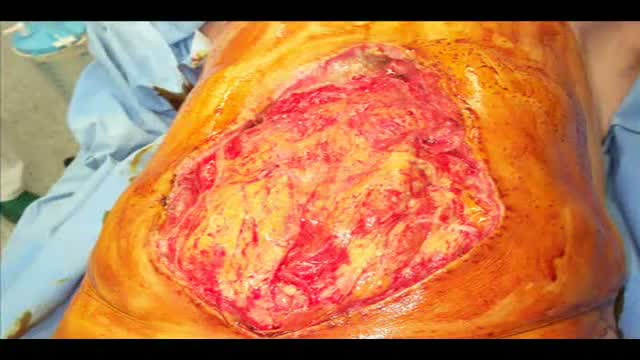
Laparostomy is a surgical condition in which the abdomen is left open to contrast a condition named Abdominal Compartment Syndrome

Diagnose an abusive relationship and you will be on your way to ending domestic abuse. Getting a definitive, objective diagnosis can put you in the "stop-guessing" mode and into the "start-treating" mode in moments.

Brain Concussion Animation
