
- Physical Examination
- Surgical Examination
- Ophthalmology
- Clinical Skills
- Orthopedics
- Surgery Videos
- Laparoscopy
- Pediatrics
- Funny Videos
- Cardiothoracic Surgery
- Nursing Videos
- Plastic Surgery
- Otorhinolaryngology
- Histology and Histopathology
- Neurosurgery
- Dermatology
- Pediatric Surgery
- Urology
- Dentistry
- Oncology and Cancers
- Anatomy Videos
- Health and Fitness
- Radiology
- Anaesthesia
- Physical Therapy
- Pharmacology
- Interventional Radiology
- Cardiology
- Endocrinology
- Gynecology
- Emergency Medicine
- Psychiatry and Psychology
- Childbirth Videos
- General Medical Videos
- Nephrology
- Physiology
- Diet and Food Health
- Diabetes Mellitus
- Neurology
- Women Health
- Osteoporosis
- Gastroenterology
- Pulmonology
- Hematology
- Rheumatology
- Toxicology
- Nuclear Medicine
- Infectious Diseases
- Vascular Disease
- Reproductive Health
- Burns and Wound Healing
- Other
Top videos
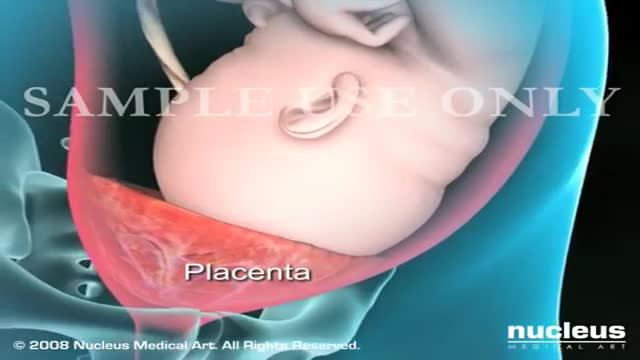

A Cesarean section (C-section) is surgery to deliver a baby. The baby is taken out through the mother's abdomen. In the United States, almost one in three women has their babies this way. Some C-sections are planned, but many are done when unexpected problems happen during delivery. Reasons for a C-section may include
Watch that video to know the Erectile Dysfunction - Cause and Treatment

Eczema, or atopic dermatitis, is a rash that primarily occurs in people with asthma or allergies. The rash is often reddish and itchy with a scaly texture. Psoriasis is a common skin condition that can cause a scaly, itchy, red rash to form along the scalp, elbows, and joints.Apr 13, 2016
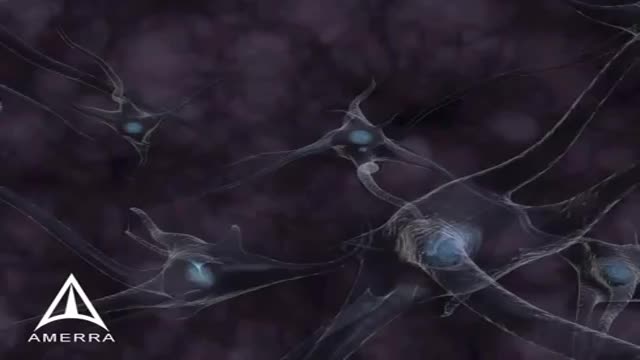
Ca2+ binds with the membrane of the synaptic vesicles, which causes the vesicles to break and release the neurotransmitter into the synaptic cleft. After the neurotransmitters are released, they diffuse across the synaptic cleft and interact with receptors on the postsynaptic membrane. When the action potential reaches the presynaptic terminal, it provokes the release of a small quantity of neurotransmitter molecules, which bind to chemical receptor molecules located in the membrane of another neuron, the postsynaptic neuron, on the opposite side of the synaptic cleft.
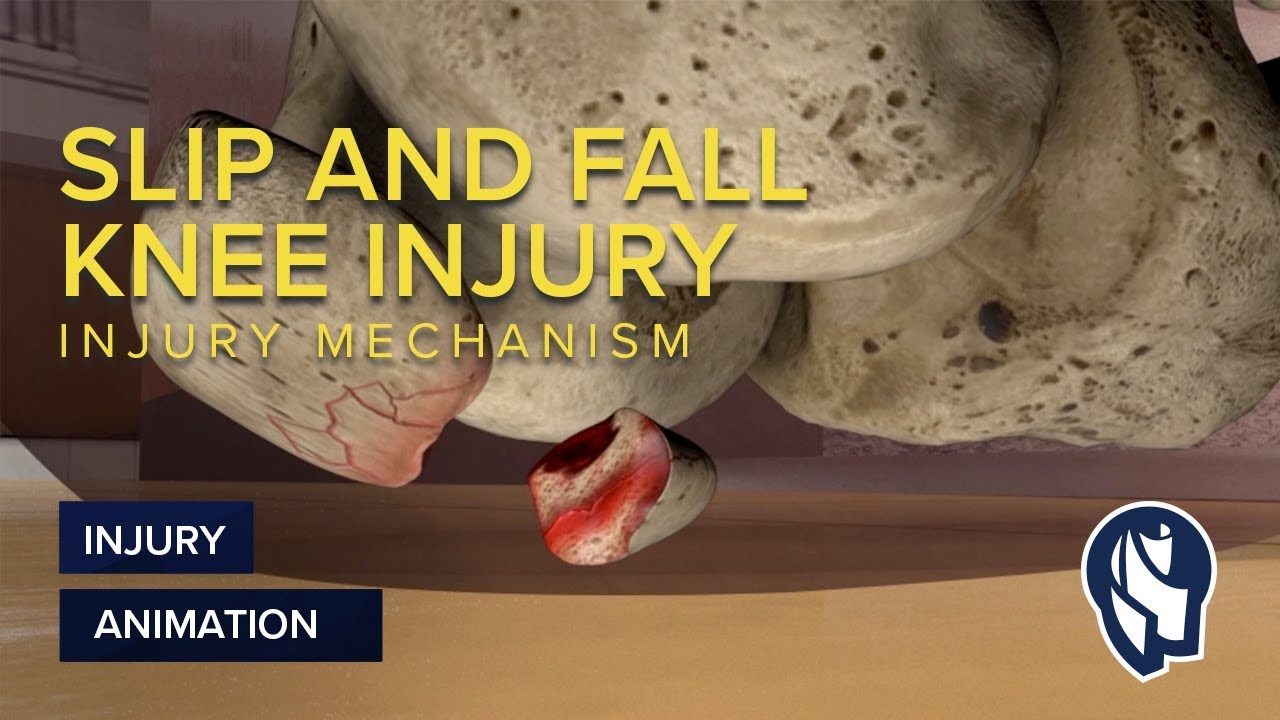
MotionLit can help you multiply the value of your case by portraying the mechanisms of injuries in a 3D Accident Reconstruction Animation. Call (855)850-0650 or visit motionlit.com to learn & earn more for your client!
MotionLit is a one-stop-shop for litigators, offering complete trial services from video production, animation, litigation support, exhibit design, trial technician, and video depositions. Our visuals have proven to help attorneys obtain record-breaking verdicts with our persuasive trial presentations, settlement documentaries, and demonstratives.
Contact Us At:
www.motionlit.com
(213) 291 9141
info@motionlit.com
Follow Us On:
Twitter: @motionlit
Instagram: https://www.instagram.com/motionlit/
Facebook: https://www.facebook.com/MotionLit/
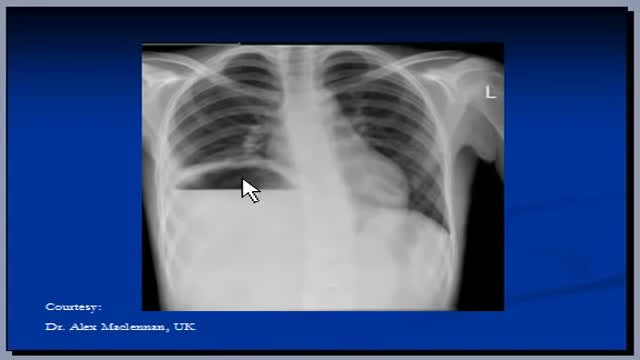
Suspect that a patient has a subphrenic abscess if he deteriorates, or recovers and then deteriorates, between the 14th and the 21st day after a laparotomy, with a low, slowly increasing, swinging fever, sweating, and a tachycardia. This, and a leucocytosis, show that he has ''pus somewhere', which is making him anorexic, wasted, and ultimately cachectic. If he has no sign of a wound infection, a rectal examination is negative, and his abdomen is soft and relaxed, the pus is probably under his diaphragm. The pus might be between his diaphragm and his liver, in (1) his right or (2) his left subphrenic space, or under his liver in (3) his right or (4) his left subhepatic space in his lesser sac. He may have pus in more than one of these spaces. Explore him on the suspicion that he might have a subphrenic abscess. Exploration is not a major operation; the difficulty is knowing where to explore, so refer him if you can. If you cannot refer him, explore him yourself. If you fail to find pus, you have done him no harm; missing a subphrenic abscess is far worse. If it is anterior, you can drain it by going under his costal margin anteriorly. If it is posterior, you can go through the bed of his 12th rib posteriorly.

Get my book on fixing injury here:
https://www.amazon.com/Rebuild....ing-Milo-Foundation-
Get my book 'The Squat Bible' here:
https://www.amazon.com/Squat-B....ible-Ultimate-Master
Get my 13-Week Squat Program? https://marketplace.trainheroi....c.com/workout-plan/p
Get olympic weightlifting programming (part 1):
https://marketplace.trainheroi....c.com/workout-plan/p
Get olympic weightlifting programming (part 2): https://marketplace.trainheroi....c.com/workout-plan/p
______________________
Show Sponsors
- TYR: https://www.tyr.com/?gclid=Cjw....KCAjw9qiTBhBbEiwAp-G
- Bandbell: Check out their amazing bars here: https://www.bandbell.com/?utm_source=youtube.com&utm_medium=web&utm_campaign=squatu
______________________
Subscribe to the channel: https://tinyurl.com/y2eq7kpr
Check out the Eleiko products I use here: https://shop.eleiko.com/en-us/?ref=qg8uBQd3JL7S
Recommended products: https://squatuniversity.com/recommended-products/
FitMap: https://www.fitmaptrainer.com/
Support SquatU & join monthly live Q&A: https://www.patreon.com/SquatUniversity
______________________
Connect with SquatUniversity:
Visit the website: http://www.squatuniversity.com
Like the Facebook page: https://www.facebook.com/SquatUniversity
Follow on Twitter: https://twitter.com/squatuniversity
Follow on TikTok: @SquatUniversity
Follow on Instagram: http://instagram.com/squat_university
Listen to the Podcast on: apple iTunes, Overcast, Pocket Casts, Google Play and the Anchor App
Shout out @Muscle and Motion for the amazing anatomy graphics.
______________________
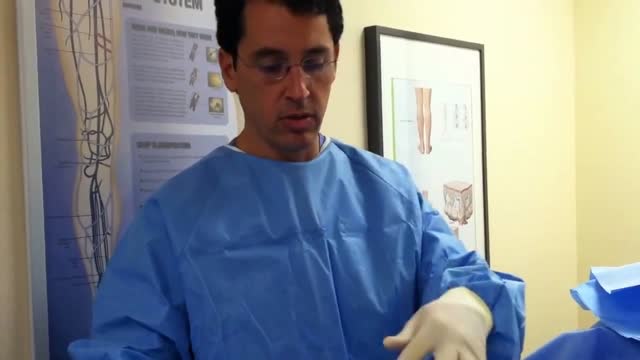
Sclerotherapy is a medical procedure used to eliminate varicose veins and veins. Sclerotherapy involves an injection of a solution (generally a salt solution) directly into the vein. The solution irritates the lining of the blood vessel, causing it to collapse and stick together and the blood to clot.
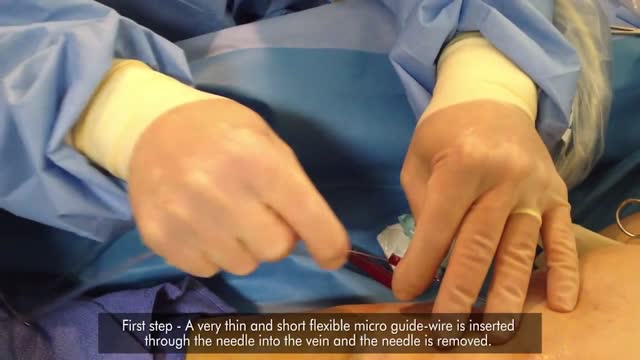
It can treat spider veins and tiny varicose veins just under the skin's surface. ... (If you have poor blood circulation feeding these tiny veins, the larger "feeder" vein must first be treated with surgery, endovenous laser or radiofrequency treatment, or sclerotherapy.) Endovenous laser treatment.
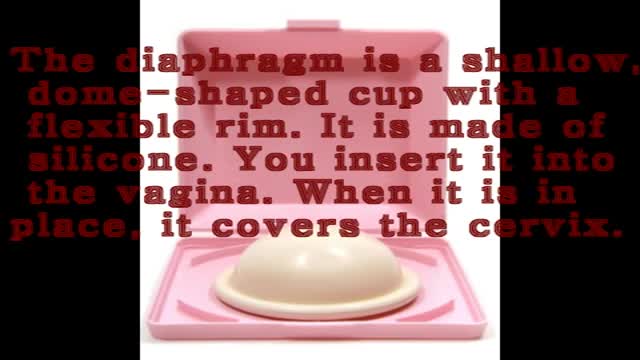
SEX WITH DIAPHRAGM TO CONTROL UNWANTED PREGNANCY
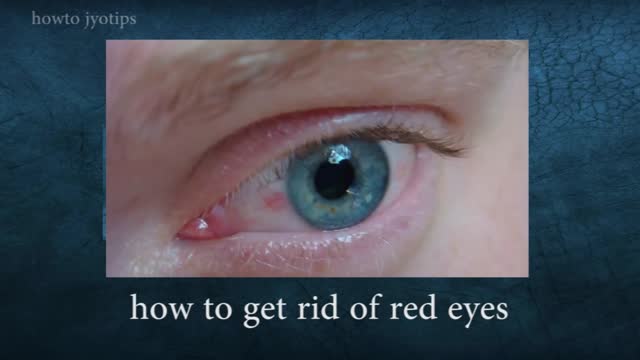
Red eyes usually are caused by allergy, eye fatigue, over-wearing contact lenses or common eye infections such as pink eye (conjunctivitis). However, redness of the eye sometimes can signal a more serious eye condition or disease, such as uveitis or glaucoma.
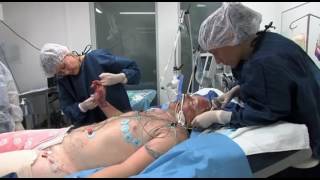
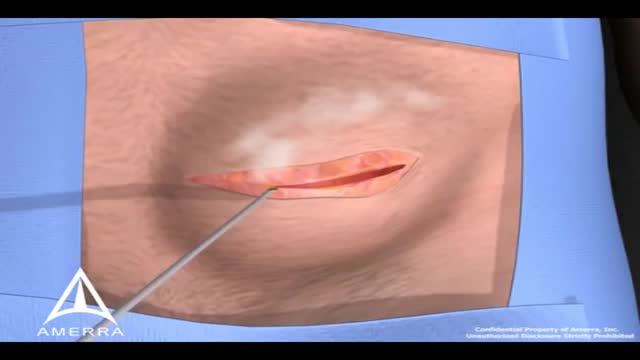
During surgery to repair the hernia, the bulging tissue is pushed back in. Your abdominal wall is strengthened and supported with sutures (stitches), and sometimes mesh. This repair can be done with open or laparoscopic surgery. You and your surgeon can discuss which type of surgery is right for you.
Intestino Irritable Tratamiento, Colon Irritable, Tratamiento Para El Colon Irritable--- http://intestino-irritable-tratamiento.plus101.com --- Si usted está sufriendo de Síndrome del Intestino Irritable SII, aquí hay una serie de técnicas y estrategias que se conocen para aliviar grandemente los síntomas a largo y corto plazo. La alimentación es la fuente de energía primordial que tenemos y es por eso que hay que darle una importancia suprema a la hora de querer atacar los síntomas del SII. Se recomienda el consumo de hierbas, tales como: manzanilla, consuelda, aceite de onagra, bálsamo de limón, hinojo, canela, nuez moscada, cúrcuma, todas las especias y enzimas digestivas. Todas ellas producen grandes beneficios para su organismo, dentro de los cuales destacamos: La manzanilla actúa como carminativo, así como calmante y agente tonificante para el tracto digestivo. Los aceites esenciales de manzanilla también han contribuido a aliviar cólicos intestinales e irritación en los animales. La manzanilla se toma normalmente tres veces al día, entre las comidas, en una forma de té. La consuelda tiene un uso como agente tópico para mejorar la cicatrización de heridas, úlceras en la piel, tromboflebitis y torceduras. También se utiliza para las personas con problemas gastrointestinales, como úlceras de estómago y el síndrome del intestino irritable, y para quienes sufren problemas pulmonares. Una combinación de menta, comino y otras dos hierbas carminativas (para aliviar los gases), semillas de hinojo y ajenjo, han resultado ser un tratamiento eficaz para los dolores abdominales. La acacia tiene un alto contenido de fibra y con frecuencia se recomienda para aliviar la irritabilidad intestinal. Las frutas como la papaya, el plátano, el mango, la piña, las fresas y los arándanos son altamente recomendables. Las verduras como las patatas dulces, la calabaza y las zanahorias no pueden dejar de ser parte de su dieta. Tenga cuidado con algunos de los medicamentos recetados para el SII ya que algunos de ellos han sido retirados del mercado debido a que contenían ingredientes tóxicos. Algunos ingredientes contenidos en medicamentos de venta libre para el resfriado también han demostrado efectos negativos en pacientes con SCI. Recomendamos las gotas de zinc como una alternativa durante un resfriado ya que no irrita el estómago y tiene visibles resultados de estímulo inmunológico. Los alimentos que se deben evitar: lácteos, huevos (especialmente la yema debido al alto contenido de grasa), brócoli, maíz, aceites hidrogenados, jarabe de maíz alto en fructosa, manzanas (debido al alto contenido de fructosa), frijoles, chocolate (debido a la cafeína) , café, té con cafeína. Para obtener más información sobre cómo poder controlar y eliminar los síntomas del SII, puede visitar el sitio http://intestino-irritable-tratamiento.plus101.com
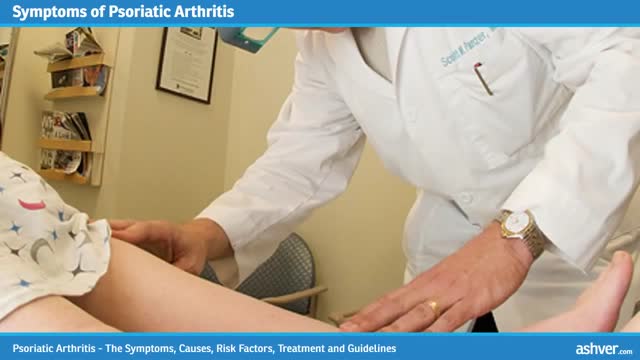
Psoriatic arthritis is a chronic arthritis. In some people, it is mild, with just occasional flare ups. In other people, it is continuous and can cause joint damage if it is not treated. Early diagnosis is important to avoid damage to joints. Psoriatic arthritis typically occurs in people with skin psoriasis, but it can occur in people without skin psoriasis, particularly in those who have relatives with psoriasis. Psoriatic arthritis typically affects the large joints, especially those of the lower extremities, distal joints of the fingers and toes, and also can affect the back and sacroiliac joints of the pelvis. For most people, appropriate treatments will relieve pain, protect the joints, and maintain mobility. Physical activity helps maintain joint movement. Psoriatic arthritis is sometimes misdiagnosed as gout, rheumatoid arthritis or osteoarthritis. - See more at: http://www.rheumatology.org/I-Am-A/Patient-Caregiver/Diseases-Conditions/Psoriatic-Arthritis#sthash.VsBTUw76.dpuf
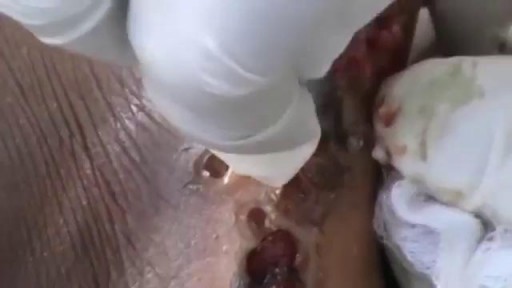
Watch that video of The Most Terrible Skin Jiggers Removal

Watch more clips of Dr. James Kelly - https://www.youtube.com/playli....st?list=PLe2Je5-cHxP And for more information about brain injury and PTSD, please visit us at https://www.brainline.org.
Watch more clips of Pat LaFontaine - https://www.youtube.com/playli....st?list=PL5F3273C3C8
© 2018 WETA All Rights Reserved
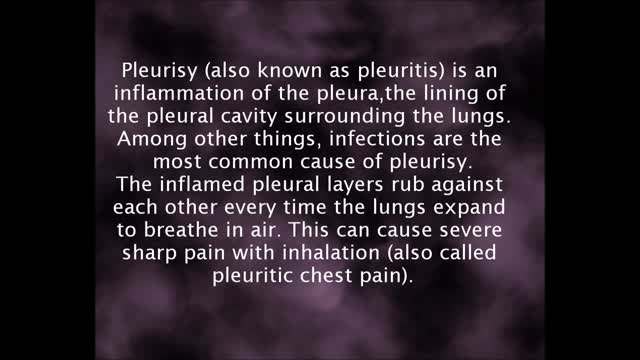
Pleurisy is a condition in which the pleura — a membrane consisting of a layer of tissue that lines the inner side of the chest cavity and a layer of tissue that surrounds the lungs — becomes inflamed. Also called pleuritis, pleurisy causes sharp chest pain (pleuritic pain) that worsens during breathing. A variety of underlying conditions can cause pleurisy. Treatment of pleurisy involves pain control and treating the underlying condition.
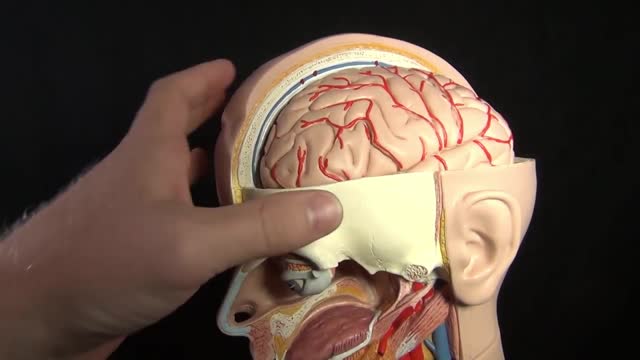
Intracranial pressure (ICP) is the pressure inside the skull and thus in the brain tissue and cerebrospinal fluid (CSF). ICP is measured in millimeters of mercury (mmHg) and, at rest, is normally 7–15 mmHg for a supine adult.
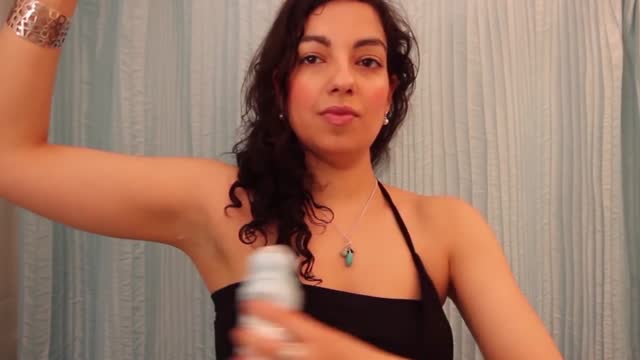
DIRTIEST PARTS OF YOUR BODY
