
- Physical Examination
- Surgical Examination
- Ophthalmology
- Clinical Skills
- Orthopedics
- Surgery Videos
- Laparoscopy
- Pediatrics
- Funny Videos
- Cardiothoracic Surgery
- Nursing Videos
- Plastic Surgery
- Otorhinolaryngology
- Histology and Histopathology
- Neurosurgery
- Dermatology
- Pediatric Surgery
- Urology
- Dentistry
- Oncology and Cancers
- Anatomy Videos
- Health and Fitness
- Radiology
- Anaesthesia
- Physical Therapy
- Pharmacology
- Interventional Radiology
- Cardiology
- Endocrinology
- Gynecology
- Emergency Medicine
- Psychiatry and Psychology
- Childbirth Videos
- General Medical Videos
- Nephrology
- Physiology
- Diet and Food Health
- Diabetes Mellitus
- Neurology
- Women Health
- Osteoporosis
- Gastroenterology
- Pulmonology
- Hematology
- Rheumatology
- Toxicology
- Nuclear Medicine
- Infectious Diseases
- Vascular Disease
- Reproductive Health
- Burns and Wound Healing
- Other
Top videos


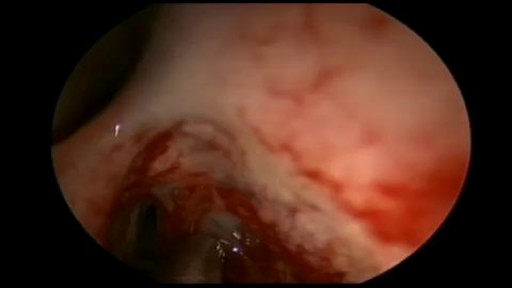
Step-by-step process of performing endoscopic sinus surgery.
Acute sinusitis can be triggered by a cold or allergies and may resolve on its own. Chronic sinusitis lasts up to eight weeks and may be caused by an infection or growths. Symptoms include headache, facial pain, runny nose, and nasal congestion. Acute sinusitis usually doesn't require any treatment beyond symptomatic relief with pain medications, nasal decongestants, and nasal saline rinses. Chronic sinusitis may require antibiotics.
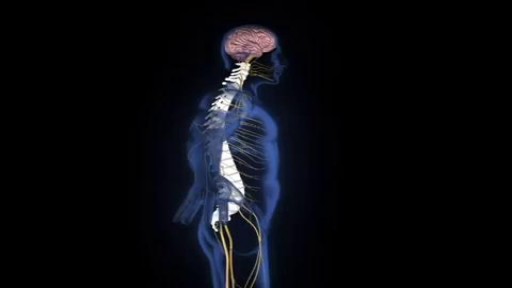
An estimated 12,500 spinal cord injuries occur in the U.S. every year, leaving the injured people, their friends, and their family, to cope with the aftermath of the catastrophe. For many, navigating the challenges of the health care system can feel a bit like going to medical school. Suddenly you're learning a veritable cornucopia of new terms, and may be spending endless hours Googling spinal cord anatomy to fill in the gaps in your knowledge. An educated patient is better equipped to advocate for his or her needs and interests. An education in spinal cord anatomy helps you understand what your doctor is saying, ask intelligent questions, and detect medical errors before they endanger your health.
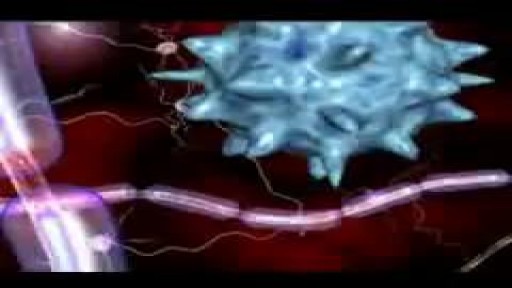
Multiple sclerosis (MS) involves an immune-mediated process in which an abnormal response of the body’s immune system is directed against the central nervous system (CNS). The CNS is made up of the brain, spinal cord and optic nerves. Within the CNS, the immune system causes inflammation that damages myelin — the fatty substance that surrounds and insulates the nerve fibers — as well as the nerve fibers themselves, and the specialized cells that make myelin. When myelin or nerve fibers are damaged or destroyed in MS, messages within the CNS are altered or stopped completely. Damage to areas of the CNS may produce a variety of neurological symptoms that will vary among people with MS in type and severity The damaged areas develop scar tissue which gives the disease its name – multiple areas of scarring or multiple sclerosis. The cause of MS is not known, but it is believed to involve genetic susceptibility, abnormalities in the immune system and environmental factors that combine to trigger the disease. People with MS typically experience one of four disease courses. There are over a dozen treatments to help modify the MS disease process.

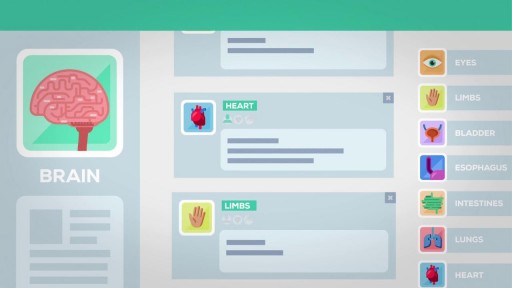
Multiple sclerosis (MS) is a disease of the central nervous system estimated to affect 2.3 million people worldwide. It is a chronic disease in which the immune system abnormally attacks the insulation and support around the nerve cells (myelin sheath) in the brain, spinal cord and optic nerves, causing inflammation and consequent damage. MS is a leading cause of non-traumatic disability in young people, usually striking between 20 and 40 years of age. There is no cure for MS, but research continues to better understand and treat the disease.
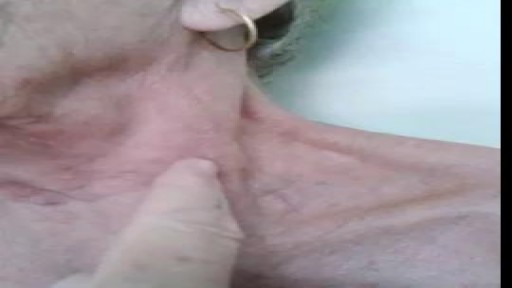
The superior vena cava is a major vein in a person's body. It carries blood from the head, neck, upper chest, and arms to the heart. Superior vena cava syndrome (SVCS) occurs when a person's superior vena cava is partially blocked or compressed. Cancer is usually the main cause of SVCS.
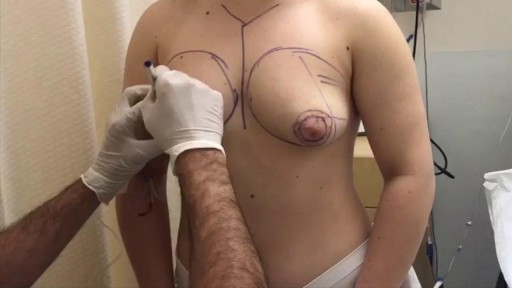
Tuberous breast deformity is a congenital breast anomaly that becomes manifest at the time of puberty and breast development. The three components of tubular deformity usually include, pseudoherniation of breast tissue into the nipple areolar complex, poorly defined inframammary fold and flattening of the lower pole of the breast which leads to a conical tubular shape. Stuart Linder M.D. 9675 BRIGHTON WAY, SUITE 420 BEVERLY HILLS CA 90210 (310) 275-4513
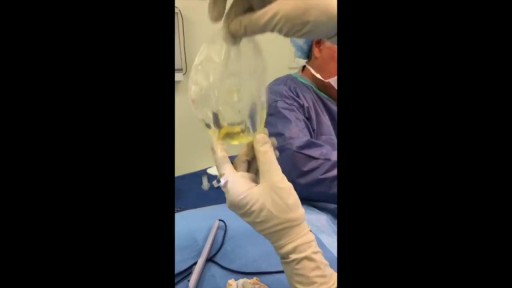
As you can see I access the left implant from the periareolar incisions which I made at the lower portion of the areola. As I entered the capsule and begin to remove the implant I noticed a lot of fluid surrounding the implant. Right away I know this is a rupture and that the mammogram was incorrect. Mammograms are very helpful in detecting cancer but often not ruptures. When implants rupture, it is important to have them replaced as soon as possible to avoid excessive scarring in the breasts. If too much scar tissue has accumulated around the deflated implant, it becomes difficult to create a normal breast shape in the future. Therefor know the signs of a ruptured implant such as, painful to touch, visible asymmetry or loss of integrity to the bag. For more information please visit: www.drlinder.com
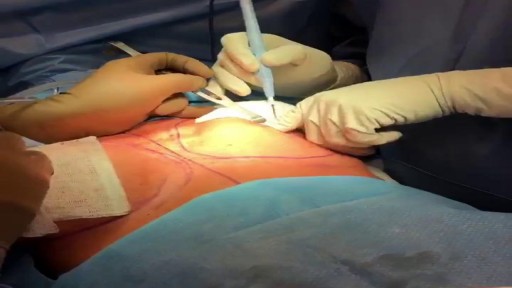
This anatomical implant was originally placed in 1997. Due to the dark yellow color inside the implant it is clear the implant has been ruptured for quite some time. When implants rupture, it is important to have them replaced as soon as possible to avoid excessive scarring in the breasts. If too much scar tissue has accumulated around the deflated implant, it becomes difficult to create a normal breast shape in the future. Therefor its important to know the signs of a ruptured implant such as, painful to touch, visible asymmetry or loss of integrity to the bag. Dr. Stuart Linder 9675 Brighton Way Suite 420 Beverly Hills, CA 90210
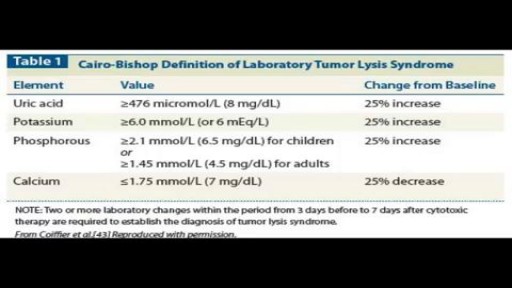
Presence of abdominal pain and distension. Presence of urinary symptoms - Such as dysuria, oliguria, flank pain, and hematuria. Occurrence of any symptoms of hypocalcemia - Such as anorexia, vomiting, cramps, seizures, spasms, altered mental status, and tetany. Symptoms of hyperkalemia - Such as weakness and paralysis.
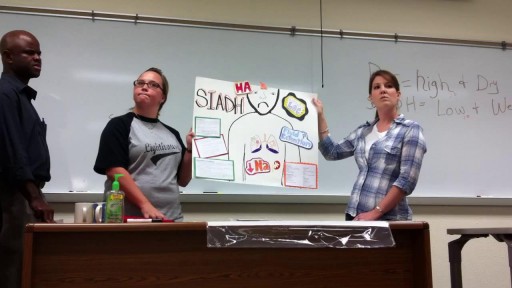
In this condition, the body retains water instead of excreting it normally in urine. This process upsets the body's balance of minerals called electrolytes, especially sodium. Symptoms can vary depending on how rapidly the condition develops. In some cases, nausea and vomiting, headache, confusion, weakness, and fatigue may be experienced. Treatments include fluid restriction and, possibly, medications to adjust electrolyte balance. Underlying conditions also need treatment.
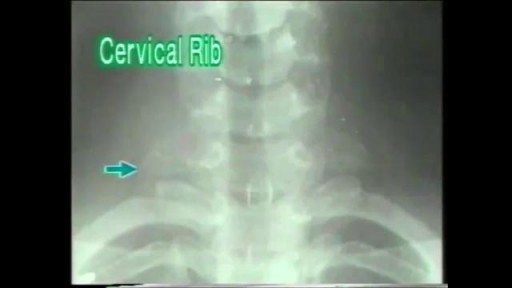
A cervical rib in humans is an extra rib which arises from the seventh cervical vertebra. Sometimes known as "neck ribs", their presence is a congenital abnormality located above the normal first rib. A cervical rib is estimated to occur in 0.2% (1 in 500 people) to 0.5% of the population.
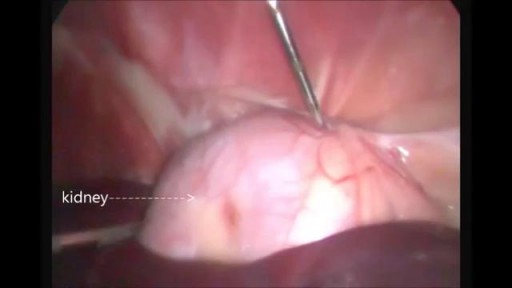

DHI India - patient Ravish speaks about his For Alopecia Diagnosis, call 1800 103 9300 (Toll Free) Book your consultation - https://goo.gl/wBJh1o
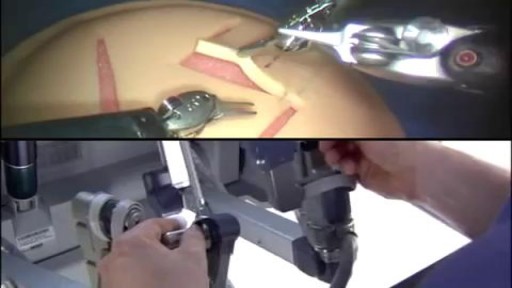
Robotic Surgery Demonstration Using Da Vinci Surgical System
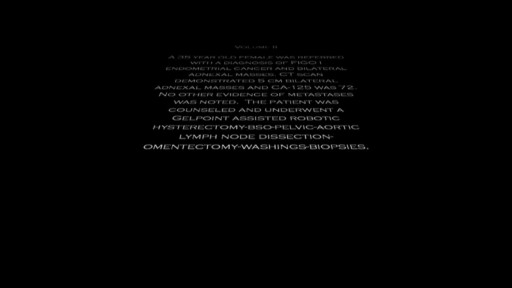
A young patient undergoes state of the art robotic surgery for Ovarian Cancer and Endometrial Cancer in Chicago, IL. The surgery is performed by noted gynecologic oncologist and expert robotic surgeon M. Patrick Lowe MD. Dr Lowe has been performing robotic surgery since 2006 and is one of a few gynecologic oncologist in the United States who utilizes robotics for ovarian cancer.
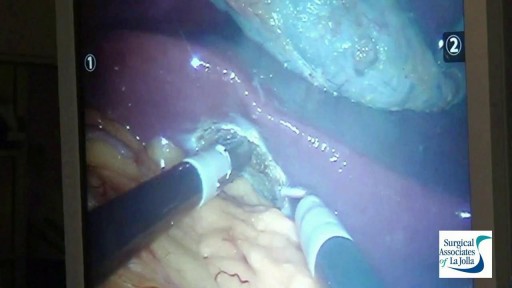
The type of operation performed for removal of pancreatic cancer is based on the location of the tumor. For tumors of the head and neck of the pancreas a Whipple procedure, (also called a pancreaticoduodenectomy) is performed. This is a complex operation perfected at Johns Hopkins. This video will explain the surgery and what patients can expect.
