Top videos
The lymphatic system is a network of specialized vessels (lymph vessels) throughout the body whose purpose is to collect excess lymph fluid with proteins, lipids, and waste products from the tissues. This fluid is then carried to the lymph nodes, which filter waste products and contain infection-fighting cells called lymphocytes. The excess fluid in the lymph vessels is eventually returned to the bloodstream. When the lymph vessels are blocked or unable to carry lymph fluid away from the tissues, localized swelling (lymphedema) is the result.
Learn more about certified electronic health record and comprehensive hospital information system (HIS), Paragon®, from McKesson. Working with Paragon can help you achieve Stage 1 meaningful use and other important guidelines.
The etiology of BOO is diverse and definitely gender specific. Often anatomic causes induce functional abnormality that remains somewhat unique for each individual, regardless of sex. A full appreciation of the possible etiologies of obstruction is necessary in order to identify overt and more subtle scenarios. In women, iatrogenic causes of obstruction are the most common. Other entities account for far fewer of the cases. The obstruction evaluation in women is somewhat more diverse in terms of modalities used, with no single grouping of techniques that are generally apropos. Individualized evaluation remains a tenet of analysis, and urodynamic criteria used to diagnose BOO in women continue to evolve.
Fillings are a way for dentists to restore a partially decayed tooth. While many people fear the dentist, this procedure is typically quick, effective, and inexpensive. Without fillings, cavities can rapidly worsen. Seeing a dentist regularly can help you to monitor the condition of your teeth and plan for corrective procedures. According to the National Institute of Dental and Craniofacial Research, nearly 93 percent of adults between the ages of 20 and 64 have cavities, and at least 29 percent have decay that is untreated. Dentists can quickly identify tooth decay and then come up with a plan of action that involves filling teeth and restoring adverse conditions. You can do your part by sticking to a solid at-home oral hygiene routine. By simply brushing twice a day with a fluoride-treated toothpaste and flossing regularly, you can prevent the build up of bacteria-rich plaque and eliminate cavity-causing conditions.
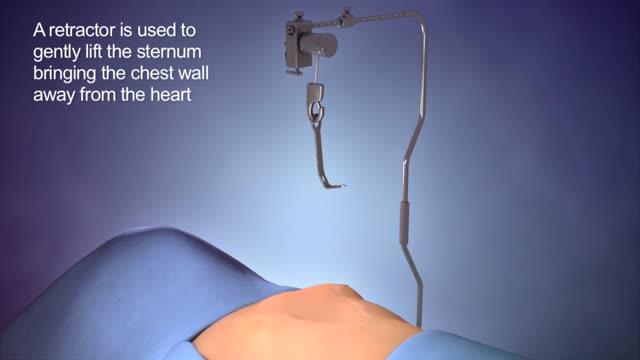
The heart is the body's engine room, responsible for pumping life-sustaining blood via a 60,000-mile-long (97,000-kilometer-long) network of vessels. The organ works ceaselessly, beating 100,000 times a day, 40 million times a year—in total clocking up three billion heartbeats over an average lifetime. It keeps the body freshly supplied with oxygen and nutrients, while clearing away harmful waste matter.
The bladder is a hollow organ in the lower abdomen (pelvis). It collects and stores urine produced by the kidneys. The bladder is connected to the kidneys by a tube from each kidney called a ureter. When the bladder reaches its capacity of urine, the bladder wall contracts, although adults have voluntary control over the timing of this contraction. At the same time, a urinary control muscle (sphincter) in the urethra relaxes. The urine is then expelled from the bladder. The urine flows through a narrow tube called the urethra and leaves the body. This process is called urination, or micturition.
Sialorrhea or excessive drooling is a major issue in children with cerebral palsy and adults with neurodegenerative disorders. In this review, we describe the clinical features, anatomy and physiology of sialorrhea, as well as a review of the world literature on medical treatment using Yale University’s search engine; including but not limited to Medline and Erasmus. Level of drug efficacy is defined according to the guidelines of American Academy of Neurology. Current medical management is unsatisfactory. Topical agents (scopolamine and tropicamide) and oral agents (glyccopyrolate) combined render a level B evidence (probably effective); however, this treatment is associated with troublesome side effects. Double-blind and placebo-controlled studies of botulinum toxin (BoNT) provide a level A evidence for type B (two class I studies; effective and established) and both overall and individual B level of evidence for OnabotulinumtoxinA (A/Ona) and AbobotulinumtoxinA (A/Abo); these are probably effective. For IncobotulinumtoxinA (A/Inco), the level of evidence is U (insufficient) due to lack of blinded studies. Side effects are uncommon; transient and comparable between the two types of toxin. A clinical note at the end of this review comments on fine clinical points. Administration of BoNTs into salivary glands is currently the most effective way of treating sialorrhea.
When food is taken, it is broken down into smaller components. Sugars and carbohydrates are thus broken down into glucose for the body to utilize them as an energy source. The liver is also able to manufacture glucose. In normal persons the hormone insulin, which is made by the beta cells of the pancreas, regulates how much glucose is in the blood. When there is excess of glucose in blood, insulin stimulates cells to absorb enough glucose from the blood for the energy that they need. Insulin also stimulates the liver to absorb and store any excess glucose that is in the blood. Insulin release is triggered after a meal when there is a rise in blood glucose. When blood glucose levels fall, during exercise for example, insulin levels fall too. High insulin will promote glucose uptake, glycolysis (break down of glucose), and glycogenesis (formation of storage form of glucose called glycogen), as well as uptake and synthesis of amino acids, proteins, and fat. Low insulin will promote gluconeogenesis (breakdown of various substrates to release glucose), glycogenolysis (breakdown of glycogen to release gluose), lipolysis (breakdown of lipids to release glucose), and proteolysis (breakdown of proteins to release glucose). Insulin acts via insulin receptors.
6 987 24 MORE How Does Anesthesia Work? Credit: itsmejust | Shutterstock If you’ve ever had surgery, unless you are super tough, you’ve gone through it with the benefit of anesthetics. But, how do these body-numbing elixirs work? Prior to the invention of anesthesia in the mid-1800s, surgeons had to hack off limbs, sew up wounds and remove mysterious growths with nothing to dull the patient's pain but opium or booze. While these drugs may have numbed the patient, they didn’t always completely block the pain, or erase the memory of it. Since then, doctors have gotten much better at putting us out with drug combinations that ease pain, relax muscles and, in some cases, put us in a deep state of hypnosis that gives us temporary amnesia. Today, there are two primary types of anesthesia drugs: those that knockout the whole body (general) and those that only numb things up locally.
Dialysis lecture 1. Dialysis Study: EXPERT NOTES for DHA, Bonent, CHT, B.Sc in Dialysis, Diploma in Dialysis https://amzn.eu/d/35Ui1kT
2. Dialysis Study : Q & A: MCQs, Fill in the blanks, True or False https://amzn.eu/d/gGn8u73
1. Dialysis Study :EXPERT NOTES for DHA, Bonent, CHT, B.Sc in Dialysis, Diploma in Dialysis, Naseha Helal.
https://play.google.com/store/....books/details?id=D_7
2. Dialysis Study: Q & A MCQ https://play.google.com/store/....books/details?id=T_3
Whatsapp
https://chat.whatsapp.com/DKCHbgsNwXS1wd7xI31tpr
Telegram
https://t.me/dialysislife PRINCIPLE OF dialysis
https://youtu.be/cfOm0aFmbe8
Dialysis machine alarms
https://youtu.be/-1A1INyDEOg
DDS dialysis disequilibrium syndrome
https://youtu.be/8AqVFiBOkIc
Peritoneal Dialysis
https://youtu.be/iHPPadGmsv0
Itching
https://youtu.be/T83Wm3HHU4M
What is CRRT
https://youtu.be/jPgFnoSEBMU
LVH
https://youtu.be/ZhFL3Z6LHeA
Sorbent dialysis
https://youtu.be/-rie5dC_FkY
RO Water
https://youtu.be/3jlEsK4Lg_I
Carbon filter RO water
https://youtu.be/mJrgtjNafQw
Hemoperfusion
https://youtu.be/UkbBm8rm9Ww
AV fistula or Dialysis fistula
https://youtu.be/uDbyfqCkCbo
Dialysis MCQ
https://youtu.be/zmOj0BL6jVY
AVF cannulation
https://youtu.be/PyqMcHA07zY
Complications of AV fistula
https://youtu.be/a_CXIvuOO_s
Blood clotting during Dialysis
https://youtu.be/9hYNepiO2o8
Muscle crapms
https://youtu.be/09s07Eiqr2k
Hepatitis C
https://youtu.be/qdNj_GhmnSE
Dialysis procedure
https://youtu.be/u1mGqXO5pzQ
Hypotension
https://youtu.be/4EVPmWTSyN8
Heparin free dialysis
https://youtu.be/rFqAn7HcWwM
Plasmapheresis
https://youtu.be/kbgsjjs9krg
Isolated ultrafiltration
https://youtu.be/xp5I5--uWb0
High flux dialyzer
https://youtu.be/gCNsErn1HHM
Urea and Creatinine
https://youtu.be/Id9AIySMQ6c
Practical RO water demo
https://youtu.be/2pXKGMDNS84
Sodium profiling
https://youtu.be/bE_DcBXNB5g
Peritoneal Dialysis
https://youtu.be/vtK6VZsi8AY
Air embolism
https://youtu.be/WJE-xqnQfd8
Dialysate
https://youtu.be/z_nb43bcWsM
How to stop Bleed from fistula
https://youtu.be/N_inLKPhPUc
Dialysis short form
https://youtu.be/3BqB-gODb5o
Dialyzer reprocessing
https://youtu.be/XelfkKsndlc
Dialysis catheter
https://youtu.be/V7y90m4xlv8
How to set KT/V
https://youtu.be/hWXjU8VTQdk
Mircera injection
https://youtu.be/STtd3I3EijA
Dialysis procedure
https://youtu.be/MIdhIgcKRZ8
Dialysis in snake bite poison
https://youtu.be/niA9RI38jyY
Uf profiling
https://youtu.be/wyjpFjD5Hi0
Heparin dose
https://youtu.be/kB56MkzHIQ0
Hyperkalemia
https://youtu.be/1rWWNlcAuio
Change bandages of leaking fistula
https://youtu.be/_0cebWWdjM8
AvF needle
https://youtu.be/GvUxbXxftTk
Polycystic kidney disease
https://youtu.be/IhsMbHFXZG8
Nephrotic syndrome
https://youtu.be/FEEOsIrXxV8
Diabetic nephropathy
https://youtu.be/v-FBIQ7MA4k
Hemodialysis permanent access
https://youtu.be/_YrwxwiR0f8
Sex and dialysis
https://youtu.be/vvl8UT8lK4k
Albumin and dialysis
https://youtu.be/yzG7yD45Nwg
Here we’ll explain the symptoms of pancreatitis, how alcohol causes the condition and the other health problems it can lead to. You probably don’t pay much attention to your pancreas. But that small, tadpole-shaped organ behind your stomach and below your ribcage is pretty important. It produces two essential substances: digestive juices which your intestines use to break down food, and hormones that are involved in digestion, such as insulin, which regulates your blood sugar levels. Pancreatitis is when your pancreas becomes inflamed and its cells are damaged. Heavy drinking can cause pancreatitis. But if you drink within the government’s low risk unit guidelines, you should avoid upsetting this important organ.
Dialysis services at UC San Diego Health: https://health.ucsd.edu/care/kidney/dialysis
UC San Diego Health Licensed Clinical Social Worker, Norma Reggev, discusses hemodialysis as a treatment option for failing kidneys with patient testimonials. Discussion includes In Center Hemodialysis and Home Hemodialysis.
0:00 - Hemodialysis
1:34 - When Should Dialysis Begin?
2:00 - What is Dialysis?
2:25 - How Hemodialysis Works
3:15 - In-Center Hemodialysis Considerations
3:42 - Patient Shares Their Experience With In-Center Hemodialysis
7:30 - Home Hemodialysis Considerations
8:35 - Patient Shares Their Experience With Home Hemodialysis
12:23 - Types of Vascular Access
Cholesterol is a fat-like, waxy substance that can be found in all parts of your body. It helps your body make cell membranes, many hormones, and vitamin D. The cholesterol in your blood comes from two sources: the foods you eat and your liver. But your liver makes all the cholesterol your body needs.
Research from Mayo Clinic finds that half of elderly patients who start dialysis after age 75 will die within one year.
Lead study author and a health care delivery scholar with the Mayo Clinic Robert D. and Patricia E. Kern Center for the Science of Health Care Delivery, Dr. Bjorg Thorsteinsdottir says many elderly patients and their families feel that they have no choice but to start dialysis, with several expressing regret from having initiated therapy.
The findings were presented at the American Society of Nephrology's Kidney Week 2013 in Atlanta.
soaking the wound in cool water for five minutes or longer. taking acetaminophen or ibuprofen for pain relief. applying lidocaine (an anesthetic) with aloe vera gel or cream to soothe the skin. using an antibiotic ointment and loose gauze to protect the affected area.