
Top Videos
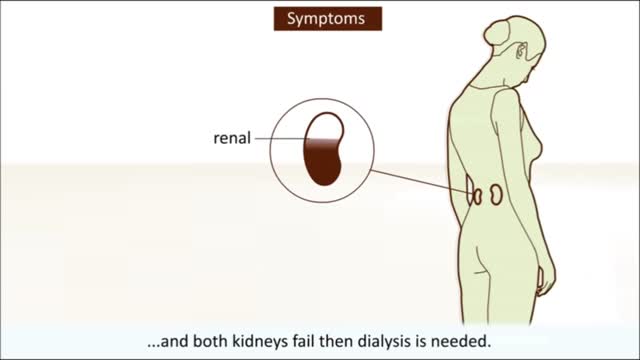

Dialysis and kidney transplantation are treatments for severe kidney failure, also called kidney (or renal) failure, stage 5 chronic kidney disease, and end-stage kidney (or renal) disease. There are two types of dialysis: hemodialysis and peritoneal dialysis. When the kidneys are no longer working effectively, waste products, electrolytes, and fluid build up in the blood. Dialysis takes over a portion of the function of the failing kidneys to remove the fluid and waste products. Kidney transplantation can more completely take over the function of the failing kidneys.
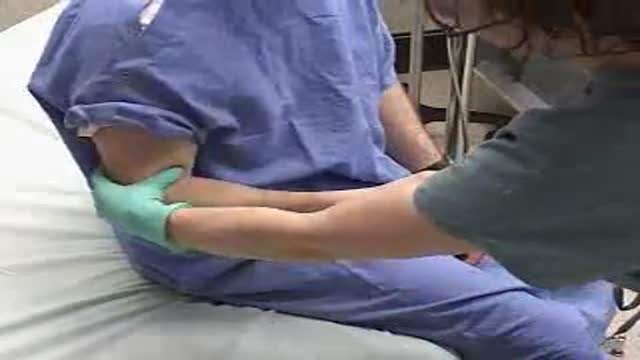
Volar Slab Cast Application
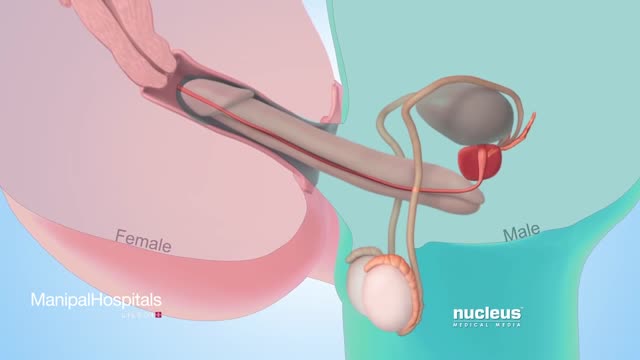
Testicular sperm aspiration (TESA) is a procedure performed for men who are having sperm retrieved for in vitro fertilization/intracytoplasmic sperm injection (IVF/ICSI). It is done with local anesthesia in the operating room or office and is coordinated with their female partner's egg retrieval.
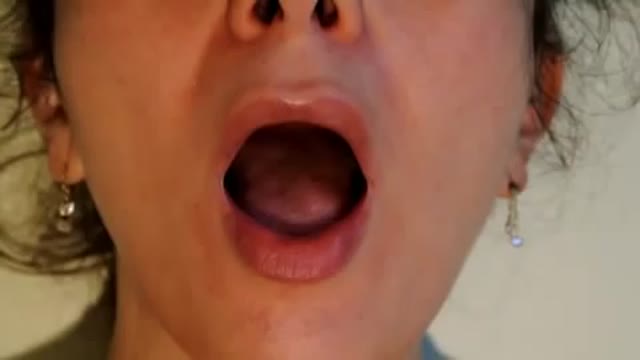
Tongue fassiculations
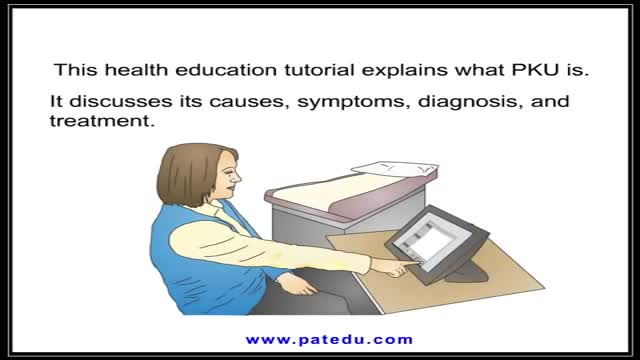
PKU is inherited in families in an autosomal recessive pattern. Autosomal recessive inheritance means that a person has two copies of the gene that is altered. Usually, each parent of an individual who has PKU carries one copy of the altered gene. ... Gene alterations (mutations) in the PAH gene cause PKU.

Classical PKU is an autosomal recessive disorder, caused by mutations in both alleles of the gene for phenylalanine hydroxylase (PAH), found on chromosome 12. In the body, phenylalanine hydroxylase converts the amino acid phenylalanine to tyrosine, another amino acid.

Smallpox disease is a serious, highly contagious, and often life-threatening infection marked by a rash of round pox (blisters) on the face, arms, and legs. It is caused by the Variola virus. The last case of smallpox in the United States was in 1949.
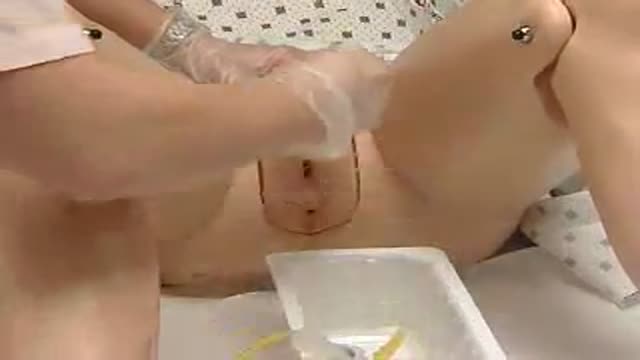
Male and female Foley catheter insertion into bladder. Kearn how to
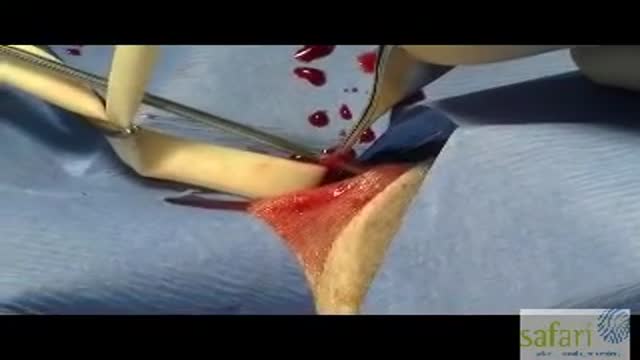
remove a staggering number of heartworms. If you don't have your pet on heartworm prevention, go to your vet, get your pet tested and put on heartworm prevention right away!

Dumping syndrome is a condition that can develop after surgery to remove all or part of your stomach or after surgery to bypass your stomach to help you lose weight. Also called rapid gastric emptying, dumping syndrome occurs when food, especially sugar, moves from your stomach into your small bowel too quickly. Most people with dumping syndrome develop signs and symptoms, such as abdominal cramps and diarrhea, 10 to 30 minutes after eating. Other people have symptoms one to three hours after eating, and still others have both early and late symptoms. Generally, you can help prevent dumping syndrome by changing your diet after surgery. Changes might include eating smaller meals and limiting high-sugar foods. In more-serious cases o
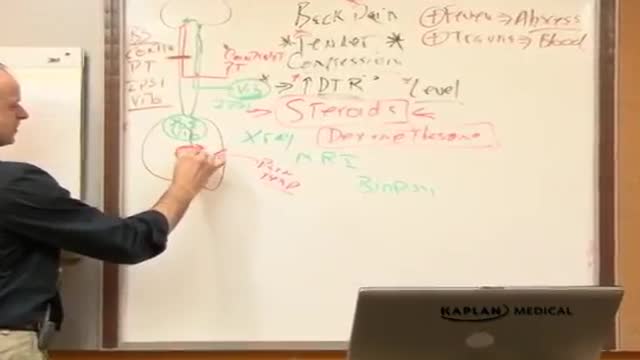
Syringomyelia (sih-ring-go-my-E-lee-uh) is the development of a fluid-filled cyst (syrinx) within your spinal cord. Over time, the cyst may enlarge, damaging your spinal cord and causing pain, weakness and stiffness, among other symptoms. Syringomyelia has several possible causes, though the majority of cases are associated with a condition in which brain tissue protrudes into your spinal canal (Chiari malformation). Other causes of syringomyelia include spinal cord tumors, spinal cord injuries and damage caused by inflammation around your spinal cord. If syringomyelia isn't causing any problems, monitoring the condition may be all that's necessary. But if you're bothered by symptoms, you may need surgery.

In the Womb - Identical Twins
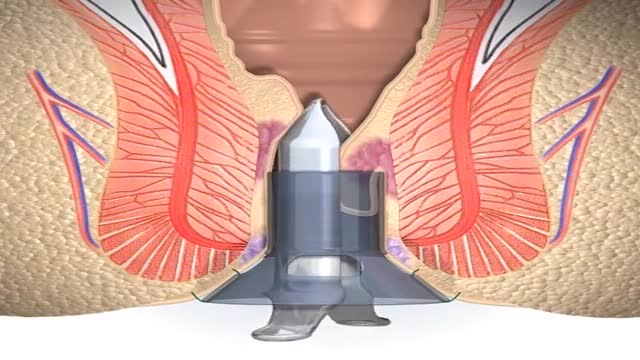
A stapled haemorrhoidopexy is an operation to return the haemorrhoids to a normal. position inside the rectum (back passage). A circular shaped stapling device is gently. inserted in the back passage. The surgeon is then able to use the device to remove.
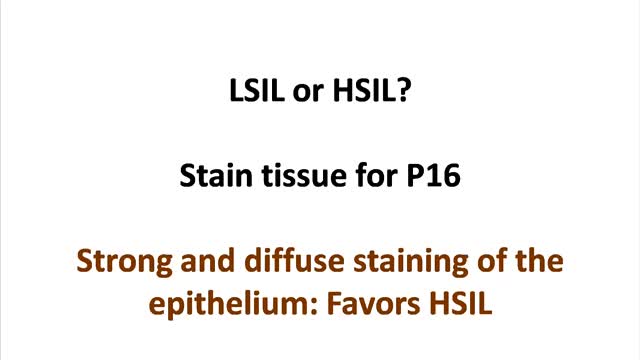
Cervical cancer occurs when abnormal cells on the cervix camera.gif grow out of control. The cervix is the lower part of the uterus that opens into the vagina. Cervical cancer can often be successfully treated when it's found early. It is usually found at a very early stage through a Pap test.

Nearly 300 million people experience the world without certain colors every day. ‘Color For the Colorblind’ is a short documentary about what happened when we partnered with EnChroma, maker of color blindness-correcting glasses, to help people experience colors for the first time.

Dealing with Anxiety and Panic Attacks
a great video showing the various techniques of stitches and suturing
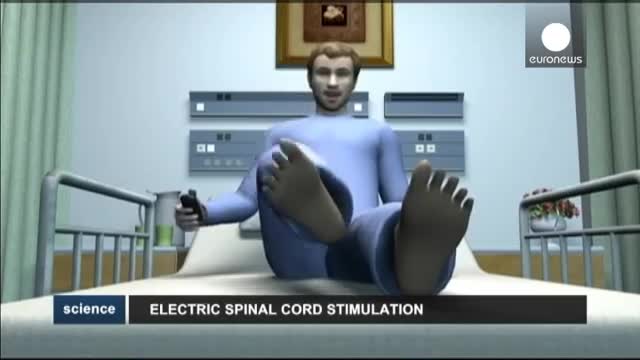
People whose back or neck pain has not been relieved by back surgery or other treatments may have another option to consider: spinal cord stimulation. Around the world, some 14,000 patients undergo spinal cord stimulator implants each year. Spinal cord stimulation (SCS) delivers mild electrical stimulation to nerves along the spinal column, modifying or blocking nerve activity in a non-medicinal way to minimize the sensation of pain reaching the brain.

A UK patient praises Dr.Venkatachalam for her Hip resurfacing surgery. She was able to get full movements after surgery which wouldn't have been possible with a hip replacement
the motor milestones expected in typically developing babies, from head control to walking and what pediatricians look for during a well-baby visit. She also explains the specific types of motor control a baby must master before the next milestone can be achieved
