Top videos
An anal fissure is a small tear in the thin, moist tissue (mucosa) that lines the anus. An anal fissure may occur when you pass hard or large stools during a bowel movement. Anal fissures typically cause pain and bleeding with bowel movements. You also may experience spasms in the ring of muscle at the end of your anus (anal sphincter). Anal fissures are very common in young infants but can affect people of any age. Most anal fissures get better with simple treatments, such as increased fiber intake or sitz baths. Some people with anal fissures may need medication or, occasionally, surgery.
Vertigo is a sense of rotation, rocking, or the world spinning, experienced even when someone is perfectly still. Many children attempt to create a sense of vertigo by spinning around for a time; this type of induced vertigo lasts for a few moments and then disappears. In comparison, when vertigo occurs spontaneously or as a result of an injury it tends to last for many hours or even days before resolving.
This video: Multiple myeloma is a cancer that forms in a type of white blood cell called a plasma cell. Plasma cells help you fight infections by making antibodies that recognize and attack germs. Multiple myeloma causes cancer cells to accumulate in the bone marrow, where they crowd out healthy blood cells. Rather than produce helpful antibodies, the cancer cells produce abnormal proteins that can cause kidney problems. Treatment for multiple myeloma isn't always necessary. If you're not experiencing signs and symptoms, you may not require treatment. If signs and symptoms develop, a number of treatments can help control your multiple myeloma.
Psychological testing refers to the administration of psychological tests. A psychological test is "an objective and standardized measure of a sample of behavior" (p. 4). The term sample of behavior refers to an individual's performance on tasks that have usually been prescribed beforehand.
A coma is a prolonged state of unconsciousness. During a coma, a person is unresponsive to his or her environment. The person is alive and looks like he or she is sleeping. However, unlike in a deep sleep, the person cannot be awakened by any stimulation, including pain.
Today I will discuss about hemodialysis.
Start with a free 3-day trial at ReMarNurse.com/FREE
Follow & Subscribe for more weekly nursing and NCLEX content every Monday and Wednesday with Regina MSN, RN!
00:00 Introduction
02:53 Hemodialysis
06:06 Dialysis Apparatus
07:59 Dialysis Mechanism
13:27 Vascular Access
18:55 Nursing Considerations
25:07 Nursing Management for HD
27:57 NCLEX Practice Questions
Hemodialysis is a procedure where a dialysis machine and a special filter called an artificial kidney, or a dialyzer, are used to clean your blood.
I will also discuss about hemodialysis procedure, how hemodialysis machine works and its benefits for patients.
If you're interested in learning more about hemodialysis, or if this just seems like something you should know for nursing school or for the NCLEX exam, check out this video!
Join the #1 community of nursing students on the planet with 12,000+ students studying now inside of the NCLEX Virtual Trainer review on sale now at http://www.ReMarNurse.com
► Subscribe to JOIN the ReMar YouTube Channel: http://bit.ly/ReMar-Subscription
Your NCLEX RN & LPN Study Tools:
► Get NCLEX Virtual Trainer: http://www.ReMarNurse.com/NCLEXVT
► Get the Question Bank: http://www.ReMarNurse.com/NCLEXQBank
► Get Quick Facts for NCLEX: http://bit.ly/QuickFactsNCLEX
Get MORE from Regina MSN, RN:
► WATCH MORE: http://bit.ly/PassNCLEXPlayList/
► GET THE PODCAST: https://remarnurse.podbean.com/
► WATCH LESSONS: http://bit.ly/ReMarNCLEXLectures/
► FOLLOW ReMar on Instagram: https://www.instagram.com/ReMarNurse/
► LIKE ReMar on Facebook: https://www.facebook.com/ReMarReview/
#nursingstudent #hemodialysis #nursing #remarreview
ReMar Review features weekly NCLEX review questions and lectures from Regina M. Callion MSN, RN. ReMar is the #1 content-based NCLEX review and has helped thousands of repeat-testers pass NCLEX with a 99.2% student success rate!
ReMar focuses on 100% core nursing content and as a result, has the best review to help nursing students pass boards - fast!
Wash your hands thoroughly with soap and water before and after treating the wound. Wash the area with mild soap and running water to reduce the risk of infection. Pat dry. Apply antibiotic ointment and cover with a clean bandage or sterile dressing. Antibiotic prophylaxis should be considered, especially if there is a high risk of infection, such as with cat bites, with puncture wounds, with wounds to the hand, and in persons who are immunosuppressed. Amoxicillin/clavulanate is the first-line prophylactic antibiotic.
Primary sclerosing (skluh-ROHS-ing) cholangitis (koh-lan-JIE-tis) is a disease of the bile ducts, which carry the digestive liquid bile from your liver to your small intestine. In primary sclerosing cholangitis, inflammation causes scars within the bile ducts. These scars make the ducts hard and narrow and gradually cause serious liver damage. In most people with primary sclerosing cholangitis, the disease progresses slowly and can lead to liver failure, repeated infections, and tumors of the bile duct or liver. Liver transplant is the only known cure for primary sclerosing cholangitis. The search for other treatments to slow or stop primary sclerosing cholangitis is ongoing, and scientists have turned up many promising leads. Until better treatments are proved safe and effective, though, care for primary sclerosing cholangitis focuses on monitoring liver function, managing symptoms and, when possible, doing procedures that temporarily open blocked bile ducts.
Infant jaundice is a yellow discoloration in a newborn baby's skin and eyes. Infant jaundice occurs because the baby's blood contains an excess of bilirubin (bil-ih-ROO-bin), a yellow-colored pigment of red blood cells. Infant jaundice is a common condition, particularly in babies born before 38 weeks gestation (preterm babies) and some breast-fed babies. Infant jaundice usually occurs because a baby's liver isn't mature enough to get rid of bilirubin in the bloodstream. In some cases, an underlying disease may cause jaundice. Treatment of infant jaundice often isn't necessary, and most cases that need treatment respond well to noninvasive therapy. Although complications are rare, a high bilirubin level associated with severe infant jaundice or inadequately treated jaundice may cause brain damage.
"How to Perform a Transthoracic Echocardiographic Study Volume 1: Transducer Position and Anatomy" is an instructional video, offered by ASE, and can be used for professional lectures and offers an interactive section for flexible presentations. The video includes an overview of relevant cardiac anatomy, a step by step presentation of all Transducer Positions, and the sequential transducer movements to acquire standard echo images needed to complete a Transthoracic Echocardiographic Study.
In most cases, your body's immune system defeats an HPV infection before it creates warts. When warts do appear, they vary in appearance depending on which variety of HPV is involved: Genital warts. These appear as flat lesions, small cauliflower-like bumps or tiny stem-like protrusions. In women, genital warts appear mostly on the vulva but can also occur near the anus, on the cervix or in the vagina. In men, genital warts appear on the penis and scrotum or around the anus. Genital warts rarely cause discomfort or pain, though they may itch. Common warts. Common warts appear as rough, raised bumps and usually occur on the hands, fingers or elbows. In most cases, common warts are simply unsightly, but they can also be painful or susceptible to injury or bleeding.
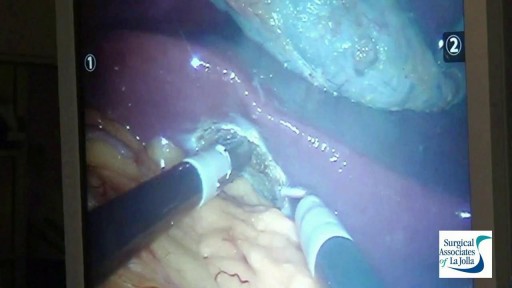
28 years old gentleman presented with huge liver abscess in the right lobe, with repeated attempts of percutaneous aspirations in the past. He was evaluated and subjected to Laparoscopic drainage. This video depicts feasibility of laparoscopy in deep seated liver abscesses. Video created by: Dr. Juneed M. Lanker Fellow Minimal Access Surgery Apollo Hospitals Chennai.
Angina is a term used for chest pain caused by reduced blood flow to the heart muscle. Angina (an-JIE-nuh or AN-juh-nuh) is a symptom of coronary artery disease. Angina is typically described as squeezing, pressure, heaviness, tightness or pain in your chest. Angina, also called angina pectoris, can be a recurring problem or a sudden, acute health concern. Angina is relatively common but can be hard to distinguish from other types of chest pain, such as the pain or discomfort of indigestion. If you have unexplained chest pain, seek medical attention right away.
Arthritis is inflammation of one or more of your joints. The main symptoms of arthritis are joint pain and stiffness, which typically worsen with age. The most common types of arthritis are osteoarthritis and rheumatoid arthritis. Osteoarthritis causes cartilage — the hard, slippery tissue that covers the ends of bones where they form a joint — to break down. Rheumatoid arthritis is an autoimmune disorder that first targets the lining of joints (synovium). Uric acid crystals, infections or underlying disease, such as psoriasis or lupus, can cause other types of arthritis. Treatments vary depending on the type of arthritis. The main goals of arthritis treatments are to reduce symptoms and improve quality of life.