
- Physical Examination
- Surgical Examination
- Ophthalmology
- Clinical Skills
- Orthopedics
- Surgery Videos
- Laparoscopy
- Pediatrics
- Funny Videos
- Cardiothoracic Surgery
- Nursing Videos
- Plastic Surgery
- Otorhinolaryngology
- Histology and Histopathology
- Neurosurgery
- Dermatology
- Pediatric Surgery
- Urology
- Dentistry
- Oncology and Cancers
- Anatomy Videos
- Health and Fitness
- Radiology
- Anaesthesia
- Physical Therapy
- Pharmacology
- Interventional Radiology
- Cardiology
- Endocrinology
- Gynecology
- Emergency Medicine
- Psychiatry and Psychology
- Childbirth Videos
- General Medical Videos
- Nephrology
- Physiology
- Diet and Food Health
- Diabetes Mellitus
- Neurology
- Women Health
- Osteoporosis
- Gastroenterology
- Pulmonology
- Hematology
- Rheumatology
- Toxicology
- Nuclear Medicine
- Infectious Diseases
- Vascular Disease
- Reproductive Health
- Burns and Wound Healing
- Other
Top videos

The Nephron Functional Unit of Kidney
Diabetic Nephropathy Animation 3D
Eye Lid Tarsal Fracture Surgery
Keratectomy with Amniotic Membrane Graft Eye
Ocular Movement Examination
Lower Face Lift Awake Plastic Surgery
Heart Valves

Emboli Formation in Artery
Cleft Lip Surgery Millard Unilateral
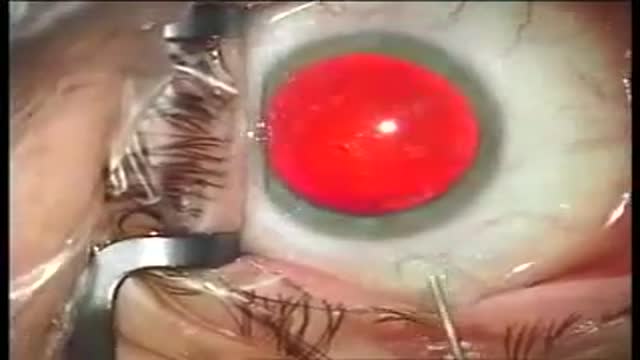
RLE and Alcon Restor IOL Implantation
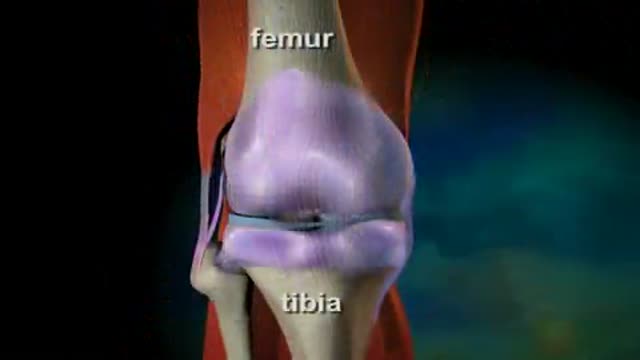
Osteoarthritis is a degenerative joint disease that is caused by the chronic breakdown and eventual loss of cartilage within the joints. As the cartilage wears away, the bones that meet at the joint begin to rub against each other. This can cause extreme pain and can severely reduce movement and flexibility of the joint. Growths of bone, called bone spurs, can also form around the edges of the joint and cause pain. Joint swelling can also occur if the synovial membrane lining the joint becomes irritated, producing excess fluid that collects inside the joint. What Causes Osteoarthritis? More than half of the population age 65 or older have osteoarthritis in at least one joint. Osteoarthritis usually results from injury to a joint or from wear and tear over time. Heredity, lack of use, and being overweight also contribute to the development of osteoarthritis. Treating Osteoarthritis Treatment can include weight loss, physiotherapy, and medication. If the condition becomes severe and mobility is greatly reduced, hip replacement surgery may be necessary.
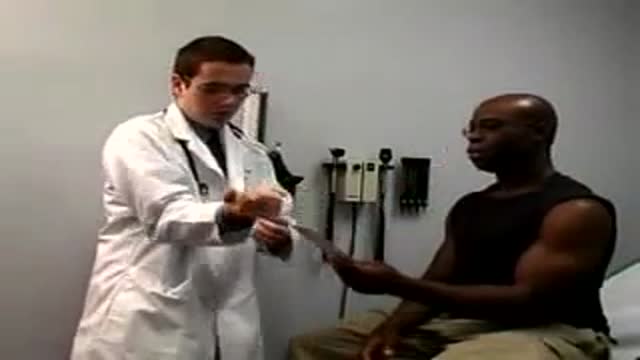
Eye Examination Video

Targeted approach helps patients better manage prostate cancer and inhibit adrogen production.

Bilateral Laparoscopic Pyeloplasty in Children
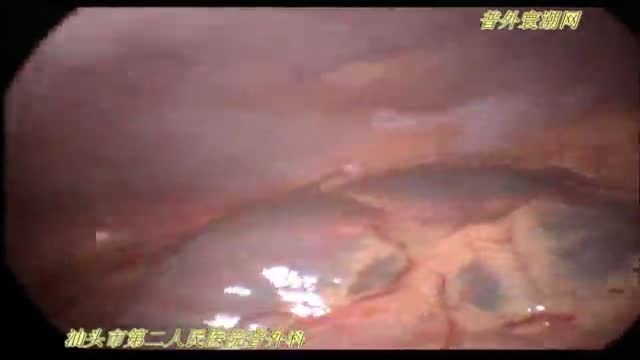
Laparoscopic duodenal ulcer perforation repair 2
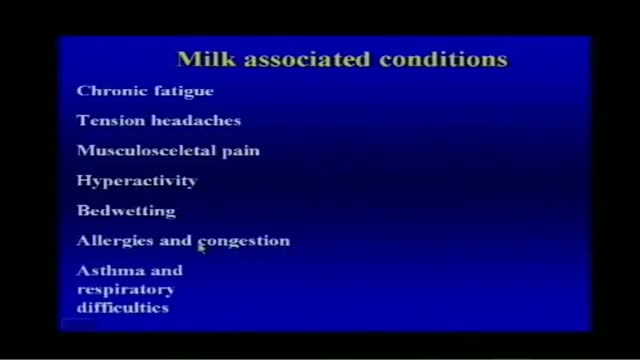
Milk Associated Diseases Information

Improve blood sugar control in adults with type 2 diabetes through new advancements

Heart Attack 3D Animation
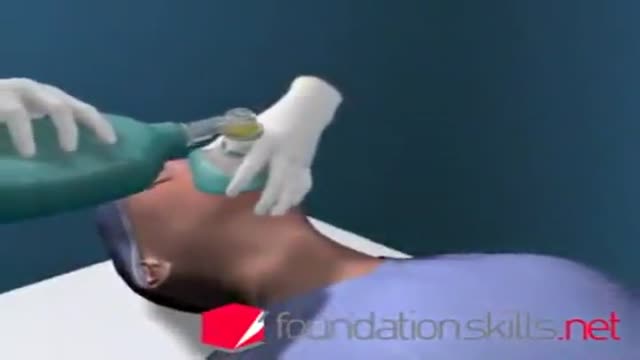
Intubation during General Anaesthesia 3D Animation
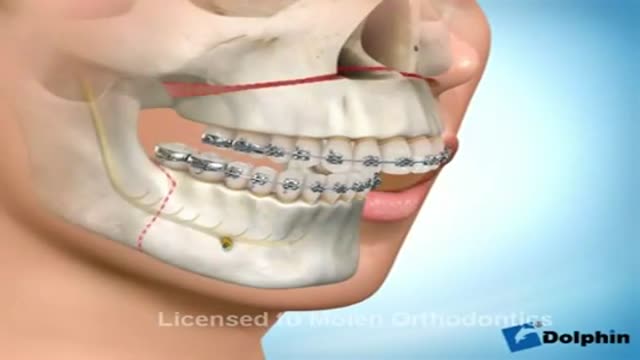
Dental Braces and Jaw Reconstruction
