
- Physical Examination
- Surgical Examination
- Ophthalmology
- Clinical Skills
- Orthopedics
- Surgery Videos
- Laparoscopy
- Pediatrics
- Funny Videos
- Cardiothoracic Surgery
- Nursing Videos
- Plastic Surgery
- Otorhinolaryngology
- Histology and Histopathology
- Neurosurgery
- Dermatology
- Pediatric Surgery
- Urology
- Dentistry
- Oncology and Cancers
- Anatomy Videos
- Health and Fitness
- Radiology
- Anaesthesia
- Physical Therapy
- Pharmacology
- Interventional Radiology
- Cardiology
- Endocrinology
- Gynecology
- Emergency Medicine
- Psychiatry and Psychology
- Childbirth Videos
- General Medical Videos
- Nephrology
- Physiology
- Diet and Food Health
- Diabetes Mellitus
- Neurology
- Women Health
- Osteoporosis
- Gastroenterology
- Pulmonology
- Hematology
- Rheumatology
- Toxicology
- Nuclear Medicine
- Infectious Diseases
- Vascular Disease
- Reproductive Health
- Burns and Wound Healing
- Other
Top videos

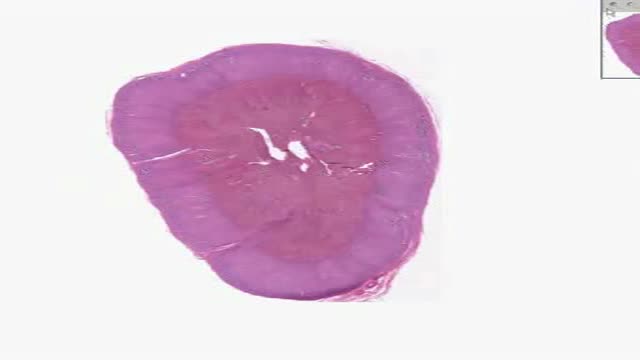
Histology of Adrenal
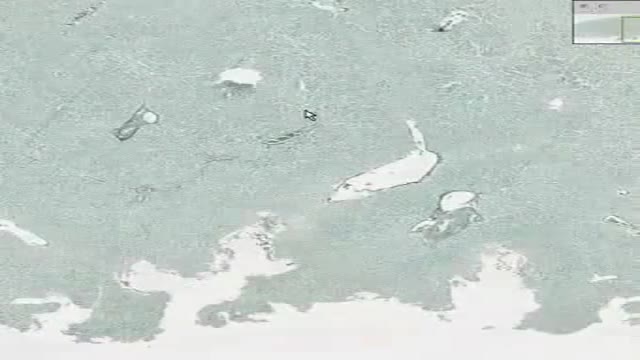
Histology of Liver Reticulin Fibers
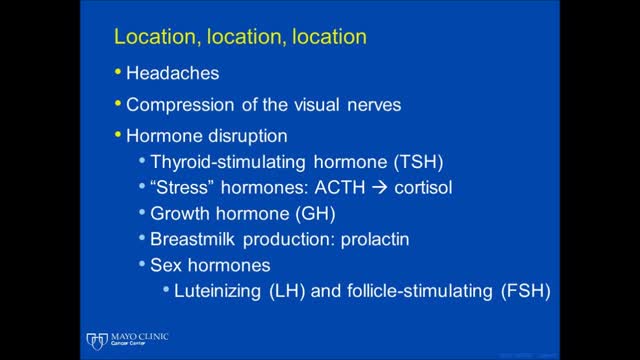
Multiple endocrine neoplasia is a group of disorders that affect the body's network of hormone-producing glands (the endocrine system). Hormones are chemical messengers that travel through the bloodstream and regulate the function of cells and tissues throughout the body. Multiple endocrine neoplasia typically involves tumors (neoplasia) in at least two endocrine glands; tumors can also develop in other organs and tissues. These growths can be noncancerous (benign) or cancerous (malignant). If the tumors become cancerous, the condition can be life-threatening.
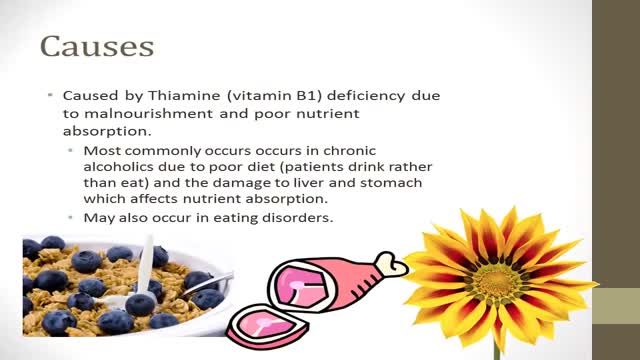
-Korsakoff's syndrome is a common and preventable sequel of Wernicke's encephalopathy. Thiamine, if given during the stage of Wernicke's encephalopathy, can prevent the onset of Korsakoff's psychosis. The administration of glucose prior to thiamine can precipitate Korsakoff's syndrome, as seen in this case. In such patients, brain MRI frequently shows abnormal enhancement of the mammillary bodies & thallamus
Its time to enjoy
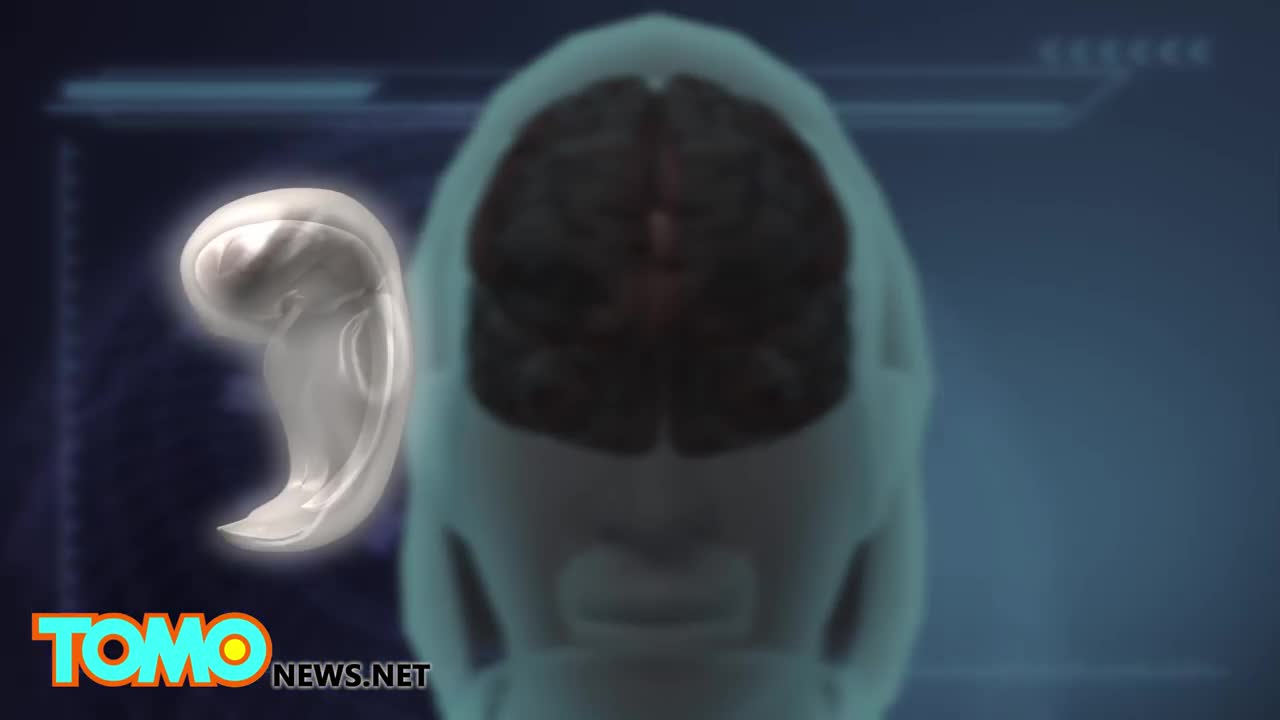
Parasitic twins: boy carrying dead twin inside him, giant tumor removed - tumors compilation
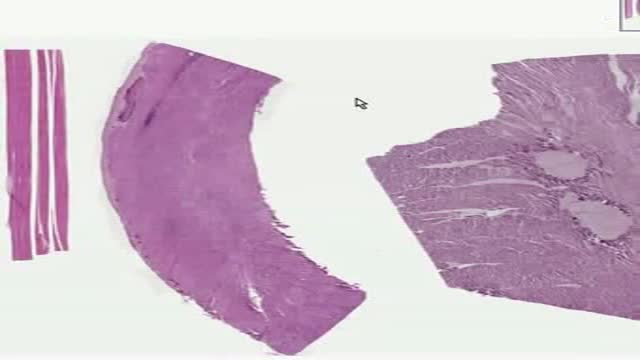
Histology of Mucles Skeletal Smooth Cardiac

Top 10 Foods that Can Kill You
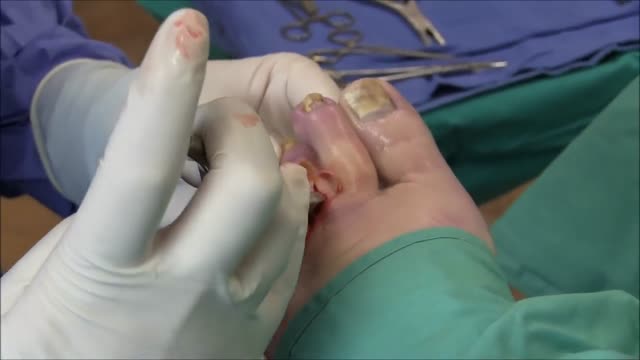
Possible complications could include: Difficulty healing. Infection. Stump pain (severe pain in the remaining tissue) Phantom limb pain (a painful sensation that the foot or toe is still there) Continued spread of gangrene, requiring amputation of more areas of your foot, toes or leg. Bleeding. Nerve damage.

White stretch marks are unsightly marks that are found along the thighs, abdomen and upper arms. These are marks that could be due to a recent weight loss, trauma or pregnancy. Stretch marks can affect your confidence if you wear revealing outfits and so you should do all you can to remove them.

Anti Anxiety Medication, Is Depression A Mental Illness, How To Overcome Depression, Depression Cure--- http://depression-help.info-pro.co --- Symptoms of Depression, Signs and symptoms of depression include: Feelings of helplessness and hopelessness. A bleak outlook—nothing will ever get better, and there’s nothing you can do to improve your situation. Loss of interest in daily activities. No interest in former hobbies, pastimes, social activities, or sex. You’ve lost your ability to feel joy and pleasure. Appetite or weight changes. Significant weight loss or weight gain—a change of more than 5% of body weight in a month. Sleep changes. Either insomnia, especially waking in the early hours of the morning, or oversleeping. Anger or irritability. Feeling agitated, restless, or even violent. Your tolerance level is low, your temper short, and everything and everyone gets on your nerves. Loss of energy. Feeling fatigued, sluggish, and physically drained. Your whole body may feel heavy, and even small tasks are exhausting or take longer to complete. Self-loathing. Strong feelings of worthlessness or guilt. You harshly criticize yourself for perceived faults and mistakes. Reckless behavior. You engage in escapist behavior such as substance abuse, compulsive gambling, reckless driving, or dangerous sports. Concentration problems. Trouble focusing, making decisions, or remembering things. Unexplained aches and pains. An increase in physical complaints such as headaches, back pain, aching muscles, and stomach pain. DESTROY Depression The Natural Way! Click Here http://depression-help.info-pro.co
During normal sleep, you cycle through REM and four stages of non-REM (NREM) sleep numerous times a night. Stage 1 of NREM sleep is the lightest, while stage 4 is the deepest. When you're repeatedly interrupted and can't cycle normally through these types and stages of sleep, you may feel tired, fatigued, and have trouble concentrating and paying attention while you're awake. Sleepiness puts you at greater risk for car wrecks and other accidents.

Sickle cell anemia causes pain, fatigue and delayed growth, all because of a lack of enough healthy red blood cells. And yet genetic mutations that cause it — recessive genes for the oxygen-carrying hemoglobin protein — have survived natural selection because they also seem to provide a natural defense against malaria.

Worst Pops! Cysts, Zits, Pimples & Blackhead Popping
Learn about Cord Blood to help you make the right decision for you and your family. Whether you're planning for today or for tomorrow, there are many different ways you can plan for your family.
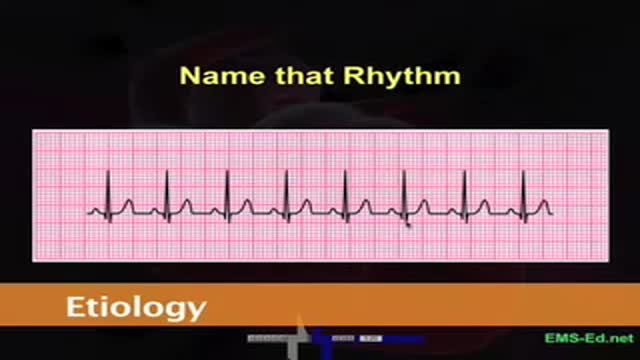
ECG
As long as the ureter is large enough to allow the ureteroscope to pass, there is a good chance that the stone can be broken and removed with one surgery. Compared to SWL, a kidney or ureteral stone can be seen under direct vision by the ureteroscope, allowing lithotripsy with lasers followed by basketting and removal.
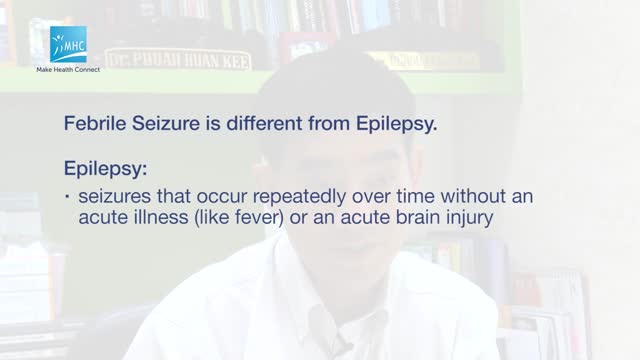
A febrile seizure is a convulsion in a child that may be caused by a spike in body temperature, often from an infection. Your child's having a febrile seizure can be alarming, and the few minutes it lasts can seem like an eternity. Febrile seizures represent a unique response of a child's brain to fever, usually the first day of a fever. Fortunately, they're usually harmless and typically don't indicate an ongoing problem. You can help by keeping your child safe during a febrile seizure and by comforting him or her afterward.
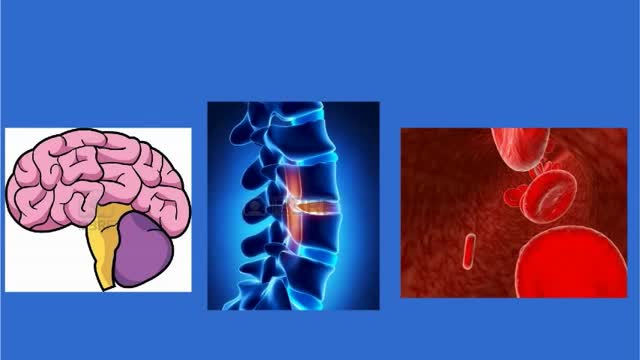
There are currently 2 types of pneumococcal vaccines: pneumococcal conjugate vaccine (PCV13 or Prevnar 13®) and pneumococcal polysaccharide vaccine (PPSV23 or Pneumovax®). PCV13 is recommended for all children younger than 5 years old, all adults 65 years or older, and people 6 years or older with certain risk factors.
