
शीर्ष वीडियो
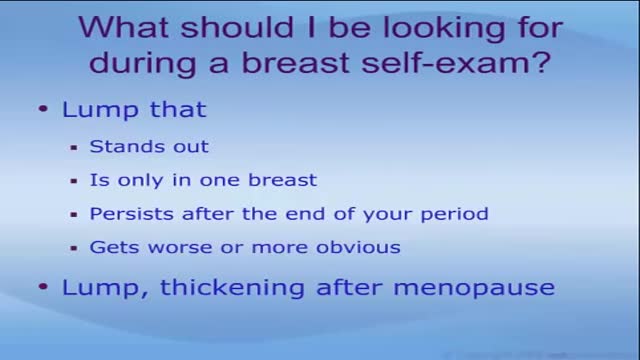

Breast lumps facts Breast lumps can be caused by infections, injuries, non-cancerous growths, and cancer. Breast cancer usually causes no pain in the breast. The symptoms of breast cancer include painless breast lumps, nipple discharge, and inflammation of the skin of the breast. The chances that a particular breast lump could be cancerous depends on many factors, including past medical history, physical examination, as well as genetic and other risk factors. The only way to be certain that a lump is not cancerous is to have a tissue sampling (biopsy). There are several ways to do the biopsy. The treatment of a breast lump depends on its cause.

Eosinophilic granulomatosis with polyangiitis (EGPA; also known as Churg-Strauss syndrome [CSS] or allergic granulomatosis) is a rare autoimmune condition that causes inflammation of small and medium-sized blood vessels (vasculitis) in persons with a history of airway allergic hypersensitivity (atopy).
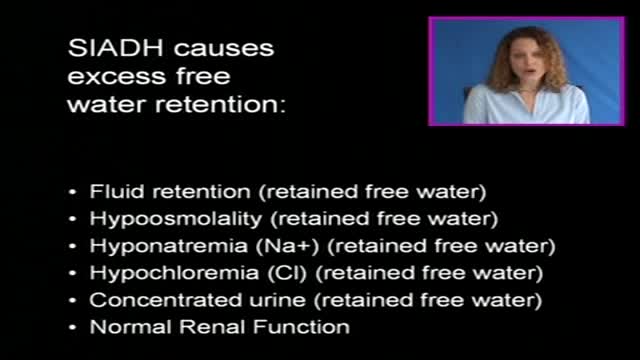
The syndrome of inappropriate antidiuretic hormone (ADH) secretion (SIADH) is defined by the hyponatremia and hypo-osmolality resulting from inappropriate, continued secretion or action of the hormone despite normal or increased plasma volume, which results in impaired water excretion.

Cystic fibrosis is a disease passed down through families that causes thick, sticky mucus to build up in the lungs, digestive tract, and other areas of the body. It is one of the most common chronic lung diseases in children and young adults. It is a life-threatening disorder.
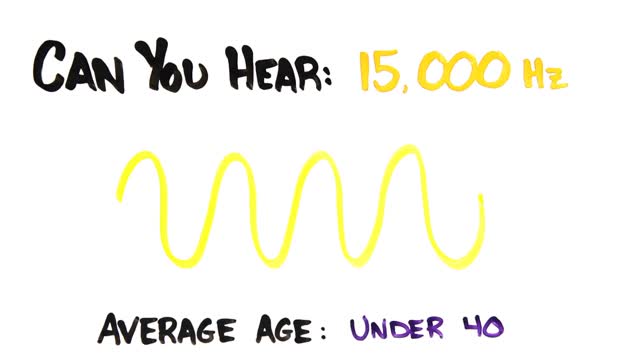
Hearing loss can affect anyone at any age, due to heredity, medical conditions or loud noise exposure. However, as we get older, we naturally become more susceptible to hearing loss because of changes to the delicate mechanics of our ears.
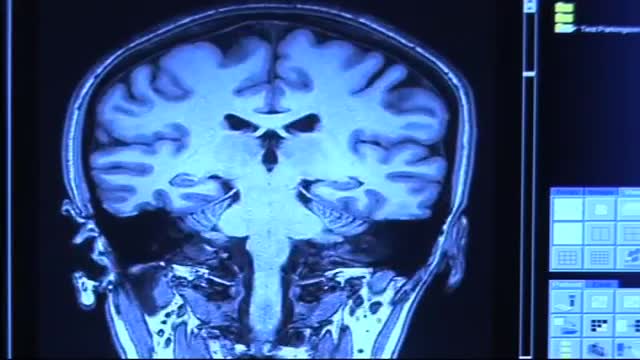
MRI Exam Procedure

Most frozen shoulders get better on their own within 12 to 18 months. For persistent symptoms, your doctor may suggest: Steroid injections. Injecting corticosteroids into your shoulder joint may help decrease pain and improve shoulder mobility, especially in the early stages of the process. Joint distension. Injecting sterile water into the joint capsule can help stretch the tissue and make it easier to move the joint. Shoulder manipulation. In this procedure, you receive a general anesthetic, so you'll be unconscious and feel no pain. Then the doctor moves your shoulder joint in different directions, to help loosen the tightened tissue. Surgery. Surgery for frozen shoulder is rare, but if nothing else has helped, your doctor may recommend surgery to remove scar tissue and adhesions from inside your shoulder joint. Doctors usually perform this surgery with lighted, tubular instruments inserted through small incisions around your joint (arthroscopically).
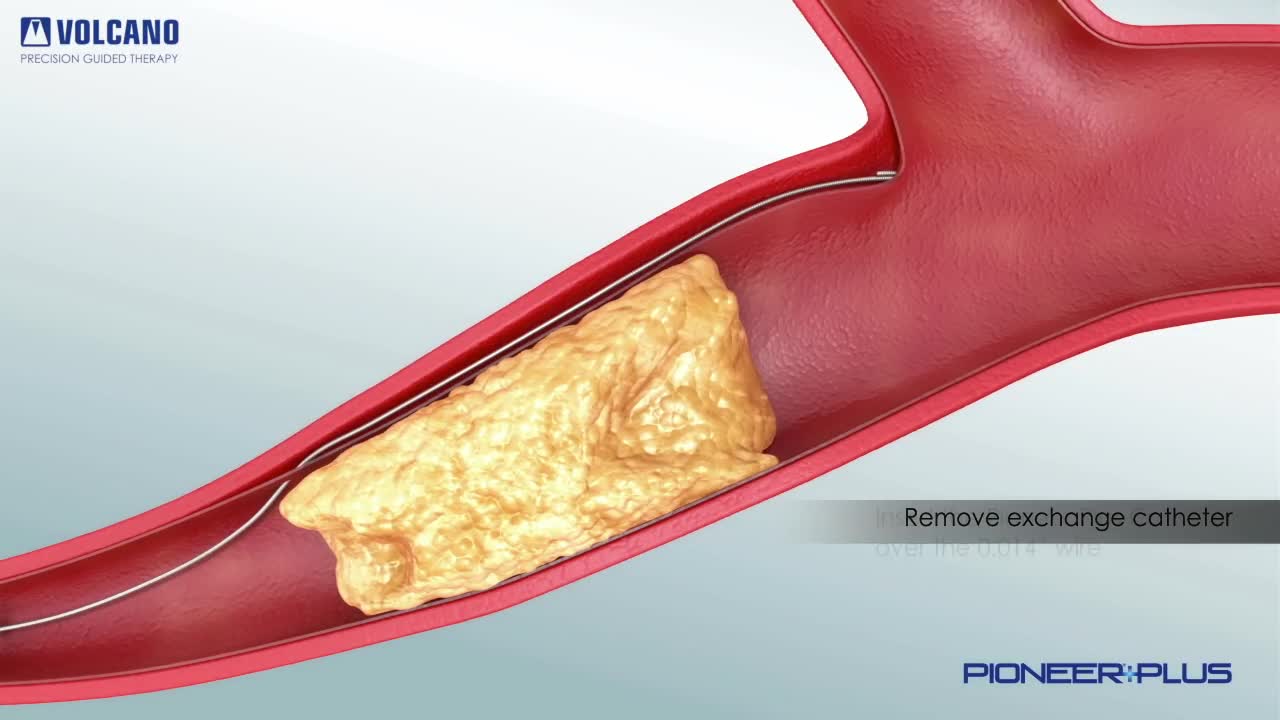
Pioneer Plus IVUS Re-Entry Catheter plaque removal
USMLE Step 2 CS - Numbness Weakness This is just preview video. To get full access please visit our website : www.usmletutoring.com
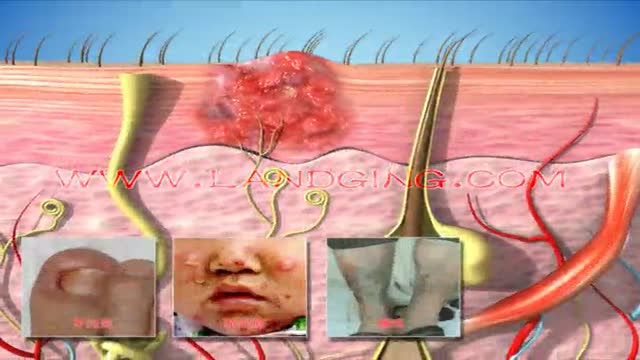
http://www.landging.com/dermatology_animation.html
Dermatology Animation demonstrates structure of skin and soft tissue and clinical pharmacology & therapeutics.
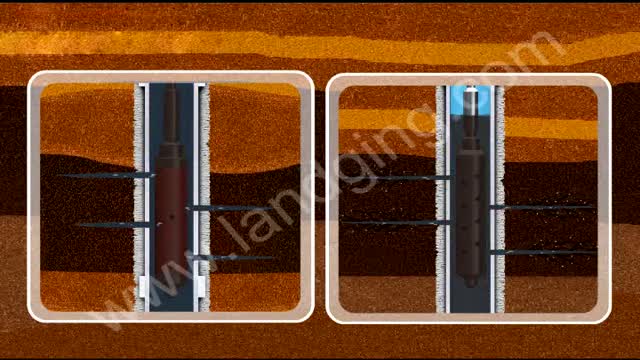
http://www.landging.com/well-test-animation.html
This well test animation demonstrates new oil drilling technology.
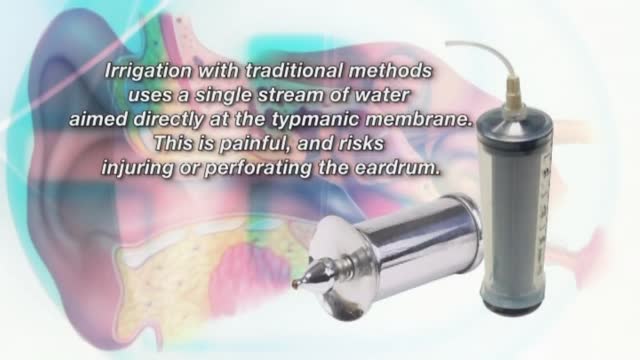
Ear irrigation is a routine procedure used to remove excess earwax, called cerumen, or foreign materials from the ear. The ear naturally secretes earwax to protect, lubricate, keep debris out, and regulate bacterial growth. Under normal conditions, the body keeps the amount of earwax in the ears .
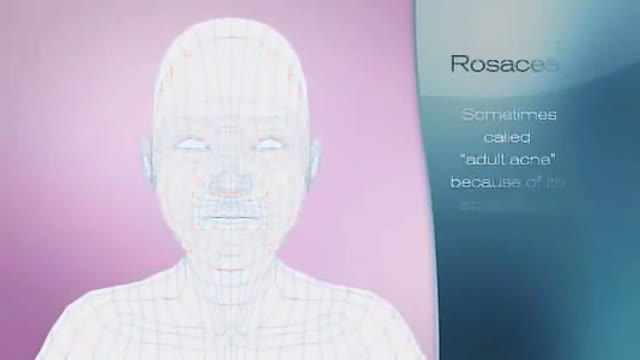
http://www.drmarylupo.com/ Rosacea is sometimes called 'adult acne', but it's not. Over 14million Americans have Rosacea. For most, Rosacea is an embarrassing cyclical condition, coming and going.

Como Aumentar Los Gluteos, Como Aumentar Las Pompas, Masajes Para Aumentar Gluteos--- http://aumente-gluteos.plus101.com/ --- Para conseguir un cuerpo perfecto hay que tomar en cuenta todo lo que consumimos día a día, razón por la cual te mencionaremos a continuación los mejores alimentos que debes comer frecuentemente para levantar los glúteos y piernas rápidamente: 1. Las Proteínas Las proteínas deben estar presentes dentro de tu dieta de manera constante, ya que ellas son las responsables del aumento del volumen de la masa muscular, te ayudarán a aumentar rápidamente los glúteos y piernas, para luego darle la firmeza y tonificación adecuada con los ejercicios. Proteínas de origen animal: Pollo sin piel, carne de res, pescado y ternera, considerando siempre que sean bajas en grasas, puedes encontrar proteínas además en los huevos y en los productos lácteos descremados. Proteínas de origen vegetal: Las puedes encontrar en las legumbres como lentejas, frijoles o garbanzos, en las semillas, las verduras y los cereales. 2. Carbohidratos Las mayorías de las personas cometen el error de eliminar de su dieta de manera completa los carbohidratos, los cuales son necesarios para el normal funcionamiento del organismo. Te recomendamos comer carbohidratos luego de una fuerte rutina de ejercicio, ya que es el momento ideal para que sean absorbidos completamente por las células musculares aumentando por lo tanto el tamaño de los glúteos y las piernas, entre los carbohidratos fundamentales para una buena alimentación tenemos: avena, granola, pan, arroz y pastas siempre que sean integrales. 3. Grasas Saludables No todas las grasas son malas para nuestra salud, existen algunas que son incluso indispensables para nuestros cuerpos, entre ellas tenemos: aceite de oliva, aceite de canola, nueces, aguacate, omega 3, aceite de almendra y de girasol. 4. Frutas y vegetales Las frutas y vegetales te ayudarán a hacer crecer los glúteos y piernas rápidamente gracias a sus altos contenidos en vitaminas y minerales que favorecen la regeneración de los músculos, dándote la energía y resistencia necesaria al momento de realizar tu rutina de ejercicios, así que inclúyelas dentro de tu dieta saludable para conseguir óptimos resultados. Alguna vez has deseado tener una cola más atractiva, pero sin invertir demasiado tiempo ni trabajo, Ingresa aqui: http://aumente-gluteos.plus101.com/
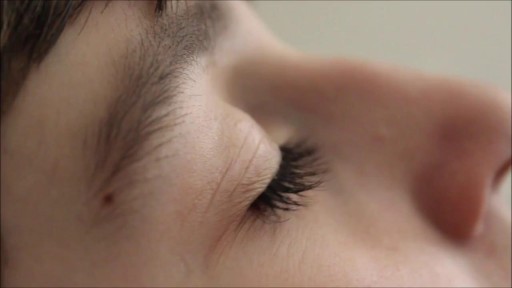
Retinitis pigmentosa is a rare, inherited degenerative eye disease that causes severe vision impairment. Symptoms often begin in childhood. They include decreased vision at night or in low light and loss of side vision (tunnel vision).
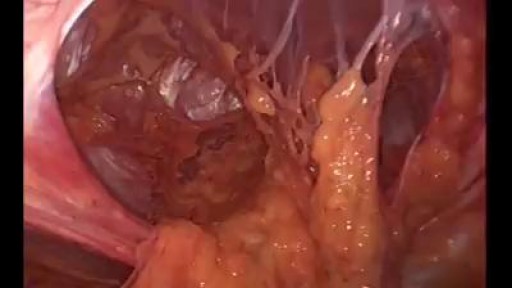
A giant abdominal wall hernia can develop from an existing ventral or incisional hernia, sometimes arising after one or more failed repair attempts. These hernias may also result from a traumatic injury where the abdomen was required to be left open and healing was delayed. In giant abdominal wall hernias, multiple loops of intestines and sometimes other abdominal organs reside within the hernia sac. The abdominal wall muscles then become conditioned to this and retract reducing the available space inside the abdomen.

Histology of Neurovascular Bundle
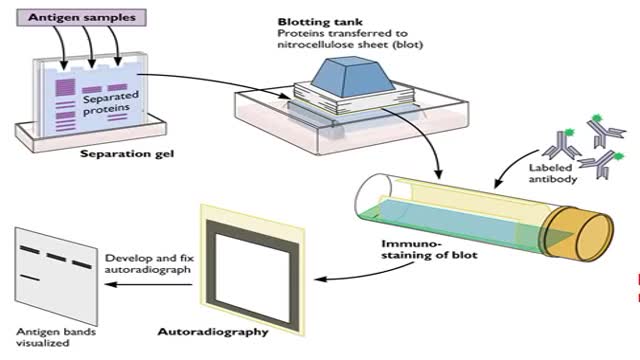
The window period is the time from infection until a test can detect any change. The average window period with HIV-1 antibody tests is 25 days for subtype B. Antigen testing cuts the window period to approximately 16 days and nucleic acid testing (NAT) further reduces this period to 12 days.[2] Performance of medical tests is often described in terms of: sensitivity: The percentage of the results that will be positive when HIV is present specificity: The percentage of the results that will be negative when HIV is not present. All diagnostic tests have limitations, and sometimes their use may produce erroneous or questionable results. False positive: The test incorrectly indicates that HIV is present in a non-infected person. False negative: The test incorrectly indicates that HIV is absent in an infected person.

-Intrapartum antibiotic prophylaxis for mothers colonized with group B Streptococcus can prevent early-onset neonatal disease. Adequate prophylaxis consists of ampicillin, penicillin, or cefazolin for ;::4 hours before delivery. Regardless of intrapartum treatment, all high-risk infants must be observed for ;::49 hours. A complete blood count with differential and blood culture are indicated if the infant is preterm <37 weeks or was exposed to prolonged rupture of membranes.>18 hrs.
Acute sinusitis can be triggered by a cold or allergies and may resolve on its own. Chronic sinusitis lasts up to eight weeks and may be caused by an infection or growths. Symptoms include headache, facial pain, runny nose, and nasal congestion. Acute sinusitis usually doesn't require any treatment beyond symptomatic relief with pain medications, nasal decongestants, and nasal saline rinses. Chronic sinusitis may require antibiotics.
