
- Physical Examination
- Surgical Examination
- Ophthalmology
- Clinical Skills
- Orthopedics
- Surgery Videos
- Laparoscopy
- Pediatrics
- Funny Videos
- Cardiothoracic Surgery
- Nursing Videos
- Plastic Surgery
- Otorhinolaryngology
- Histology and Histopathology
- Neurosurgery
- Dermatology
- Pediatric Surgery
- Urology
- Dentistry
- Oncology and Cancers
- Anatomy Videos
- Health and Fitness
- Radiology
- Anaesthesia
- Physical Therapy
- Pharmacology
- Interventional Radiology
- Cardiology
- Endocrinology
- Gynecology
- Emergency Medicine
- Psychiatry and Psychology
- Childbirth Videos
- General Medical Videos
- Nephrology
- Physiology
- Diet and Food Health
- Diabetes Mellitus
- Neurology
- Women Health
- Osteoporosis
- Gastroenterology
- Pulmonology
- Hematology
- Rheumatology
- Toxicology
- Nuclear Medicine
- Infectious Diseases
- Vascular Disease
- Reproductive Health
- Burns and Wound Healing
- Other
Top videos
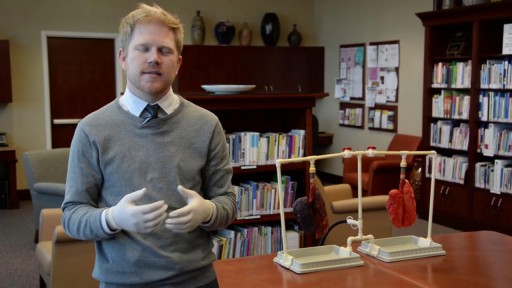

Smoking causes: Chronic obstructive pulmonary disease (COPD), a disease that gets worse over time and causes wheezing, shortness of breath, chest tightness, and other symptoms. Emphysema, a condition in which the walls between the air sacs in your lungs lose their ability to stretch and shrink back.
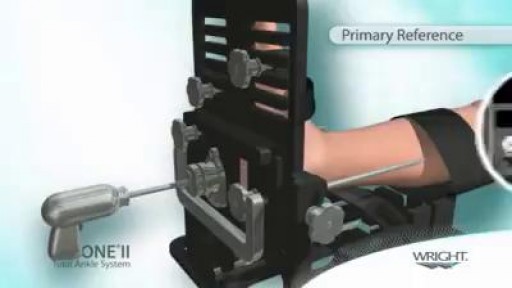
TAA is performed either under general anesthetic or nerve block. A tourniquet is used at the time of surgery to control bleeding and improve visualization during the surgery. The ankle is approached from the front or the side depending on the type of implant being used. Bone is then cut, allowing for placement of the metal and plastic components that re-create the ankle joint. Sometimes the patient will have a tight calf muscle or tight Achilles tendon that needs to be lengthened to improve range of motion of the ankle. The wounds are then closed using stitches or staples, and a splint is applied. A period of non-weightbearing in either a cast or cast boot is necessary to allow the implants to heal in place.
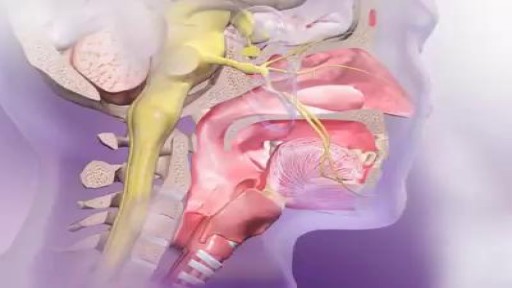
A sneeze, or sternutation, is a semi-autonomous, convulsive expulsion of air from the lungs through the nose and mouth, usually caused by foreign particles irritating the nasal mucosa
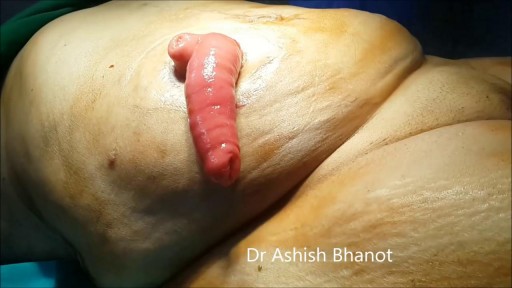
Closure of a loop ileostomy is a relatively simple procedure although many studies have demonstrated high morbidity rates following it. Methods to reduce the number of complications, such as timing of closure or different surgical closure techniques, are investigated. The aim of this study was to evaluate the experience of the Abdominal Surgery Center at Vilnius University Hospital (VUH) ‘Santariskiu klinikos’ to review the complications after closure of loop ileostomy and to identify potential risk factors for postoperative complications.
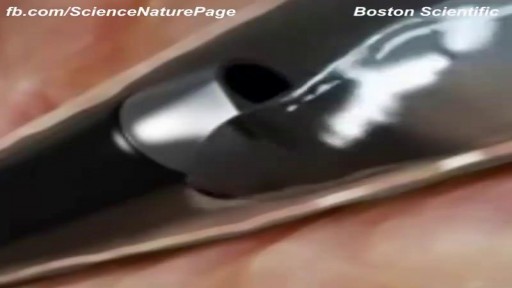
How surgeons remove kidney stones كيف يقوم الجراحون بإزالة حصى الكلى see more http://www.kidneymy.com/

Watch that video to know if It is Safe to Have Oral Sex?
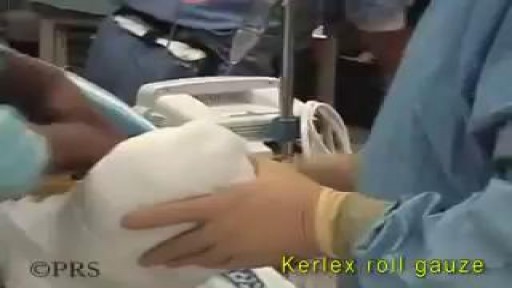
Watch that Above Knee Medical Amputation Surgery
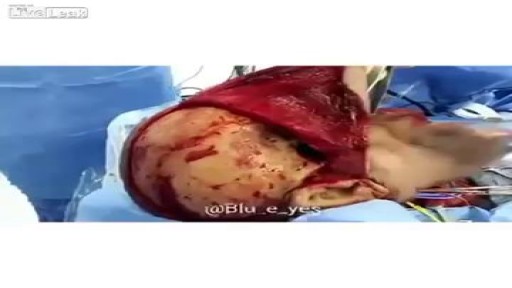
After trauma, surgery or illness, the face can be affected both in appearance and in function. Our physicians have the experience and expertise to reconstruct facial structures for a return to full functionality and comfort with one’s outside appearance. Our facial plastic surgeons are board certified in both otolaryngology and facial plastic surgery. This dual training makes their expertise absolutely critical for rebuilding major structures in the face and reshaping them for a return to one’s original appearance.
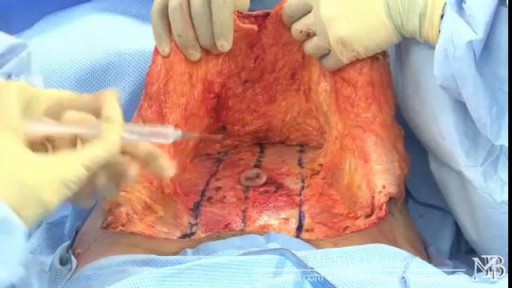
Tummy tuck surgery, also known as abdominoplasty, removes excess fat and skin and, in most cases, restores weakened or separated muscles creating an abdominal profile that is smoother and firmer. A flat and well-toned abdomen is something many of us strive for through exercise and weight control. Sometimes these methods cannot achieve our goals. Even individuals of otherwise normal body weight and proportion can develop an abdomen that protrudes or is loose and sagging. The most common causes of this include: Aging Heredity Pregnancy Prior surgery Significant fluctuations in weight What tummy tuck surgery can't do A tummy tuck is not a substitute for weight loss or an appropriate exercise program. Although the results of a tummy tuck are technically permanent, the positive outcome can be greatly diminished by significant fluctuations in your weight. For this reason, individuals who are planning substantial weight loss or women who may be considering future pregnancies would be advised to postpone a tummy tuck. A tummy tuck cannot correct stretch marks, although these may be removed or somewhat improved if they are located on the areas of excess skin that will be excised.
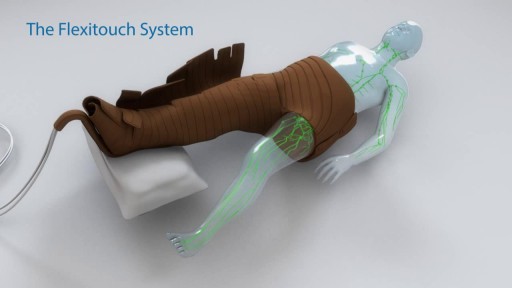
Treating Lymphedema -
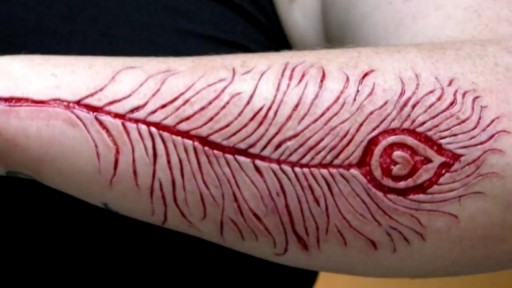
Bizarre Body Modifications


💥Patellar Tendon Pain AKA “Jumper’s Knee”👇
💥If you have this, it’s likely because your patellar tendon was over-stressed beyond what it can currently handle (due to loads that are too high or lack of recovery).
🔑 Try 5 reps of 45 second holds
🔑 2 min of rest in between each rep
🔑 Keep your knees at roughly 60 deg angle
🔑 7/10 intensity
🔑Should not increase pain during or after exercise
📚A research article found that this protocol using a knee extension machine provided significant short term pain relief. Most people don’t have a knee extension machine at home, so you could try out a wall sit instead!
🔑It may be useful during the season of competition to decrease pain and allow the athlete to compete, if needed.
❤️ Share this video with a friend who needs it!


A new bionic body part that talks to your phone is the next frontier in knee replacements. It's called a smart knee, a new technology designed to improve recovery after surgery. Stephanie Stahl reports.

Children are not little adults, which is why even the simplest of procedures requires a hospital that is 100 percent dedicated to caring for children. Children’s Mercy is one of only 10 centers in the country to be as recognized as a Level 1 Children’s Surgery Center, the highest possible rating. The result? An organization with pediatrics specialists in every subspecialty that sets the standard of care instead of just practicing it.
Examination of the eye,vision,retina and field of vision
Examination of the cervical spines
