
- Physical Examination
- Surgical Examination
- Ophthalmology
- Clinical Skills
- Orthopedics
- Surgery Videos
- Laparoscopy
- Pediatrics
- Funny Videos
- Cardiothoracic Surgery
- Nursing Videos
- Plastic Surgery
- Otorhinolaryngology
- Histology and Histopathology
- Neurosurgery
- Dermatology
- Pediatric Surgery
- Urology
- Dentistry
- Oncology and Cancers
- Anatomy Videos
- Health and Fitness
- Radiology
- Anaesthesia
- Physical Therapy
- Pharmacology
- Interventional Radiology
- Cardiology
- Endocrinology
- Gynecology
- Emergency Medicine
- Psychiatry and Psychology
- Childbirth Videos
- General Medical Videos
- Nephrology
- Physiology
- Diet and Food Health
- Diabetes Mellitus
- Neurology
- Women Health
- Osteoporosis
- Gastroenterology
- Pulmonology
- Hematology
- Rheumatology
- Toxicology
- Nuclear Medicine
- Infectious Diseases
- Vascular Disease
- Reproductive Health
- Burns and Wound Healing
- Other
Top videos


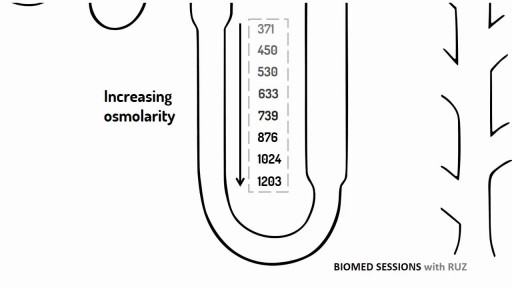
Furosemide is used to reduce extra fluid in the body (edema) caused by conditions such as heart failure, liver disease, and kidney disease. This can lessen symptoms such as shortness of breath and swelling in your arms, legs, and abdomen. This drug is also used to treat high blood pressure. Lowering high blood pressure helps prevent strokes, heart attacks, and kidney problems. Furosemide is a "water pill" (diuretic) that causes you to make more urine. This helps your body get rid of extra water and salt.

مرکز ایمپلنت و زیبایی دندان شیراز دکتر محمد امین دین پرور

Foot drop is a gait abnormality in which the dropping of the forefoot happens due to weakness, irritation or damage to the common fibular nerve including the sciatic nerve, or paralysis of the muscles in the anterior portion of the lower leg. It is usually a symptom of a greater problem, not a disease in itself.

Acufene Orecchio Sinistro, Fischio Nelle Orecchie Dopo Discoteca, Rumore Nelle Orecchie Da Sdraiati---- http://acufeni-cura.plus101.com/ --- Che cos'è l'acufene? Ti svegli nel mezzo della notte sentendo strani rumori? Sì, può far paura, specialmente se non capisci da dove arrivano. Ora pensa che questi rumori vengono da dentro di te. La maggior parte delle persone rimarrebbe sbalordita di una simile affermazione. Molti di noi non sanno neanche che i nostri organi interni possono produrre rumore. Vediamo se hai effettivamente udito tali rumori oppure no, e se li hai uditi, da dove provengono. Innanzitutto, lasciati dire - si, li hai sentiti. No, non sono il risultato di una mente creativa che si è sognata tutto. Ma detto ciò è anche vero che non c'è una fonte da cui provengono tali rumori. Allora che cos'è? Confuso? E' un classico caso di acufene. Che cos'è l'acufene? Quello che hai vissuto la notte scorsa (o ti sei appena svegliato e hai acceso il computer) è un classico caso di acufene. Si tratta di un disturbo medico in cui la persona sente ogni tipo di strani scricchiolii, ronzii, brusii, fischi o sibili all'orecchio. Ciò che è così preoccupante di questa malattia è che non c'è una sorgente di tali rumori. A peggiorare il tutto è che nessun altro li sente. Francamente queste persone non possono essere biasimate. Se non puoi vedere da dove proviene il suono e continui a sentirlo ti riempi di agitazione. Nell'acufene i suoni uditi dalla persona sono di fatto percezioni. Visto che non c'è una fonte reale sono spesso definiti come "rumori fantasma". Ti aiuta sapere che circa l'8% della popolazione degli USA soffre di acufenis? Forse no, ma almeno sai che non sei l'unico a sentire questi strani rumori. Che cosa causa questi rumori? Sicuramente vuoi sapere perchè senti tali rumori. ma prima di conoscere questo dovresti sapere che l'acufene non è una malattia vera e propria. E' il sintomo di un problema dalla radice profonda da qualche parte nel tuo corpo. L'unico modo per sbarazzarsi per sempre degli acufeni è seguire un approccio di cura olistico. Utilizzando un trattamento multidimensionale per l'acufene, affrontiamo tutti i fattori che lo causano,eliminando alla radice questi elementi scatenanti. Questa è l'unica strada per ottenere una libertà definitiva dall'acufene. inserisci ora: http://acufeni-cura.plus101.com

http://control-blood-sugar.good-info.co Normal Blood Sugar, Normal Blood Glucose, Low Blood Glucose, Foods That Lower Blood Sugar. happy to tell you that all these conditions of your uncontrollable blood sugar can be completely thrown away for good! Without expensive and dangerous surgery. Without leaving embarrassing pricking scars on your fingers. Without spending hundreds or even thousands of dollars on prescription drugs that not only empty your bank account. but leave big pharmaceutical executives richer from preying off your condition. The truth is, all of the blood sugar problems you’re having are completely reversible and curable. All of the frustrations and anxiety that comes with your condition can be a thing of the past. Plus, keep reading and you’ll find out the real truth to why prescription drugs are not helping your body control your blood sugar, but are guaranteed to ruin your body’s functions over time. you how to naturally and safely control your uncontrollable blood sugar in as little as 3 weeks. click here. http://control-blood-sugar.good-info.co
A small spontaneous pneumothorax may resolve without treatment; a pneumothorax arising as a result of lung disease or injury requires immediate treatment. Treatment may include insertion of a chest tube or aspiration of the free air in the chest cavity.Feb 19, 2016
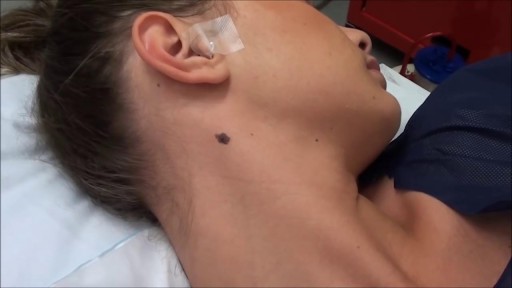
Most people develop several moles (nevi) throughout adulthood. Moles can be found anywhere on the body, usually in sun-exposed areas, and are usually brown, smooth, and slightly raised. In most cases, a nevus is benign and doesn't require treatment. Rarely, they turn into melanoma or other skin cancers. A nevus that changes shape, grows bigger, or darkens should be evaluated for removal.
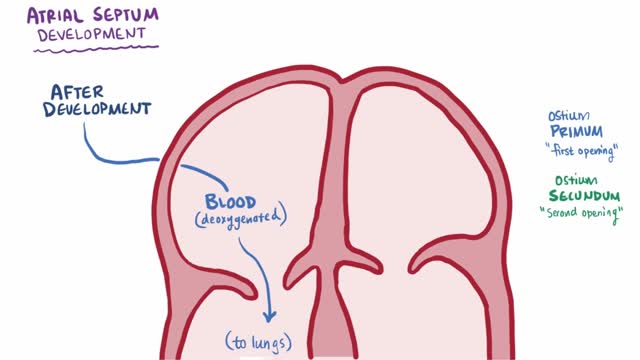
An atrial septal defect (ASD) is a hole in the wall between the two upper chambers of your heart (atria). The condition is present from birth (congenital). Small atrial septal defects may close on their own during infancy or early childhood. Large and long-standing atrial septal defects can damage your heart and lungs. Small defects may never cause a problem and may be found incidentally. An adult who has had an undetected atrial septal defect for decades may have a shortened life span from heart failure or high blood pressure that affects the arteries in the lungs (pulmonary hypertension). Surgery may be necessary to repair atrial septal defects to prevent complications.

Prostatitis is an infection or inflammation of the prostate gland that presents as several syndromes with varying clinical features. The term prostatitis is defined as microscopic inflammation of the tissue of the prostate gland and is a diagnosis that spans a broad range of clinical conditions. The National Institutes of Health (NIH) has recognized and defined a classification system for prostatitis in 1999.[1] The 4 syndromes of prostatitis are as follows: I - Acute bacterial prostatitis II - Chronic bacterial prostatitis III - Chronic prostatitis and chronic pelvic pain syndrome (CPPS; further classified as inflammatory or noninflammatory) IV - Asymptomatic inflammatory prostatitis
How To Increase Brain Power, How To Increase Brain Activity, How To Boost Your Concentration--- http://brain-revitalizer.info-pro.co --- Improve Concentration, Ask anyone today what they have a hard time with and more often than not they are likely to cite trouble focusing or concentrating. With laptops, smart phones, television, GPS systems and social media, it is hard to block out all the distractions when you need to focus on something specific. Attention deficit disorder may be one of the most popular excuses for our lack of concentration, but it's not an entirely accurate diagnosis since many of us simply aren't training our brains the right way to improve our focus. Concentration is necessary just to make it through a typical workday. From driving and working to shopping and cooking, focus is essential in order to get tasks accomplished. Unfortunately many of us have a hard time zoning in on a specific project and seeing it through to completion. Being easily distracted is not necessarily a disorder but it will keep you from managing your time wisely and getting done the important things that need your attention. There are several ways people can improve their concentration, including strategic brain games and exercises, along with guided meditation and brainwave entrainment. Research has shown that the more a person trains their brain in specific skill sets, the better one can get at cognitive thinking, problem solving and memorization. Using computer generated pulses, or isochronic tones, during brain entrainment meditation is another way to synchronize your brain's frequencies so you can operate on a fast or slow frequency that will assist in achieving states of productivity or relaxation. As we all know, when we are relaxed our concentration and decision making are much better than if we are under stress or hurried. Being able to tap in to specific Alpha, Theta and Delta waves allows us to synchronize our brainwaves with sound pulses so we can be more focused on specific projects and tasks. But YOU can be different! You can use Genius Brain Power to empower your brain so that you come alive with more energy, learn quicker, think more creatively, focus on your work like never before and drastically reduce stress with amazingly deep states of relaxation and meditation. click here: http://brain-revitalizer.info-pro.co
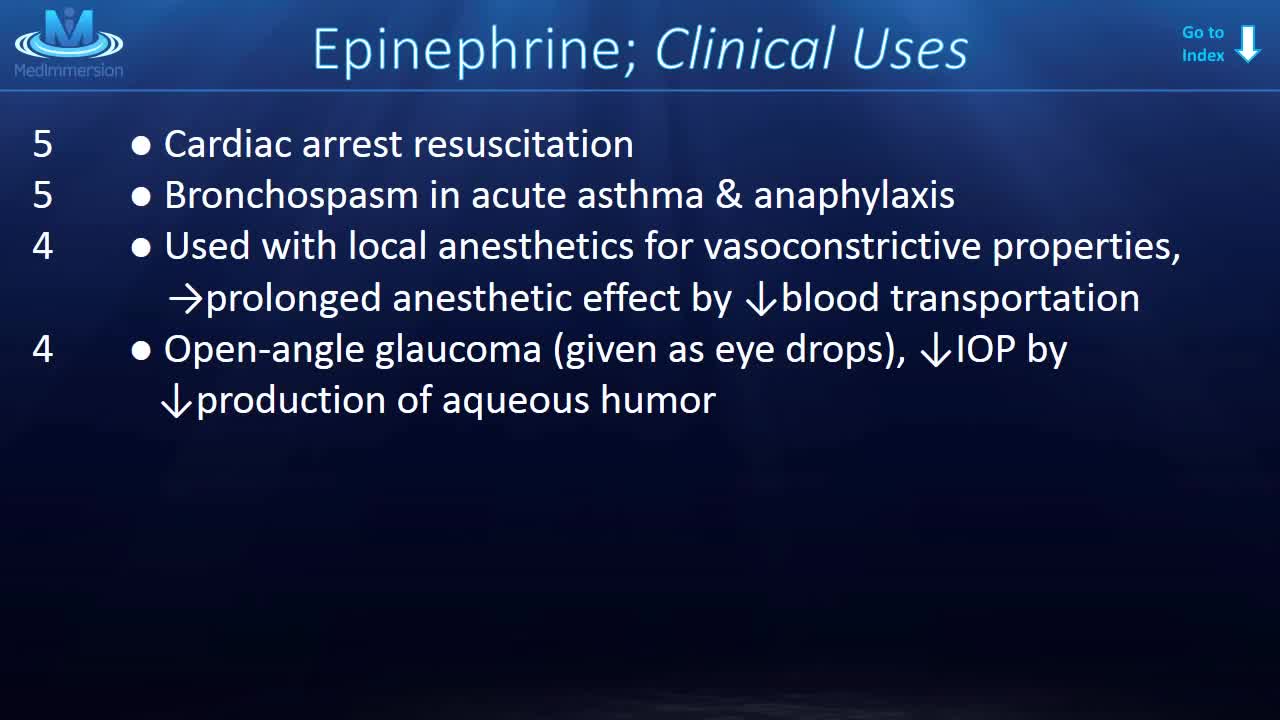
This medication is used in emergencies to treat very serious allergic reactions to insect stings/bites, foods, drugs, or other substances. Epinephrine acts quickly to improve breathing, stimulate the heart, raise a dropping blood pressure, reverse hives, and reduce swelling of the face, lips, and throat.
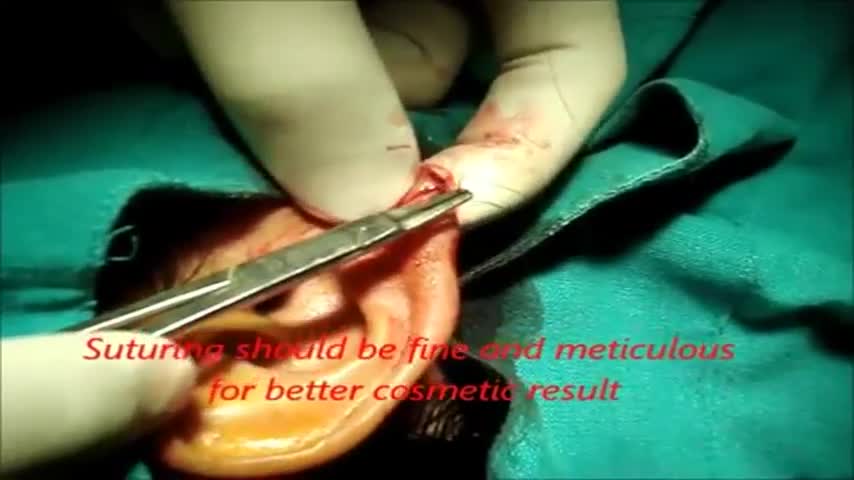
Earlobe surgery or repair is a reconstructive plastic surgery procedure performed to restore the appearance of earlobes that have been torn or stretched due to ear tearing, trauma, or piercing, including the insertion of ear gauges. This can also be called earlobe reconstructive surgery or split earlobe repair .
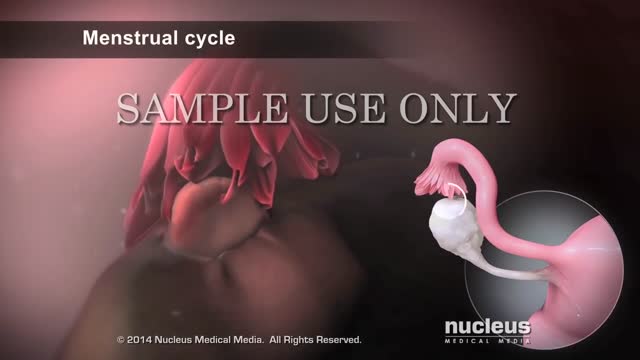
Intrauterine insemination (IUI) is a fertility treatment that involves placing sperm inside a woman's uterus to facilitate fertilization. The goal of IUI is to increase the number of sperm that reach the fallopian tubes and subsequently increase the chance of fertilization.
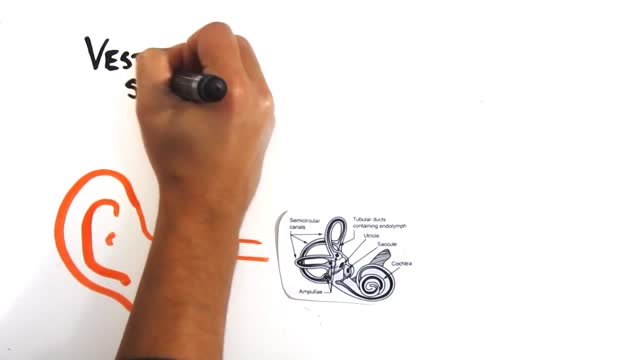
You get motion sickness when one part of your balance-sensing system (your inner ear , eyes, and sensory nerves) senses that your body is moving, but the other parts don't. For example, if you are in the cabin of a moving ship, your inner ear may sense the motion of waves, but your eyes don't see any movement.
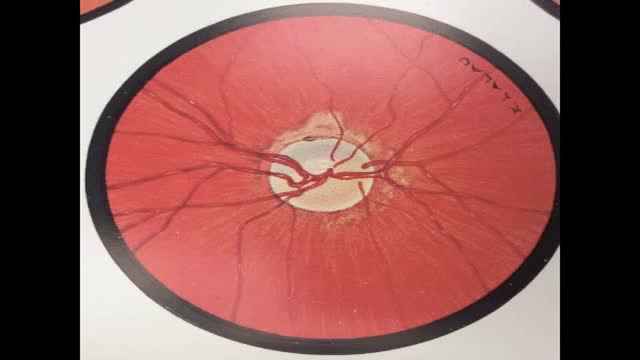
Recent studies show that administration of PEA in glaucoma patients has a double effect, decrease the IOP and neuroprotection. The IOP is the major risk factor in glaucoma, constricts blood vessels and reduces the delivery of oxygen and nutrients to the retina and optic nerve (ON), causing a process of ischemia and cell death (apoptosis).
New research points out palmitoylethanolamide has a dual action in glaucoma:
1. It reduces high eye pressure by promoting fluid flow out of the eye, and
2. PEA protects nerve cells and retina cells via its neuroprotective and reparative properties.
In the Youtube the essence of the natural treatment of glaucoma with palmitoylethanolamide has been summarized. Daily dose: 2-3 times 400 mg palmitoylethanolamide.
Literature on this topic on http://palmitoylethanolamide4pain.com/2015/02/20/youtube-on-palmitoylethanolamide-as-a-natural-treatment-for-glaucoma/
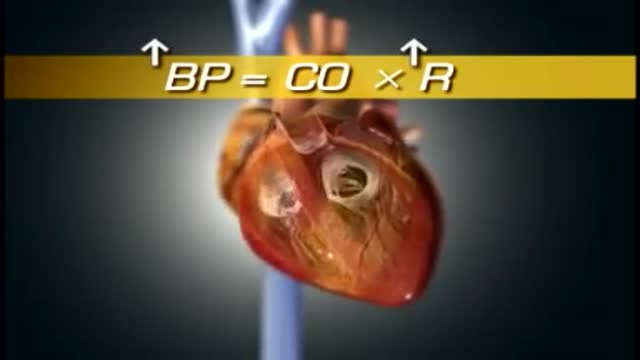
High blood pressure is a common condition in which the long-term force of the blood against your artery walls is high enough that it may eventually cause health problems, such as heart disease. Blood pressure is determined both by the amount of blood your heart pumps and the amount of resistance to blood flow in your arteries. The more blood your heart pumps and the narrower your arteries, the higher your blood pressure. You can have high blood pressure (hypertension) for years without any symptoms. Even without symptoms, damage to blood vessels and your heart continues and can be detected. Uncontrolled high blood pressure increases your risk of serious health problems, including heart attack and stroke. High blood pressure generally develops over many years, and it affects nearly everyone eventually. Fortunately, high blood pressure can be easily detected. And once you know you have high blood pressure, you can work with your doctor to control it.
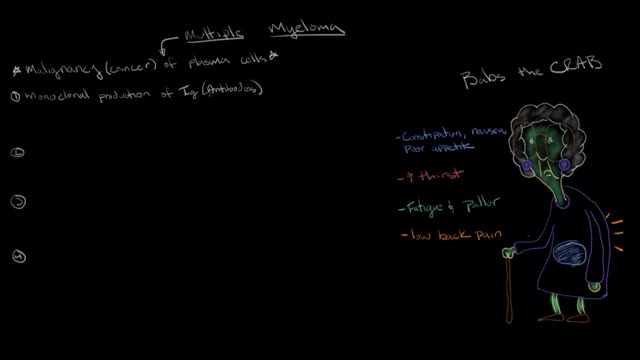
Multiple myeloma is a cancer that affects plasma cells, a kind of white blood cell found in the soft insides of your bones, called marrow. Plasma cells are part of your body's immune system. They make antibodies to help fight off infections.
