
- Physical Examination
- Surgical Examination
- Ophthalmology
- Clinical Skills
- Orthopedics
- Surgery Videos
- Laparoscopy
- Pediatrics
- Funny Videos
- Cardiothoracic Surgery
- Nursing Videos
- Plastic Surgery
- Otorhinolaryngology
- Histology and Histopathology
- Neurosurgery
- Dermatology
- Pediatric Surgery
- Urology
- Dentistry
- Oncology and Cancers
- Anatomy Videos
- Health and Fitness
- Radiology
- Anaesthesia
- Physical Therapy
- Pharmacology
- Interventional Radiology
- Cardiology
- Endocrinology
- Gynecology
- Emergency Medicine
- Psychiatry and Psychology
- Childbirth Videos
- General Medical Videos
- Nephrology
- Physiology
- Diet and Food Health
- Diabetes Mellitus
- Neurology
- Women Health
- Osteoporosis
- Gastroenterology
- Pulmonology
- Hematology
- Rheumatology
- Toxicology
- Nuclear Medicine
- Infectious Diseases
- Vascular Disease
- Reproductive Health
- Burns and Wound Healing
- Other
Top videos





Bone cancer symptoms. Possible symptoms of bone cancer include: Bone pain: Pain is the most common sign of bone cancer, and may become more noticeable as the tumor grows. Bone pain can cause a dull or deep ache in a bone or bone region (e.g., back, pelvis, legs, ribs, arms).

To help you feel better, you may want to try the following self-care measures: Avoid lung irritants. Don't smoke. Wear a mask when the air is polluted or if you're exposed to irritants, such as paint or household cleaners with strong fumes. Use a humidifier. Warm, moist air helps relieve coughs and loosens mucus in your airways. But be sure to clean the humidifier according to the manufacturer's recommendations to avoid the growth of bacteria and fungi in the water container. Consider a face mask outside. If cold air aggravates your cough and causes shortness of breath, put on a cold-air face mask before you go outside.
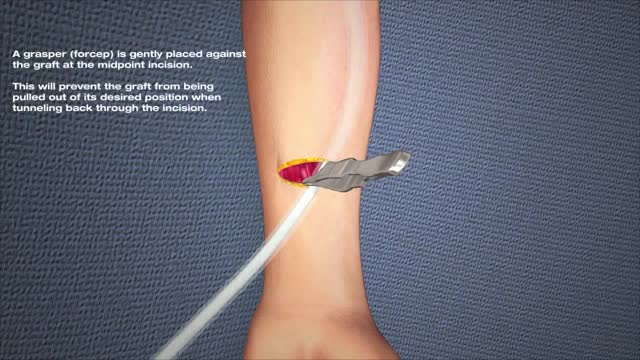
arteriovenous hemodialysis access has been the "gold standard" for patients needing hemodialysis for the past 30 years. Despite the reported advantages of autologous access, the availability of prosthetic graft material, coupled with the challenging dialysis candidate, has led to a trend of primary prosthetic graft dialysis access in the 1980s and 1990s. In recognition of this unfortunate trend, the National Kidney Foundation Dialysis Outcomes Quality Initiative (DOQI) used evidence from published studies and summary articles to generate clinical practice guidelines, emphasizing a shift back to autologous arteriovenous fistula (AVF) as the key to long-term successful hemodialysis.[1,2] These initial guidelines proposed a goal of 50% autologous AVF as the initial access, with a 40% prevalence of autologous access for a given practice or unit.
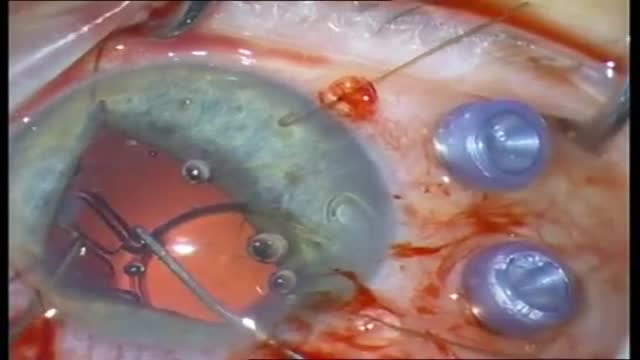
Patients with candida endophthalmitis who have chorioretinitis with vitreal involvement should be treated with vitrectomy and systemic antifungal therapy with amphotericin B (Choice B) and/or fluconazole. An early vitrectomy improves the likelihood of a positive outcome, and intravitreal injection of amphotericin B may be of help. Prompt diagnosis and treatment of candida endophthalmitis is essential, as the condition can worsen quickly.
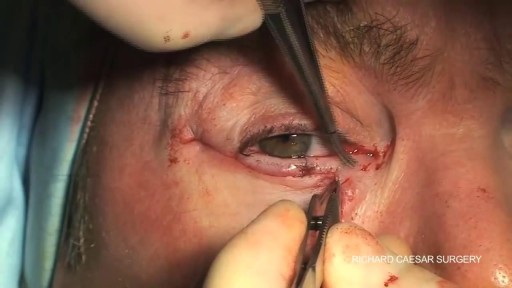
Step by step description of lower eyelid repair via skin flap and wedge resection

Como Mantener Una Erección, Vitaminas Para Hombre, Remedio Para Impotencia Masculina.--- http://erecciones-increibles.good-info.co --- Por qué los medicamentos para la disfunción eréctil no son la respuesta, Probablemente has visto los comerciales de Viagra, Cialis, y los otros medicamentos populares utilizados en el tratamiento de la disfunción eréctil. Las grandes empresas farmacéuticas están constantemente bombardeando con anuncios, tanto en la televisión y en línea, exagerando los beneficios de su clase más reciente de "medicamentos maravillosos". Son tan populares que muchas personas que ni siguiera tienen disfunción eréctil tratan de conseguir algunas de las pastillas para un "uso recreativo" ocasional. ¿Alguna vez te has preguntado por qué las empresas farmacéuticas apuntarían a TI en sus anuncios? Después de todo, no puedes conseguir estos medicamentos sin receta, así que mostrarte un anuncio sobre estas drogas parece ilógico. Pero cuando lo piensas, comienza a tener más sentido... La primera vez que empieces a experimentar problemas con tu desempeño sexual, es casi seguro que le pedirás a tu doctor una de las drogas que has visto en TV. Entonces, por supuesto, una vez que ves que la " pastilla mágica" funciona para ti, estás enganchado. ¡Tienen un nuevo cliente de por vida! El problema verdadero aquí es que las grandes compañías farmacéuticas NO tienen absolutamente ningún interés en curarte de la disfunción eréctil. Prefieren ver que estás enganchado en su medicamento muy costoso para siempre. Esos son ingresos mensuales garantizados para ellos, pero para ti, no es una cura, sino una solución alternativa y una carga financiera. No cometas el error de pensar que los tratamientos para disfunción eréctil son la única clase de medicamento con los que hacer esto. Las grandes farmacéuticas están en el negocio de vender soluciones temporales en lugar de curas permanentes. Esta es la única cura comprobada para la disfunción eréctil que es 100% segura y natural, y combina un secreto ancestral de los amantes más viriles del mundo con ciencia moderna y revolucionaria… Ingresa ahora a: http://erecciones-increibles.good-info.co


EKG Interpretation Part 3

Scleroderma and systemic sclerosis
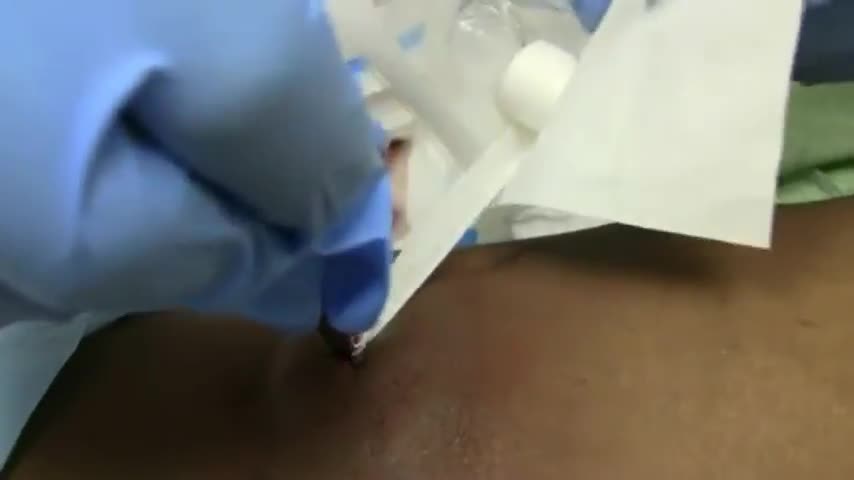
An abscess is an infectious process characterized by a collection of pus surrounded by inflamed tissue. [1, 2] Abscesses can form anywhere in the body, from a superficial skin (subcutaneous) abscess to deep abscesses in muscle, organs, or body cavities. Patients with subcutaneous skin abscesses present clinically as a firm, localized, painful, erythematous swelling that becomes fluctuant (see the image below).

Liddle syndrome is an inherited form of high blood pressure (hypertension). This condition is characterized by severe hypertension that begins unusually early in life, often in childhood, although some affected individuals are not diagnosed until adulthood. Some people with Liddle syndrome have no additional signs or symptoms, especially in childhood. Over time, however, untreated hypertension can lead to heart disease or stroke, which may be fatal.

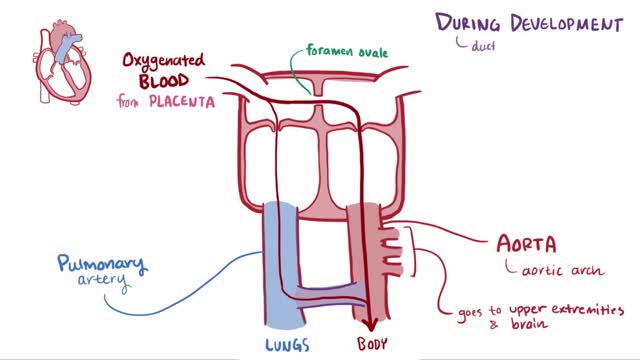
Patent ductus arteriosus (PDA) is a persistent opening between two major blood vessels leading from the heart. The opening, called the ductus arteriosus, is a normal part of a baby's circulatory system before birth that usually closes shortly after birth. If it remains open, however, it's called a patent ductus arteriosus. A small patent ductus arteriosus often doesn't cause problems and might never need treatment. However, a large patent ductus arteriosus left untreated can allow poorly oxygenated blood to flow in the wrong direction, weakening the heart muscle and causing heart failure and other complications. Treatment options for a patent ductus arteriosus include monitoring, medications and closure by cardiac catheterization or surgery.
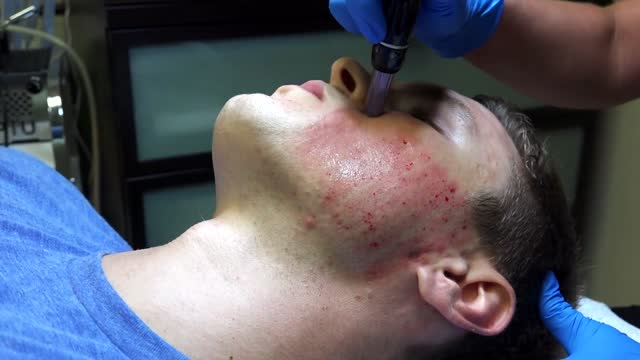
Well, That Was Bloody | My Acne Scar Surgery (DermaPen)
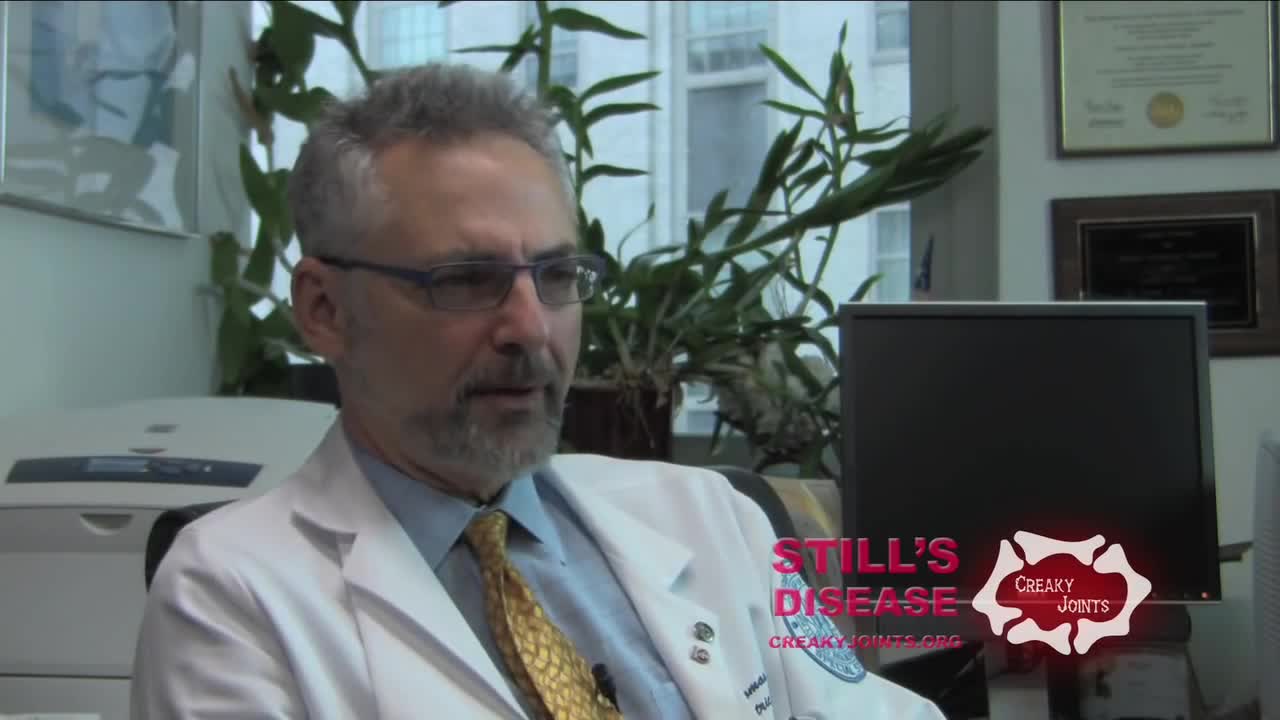
Adult Still's disease is a rare type of inflammatory arthritis that features fevers, rash and joint pain. Some people have just one episode of adult Still's disease. In other people, the condition persists or recurs. This inflammation can destroy affected joints, particularly the wrists. Treatment involves medications, such as prednisone, that help control inflammation

CMV is a common virus in the same family as herpesvirus, and it can infect anyone. CMV is spread by direct contact of body fluids, such as saliva, blood, urine, semen, vaginal fluids, and breast milk. Thus breastfeeding, blood transfusions, organ transplants, and sexual contact are possible modes of transmission. Most healthy people do not experience any symptoms when infected with CMV, and it does not pose a serious health concern. A majority of adults have antibodies consistent with past infection. Most healthy children and adults who do have symptoms will recover from CMV infection without complications and do not require antiviral treatment. However, in those with a weakened immune system, CMV can cause serious disease (retinitis, hepatitis, colitis, pneumonia, or encephalitis).

Preventing Sexually Transmitted Diseases A sexually transmitted disease (STD) is an infection that is spread during sexual contact with another person. This includes touching, since some STDs can be spread from skin-to-skin contact. In general, STDs are highly preventable. Almost 20 million new STDs are diagnosed each year in the United States, according to the Centers for Disease Control and Prevention (CDC). However, a large number of those infections could be avoided if people made different decisions about their sexual health. The only guaranteed method to prevent STDs is to abstain from all sexual contact. This may not a practical solution for everyone. Fortunately, there are steps people can take to limit their risk of exposure.
