
Toppvideor
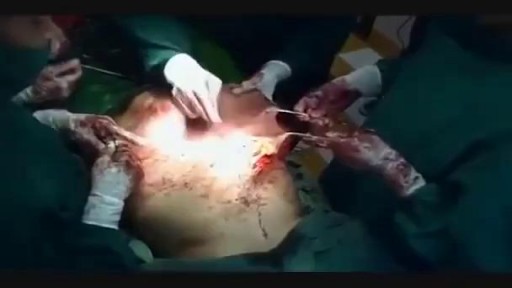

Watch that Huge Stomach Tumor Removal Medical Surgery
Home Remedies For Gas And Bloating, Get Rid Of Flatulence, Painful Flatulence, Severe Flatulence ----- http://flatulence-cure.plus101.com --- Reducing Flatulence Can Be Simple. No-one wants to gain a reputation as the person you have to open a window around. Breaking wind is perfectly normal, even desirable, but there is a difference between normal everyday wind and problem flatulence. If you can't hold it in even when you're trying hard, it may be that you have a decision to make - and reducing flatulence is more achievable, and more desirable, than stopping it altogether. What cannot be denied is that by following the right steps, you can make sure that reducing flatulence is within your reach whenever you so wish. Reducing Flatulence The Simple Way There are some very simple tips you can follow in order to ensure that flatulence is less of a problem. People who suffer from flatulence on a regular basis can make changes in their life which are ideal for reducing flatulence. They include: 1. Changing your diet. It is a commonly-used tip, but this is not without reason. The fact of the matter is that your diet is sure to affect the level of flatulence - for better or worse. 2. Taking enzyme supplements. These help your body produce more enzymes - helping the digestive system as well as aiding you in healing from injuries and infections. 3. Taking probiotics. Most commonly in the form of a yogurt or yogurt drink, these promote the growth of friendly bacteria, a major step in reducing flatulence. 4. Getting more exercise. A walk around the block may be all it takes to get your digestion running smoothly and ensure that you are less prone to flatulence. flatulence. You can discover how a former chronic gas sufferer is revealing the only holistic system to show you how to elimite your flatulence and bloating problems... FOREVER! And you can see how this approach has worked for hundreds of others just like yourself. Check it out now: http://flatulence-cure.plus101.com

Perdre Du Poids, Perte De Poids Rapide, Perdre Son Ventre, Pilule Pour Maigrir, Soupe Minceur ---- http://perte-poids-rapide.info-pro.co -- Comment maigrir sans efforts ? Maigrir sans efforts est la promesse de la plupart des régimes. Seulement, ce n’est pas souvent vraiment le cas. C’est tout simplement une promesse qui attire car nous sommes nombreux et nombreuses à rechercher la solution pour perdre du poids sans se prendre la tête ! Alors comment maigrir sans efforts ? Maigrir sans efforts c’est quoi au juste ? Tous ceux ou celles qui veulent se débarrasser de leurs kilos espèrent trouver comment y arriver sans avoir à faire des tonnes d’efforts. Maigrir est souvent compliqué et difficile. Il faut tenir et donc être motivé. La plupart des régimes demandent beaucoup d’efforts…trop d’efforts. Et c’est pourquoi la plupart ne marchent pas ou ne durent qu’un temps. Ils sont trop durs à tenir sur du long terme et soit on craque avant la fin de la méthode soit on reprend ses kilos aussi vite qu’ils sont partis. Alors pourquoi ne marchent-ils pas et pourquoi maigrir sans efforts est une réelle demande ? Parce que pour perdre du poids, ces régimes en demandent trop. Perdre du poids sans efforts c’est avant tout : Ne pas compter les calories de tout ce que l’on consomme Ne pas être frustré Ne pas se priver de tout ou de plusieurs groupes d’aliments Ne pas passer des heures à déchiffrer les étiquettes dans les magasins Ne pas se fixer des objectifs inatteignables Ne pas s’en vouloir dès que l’on fait un écart Ne pas s’isoler pour ne pas être tenté Lorsque l’on regarde cette liste, cela peut paraître impossible de maigrir sans faire d’efforts. Pourtant c’est tout à fait possible…. commencer à mincir sainement ET durablement maintenant ! Cliquez ici: http://perte-poids-rapide.info-pro.co
At Home Weight Loss Body Wrap, Slimming Body Wraps, Inch Loss Body Wrap, It Works Body Wraps ---- http://do-body-wraps-work.plus101.com --- People are constantly one the hunt for something that will change their lives and help them lose weight. There are plenty of different options to choose from and the number of diets continues to rise. However, there is a new technique that has been gaining a lot of popularity simply because it works. If you want to really look and feel better, then you just might have to try a body wrap at home. What Can You Expect From A Body Wrap At Home? Since body wrapping is a proven therapeutic treatment, it will help detoxify your body without having to use chemicals. The nice thing about a body wrap is that it is all natural ingredients and it is by far one of the simplest ways to lose weight. You can expect to lose inches and it is a very useful addition to your current weight loss program. Why Does The Body Wrap Work? The main reason why the body wrap works so well is because you are placing all of these natural ingredients on your skin. Your skin is like your second lung because it absorbs virtually anything that you place on it. If you try the body wrap, you will instantly feel and see that this actually works. Are There Any Testimonials Saying It Works? There are plenty of testimonials saying that a body wrap at home really does help them lose inches. Though there are a few skeptics out there, the majority of people who have tried the wraps have seen results. If you are currently struggling with a crazy diet or spending half of your time in a gym, then it is time to think outside of the box and to put yourself in a wrap to finally see what your body is capable of looking like in a short period of time. Stop procrastinating! Click Here for instant access to my recipes & start losing inches, detoxifying your body, and improving your skin right away! http://do-body-wraps-work.plus101.com
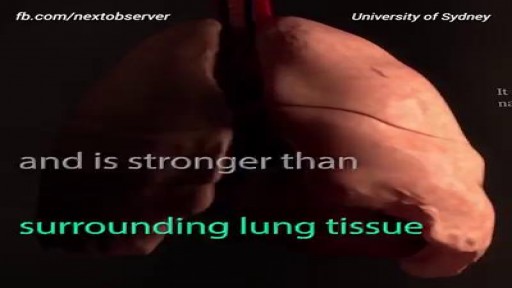
This surgical glue can seal wounds in just 60 seconds
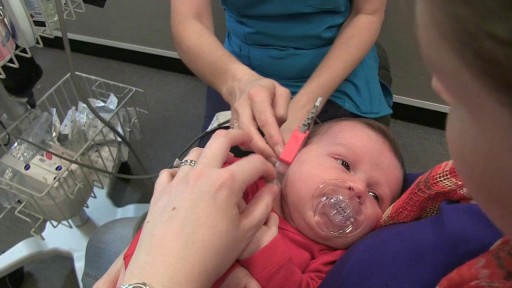
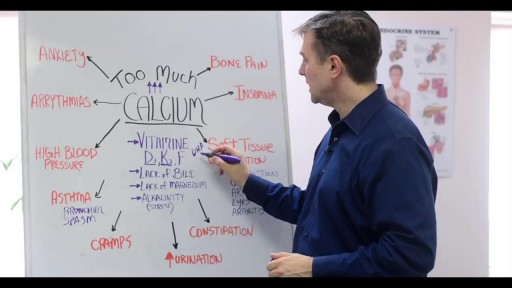
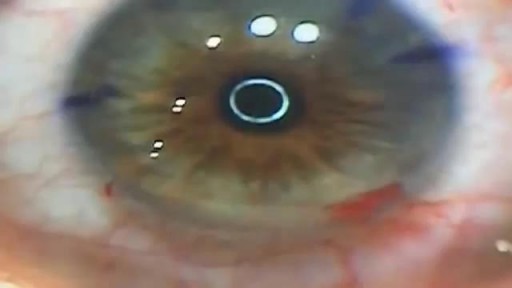

This 3D animation video explains airway clearance anatomy & physiology in the lungs.
Learn more about Baxter Respiratory Health products at www.hillrom.com/en/products-ca....tegory/non-invasive-
Rx Only. For safe and proper use of product mentioned herein, please refer to the Instructions for Use or Operator manual.
The information contained in these videos is provided for educational purposes only and is not intended nor implied to be a substitute for professional medical advice. You assume full responsibility for how you choose to use this information. Please speak with your healthcare provider about any questions you may have regarding a medical condition.
Baxter retains all right, title, and interest in and to the video, and retains the right to demand that you immediately cease use of the video and unembed the video. Baxter may discontinue or disable videos you have embedded at any time for any reason. You will not misrepresent the content contained in the video or use it in conjunction with price comparisons, in derogatory comparisons or in negative comparisons, with Baxter's competitor's products, or in derogatory or negative commentaries about Baxter's products - doing so may subject you to liability. Any and all claims made by you regarding the use, operation, quality, etc. of Baxter's products are your own, and you shall be responsible for ensuring that all such claims comply fully with all applicable federal, state and local laws.
US-FLC174-230024 v1
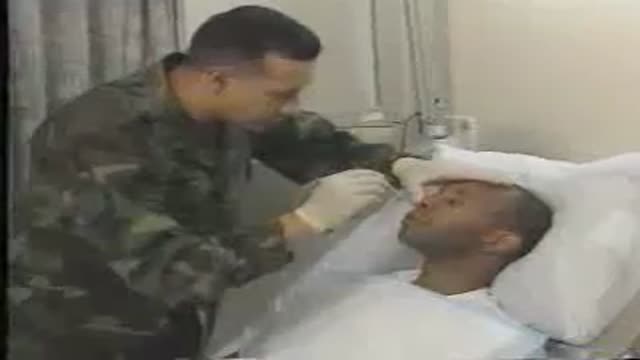
Inserting a nasogastric tube
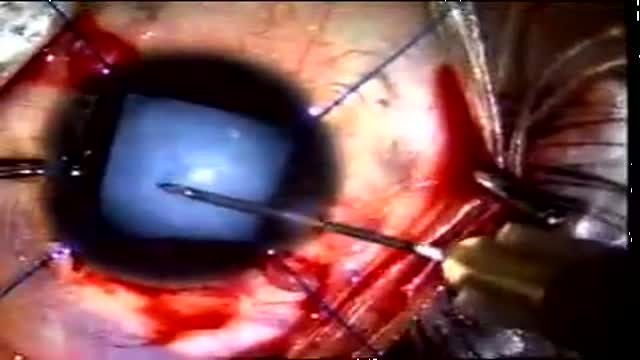
This video shows management of rupture of the posterior capsule post blunt trauma in a child aged 8. Pre-operative suspicion of PCR was strong because of a flat anterior. So we were careful in our approach from the very beginning. CCC was performed and then dry aspiration of lens matter initiated. Sice vitreous showed, so anterior vitrectomy was done along with systematic removal of the lens matter. An acrysof multi-component lens was implanted into the sulcus and optic captured into the CCC.Outcome was very good.

How to apply and safely remove a plaster cast
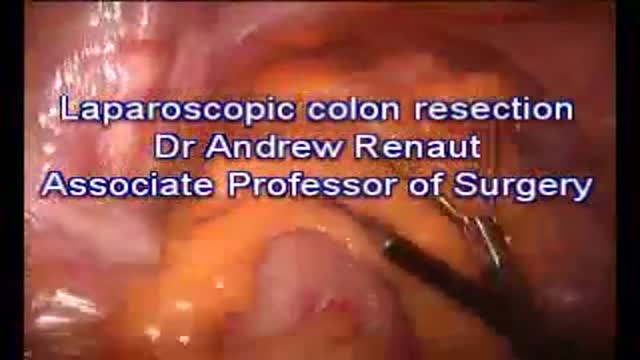
Laparoscopic Colon Resection video
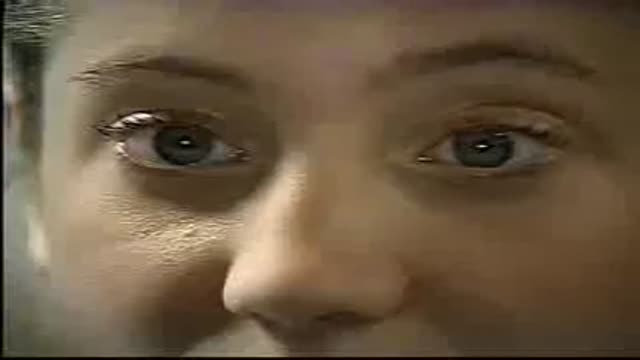
assessment of the extra-ocular muscles
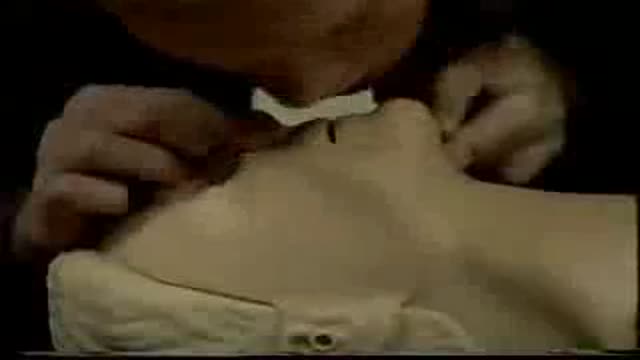
A video showing Unresponsive Airway Obstruction and how to deal with it
Initial Assessment

How to insert Endotracheal tube in children

Better Vein Care and Safer Injection
Loyola Respiratory System Exam Part 2 A video from Loyola Medical School, Chicago showing the medical and clinical examination of the respiratory system.
Mesenteric Vessel Ligation Operation
