
- Physical Examination
- Surgical Examination
- Ophthalmology
- Clinical Skills
- Orthopedics
- Surgery Videos
- Laparoscopy
- Pediatrics
- Funny Videos
- Cardiothoracic Surgery
- Nursing Videos
- Plastic Surgery
- Otorhinolaryngology
- Histology and Histopathology
- Neurosurgery
- Dermatology
- Pediatric Surgery
- Urology
- Dentistry
- Oncology and Cancers
- Anatomy Videos
- Health and Fitness
- Radiology
- Anaesthesia
- Physical Therapy
- Pharmacology
- Interventional Radiology
- Cardiology
- Endocrinology
- Gynecology
- Emergency Medicine
- Psychiatry and Psychology
- Childbirth Videos
- General Medical Videos
- Nephrology
- Physiology
- Diet and Food Health
- Diabetes Mellitus
- Neurology
- Women Health
- Osteoporosis
- Gastroenterology
- Pulmonology
- Hematology
- Rheumatology
- Toxicology
- Nuclear Medicine
- Infectious Diseases
- Vascular Disease
- Reproductive Health
- Burns and Wound Healing
- Other
Top videos
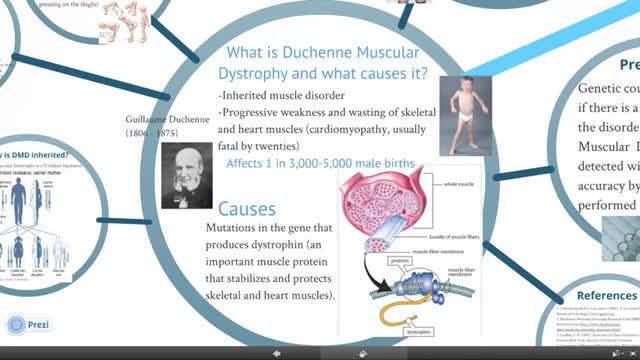

This patient's age, speech delay, bilateral lower-extremity weakness, apparent increase in calf diameter, and history of a wheelchair-bound uncle are typical of Duchenne muscular dystrophy (DMD). DMD is the most common muscular dystrophy of childhood that affects boys who have inherited a defective dystrophin gene on X-chromosome p21. Weakness begins in the proximal lower-extremity muscles and manifests as difficulty walking, running, jumping, and climbing stairs. Boys may push their arms on their thighs (Gower sign) to transition from sitting to standing.
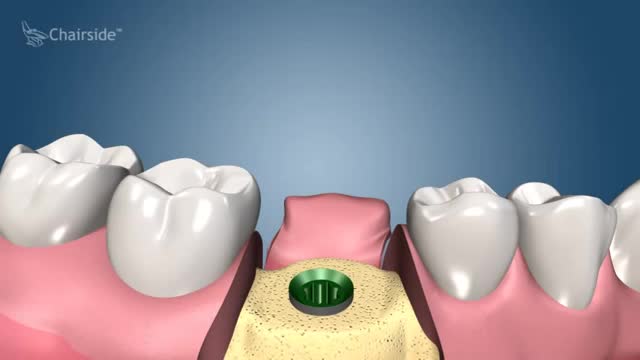
Dental Implant Procedure - Two Stage
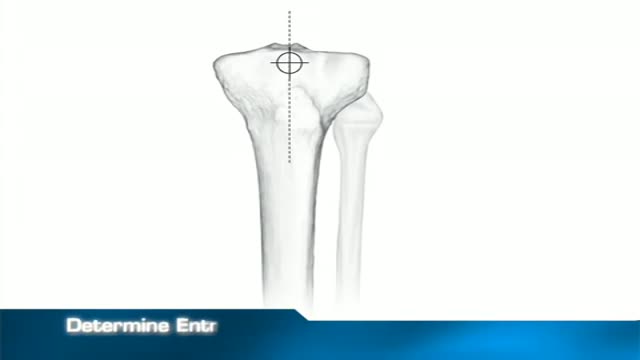
fixation of a tibial fracture utilizing the Titanium Cannulated Tibial Nail
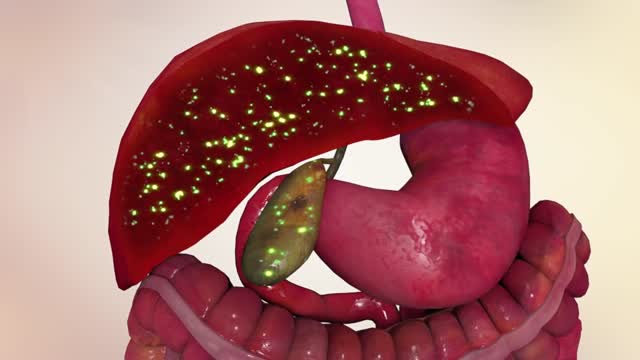
In this video, we will cover the function of the liver and how cancer may arise.
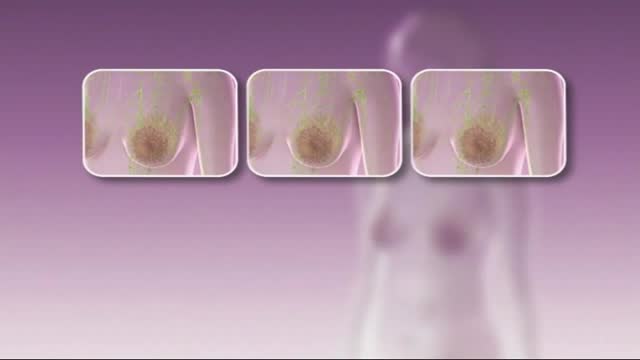
Stages In Breast Cancer
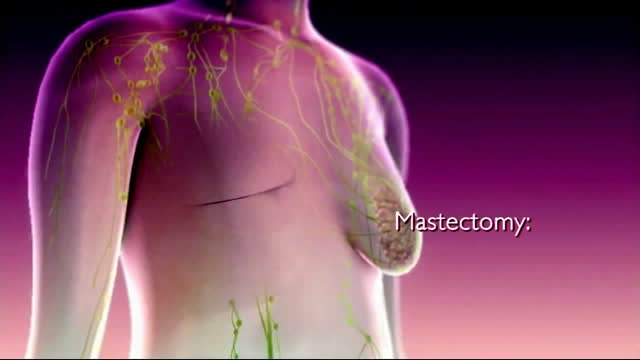
For both DCIS and invasive cancer, radiation therapy to the remaining breast tissue is generally recommended after surgery. A lumpectomy may also be called breast-conserving surgery, a partial mastectomy, quadrantectomy, or a segmental mastectomy. A mastectomy is the surgical removal of the entire breast.
The cause of HELLP syndrome is unknown, but there are certain factors that may increase your risk of developing it. Preeclampsia is the greatest risk factor. This condition is marked by high blood pressure and swelling, and it typically occurs during the last trimester of pregnancy.
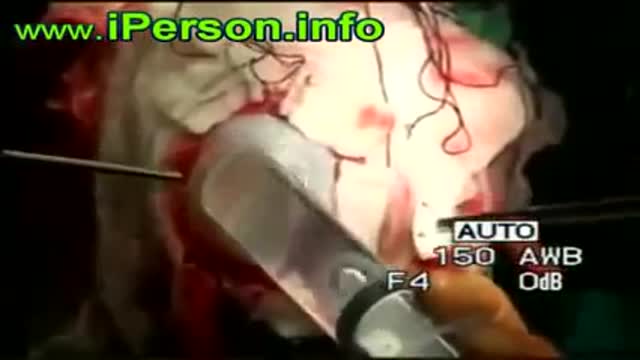
Brain cyst Surgery

St. John's wort (Hypericum perforatum) is an over-the-counter herbal supplement used for its antidepressant, anti-inflammatory, and wound-healing properties. Although it has been prescribed in Europe for mild to moderate depression, negative clinical trials and multiple reports of adverse drug interactions have raised concern about its use. St. John's wort induces various P450 isozymes (CYP 1A2, 2C19, 2C9, and 3A4) and P-glycoprotein systems. Drug interactions with the herbal product can lead to treatment failures with many medications, including hormonal contraceptives, antiretrovirals, immunosuppressive agents, narcotics, anticoagulants, and antifungals. There is also a risk for serotonin syndrome when St. John's wort is used in combination with other serotonergic antidepressants. The lack of strict regulation of herbal products that results in variable quality and content (unknown toxic ingredients or inactive ingredients) is also a concern.

attention deficit hyperactivity disorder (ADHD). Recent evidence supports initial treatment with nonpharmacological interventions (behavior therapy) in preschool age children (3- 5). Parent-child behavioral therapy improves problem behaviors and parent-child relationships. It involves teaching parents to consistently implement effective behavioral techniques (eg, rewards and non-punitive consequences to shape behavior, calm limit setting, structured daily schedules, minimizing distractions). Behavioral interventions can also be used in patients who do not meet full ADHD criteria or in combination with medication for school-aged children and adolescents with ADHD. Medication in preschool children should be considered when behavioral therapy fails or the child's function is severely impaired (repeatedly expelled from day care or school, risks injuring others). The family's preferences and values should always be considered in treatment decisions.

Attention deficit hyperactivity disorder (ADHD) is a mental disorder of the neurodevelopmental type. It is characterized by problems paying attention, excessive activity, or difficulty controlling behavior which is not appropriate for a person's age.

TransMedics’ proprietary Organ Care System (OCS) is the first commercial and portable warm blood perfusion organ transport system. With the OCS, doctors are able to perform “living organ transplants,” where organs are kept warm and functioning in a controlled environment from the time they are recovered to the moment they are placed in the recipient’s body.
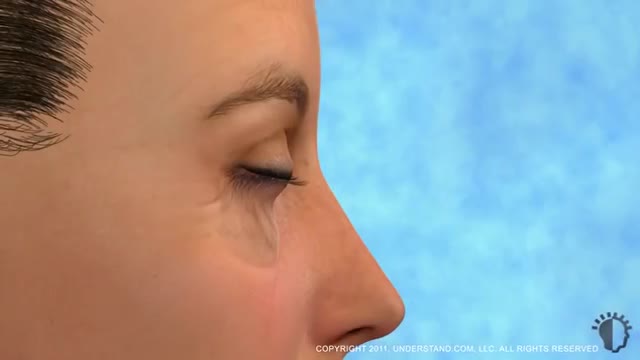
Eyelid surgery, or blepharoplasty, is a surgical procedure to improve the appearance of the eyelids. Surgery can be performed on either the upper and lower lids, or both. Whether you want to improve your appearance or are experiencing functional problems with your eyelids, eyelid surgery can rejuvenate the area surrounding your eyes.

Make A Girl Squirt Fact
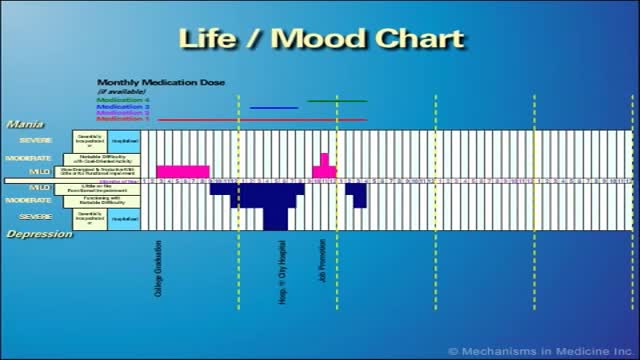
Bipolar disorder, also known as manic-depressive illness, is a brain disorder that causes unusual shifts in mood, energy, activity levels, and the ability to carry out day-to-day tasks. There are four basic types of bipolar disorder; all of them involve clear changes in mood, energy, and activity levels.
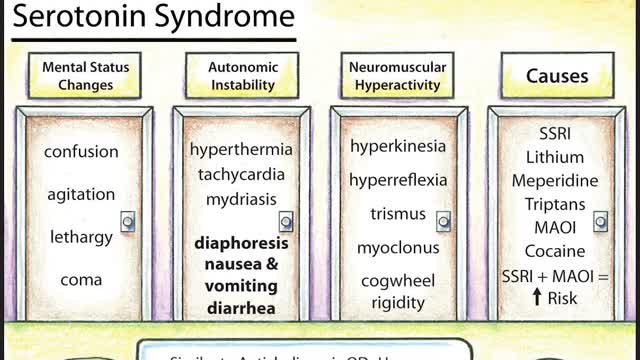
Symptoms of serotonin syndrome include a classic triad of mental status changes (eg, anxiety, delirium, confusion, restlessness), autonomic dysregulation (eg, diaphoresis, tachycardia, hypertension, hyperthermia, diarrhea, mydriasis), and neuromuscular hyperactivity (eg, hyperreflexia, tremor, rigidity, myoclonus, ocular clonus). Serotonin syndrome is clinically diagnosed and laboratory tests are used to rule out other etiologies. It usually occurs due to inadvertent interactions between drugs, therapeutic use of multiple serotonergic agents, or serotonergic medication overdose. Treatment involves discontinuation of serotonergic drugs, supportive measures, and sedation with benzodiazepines. In severe cases, a serotonin antagonist (cyproheptadine) may be used.
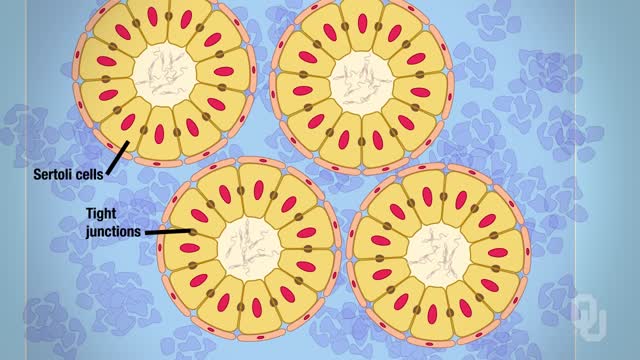
The male reproductive system includes the scrotum, testes, spermatic ducts, sex glands, and penis. These organs work together to produce sperm, the male gamete, and the other components of semen.

Diagnosis of this condition is based on clinical symptoms alone, as there are no diagnostic laboratory tests. In order to meet the criteria for Tourette syndrome, both motor and vocal tics must be present before the age of 21 , and the tics must occur many times a day for at least 12 months which is the case in this patient. Tourette syndrome is associated with several comorbid conditions, with attention-deficit hyperactivity disorder (ADHD) and obsessive compulsive disorder (OCD) the most common. OCD is therefore the condition this child is most at risk of developing in the future.
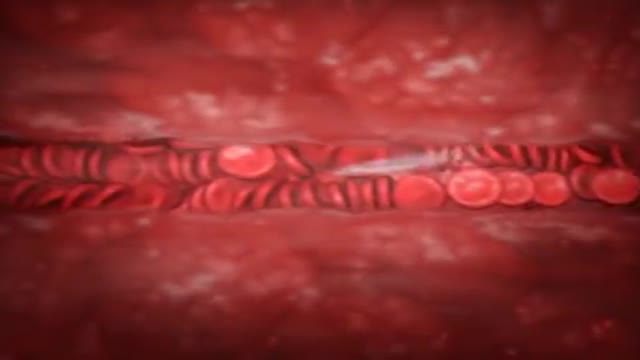
Chagas disease is common in South America, Central America and Mexico, the primary home of the triatomine bug. Rare cases of Chagas disease have been found in the southern United States, as well. Also called American trypanosomiasis, Chagas disease can infect anyone, but is diagnosed most often in children.
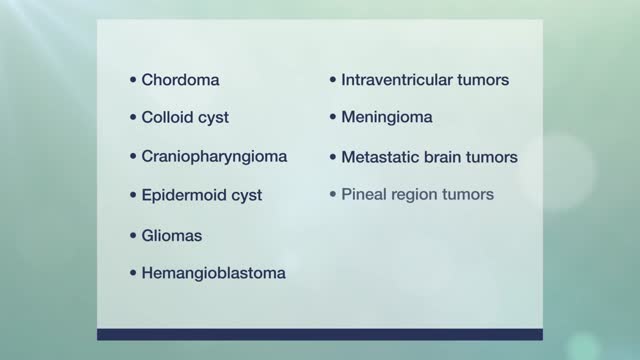
Brain Tumor and Skull-Base Surgery
