
- Physical Examination
- Surgical Examination
- Ophthalmology
- Clinical Skills
- Orthopedics
- Surgery Videos
- Laparoscopy
- Pediatrics
- Funny Videos
- Cardiothoracic Surgery
- Nursing Videos
- Plastic Surgery
- Otorhinolaryngology
- Histology and Histopathology
- Neurosurgery
- Dermatology
- Pediatric Surgery
- Urology
- Dentistry
- Oncology and Cancers
- Anatomy Videos
- Health and Fitness
- Radiology
- Anaesthesia
- Physical Therapy
- Pharmacology
- Interventional Radiology
- Cardiology
- Endocrinology
- Gynecology
- Emergency Medicine
- Psychiatry and Psychology
- Childbirth Videos
- General Medical Videos
- Nephrology
- Physiology
- Diet and Food Health
- Diabetes Mellitus
- Neurology
- Women Health
- Osteoporosis
- Gastroenterology
- Pulmonology
- Hematology
- Rheumatology
- Toxicology
- Nuclear Medicine
- Infectious Diseases
- Vascular Disease
- Reproductive Health
- Burns and Wound Healing
- Other
Top videos
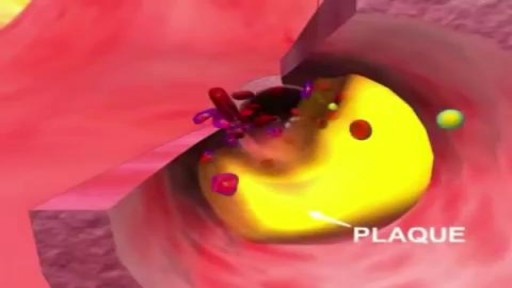

A heart attack is a frightening experience. If you have had a heart attack, or are close with someone who has, you are not alone: tens of thousands of Americans survive. As you work toward recovery, please use the following questions and answers to better understand what has happened to you and how you can help your heart heal so you can live a healthier, longer life.
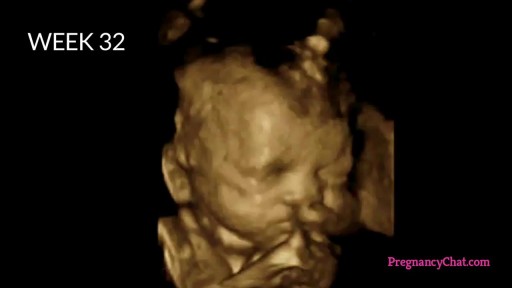
9 Months In The Womb: A Remarkable Look At Fetal Development Through Ultrasound
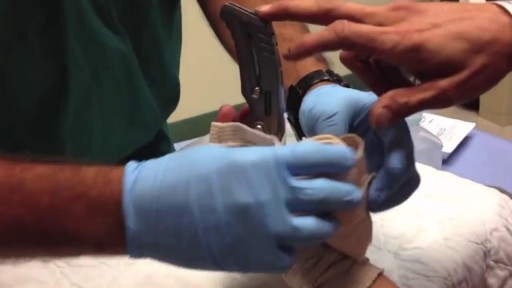
This video may contain images of a medical doctor providing emergency care for a patient.
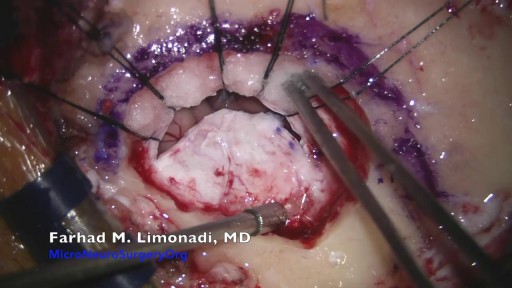
Brain Surgery: Microvascular Decompression of facial nerve for hemifacial spasm
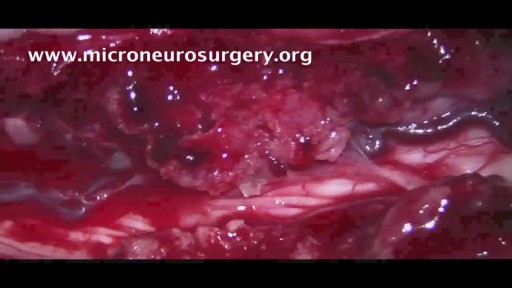
Removal of spinal cord tumor (meningioma): Spine Tumor Surgery
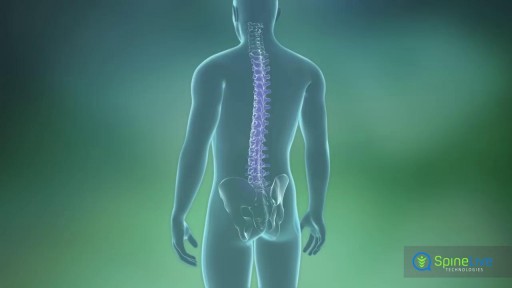
Some common signs of spinal tumors may include the following: Pain (back and/or neck pain, arm and/or leg pain) Muscle weakness or numbness in the arms or legs. Difficulty walking. General loss of sensation. Difficulty with urination (incontinence) Change in bowel habits (retention) Paralysis to varying degrees.
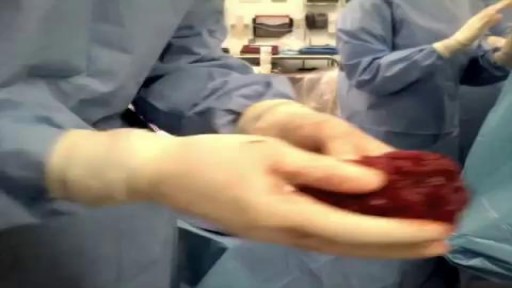
Debulking epithelial ovarian cancer. The other important goal of surgery is to remove as much of the tumor as possible − this is called debulking. Debulking is very important in any patient with ovarian cancer that has already spread widely throughout the abdomen at the time of surgery.

Every owner of a building where asbestos abatement activity occurs is responsible for the performance of the asbestos abatement activities by his/her agent, contractor, employee, or other representative. Each building owner is responsible for determining the amount of asbestos-containing material that may be disturbed during the course of work. The size and scope of the overall project, with particular reference to the total amount of asbestos-containing material that will be disturbed determines the reporting or filing requirements established in the Asbestos Control Program Rules. An asbestos project is defined as any form of work that will disturb more than 25 linear feet or more than 10 square feet of asbestos-containing material.
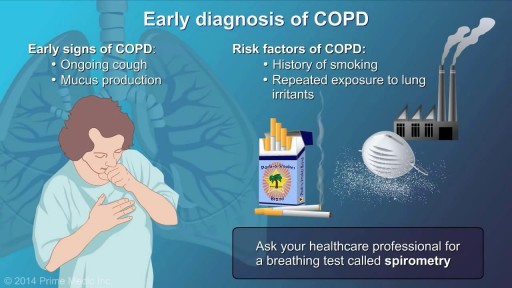
To diagnose COPD, your doctor will probably do the following tests: Medical history and physical exam. These will give your doctor important information about your health. Lung function testsLung function tests, including an FEV1 test. These tests measure the amount of air in your lungs and the speed at which air moves in and out. Spirometry is the most important of these tests. Chest X-rayChest X-ray. This helps rule out other conditions with similar symptoms, such as lung cancer.
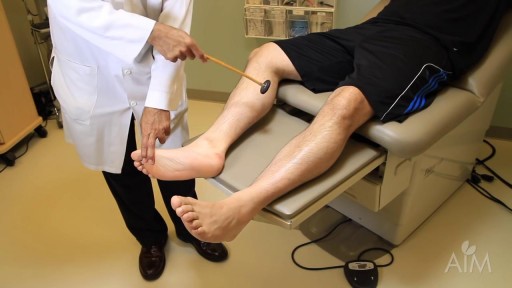
In a normal person, when a muscle tendon is tapped briskly, the muscle immediately contracts due to a two-neuron reflex arc involving the spinal or brainstem segment that innervates the muscle. The afferent neuron whose cell body lies in a dorsal root ganglion innervates the muscle or Golgi tendon organ associated with the muscles; the efferent neuron is an alpha motoneuron in the anterior horn of the cord. The cerebral cortex and a number of brainstem nuclei exert influence over the sensory input of the muscle spindles by means of the gamma motoneurons that are located in the anterior horn; these neurons supply a set of muscle fibers that control the length of the muscle spindle itself.
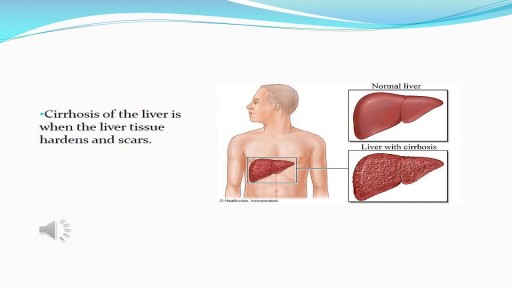
In the United States, end-stage liver disease (ESLD) is the 12th leading cause of death and the 7th leading cause of death in people between the ages of 25 and 64 years. Complications of ESLD such as ascites, variceal hemorrhage, hepatic encephalopathy, and renal impairment primarily account for these deaths. Patients with ESLD require increasingly complex medical support and manifest a spectrum of complications and symptoms that have significant impact on both survival and quality of life.
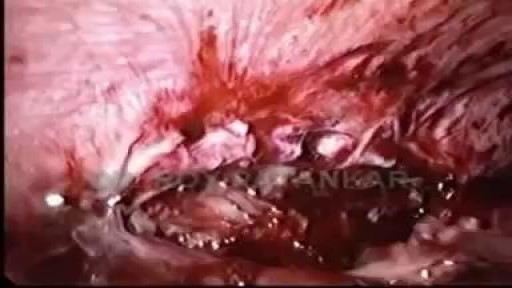
Bacterial abscess of the liver is relatively rare; however, it has been described since the time of Hippocrates (400 BCE), with the first published review by Bright appearing in 1936. In 1938, Ochsner's classic review heralded surgical drainage as the definitive therapy; however, despite the more aggressive approach to treatment, the mortality remained at 60-80%. [1] The development of new radiologic techniques, the improvement in microbiologic identification, and the advancement of drainage techniques, as well as improved supportive care, have reduced mortality to 5-30%; yet, the prevalence of liver abscess has remained relatively unchanged. Untreated, this infection remains uniformly fatal.
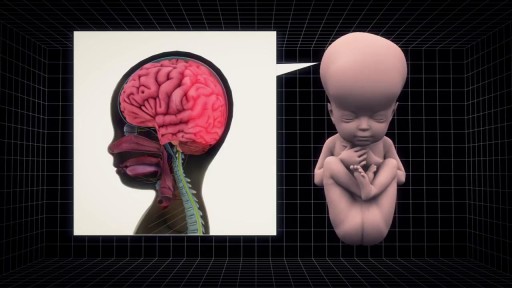
Hydrocephalus can be fatal if left untreated. The damage to the brain can cause headaches, vomiting, blurred vision, cognitive problems, and walking difficulties. The term water on the brain is incorrect, because the brain is surrounded by CSF (cerebrospinal fluid), and not water.Oct 8, 2015
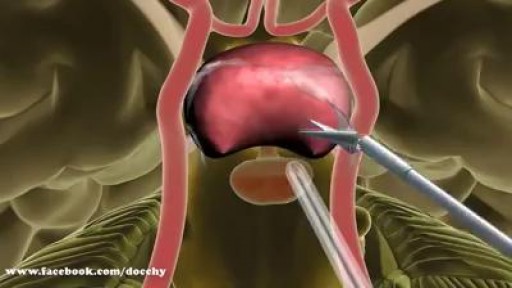
Minimally Invasive Brain Surgery To Remove Brain Tumors.
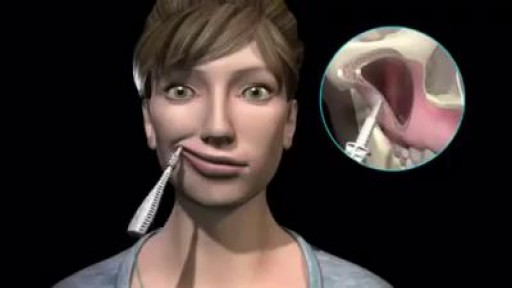
Sinus infections caused by viruses can use home (over-the-counter, OTC) treatments such as pain and fever medications (acetaminophen [Tylenol]), decongestants, and mucolytics. In addition, some health-care professionals suggest nasal irrigation or a sinus rinse solution to help relieve symptoms of sinus infections, even chronic sinusitis symptoms.
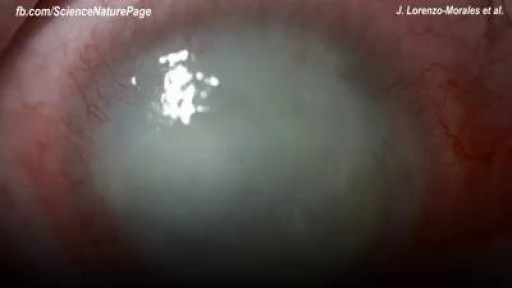
Don't cleanse your contact lenses with tap water.
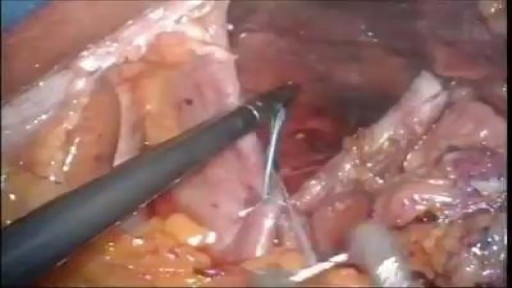
Hiatal hernias occur when contents of the abdominal cavity protrude through the esophageal hiatus of the diaphragm. Factors that contribute to the development of a hiatal hernia include an enlargement of the esophageal hiatus due to developmental defects, an increased abdominal thoracic pressure gradient, and the depletion of elastic fibers in the phrenoesophageal membrane with aging. There are four different types of hiatal hernias and management varies depending on the type. Type I, also known as a sliding hernia, is a simple displacement of the gastroesophageal junction into the thoracic cavity. The stomach remains in the abdominal cavity. This is the most common type of hiatal hernia, accounting for about 95% of all hiatal hernias. Types II-IV are classified as paraesophageal hernias. Type II occurs when the gastroesophageal junction maintains its position but the gastric fundus herniates through the diaphragmatic hiatus. Type III has both the gastroesophageal junction and the stomach herniate above the diaphragm. When more than 30% of the stomach is herniated into the thoracic cavity, it is termed a “giant” paraesophageal hernia. A patient has a type IV hernia when other organs, such as the colon, in addition to the stomach herniate above the diaphragm.
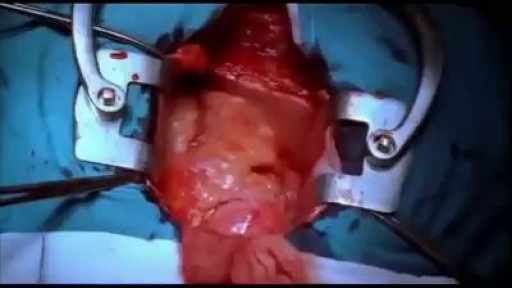
Beating Heart during surgery
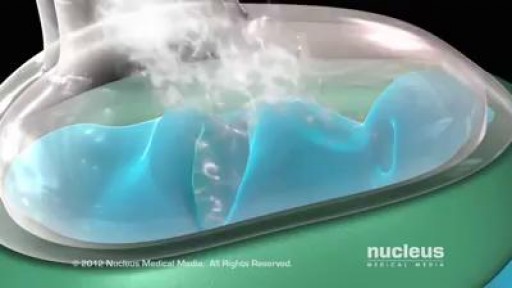
Skin Graft? Skin grafting is a surgical procedure that involves removing the skin from one area of the body and moving it, or transplanting it, to a different area of the body. This surgery may be done if a part of your body has lost its protective covering of skin due to burns, injury, or illness

Leech therapy is the use of leeches in the treatment of disease conditions. Medicinal leeches are bloodsucking worms that they live in both aquatic and terrestrial environments.
