
- Physical Examination
- Surgical Examination
- Ophthalmology
- Clinical Skills
- Orthopedics
- Surgery Videos
- Laparoscopy
- Pediatrics
- Funny Videos
- Cardiothoracic Surgery
- Nursing Videos
- Plastic Surgery
- Otorhinolaryngology
- Histology and Histopathology
- Neurosurgery
- Dermatology
- Pediatric Surgery
- Urology
- Dentistry
- Oncology and Cancers
- Anatomy Videos
- Health and Fitness
- Radiology
- Anaesthesia
- Physical Therapy
- Pharmacology
- Interventional Radiology
- Cardiology
- Endocrinology
- Gynecology
- Emergency Medicine
- Psychiatry and Psychology
- Childbirth Videos
- General Medical Videos
- Nephrology
- Physiology
- Diet and Food Health
- Diabetes Mellitus
- Neurology
- Women Health
- Osteoporosis
- Gastroenterology
- Pulmonology
- Hematology
- Rheumatology
- Toxicology
- Nuclear Medicine
- Infectious Diseases
- Vascular Disease
- Reproductive Health
- Burns and Wound Healing
- Other
Top videos


Multiple studies demonstrate the safety of propofol in pediatric EDPS. Each has identified a drop in blood pressure and transient hypoxemia as the most frequent complications. In all of the studies in which hypotension was identified there was no evidence of poor perfusion. The hypoxemia in all of these studies quickly responded to minimal intervention with no apparent lasting complications. Although these were pediatric studies, the results were very similar to ours in complication rates and sedation times. Our study did not demonstrate the frequency of decreased blood pressure seen in these pediatric studies but had similar hypoxemia rates.

Womens Issues and Blood Clotting
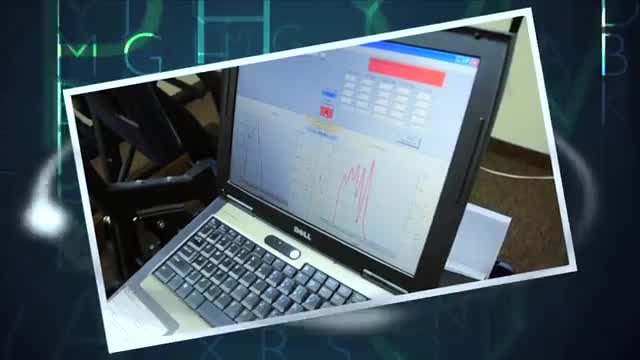
CRT provides a cost-effective measure for industry to reduce workplace injuries before they occur. CRT uses the latest Isokinetic Testing technology and equipment to match the physical capability of the worker with the physical demands of the job.
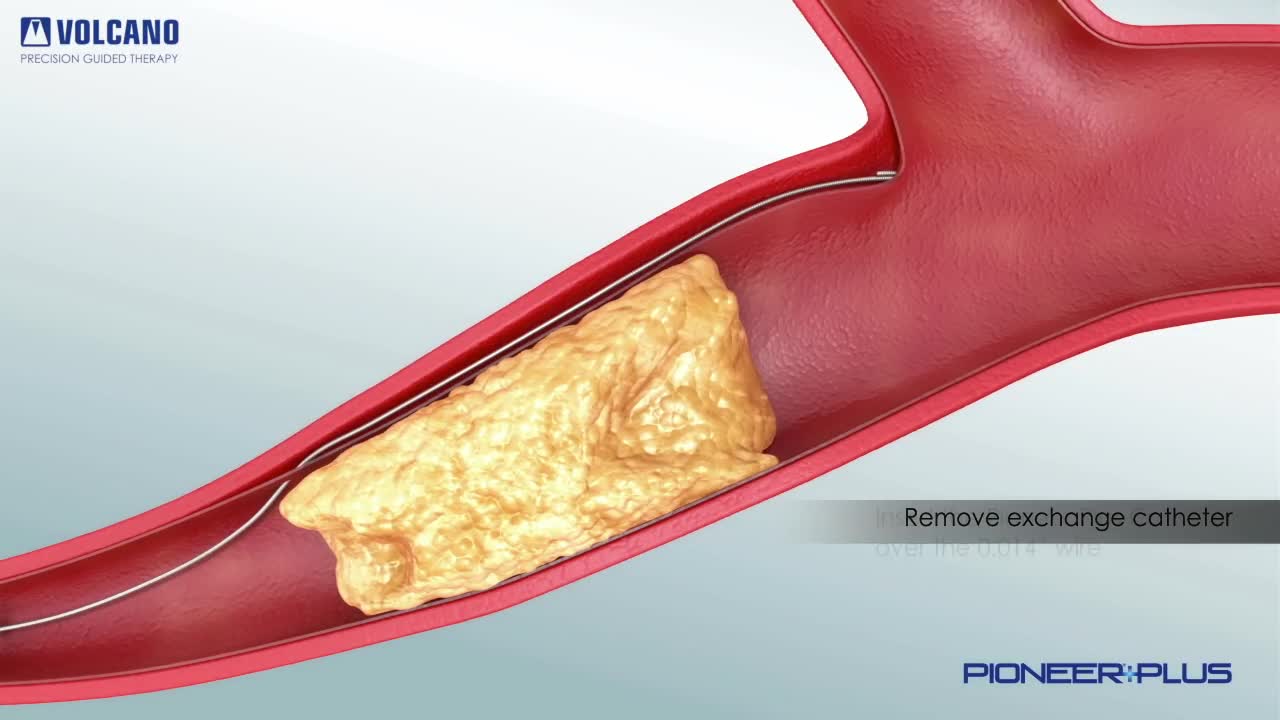
Pioneer Plus IVUS Re-Entry Catheter plaque removal
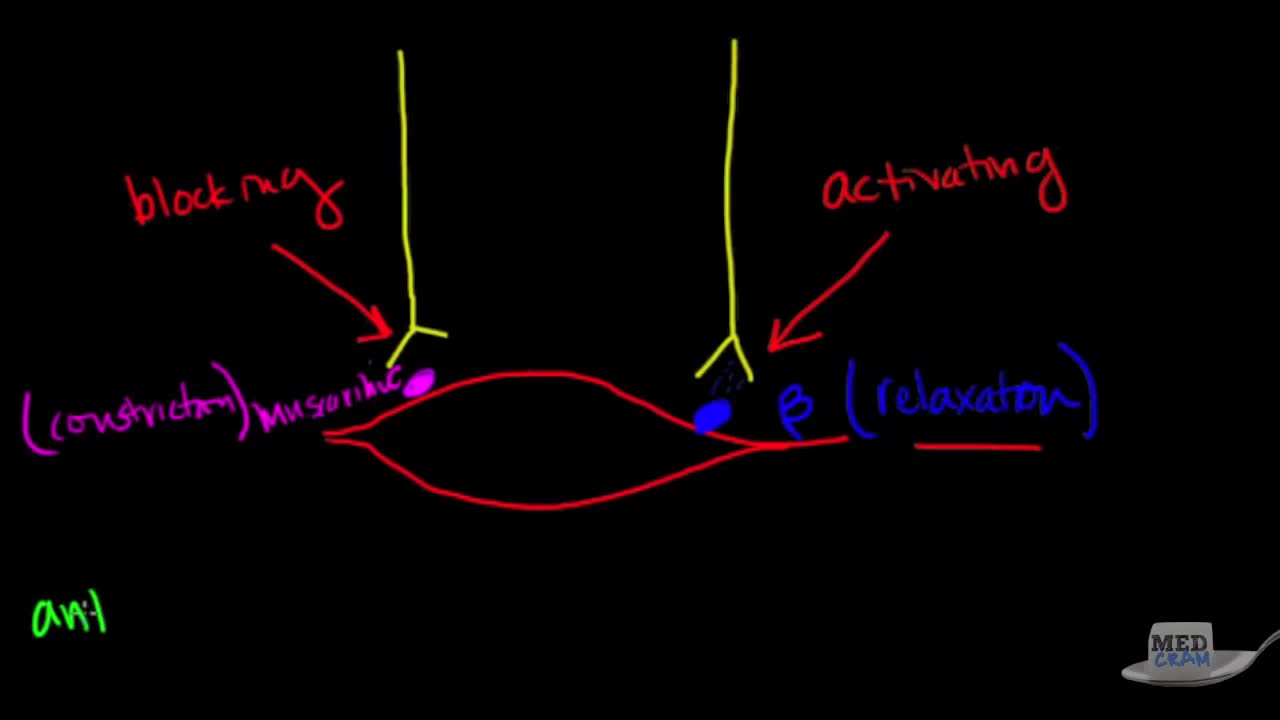
Includes discussion on asthma pathophysiology, signs and symptoms of asthma, diagnosis, triggers (GERD, post nasal drip, down feathers, etc.), flow volume loops, samter's triad, and more. This is video 1 of 2 on asthma and treatment.
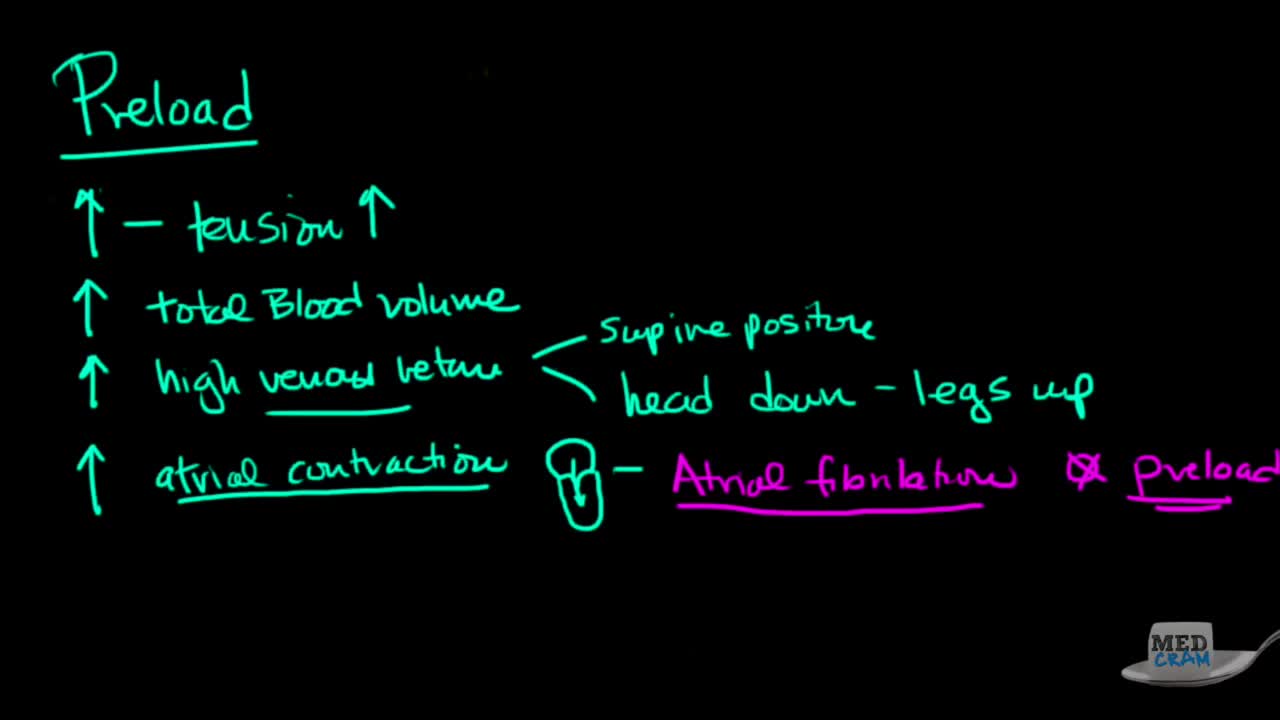
Not all conditions that lead to heart failure can be reversed, but treatments can improve the signs and symptoms of heart failure and help you live longer. Lifestyle changes — such as exercising, reducing salt in your diet, managing stress and losing weight — can improve your quality of life.
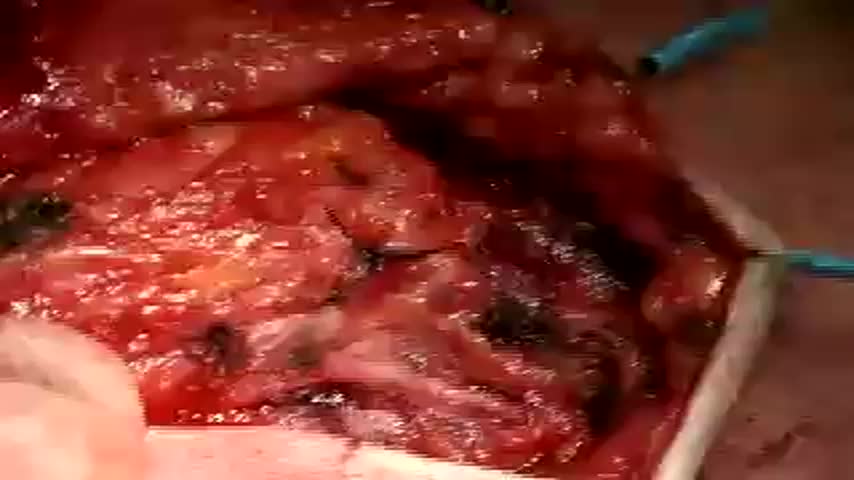
This video show the steps in a total parotidectomy with VII nerve preservation. The patient had a malignant parotid tumor without VII nerve compromise.
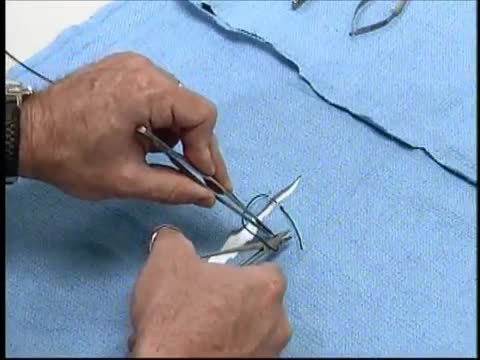
At first, grasping the needle is difficult because it will have a tendency to want to jump around. What can oftentimes help is to get hold of the thread with the left-hand forceps at a point 2 to 3 cm away from the needle. Dangle the needle until it just comes to rest on the surface. This will then allow you to use the angulated needle holder to grab the needle easily. Your needle is in a stable position if it is set up to 90 degrees to the axis of the tips of the forceps. You can make minor corrections by touching the needle with your left-hand forceps, or by partially relaxing your grip and nudging the needle tip against another firm object. You should hold the needle just behind its midpoint (If you hold it too near the tip, it will point downward. If you hold it too near the thread end, it will point upward.).
Chronic mesenteric ischemia (CMI) usually results from long-standing atherosclerotic disease of 2 or more mesenteric vessels. [1] Other nonatheromatous causes of CMI include the vasculitides, such as Takayasu arteritis. Symptoms are caused by the gradual reduction in blood flow to the intestine. [2] (See Presentation.) In 1958, Shaw and Maynard described the first thromboendarterectomy of the superior mesenteric artery (SMA) for the treatment of both acute mesenteric ischemia (AMI) and CMI. Several other surgical procedures have since been attempted, ranging from reimplantation of the visceral branch into the adjacent aorta to using an autogenous vein graft. In 1972, Stoney and Wylie introduced transaortic visceral thromboendarterectomy and aortovisceral bypass, which have proved to be highly effective techniques.
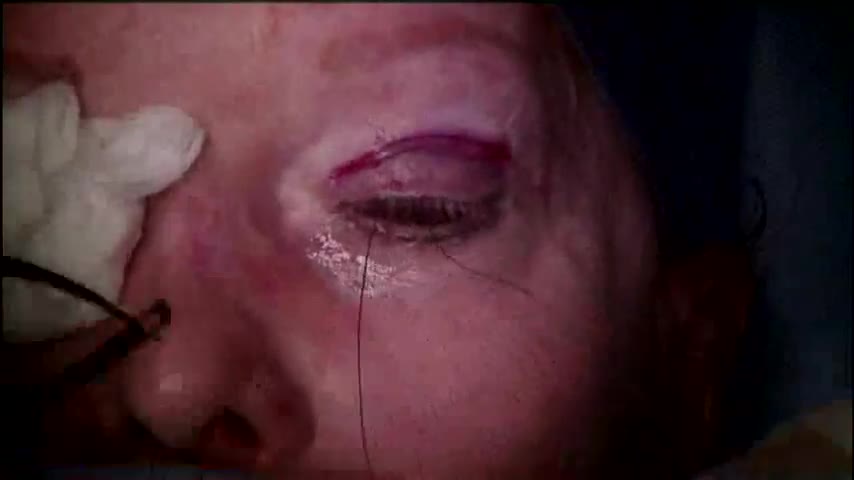
Performed by Kami Parsa M.D. Patient is a 55 year old with a history of previous upper eyelid blepharoplasty with excessive skin removed from both upper eyelids which resulted in bilateral lagophthalmos. Patient could not close her eyes and had problems with severe dry eyes.
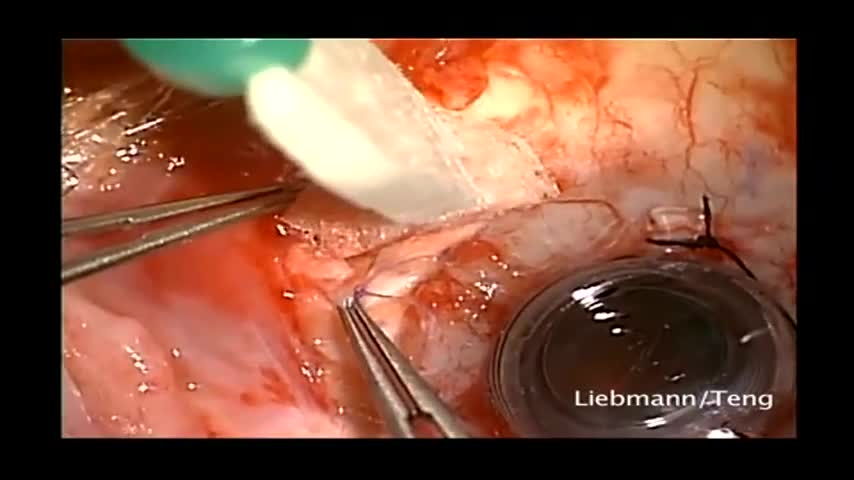
This patient had a history of herpes and had a previous corneal transplant that subsequently became opacified. There was also a previous Baerveldt implant placed into the anterior chamber. This surgery consists of Baerveldt tube being moved from the anterior chamber to posterior chamber, removal of failed graft, placement of temporary keratoprosthesis, pars plana vitectomy and corneal transplant. Jeffrey Liebmann, MD. Mark Speaker, MD. Uri Shabto, MD. Christopher Teng, MD.
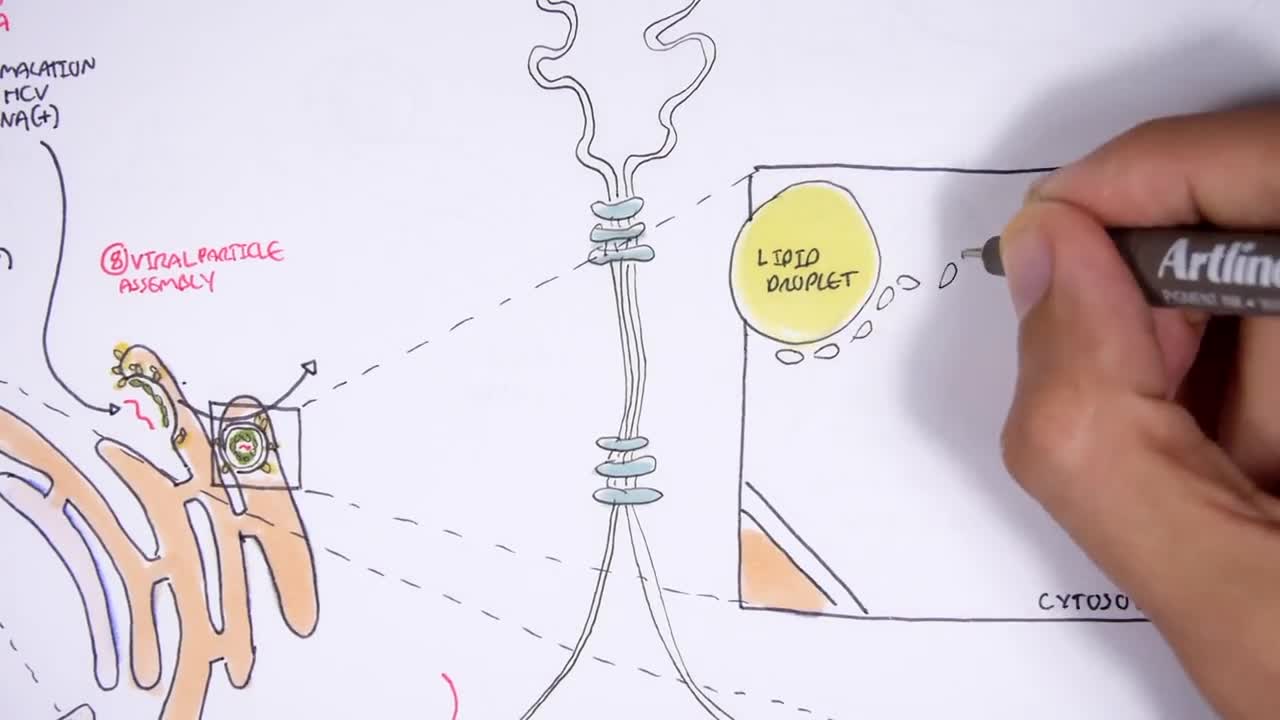
Many people don't know that they have hepatitis C until they already have some liver damage. This can take many years. Some people who get hepatitis C have it for a short time and then get better. This is called acute hepatitis C. But most people who are infected with the virus go on to develop long-term, or chronic, hepatitis C. Although hepatitis C can be very serious, most people can manage the disease and lead active, full lives.
Hepatitis A signs and symptoms, which typically don't appear until you've had the virus for a few weeks, may include: Fatigue Nausea and vomiting Abdominal pain or discomfort, especially in the area of your liver on your right side beneath your lower ribs Clay-colored bowel movements Loss of appetite Low-grade fever Dark urine Joint pain Yellowing of the skin and eyes (jaundice) If you have hepatitis A, you may have a mild illness that lasts a few weeks or a severe illness that lasts several months. Not everyone with hepatitis A develops signs or symptoms.
CMV is a common virus in the same family as herpesvirus, and it can infect anyone. CMV is spread by direct contact of body fluids, such as saliva, blood, urine, semen, vaginal fluids, and breast milk. Thus breastfeeding, blood transfusions, organ transplants, and sexual contact are possible modes of transmission. Most healthy people do not experience any symptoms when infected with CMV, and it does not pose a serious health concern. A majority of adults have antibodies consistent with past infection. Most healthy children and adults who do have symptoms will recover from CMV infection without complications and do not require antiviral treatment. However, in those with a weakened immune system, CMV can cause serious disease (retinitis, hepatitis, colitis, pneumonia, or encephalitis).
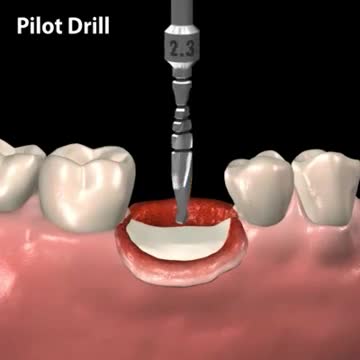
Dental implant surgery is a procedure that replaces tooth roots with metal, screwlike posts and replaces damaged or missing teeth with artificial teeth that look and function much like real ones. Dental implant surgery can offer a welcome alternative to dentures or bridgework that doesn't fit well. How dental implant surgery is performed depends on the type of implant and the condition of your jawbone. Dental implant surgery may involve several procedures. The major benefit of implants is solid support for your new teeth — a process that requires the bone to heal tightly around the implant. Because this healing requires time, the process can take many months.
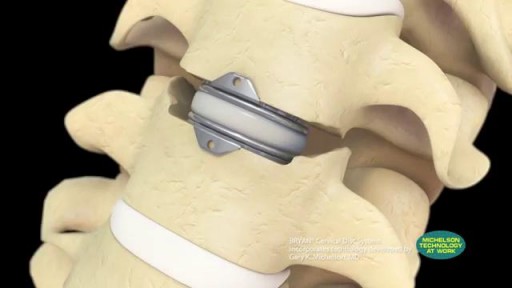
Cervical artificial disc replacement using the BRYAN Disc, a trusted product of Medtronic. Spine care offices are located in New Jersey, New York, and Florida. Are you experiencing neck pain? Do you think you may have a herniate disc? Learn more about our doctors' 97% success rate for performing BRYAN disc replacement:

A leaking mitral valve allows blood to flow in two directions during the contraction. Some blood flows from the ventricle through the aortic valve – as it should – and some blood flows back into the atrium. A leaking (or regurgitant) aortic valve allows blood to flow in two directions. Oxygen-rich blood either flows out through the aorta to the body – as it should – or it flows backwards from the aorta into the left ventricle when the ventricle relaxes. Leaking valves can cause the heart to work harder to pump the same amount of blood.
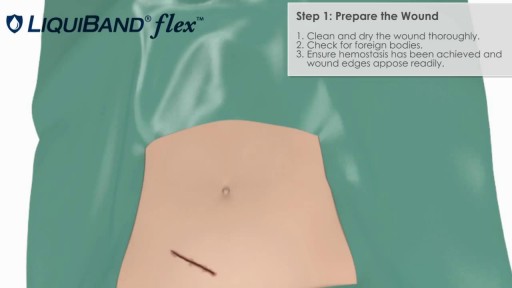
Learn the proper technique for applying LiquiBand Flex Topical Skin Adhesive
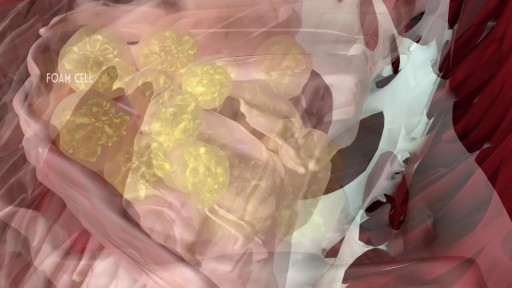
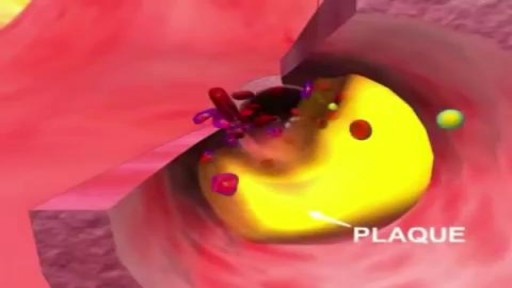
Atherosclerosis is a process in which blood, fats such as cholesterol, and other substances build up on your artery walls. Eventually, deposits called plaques may form. The deposits may narrow — or block — your arteries. These plaques can also rupture, causing a blood clot.
A heart attack is a frightening experience. If you have had a heart attack, or are close with someone who has, you are not alone: tens of thousands of Americans survive. As you work toward recovery, please use the following questions and answers to better understand what has happened to you and how you can help your heart heal so you can live a healthier, longer life.
