
- Physical Examination
- Surgical Examination
- Ophthalmology
- Clinical Skills
- Orthopedics
- Surgery Videos
- Laparoscopy
- Pediatrics
- Funny Videos
- Cardiothoracic Surgery
- Nursing Videos
- Plastic Surgery
- Otorhinolaryngology
- Histology and Histopathology
- Neurosurgery
- Dermatology
- Pediatric Surgery
- Urology
- Dentistry
- Oncology and Cancers
- Anatomy Videos
- Health and Fitness
- Radiology
- Anaesthesia
- Physical Therapy
- Pharmacology
- Interventional Radiology
- Cardiology
- Endocrinology
- Gynecology
- Emergency Medicine
- Psychiatry and Psychology
- Childbirth Videos
- General Medical Videos
- Nephrology
- Physiology
- Diet and Food Health
- Diabetes Mellitus
- Neurology
- Women Health
- Osteoporosis
- Gastroenterology
- Pulmonology
- Hematology
- Rheumatology
- Toxicology
- Nuclear Medicine
- Infectious Diseases
- Vascular Disease
- Reproductive Health
- Burns and Wound Healing
- Other
Top videos
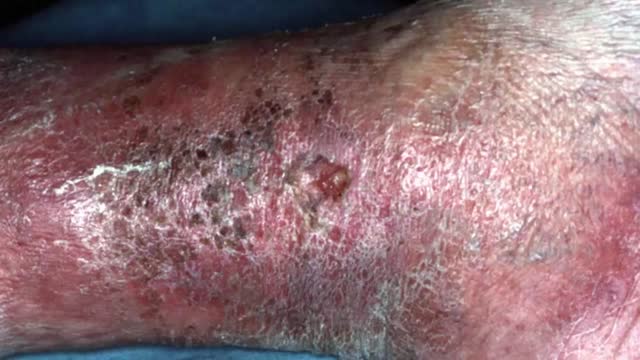

Yeast Infection Symptoms in Women and Men - Causes, Signs, photos, Pictures of Candidiasis Fungus

Diverticula are small, bulging pouches that can form in the lining of your digestive system. They are found most often in the lower part of the large intestine (colon). Diverticula are common, especially after age 40, and seldom cause problems. Sometimes, however, one or more of the pouches become inflamed or infected. That condition is known as diverticulitis (die-vur-tik-yoo-LIE-tis). Diverticulitis can cause severe abdominal pain, fever, nausea and a marked change in your bowel habits. Mild diverticulitis can be treated with rest, changes in your diet and antibiotics. Severe or recurring diverticulitis may require surgery.
Most blisters caused by friction or minor burns do not require a doctor's care. New skin will form underneath the affected area and the fluid is simply absorbed. Do not puncture a blister unless it is large, painful, or likely to be further irritated. The fluid-filled blister keeps the underlying skin clean, which prevents infection and promotes healing.
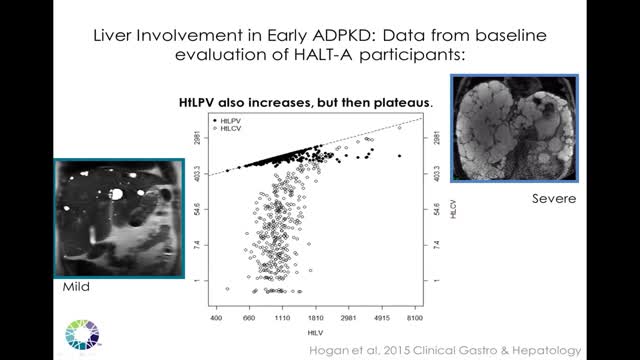
Polycystic liver disease (PLD or PCLD) is a rare condition that causes cysts -- fluid-filled sacs -- to grow throughout the liver. A normal liver has a smooth, uniform appearance. A polycystic liver can look like a cluster of very large grapes.
Kidney failure and transplant options One of the most serious complications of polycystic kidney disease is kidney failure. This is when the kidneys are no longer able to filter waste products, maintain fluid balance, and maintain blood pressure on their own. When this occurs, your doctor will discuss options with you that may include a kidney transplant or dialysis treatments to act as artificial kidneys. If your doctor does place you on a kidney transplant list, there are several factors that determine your placement. These include your overall health, expected survival, and time you have been on dialysis. It’s also possible that a friend or relative could donate a kidney to you. Because people can live with only one kidney with relatively few complications, this can be an option for families who have a willing donor. The decision to undergo a kidney transplant or donate a kidney to a person with kidney disease can be a difficult one. Speaking to your nephrologist can help you weigh your options. You can also ask what medications and treatments can help you live as well as possible in the meantime. According to the University of Iowa, the average kidney transplant will allow kidney function from 10 to 12 years.
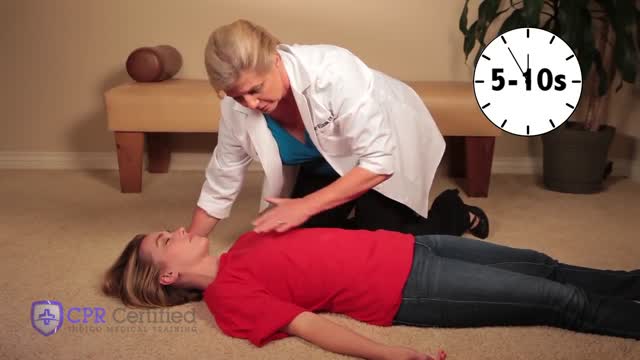
Anybody can and anybody should learn how to perform CPR (Cardiopulmonary resuscitation): According to the American Heart Association, a stunning 70% of Americans don’t know how what to do if somebody is experiencing a cardiac emergency because they don’t know how to administer CPR or they forgot the exact technique. This is especially alarming since almost 90% of cardiac arrests occur at home — where patients depend on the immediate respiratory care response of their family members. In brief, knowing how to perform CPR can save the life of a loved one someday.
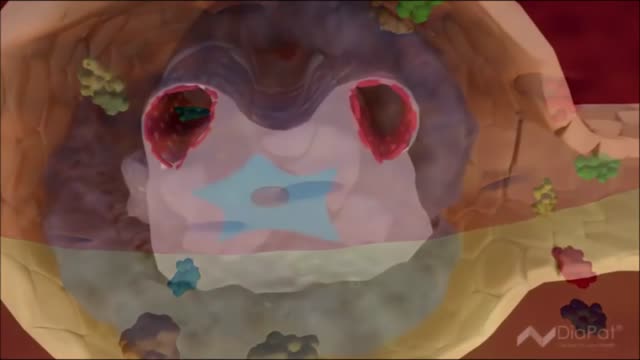
Depending on the underlying cause, some types of kidney disease can be treated. Often, though, chronic kidney disease has no cure. Treatment usually consists of measures to help control signs and symptoms, reduce complications, and slow progression of the disease. If your kidneys become severely damaged, you may need treatment for end-stage kidney disease. Treating the cause Your doctor will work to slow or control the cause of your kidney disease. Treatment options vary, depending on the cause. But kidney damage can continue to worsen even when an underlying condition, such as high blood pressure, has been controlled. Treating complications Kidney disease complications can be controlled to make you more comfortable. Treatments may include: High blood pressure medications. People with kidney disease may experience worsening high blood pressure. Your doctor may recommend medications to lower your blood pressure — commonly angiotensin-converting enzyme (ACE) inhibitors or angiotensin II receptor blockers — and to preserve kidney function. High blood pressure medications can initially decrease kidney function and change electrolyte levels, so you may need frequent blood tests to monitor your condition. Your doctor will likely also recommend a water pill (diuretic) and a low-salt diet. Medications to lower cholesterol levels. Your doctor may recommend medications called statins to lower your cholesterol. People with chronic kidney disease often experience high levels of bad cholesterol, which can increase the risk of heart disease.

Encephalitis (en-sef-uh-LIE-tis) is inflammation of the brain. Viral infections are the most common cause of the condition. Encephalitis can cause flu-like symptoms, such as a fever or severe headache. It can also cause confused thinking, seizures, or problems with senses or movement. However, many cases of encephalitis result in only mild flu-like symptoms or even no symptoms. Severe cases of encephalitis, while relatively rare, can be life-threatening. Because the course of any single case of encephalitis can be unpredictable, it's important to get a timely diagnosis and treatment.

DIRTIEST PARTS OF YOUR BODY
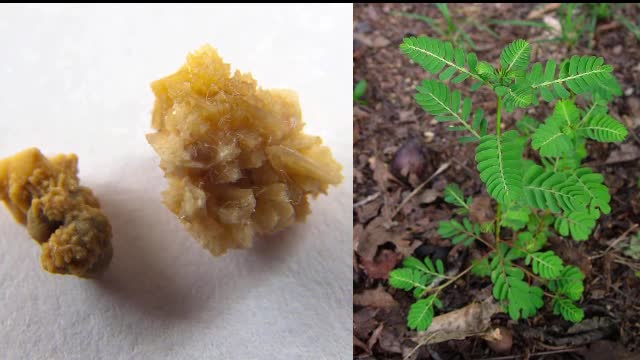
http://dissolve-kidney-stones-fast.good-info.co/ How To Dissolve Kidney Stone Naturally In Home, Herbs For Kidney Stones, Dissolve Kidney Stones. For thousands of years Amazonian Rainforest tribes have been using the Chanca Piedra plants liquid extract herbs to dissolve kidney stones and gallstones. I found out about this incredible plant, phyllanthus niruri, because I use to suffer from kidney stones. Just like you, I have been in the ER for kidney stones suffering incredible kidney pain. I eventually had to have surgery for relief & removal of the stone. It was a horrendous experience and at that point I knew I had to figure out a way to avoid having another kidney stone in my life! I started doing research and found out the Amazon Rainforest had the remedy! The next time I got kidney stone symptoms I quickly started taking Chanca Piedra tincture drops and it dissolved the stone and I passed it easily. My new mission was to help others suffering from stones. Mine were calcium oxalate, perhaps yours are the same type or uric acid, struvite or cystine. You want the most powerful kidney stone treatment available today and our Kidney Stone Crusher is that product. Make no mistake, if you suffer from stones you need this stone breaker and dissolver passing product! It shrinks and dissolves your stones naturally. No more ER visits, no more painful surgeries, expensive medicine, and no more stents! The added benefit of using our Kidney Stone Crusher is that you will cleanse your liver and kidneys at the same time giving you better digestion, regulate your hormones and purify your blood. Increases urination which is a must for passing stones & cleansing. Our product is all organic, natural and sustainably wildcrafted from the Rainforest in Peru. Works on animals as well, dogs, cats, even alpacas! Click the Buy Button now and get started dissolving your stones. http://dissolve-kidney-stones-fast.good-info.co/
Knee pain facts Knee pain is a common problem with many causes, from acute injuries to complications of medical conditions. Knee pain can be localized to a specific area of the knee or be diffuse throughout the knee. Knee pain is often accompanied by physical restriction. A thorough physical examination will usually establish the diagnosis of knee pain. The treatment of knee pain depends on the underlying cause. The prognosis of knee pain is usually good although it might require surgery or other interventions.

More than 1 million Americans suffer a heart attack every year. Traditional symptoms—chest pain or pressure, cold sweat, extreme weakness—are well known. But there are more subtle signs you’re having or are about to have a heart attack that can be easy to miss. If you experience any of the following symptoms, see a doctor. Noticing heart attack signs early and getting prompt treatment can save your life.
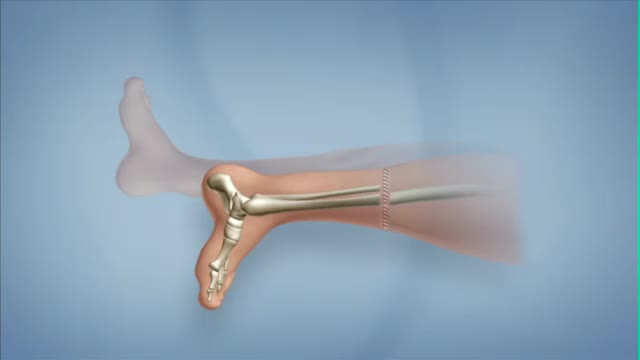
Rotationplasty is a type of autograft wherein a portion of a limb is removed, while the remaining limb below the involved portion is rotated and reattached. This procedure is used when a portion of an extremity is injured or involved with a disease, such as cancer. Typically, the ankle joint becomes the knee joint.

Malaria is a serious and sometimes fatal disease caused by a parasite that commonly infects a certain type of mosquito which feeds on humans. People who get malaria are typically very sick with high fevers, shaking chills, and flu-like illness.
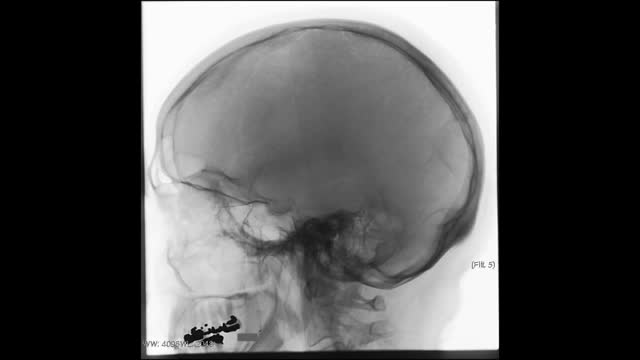
The management of acute ischemic stroke has advanced greatly over the past 2 decades. New interventions, including intravenous and endovascular treatment strategies, have evolved to recanalize arteries and salvage the ischemic brain. The evolution of interventional approaches to the treatment of acute stroke has been prompted by the limitations of intravenous therapy and intended to extend the treatment window, improve recanalization rates, and subsequently long-term clinical outcomes. The major techniques that have defined the current field of interventional acute stroke management and the relevant past and current data, and ongoing clinical trials on interventional stroke therapy will be reviewed. New issues, such as futile recanalization, and time to microcatheter, will also be discussed.
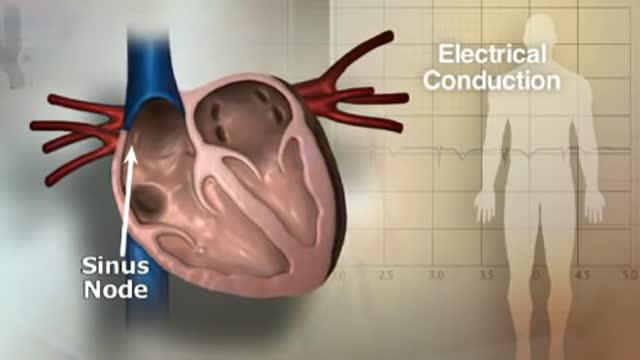
If you or someone you love has atrial fibrillation, learn more about what AFib is, why treatment can save lives, and what you can do to reach your goals, lower your risks and live a healthy life.
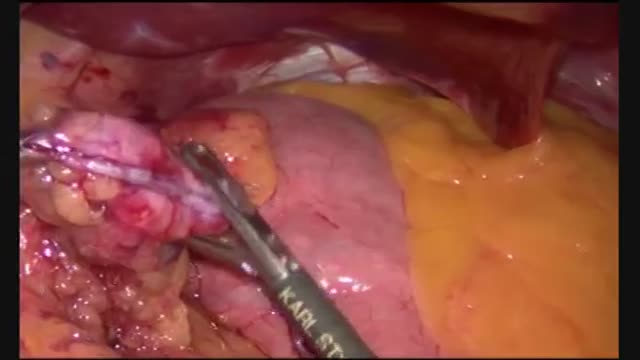
Gastric Bypass Surgery - Maagverkleining - Weight Loss Surgery - WLS
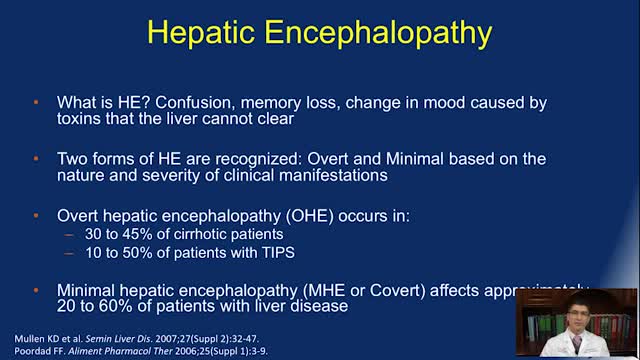
Symptoms of hepatic encephalopathy differ depending on the underlying cause of the liver damage. Symptoms and signs of hepatic encephalopathy may include: difficulty thinking. personality changes. poor concentration. problems with handwriting or loss of other small-hand movements. confusion. forgetfulness. poor judgment.
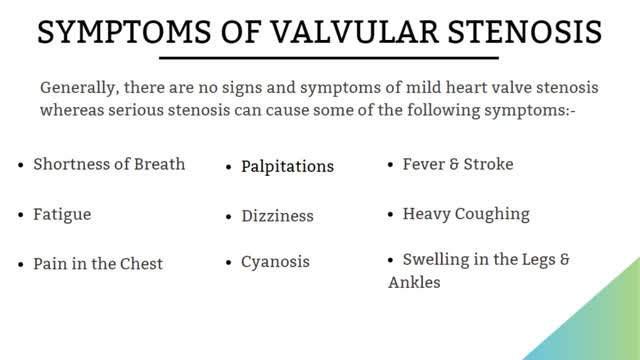
Valvular stenosis occurs when one or more heart valves are narrowed, stiffened, thickened or blocked. A variety of treatment options are available for this disorder. Learn more about the treatments on: bit.ly/2g6Mh8f
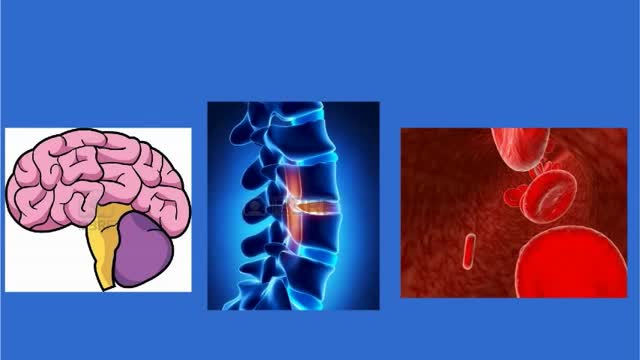
There are currently 2 types of pneumococcal vaccines: pneumococcal conjugate vaccine (PCV13 or Prevnar 13®) and pneumococcal polysaccharide vaccine (PPSV23 or Pneumovax®). PCV13 is recommended for all children younger than 5 years old, all adults 65 years or older, and people 6 years or older with certain risk factors.
