
- Physical Examination
- Surgical Examination
- Ophthalmology
- Clinical Skills
- Orthopedics
- Surgery Videos
- Laparoscopy
- Pediatrics
- Funny Videos
- Cardiothoracic Surgery
- Nursing Videos
- Plastic Surgery
- Otorhinolaryngology
- Histology and Histopathology
- Neurosurgery
- Dermatology
- Pediatric Surgery
- Urology
- Dentistry
- Oncology and Cancers
- Anatomy Videos
- Health and Fitness
- Radiology
- Anaesthesia
- Physical Therapy
- Pharmacology
- Interventional Radiology
- Cardiology
- Endocrinology
- Gynecology
- Emergency Medicine
- Psychiatry and Psychology
- Childbirth Videos
- General Medical Videos
- Nephrology
- Physiology
- Diet and Food Health
- Diabetes Mellitus
- Neurology
- Women Health
- Osteoporosis
- Gastroenterology
- Pulmonology
- Hematology
- Rheumatology
- Toxicology
- Nuclear Medicine
- Infectious Diseases
- Vascular Disease
- Reproductive Health
- Burns and Wound Healing
- Other
Top videos


Cancer starts when cells in a part of the body begins to grow out of control and can spread to other areas of the body. There are many kinds of cancer. Cells in nearly any part of the body can become cancer. To learn more about how cancers start and spread, see What Is Cancer? Leukemias are cancers that start in cells that would normally develop into different types of blood cells. Here we will talk about acute myeloid leukemia (AML). Acute myeloid leukemia (AML) has many other names, including acute myelocytic leukemia, acute myelogenous leukemia, acute granulocytic leukemia, and acute non-lymphocytic leukemia. “Acute” means that this leukemia can progress quickly if not treated, and would probably be fatal in a few months. “Myeloid” refers to the type of cell this leukemia starts from. Most cases of AML develop from cells that would turn into white blood cells (other than lymphocytes), but some cases of AML develop in other types of blood-forming cells. The different types of AML are listed in “ How is acute myeloid leukemia classified?” AML starts in the bone marrow (the soft inner part of certain bones, where new blood cells are made), but in most cases it quickly moves into the blood. It can sometimes spread to other parts of the body including the lymph nodes, liver, spleen, central nervous system (brain and spinal cord), and testicles. Other types of cancer can start in these organs and then spread to the bone marrow. But these cancers that start elsewhere and then spread to the bone marrow are not leukemias. Normal bone marrow, blood, and lymphoid tissue To understand the different types of leukemia, it helps to know about the blood and lymph systems.

Surgery to replace an aortic valve is done for aortic valve stenosis and aortic valve regurgitation. During this surgery, the damaged valve is removed and replaced with an artificial valve. The valve replacement is typically an open-heart surgery.

The syndrome of inappropriate antidiuretic hormone (ADH) secretion (SIADH) is defined by the hyponatremia and hypo-osmolality resulting from inappropriate, continued secretion or action of the hormone despite normal or increased plasma volume, which results in impaired water excretion.
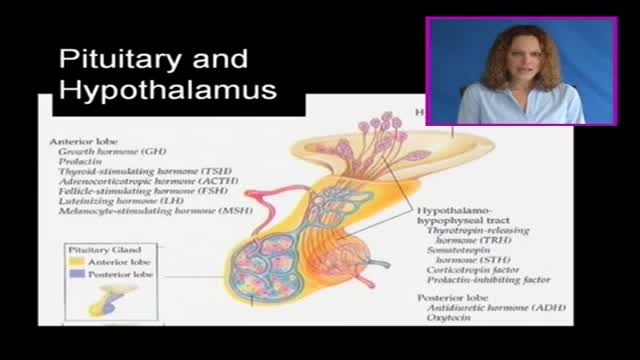
The pituitary gland is often portrayed as the "master gland" of the body. Such praise is justified in the sense that the anterior and posterior pituitary secrete a battery of hormones that collectively influence all cells and affect virtually all physiologic processes. The pituitary gland may be king, but the power behind the throne is clearly the hypothalamus. As alluded to in the last section, some of the neurons within the hypothalamus - neurosecretory neurons - secrete hormones that strictly control secretion of hormones from the anterior pituitary. The hypothalamic hormones are referred to as releasing hormones and inhibiting hormones, reflecting their influence on anterior pituitary hormones.
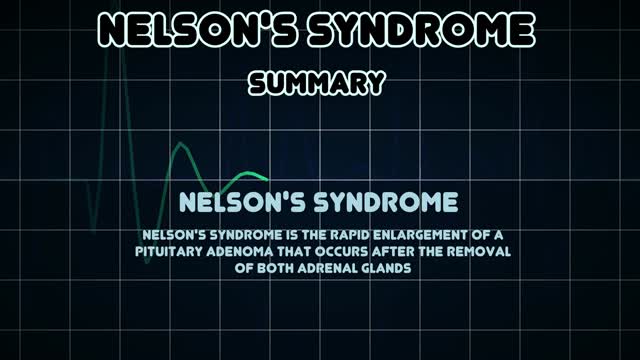
Nelson syndrome refers to a spectrum of symptoms and signs arising from an adrenocorticotropin (ACTH)–secreting pituitary macroadenoma after a therapeutic bilateral adrenalectomy. The spectrum of clinical features observed relates to the local effects of the tumor on surrounding structures, the secondary loss of other pituitary hormones, and the effects of the high serum concentrations of ACTH on the skin. [1] The first case was reported by Nelson et al in 1958. [2]
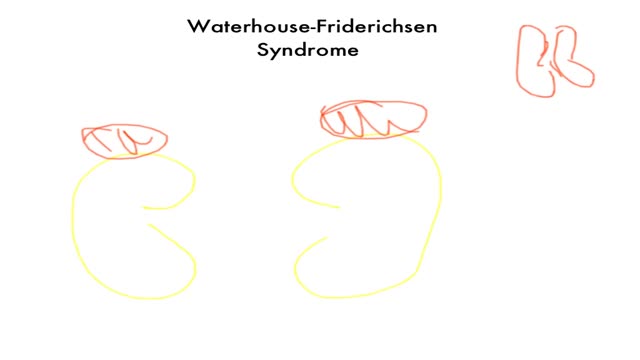
Waterhouse–Friderichsen syndrome (WFS), hemorrhagic adrenalitis or fulminant meningococcemia is defined as adrenal gland failure due to bleeding into the adrenal glands, commonly caused by severe bacterial infection: Typically the pathogen is the meningococcus Neisseria meningitidis.
Parathyroid cancer is a rare disease in which malignant (cancer) cells form in the tissues of a parathyroid gland. The parathyroid glands are four pea-sized organs found in the neck near the thyroid gland. The parathyroid glands make parathyroid hormone (PTH or parathormone). PTH helps the body use and store calcium to keep the calcium in the blood at normal levels.

Insulin is a hormone made naturally in the pancreas that helps move sugar into the cells of your body. Your cells use the sugar as fuel to make energy. Without enough insulin, sugar stays in your bloodstream, raising your blood sugar. High blood sugar, or hyperglycemia, can lead to the signs and symptoms of diabetes:

What Happens When You're In a Coma?
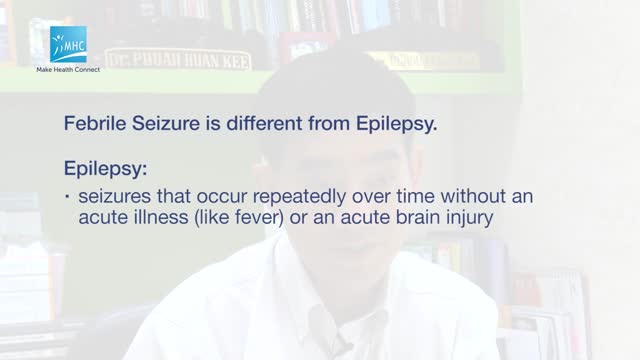
A febrile seizure is a convulsion in a child that may be caused by a spike in body temperature, often from an infection. Your child's having a febrile seizure can be alarming, and the few minutes it lasts can seem like an eternity. Febrile seizures represent a unique response of a child's brain to fever, usually the first day of a fever. Fortunately, they're usually harmless and typically don't indicate an ongoing problem. You can help by keeping your child safe during a febrile seizure and by comforting him or her afterward.
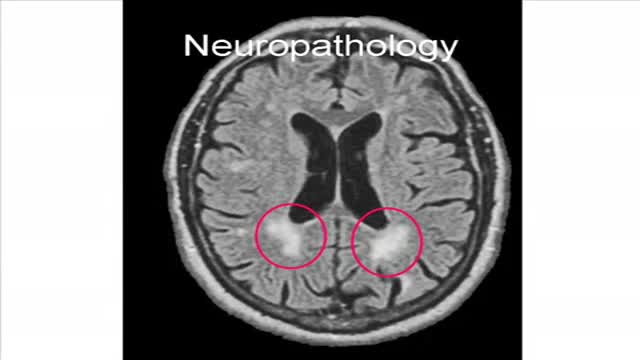
Binswanger's disease is a type of vascular dementia that involves white matter infarcts. Patients with this disease usually present with apathy, agitation, and bilateral corticospinal or bulbar signs

Panic attacks are discrete periods of intense fear or discomfort. Symptoms may include palpitations, sweating, trembling, shortness of breath, a choking sensation, chest pain, nausea, dizziness, paresthesias, and a fear of dying or losing control

If you suspect that you have sleep apnea, the usual first step is to discuss your suspicions with your primary care physician. If you don’t have a primary care physician, you can go directly to a clinician who is a sleep specialist. But check your health care insurance coverage first. Some policies require you to see a primary care physician first, and some policies limit the sleep centers and testing facilities whose services they will pay for. Unfortunately, you may discover that your policy offers limited or no coverage for the diagnosis and treatment of sleep apnea, in which case you may wish to switch insurers if and when you can.

Meningococcal meningitis - causes, features, symptoms and treatment
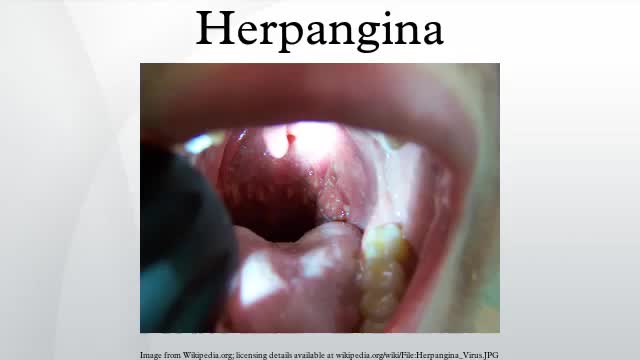
Herpangina is a common childhood illness caused by a virus. It is characterized by small, blister-like ulcers on the roof of the mouth and in the back of the throat. The infection may also cause a sudden fever, sore throat, headache, and neck pain.
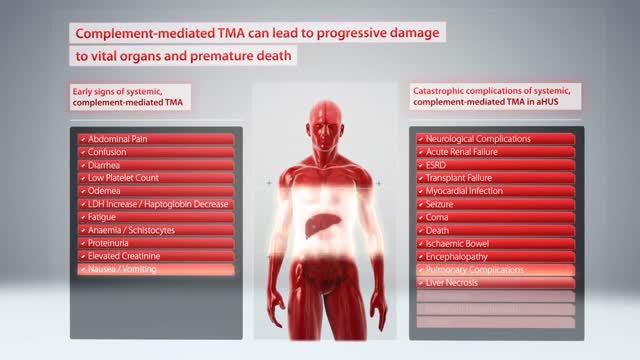
Hemolytic-uremic syndrome (or haemolytic-uraemic syndrome), abbreviated HUS, is a disease characterized by hemolytic anemia (anemia caused by destruction of red blood cells), acute kidney failure (uremia), and a low platelet count (thrombocytopenia).

Disordered Eater vs. Eating Disorder - What's the difference?

Body Mass Index (BMI) is a person's weight in kilograms divided by the square of height in meters. A high BMI can be an indicator of high body fatness. BMI can be used to screen for weight categories that may lead to health problems but it is not diagnostic of the body fatness or health of an individual.May 15, 2015
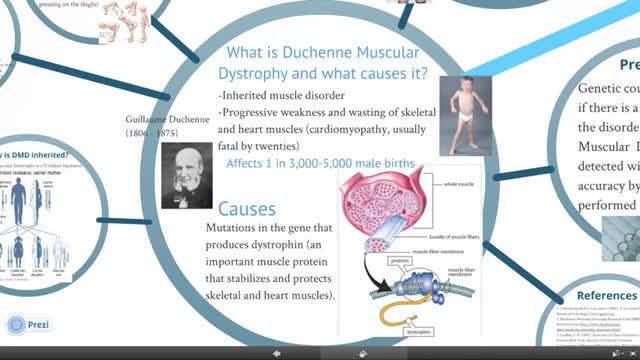
This patient's age, speech delay, bilateral lower-extremity weakness, apparent increase in calf diameter, and history of a wheelchair-bound uncle are typical of Duchenne muscular dystrophy (DMD). DMD is the most common muscular dystrophy of childhood that affects boys who have inherited a defective dystrophin gene on X-chromosome p21. Weakness begins in the proximal lower-extremity muscles and manifests as difficulty walking, running, jumping, and climbing stairs. Boys may push their arms on their thighs (Gower sign) to transition from sitting to standing.
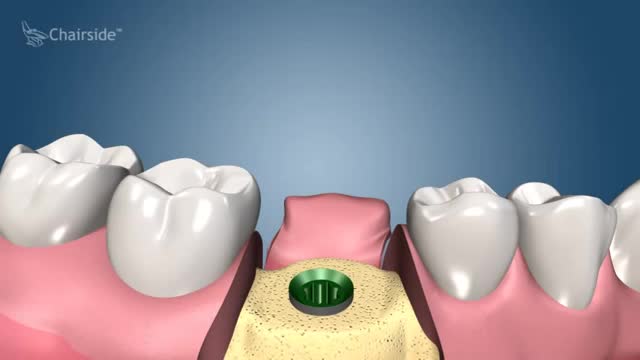
Dental Implant Procedure - Two Stage
