
- Physical Examination
- Surgical Examination
- Ophthalmology
- Clinical Skills
- Orthopedics
- Surgery Videos
- Laparoscopy
- Pediatrics
- Funny Videos
- Cardiothoracic Surgery
- Nursing Videos
- Plastic Surgery
- Otorhinolaryngology
- Histology and Histopathology
- Neurosurgery
- Dermatology
- Pediatric Surgery
- Urology
- Dentistry
- Oncology and Cancers
- Anatomy Videos
- Health and Fitness
- Radiology
- Anaesthesia
- Physical Therapy
- Pharmacology
- Interventional Radiology
- Cardiology
- Endocrinology
- Gynecology
- Emergency Medicine
- Psychiatry and Psychology
- Childbirth Videos
- General Medical Videos
- Nephrology
- Physiology
- Diet and Food Health
- Diabetes Mellitus
- Neurology
- Women Health
- Osteoporosis
- Gastroenterology
- Pulmonology
- Hematology
- Rheumatology
- Toxicology
- Nuclear Medicine
- Infectious Diseases
- Vascular Disease
- Reproductive Health
- Burns and Wound Healing
- Kidney Zone Podcast
- Other














Herpangina

Educational only: videos on MedicalVideos.com are for general information and are not medical advice. Always consult your own doctor about your health.
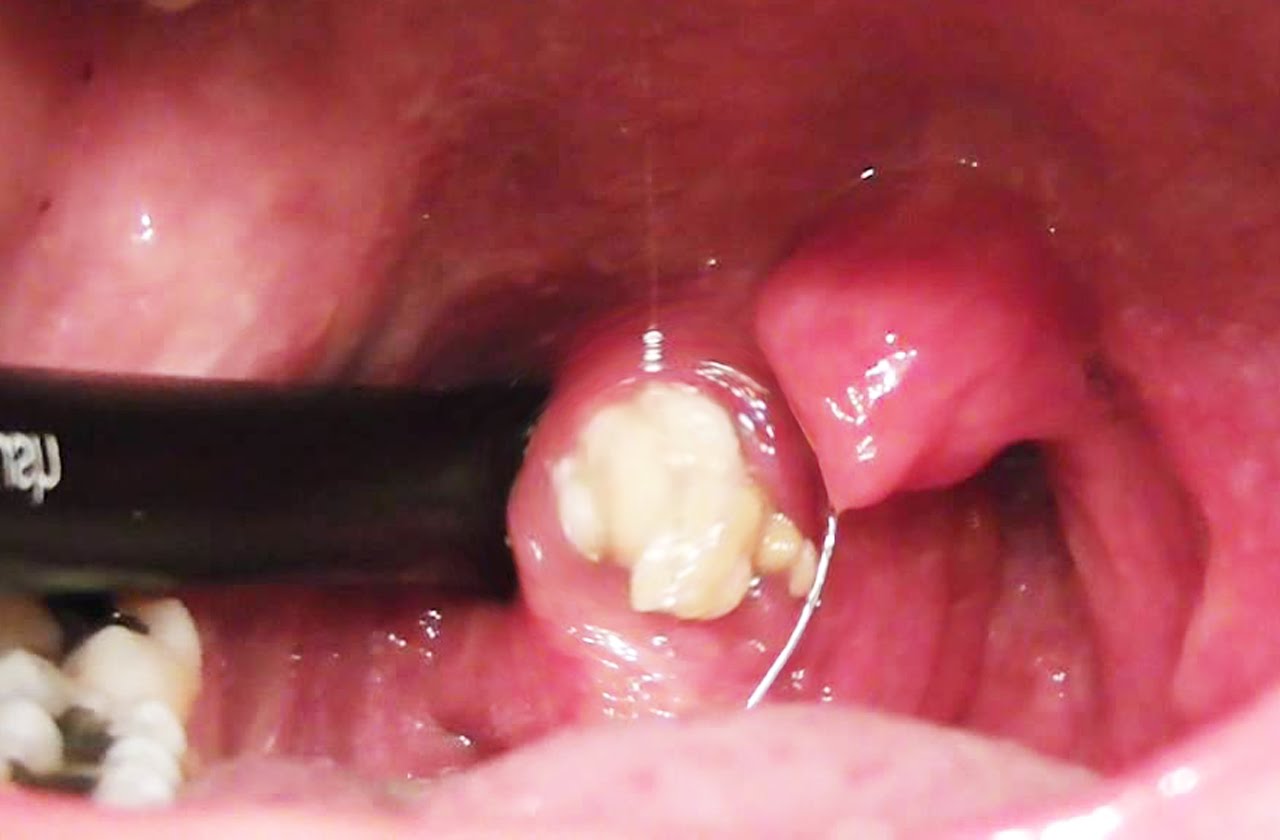
Herpangina is a common childhood illness caused by a virus. It is characterized by small, blister-like ulcers on the roof of the mouth and in the back of the throat. The infection may also cause a sudden fever, sore throat, headache, and neck pain.
This video in 30 seconds
This video covers herpangina, a common childhood illness caused by a virus. It describes its characteristic small, blister-like ulcers on the roof of the mouth and in the back of the throat, and covers other features the infection may cause, including sudden fever, sore throat, headache, and neck pain.
Key points
- Defines herpangina as a common childhood viral illness
- Describes blister-like ulcers on the roof of the mouth and back of the throat
- Covers sudden fever, sore throat, headache, and neck pain
Video Transcript
A narrated explainer on herpangina, the painful mouth infection caused mainly by coxsackieviruses. It covers who it affects, the blister-like ulcers at the back of the throat, and its typical course.
Read the full transcript
Herpingina, also called mouth blisters, is the name of a painful mouth infection caused by coaxac viruses. Usually, herpingina is produced by one particular strain of coaxacivirus A but it can also be caused by coaxac virus B or ecoviruses. Most cases of herpingina occur in the summer, affecting mostly children. However, it occasionally occurs in adolescents and adults. It was first characterized in 1920. Presentation, though herpingina can be asymptomatic, symptoms usually associated a high fever and sore throat. A small number of lesions form in the back area of the mouth, particularly the soft
palate or tonsillopillars. The lesions progress initially from red macules to vesicles and lastly to ulcerations which can be 2 a euro for a human size. The lesions heal in 7 a euro 10 days. Histologically, the epithelial cells show signs of intracellular and extracellular edema. Etymology, the term is derived from the Greek herb, creeping, snake-like, and Latin angina, a sore throat, literally a choking. Clinical features, most commonly affect infants and young children, typically occurs during the summer, typically spread via the fecal or ulroot or via the respiratory droplets.
The tick will last about 3 to 4 days after treatment. Symptoms, symptoms include sudden fever with sore throat, headache, loss of appetite, and often neck pain. Within 2 days of onset an average of 4 or 5 won a toe to an diameter grayish lumps form and develop into vesicles with red surrounds, and over 24 hours these become shallow ulcers, rarely larger than 5 a diameter, that heal in 1 to 7 days. These lesions most often appear on the tonsillopillars, but also on the soft palate, tonsils, uveola,
or tongue. A diagnosis can be made from clinical signs and symptoms, and treatment consists of minimizing the discomfort of symptoms. Treatment, treatment is usually supportive only, as the disease is self-limiting and usually runs its course in less than a week. Drinking cold beverages, especially milk-eating ice cream are recommended. Hot and high acidity beverages are to be avoided. No antiviral medications exist for coaxaccia or other enteroviruses. See also, list of cutaneous conditions, references. External links, herpingina.
Transcript auto-generated from the video’s audio for accessibility and study. Educational content only — not medical advice.
Video Overview
From our General Medical Videos collection: General medical videos: a wide collection of procedures, conditions and explainers from every specialty — free medical education since 2007. Browse all General Medical Videos videos →
Medical Videos
Free medical and surgery videos for patients, students and professionals — trusted since 2007.
Founded by Dr. Mohamed Ibrahim, MD, PhD — physician-scientist.
Follow us on Facebook · Instagram
SORT BY-
Top Comments
-
Latest comments