
- Physical Examination
- Surgical Examination
- Ophthalmology
- Clinical Skills
- Orthopedics
- Surgery Videos
- Laparoscopy
- Pediatrics
- Funny Videos
- Cardiothoracic Surgery
- Nursing Videos
- Plastic Surgery
- Otorhinolaryngology
- Histology and Histopathology
- Neurosurgery
- Dermatology
- Pediatric Surgery
- Urology
- Dentistry
- Oncology and Cancers
- Anatomy Videos
- Health and Fitness
- Radiology
- Anaesthesia
- Physical Therapy
- Pharmacology
- Interventional Radiology
- Cardiology
- Endocrinology
- Gynecology
- Emergency Medicine
- Psychiatry and Psychology
- Childbirth Videos
- General Medical Videos
- Nephrology
- Physiology
- Diet and Food Health
- Diabetes Mellitus
- Neurology
- Women Health
- Osteoporosis
- Gastroenterology
- Pulmonology
- Hematology
- Rheumatology
- Toxicology
- Nuclear Medicine
- Infectious Diseases
- Vascular Disease
- Reproductive Health
- Burns and Wound Healing
- Other
Top videos
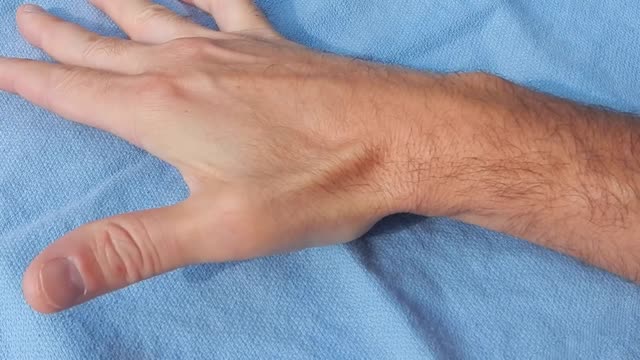

Tenosynovitis is inflammation of the lining of the sheath that surrounds a tendon (the cord that joins muscle to bone).

Bacterial vaginosis is a type of vaginal inflammation caused by the overgrowth of bacteria naturally found in the vagina, which upsets the natural balance. Women in their reproductive years are most likely to get bacterial vaginosis, but it can affect women of any age. The cause isn't completely understood, but certain activities, such as unprotected sex or frequent douching, increase your risk.
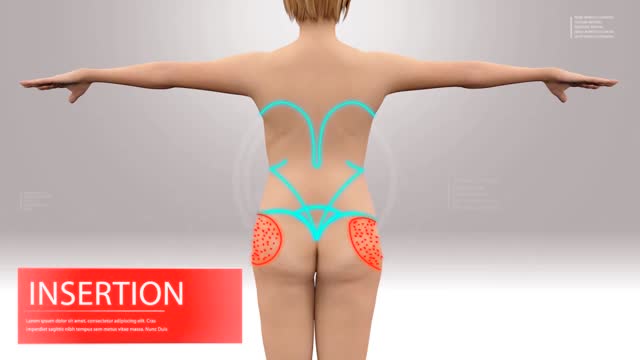
Liposuction & Facelift
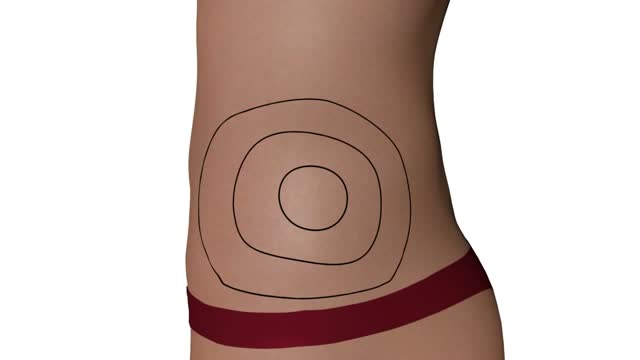
Questo Video 3D illustra la tecnica della Microlipocavitazione: sistema chirurgico ad ultrasuoni per ottenere l'emulsione del grasso in eccesso da eliminare. La Microlipocavitazione è una tecnica di chirurgia ambulatoriale, che richiede una modesta anestesia locale con un recupero delle proprie attività pressoché immediato.

LSD is one of the most potent, mood-changing chemicals. It is manufactured from lysergic acid, which is found in the ergot fungus that grows on rye and other grains. It is produced in crystal form in illegal laboratories, mainly in the United States. These crystals are converted to a liquid for distribution. It is odorless, colorless, and has a slightly bitter taste.
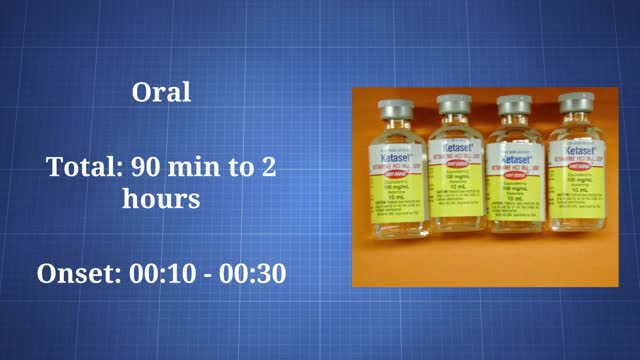
Inducing anesthesia (lack of sensation or feeling) before surgery or certain procedures that do not require skeletal muscle relaxation. It may also be used for other conditions as determined by your doctor.
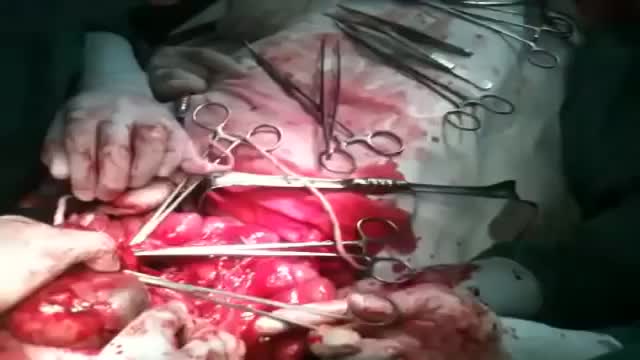
Mesenteric cyst is one of the rarest abdominal tumours, with approximately 820 cases reported since 1507. The incidence varies from 1 per 100,000 to 250,000 admissions. The lack of characteristic clinical features and radiological signs may present great diagnostic difficulties.

knife spoon and toothbrush removed from stomach
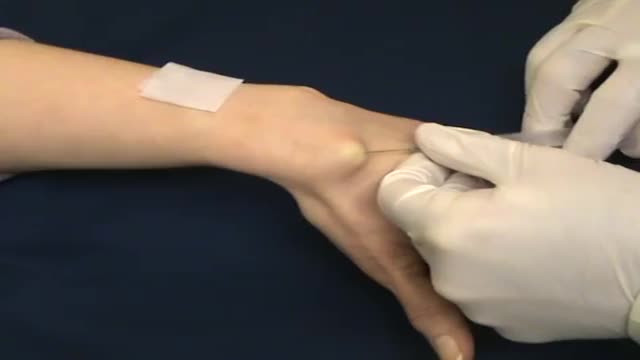
A nonsurgical method of treating a ganglion is to drain the fluid from (aspirate) the ganglion sac. Your doctor can do this in the office using the following procedure: The ganglion area is cleaned with an antiseptic solution. A local anesthetic is injected into the ganglion area to numb the area. When the area is numb, the ganglion sac is punctured with a sterile needle. The fluid is drawn out of the ganglion sac. The ganglion collapses. A bandage and, in some cases, a splint are used for a few days to limit movement and prevent the ganglion sac from filling again. Treating a ganglion by draining the fluid with a needle may not work because the ganglion sac remains intact and can fill again, causing the ganglion to return. For this reason, your doctor may puncture the sac with the needle 3 or 4 times so the sac will collapse completely. Even then, the ganglion is likely to come back.
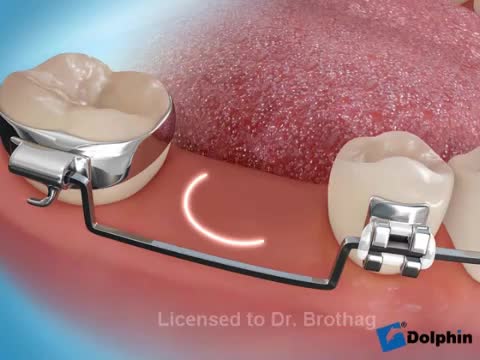
Aim: To detail two different clinical protocols and case studies using mini-implant anchorage developed to respond to certain clinical conditions. Methods: Two clinical protocols are described to upright mesially tilted mandibular molars. In the first protocol, a single mini-implant is inserted distally to the molar to be uprighted, and an elastic traction chain is applied to the tooth. In the second clinical approach, two mini-implants are inserted mesially. A screw-suspended TMA sectional archwire is applied (Derton-Perini technique). Two cases, descriptive of the two different treatment protocols, are described. In the first case, the mandibular right second premolar was missing and the adjacent first molar needed to be uprighted. A single screw was inserted distally to the first molar, and an elastic chain was applied. In the second case, the mandibular left second molar was missing and the third molar needed to be uprighted. Two mini-implants were inserted mesially and a fully screw-supported sectional archwire was used to upright and bodily mesialize the third molar. Results: Both uprighting approaches uprighted the molar axis without loss of anchorage. Conclusion: The two approaches to mandibular molar uprighting, developed as rational responses to different clinical cases, were both found to be effective. Research paper: Mandibular molar uprighting using mini-implants: Different approaches for different clinical cases-Two case reports.. Available from: https://www.researchgate.net/publication/224920305_Mandibular_molar_uprighting_using_mini-implants_Different_approaches_for_different_clinical_cases-Two_case_reports [accessed

A blood test to measure calcium, phosphorous and vitamin D levels can usually confirm a diagnosis of rickets, although your child may also have some X-rays or possibly a bone density scan (DEXA scan). This is a type of X-ray that measures the calcium content in bones.

Very small currents can be imperceptible. Larger current passing through the body may make it impossible for a shock victim to let go of an energized object. Still larger currents can cause fibrillation of the heart and damage to tissues. Death caused by an electric shock is called electrocution.
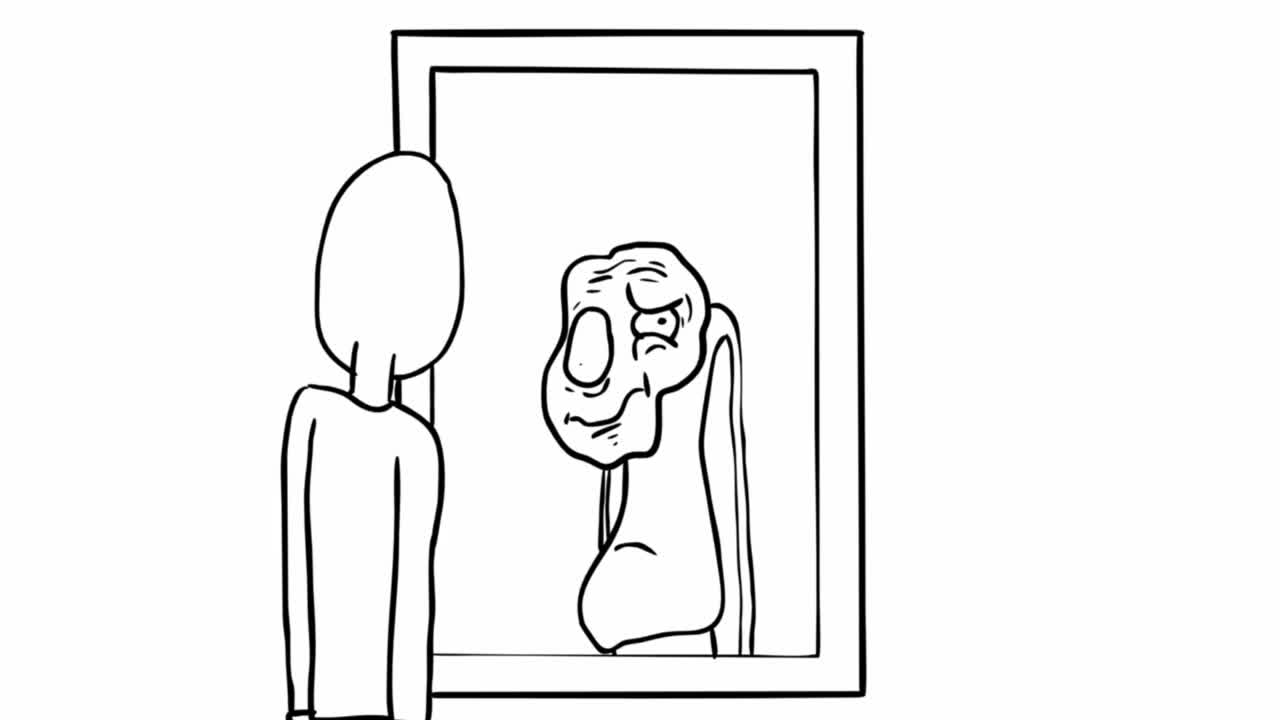
Everyone feels sad or low sometimes, but these feelings usually pass with a little time. Depression—also called “clinical depression” or a “depressive disorder”—is a mood disorder that causes distressing symptoms that affect how you feel, think, and handle daily activities, such as sleeping, eating, or working. To be diagnosed with depression, symptoms must be present most of the day, nearly every day for at least 2 weeks.

Head Cyst watch to see more
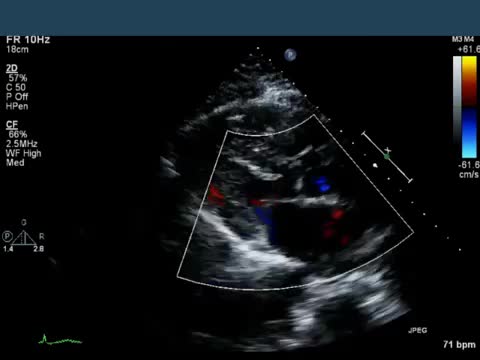
. In this video he offers a differential diagnosis for a 60-year-old woman with dyspnea and an episode of syncope.

New dental fillings could allow your teeth to heal themselves.
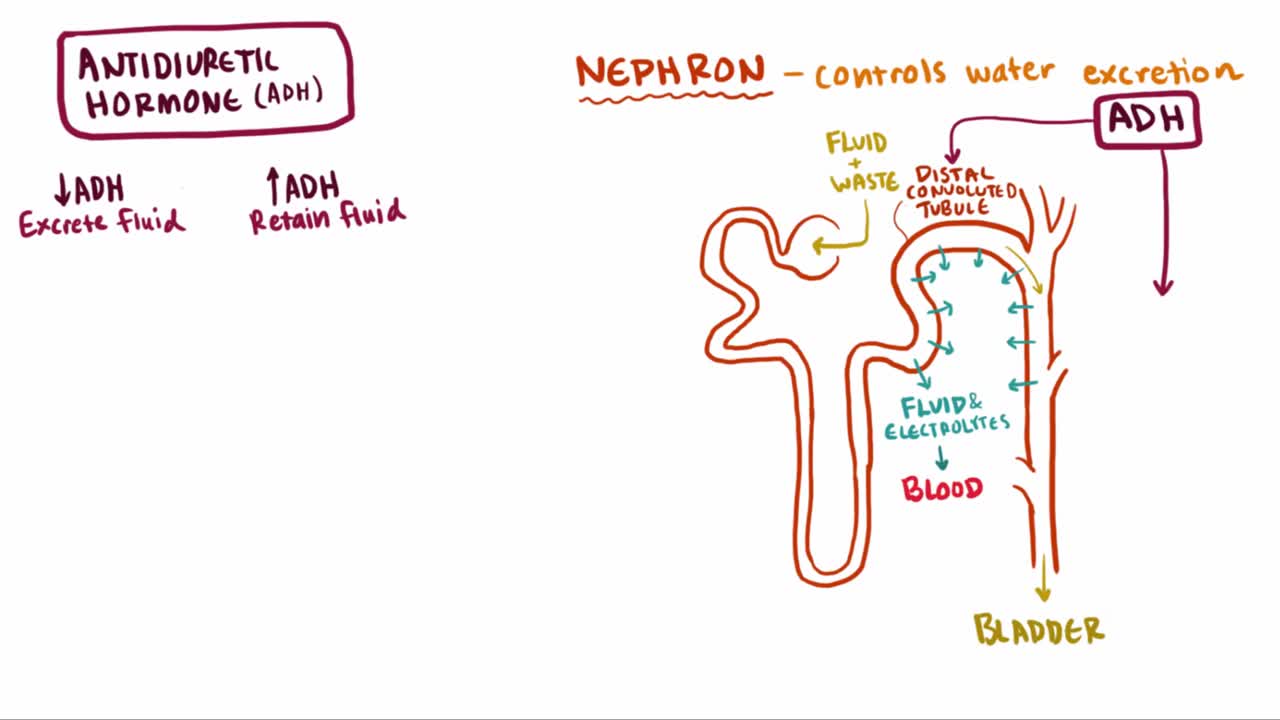
What is syndrome of inappropriate antidiuretic hormone (SIADH)? Well, SIADH is a condition where too much ADH hormone is released, which causes an increase in blood volume and ultimately leads to a series of complications related to the blood osmolality and osmolarity

Behcet's (beh-CHETS) disease, also called Behcet's syndrome, is a rare disorder that causes blood vessel inflammation throughout your body. The disease can lead to numerous signs and symptoms that may seem unrelated at first. They may include mouth sores, eye inflammation, skin rashes and lesions, and genital sores. The effects of Behcet's disease vary from person to person and may clear up on their own. Treatment involves medications to reduce the signs and symptoms of Behcet's disease and to prevent serious complications, such as blindness.
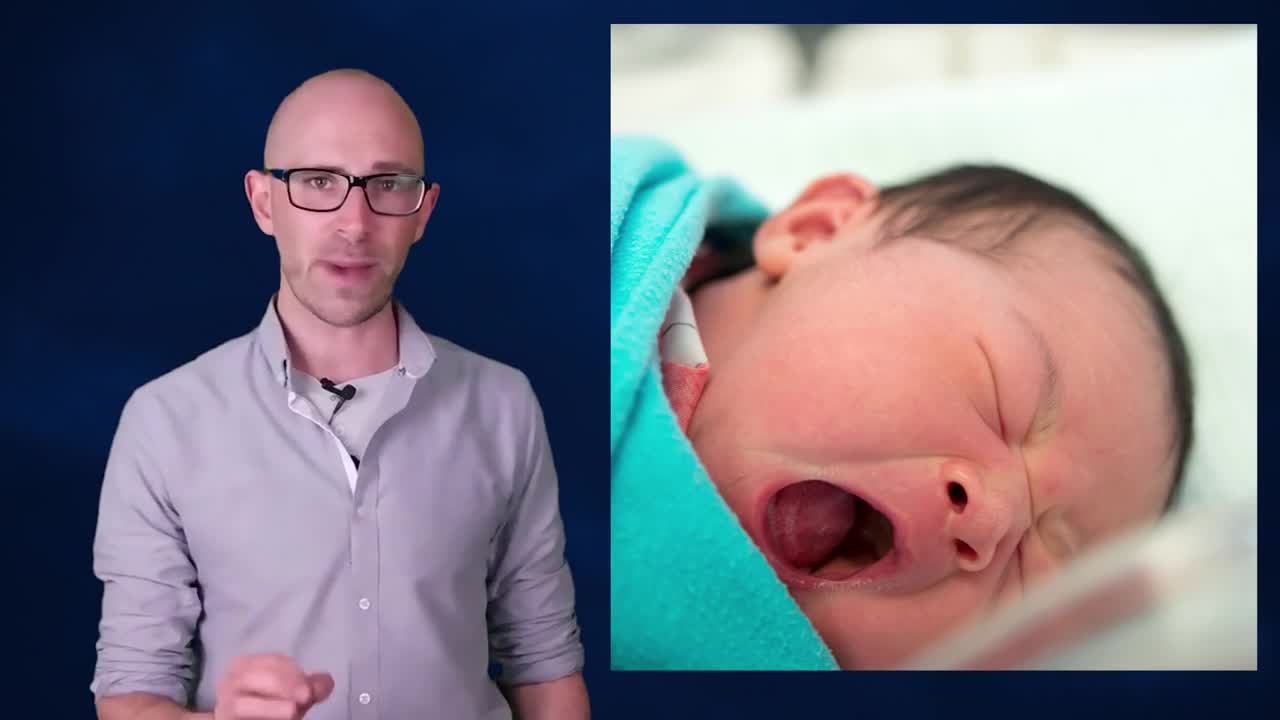
People with lactose intolerance are unable to fully digest the sugar (lactose) in milk. As a result, they have diarrhea, gas and bloating after eating or drinking dairy products. The condition, which is also called lactose malabsorption, is usually harmless, but its symptoms can be uncomfortable. A deficiency of lactase — an enzyme produced in your small intestine — is usually responsible for lactose intolerance. Many people have low levels of lactase but are able to digest milk products without problems. If you're actually lactose intolerant, though, your lactase deficiency leads to symptoms after you eat dairy foods.

CIN is a rare disorder and occurs when kidney problems are caused by the use of certain contrast dyes. In most cases contrast dyes used in tests, such as CT (computerized tomography) and angiograms, have no reported problems. About 2 percent of people receiving dyes can develop CIN. However, the risk for CIN can increase for people with diabetes, a history of heart and blood diseases, and chronic kidney disease (CKD). For example, the risk of CIN in people with advanced CKD (glomerular filtration rate (GFR) below 30 mL/min/1.73m2), increases to 30 to 40 percent. The risk of CIN in people with both CKD and diabetes is 20 to 50 percent.
