
- Physical Examination
- Surgical Examination
- Ophthalmology
- Clinical Skills
- Orthopedics
- Surgery Videos
- Laparoscopy
- Pediatrics
- Funny Videos
- Cardiothoracic Surgery
- Nursing Videos
- Plastic Surgery
- Otorhinolaryngology
- Histology and Histopathology
- Neurosurgery
- Dermatology
- Pediatric Surgery
- Urology
- Dentistry
- Oncology and Cancers
- Anatomy Videos
- Health and Fitness
- Radiology
- Anaesthesia
- Physical Therapy
- Pharmacology
- Interventional Radiology
- Cardiology
- Endocrinology
- Gynecology
- Emergency Medicine
- Psychiatry and Psychology
- Childbirth Videos
- General Medical Videos
- Nephrology
- Physiology
- Diet and Food Health
- Diabetes Mellitus
- Neurology
- Women Health
- Osteoporosis
- Gastroenterology
- Pulmonology
- Hematology
- Rheumatology
- Toxicology
- Nuclear Medicine
- Infectious Diseases
- Vascular Disease
- Reproductive Health
- Burns and Wound Healing
- Other
Top videos
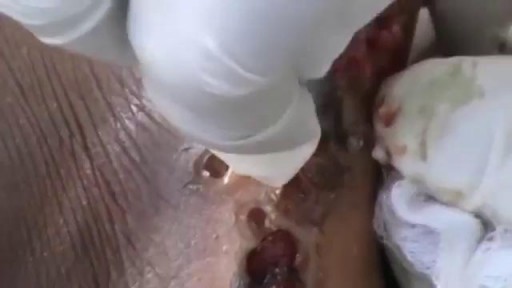

Watch that video of The Most Terrible Skin Jiggers Removal
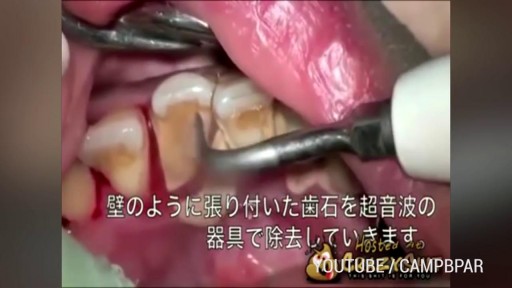
Watch that video of people should have gone to the dentist sooner
Watch that video to know What Does Happen To Your Body When You Drown?
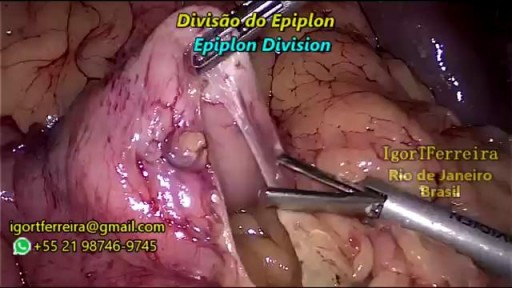
a sleeve gastrectomy with very few edditing. During the start 3 smal spleen perforations caused by Veres Needle were identified, caused by a giant spleen undentified on pre operatory ultrasound. They were controled with gauze compression and at the end of the surgery surgicel was placed and no complications were observed. Patient discharged 3 days after the surgery.
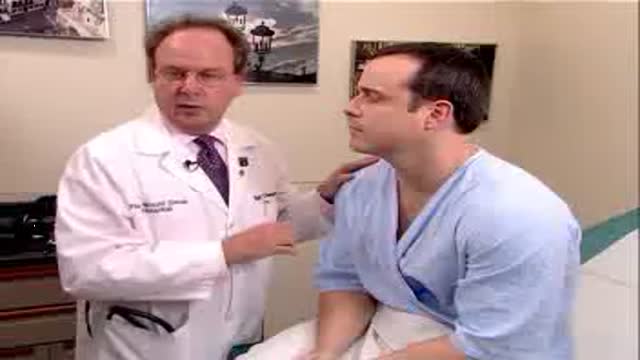
Complete clinical assessment and examination of the neck
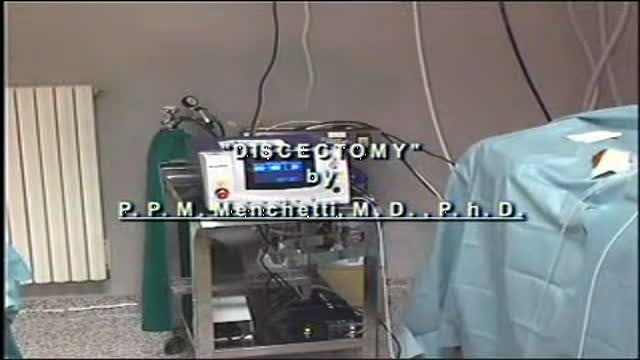
Discectomy back surgery for removal of a disc by LASER
SENSATIONAL: IMPLANT WITHOUT DRILLING AND ABSOLUTE FLAPLESS IN JUST 4 MINUTES. LIVE VIDEO video
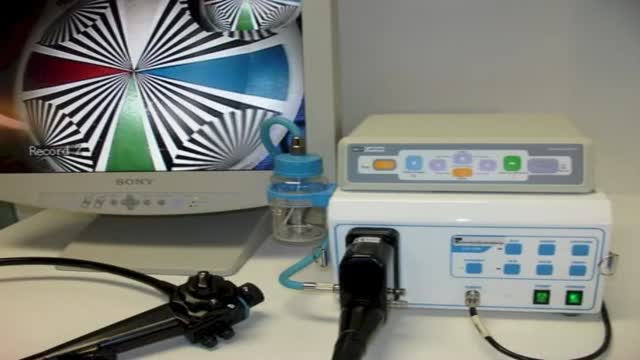
1800Endoscope.com Equine Video Endoscope Endoscopy Systems
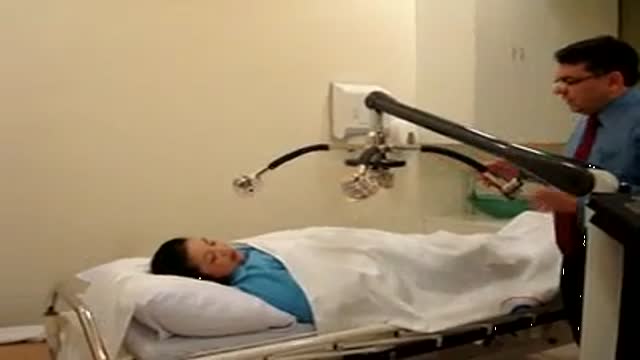
Good surgery
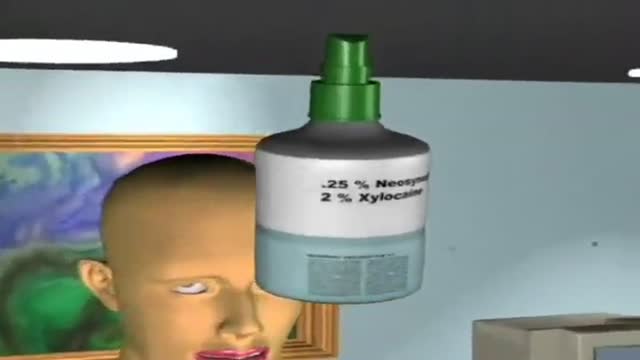
ROTIGS medical device by Honolulu inventor Dr. Brad NaPier makes airway intubations easier for medical professionals. For more info, visit www.rotigs.com
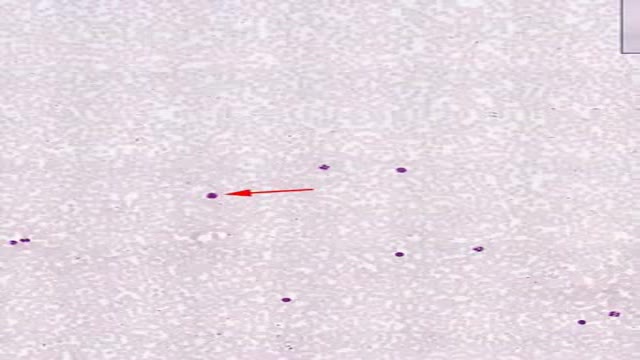
Histology of Blood Smear

Staff Communication and Interaction
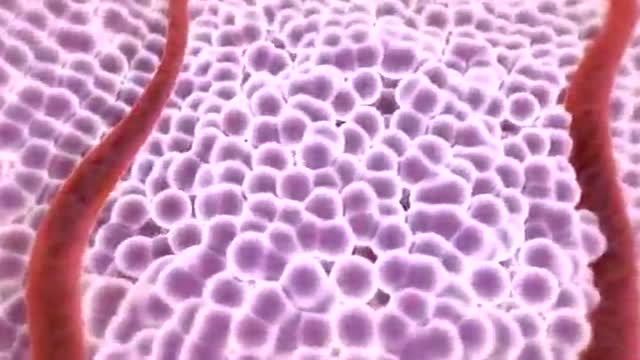
What Is Cancer
http://trypnauralmeditation.plus101.com
---Join-Now Trypnaural Meditation System. Trypnaural meditation is a breakthrough meditation technology designed to stimulate your natural production of tryptamines; serotonin, melatonin and D.M.T so you can benefit from deeper sleep, improved mood, increased mind power, better health, creativity and intuition.
Join, Now, Trypnaural, Meditation, System, brainwave, entrainment, theta, alpha, mind, lucid,dreams, relaxation, creativity, awaken, kaleidoscope, mandala, healing, brainsync, deepmeditation, holosync, dmt, serotonin, melatonin, deep sleep, insomnia, depression, pineal gland, third eye, psychedelic, terence, mckenna, mushrooms, ayahuasca
Taking the guesswork out of insulin management with new advancements.
Abnehmen Schnell, Bauchfett Weg, Fettabbau, Schnell Abnehmen Tipps, Schnell Und Gesund Abnehmen
http://fettverbrennung.good-info.co
Einfache Tipps mit denen Sie Fett abnehmen können
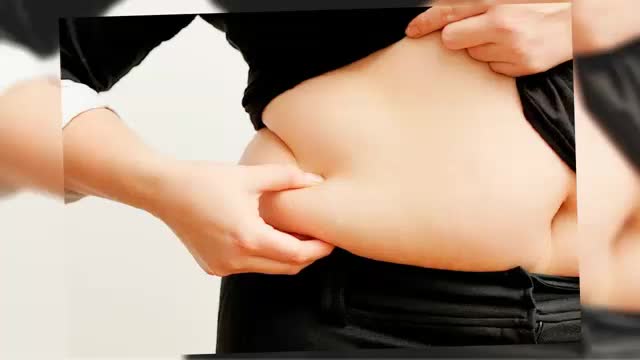
Es sollte nicht so schwer sein Fett abzunehmen, wie andere Leute es hinstellen. Die Leute, die verzweifelt versuchen Fett abzunehmen, sind meistens dazu geneigt, mehr Risiko einzugehen(genau das versuche ich bei Ihnen zu vermeiden).
Die Wahrheit ist, dass Sie mit einigen einfachen Regeln, ernsthaft damit vorankommen können, Fett abzunehmen, ohne viel Anstrengung. Patienten kommen ganz oft zu mir und fragen mich nach einigen Tipps, mit denen man ganz schnell abnehmen kann.
Klicken Sie auf den Link unten, um es auszuprobieren
http://fettverbrennung.good-info.co
Abonnieren Sie unseren Kanal
https://www.youtube.com/watch?v=cF5gy-IrGrg
Abnehmen Schnell, Bauchfett Weg, Fettabbau, Schnell Abnehmen Tipps, Schnell Und Gesund Abnehmen,
tricks zum abnehmen,
abnehmen wie die stars,
2 kilo abnehmen,
sportübungen zum abnehmen,
nahrungsergänzungsmittel zum abnehmen,
aminosäuren zum abnehmen,
ohne sport abnehmen,
die abnehm lösung,
shake zum abnehmen,
die besten abnehmtipps,
abnehmen tee,
schnell 10 kg abnehmen,
extrem schnell abnehmen,
bauchumfang verlieren,

Laser lipo, or SmartLipo at SafeSculpt Laser Liposuction is the most advanced method for removing unwanted areas of fat from the body.
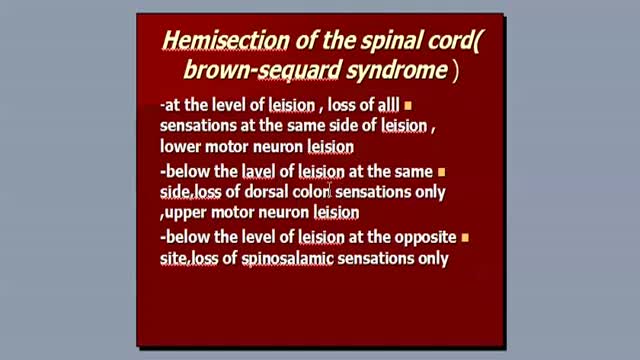
Brown-Séquard syndrome is an incomplete spinal cord lesion characterized by a clinical picture reflecting hemisection injury of the spinal cord, often in the cervical cord region. (See Presentation.) Patients with Brown-Séquard syndrome suffer from ipsilateral upper motor neuron paralysis and loss of proprioception, as well as contralateral loss of pain and temperature sensation. A zone of partial preservation or segmental ipsilateral lower motor neuron weakness and analgesia may be noted. Loss of ipsilateral autonomic function can result in Horner syndrome. (See Etiology, Presentation, and Workup.) As an incomplete spinal cord syndrome, the clinical presentation of Brown-Séquard syndrome may range from mild to severe neurologic deficit. (See Presentation.) Brown-Séquard–plus syndrome The pure Brown-Séquard syndrome reflecting hemisection of the cord is not often observed. A clinical picture composed of fragments of the syndrome or of the hemisection syndrome plus additional symptoms and signs is more common. These less-pure forms of the disorder are often referred to as Brown-Séquard–plus syndrome.[1] Interruption of the lateral corticospinal tracts, the lateral spinal thalamic tract, and at times the posterior columns produces a picture of a spastic, weak leg with brisk reflexes and a strong leg with loss of pain and temperature sensation. Note that spasticity and hyperactive reflexes may not be present with an acute lesion.
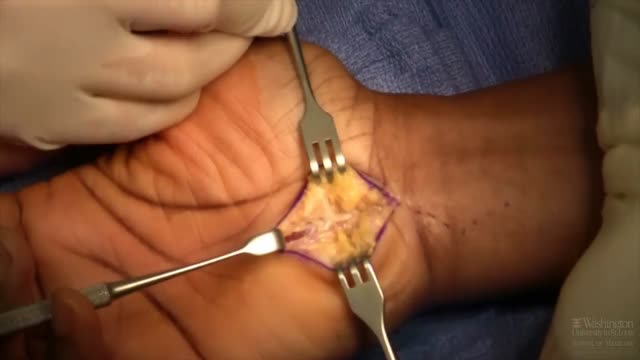
Carpal tunnel syndrome is a hand and arm condition that causes numbness, tingling and other symptoms. Carpal tunnel syndrome is caused by a pinched nerve in your wrist. A number of factors can contribute to carpal tunnel syndrome, including the anatomy of your wrist, certain underlying health problems and possibly patterns of hand use. Bound by bones and ligaments, the carpal tunnel is a narrow passageway located on the palm side of your wrist. This tunnel protects a main nerve to your hand and the nine tendons that bend your fingers. Compression of the nerve produces the numbness, tingling and, eventually, hand weakness that characterize carpal tunnel syndrome.
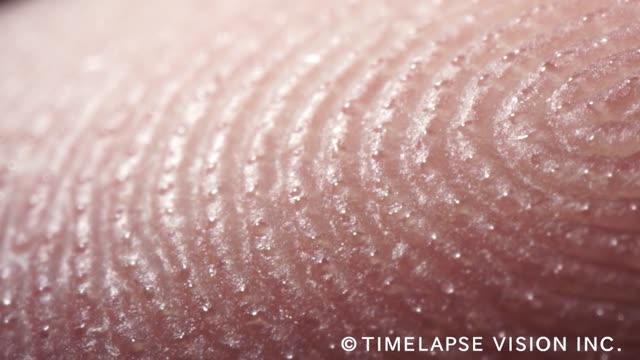
fingerprints and sweat glands
