
- Physical Examination
- Surgical Examination
- Ophthalmology
- Clinical Skills
- Orthopedics
- Surgery Videos
- Laparoscopy
- Pediatrics
- Funny Videos
- Cardiothoracic Surgery
- Nursing Videos
- Plastic Surgery
- Otorhinolaryngology
- Histology and Histopathology
- Neurosurgery
- Dermatology
- Pediatric Surgery
- Urology
- Dentistry
- Oncology and Cancers
- Anatomy Videos
- Health and Fitness
- Radiology
- Anaesthesia
- Physical Therapy
- Pharmacology
- Interventional Radiology
- Cardiology
- Endocrinology
- Gynecology
- Emergency Medicine
- Psychiatry and Psychology
- Childbirth Videos
- General Medical Videos
- Nephrology
- Physiology
- Diet and Food Health
- Diabetes Mellitus
- Neurology
- Women Health
- Osteoporosis
- Gastroenterology
- Pulmonology
- Hematology
- Rheumatology
- Toxicology
- Nuclear Medicine
- Infectious Diseases
- Vascular Disease
- Reproductive Health
- Burns and Wound Healing
- Other
Top videos
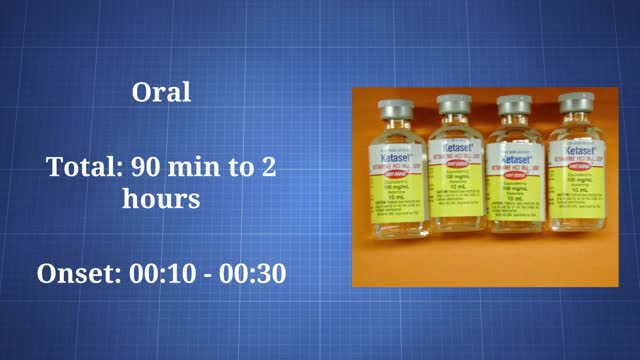

Inducing anesthesia (lack of sensation or feeling) before surgery or certain procedures that do not require skeletal muscle relaxation. It may also be used for other conditions as determined by your doctor.
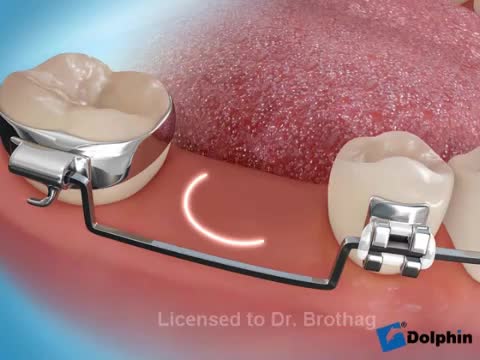
Aim: To detail two different clinical protocols and case studies using mini-implant anchorage developed to respond to certain clinical conditions. Methods: Two clinical protocols are described to upright mesially tilted mandibular molars. In the first protocol, a single mini-implant is inserted distally to the molar to be uprighted, and an elastic traction chain is applied to the tooth. In the second clinical approach, two mini-implants are inserted mesially. A screw-suspended TMA sectional archwire is applied (Derton-Perini technique). Two cases, descriptive of the two different treatment protocols, are described. In the first case, the mandibular right second premolar was missing and the adjacent first molar needed to be uprighted. A single screw was inserted distally to the first molar, and an elastic chain was applied. In the second case, the mandibular left second molar was missing and the third molar needed to be uprighted. Two mini-implants were inserted mesially and a fully screw-supported sectional archwire was used to upright and bodily mesialize the third molar. Results: Both uprighting approaches uprighted the molar axis without loss of anchorage. Conclusion: The two approaches to mandibular molar uprighting, developed as rational responses to different clinical cases, were both found to be effective. Research paper: Mandibular molar uprighting using mini-implants: Different approaches for different clinical cases-Two case reports.. Available from: https://www.researchgate.net/publication/224920305_Mandibular_molar_uprighting_using_mini-implants_Different_approaches_for_different_clinical_cases-Two_case_reports [accessed

A blood test to measure calcium, phosphorous and vitamin D levels can usually confirm a diagnosis of rickets, although your child may also have some X-rays or possibly a bone density scan (DEXA scan). This is a type of X-ray that measures the calcium content in bones.
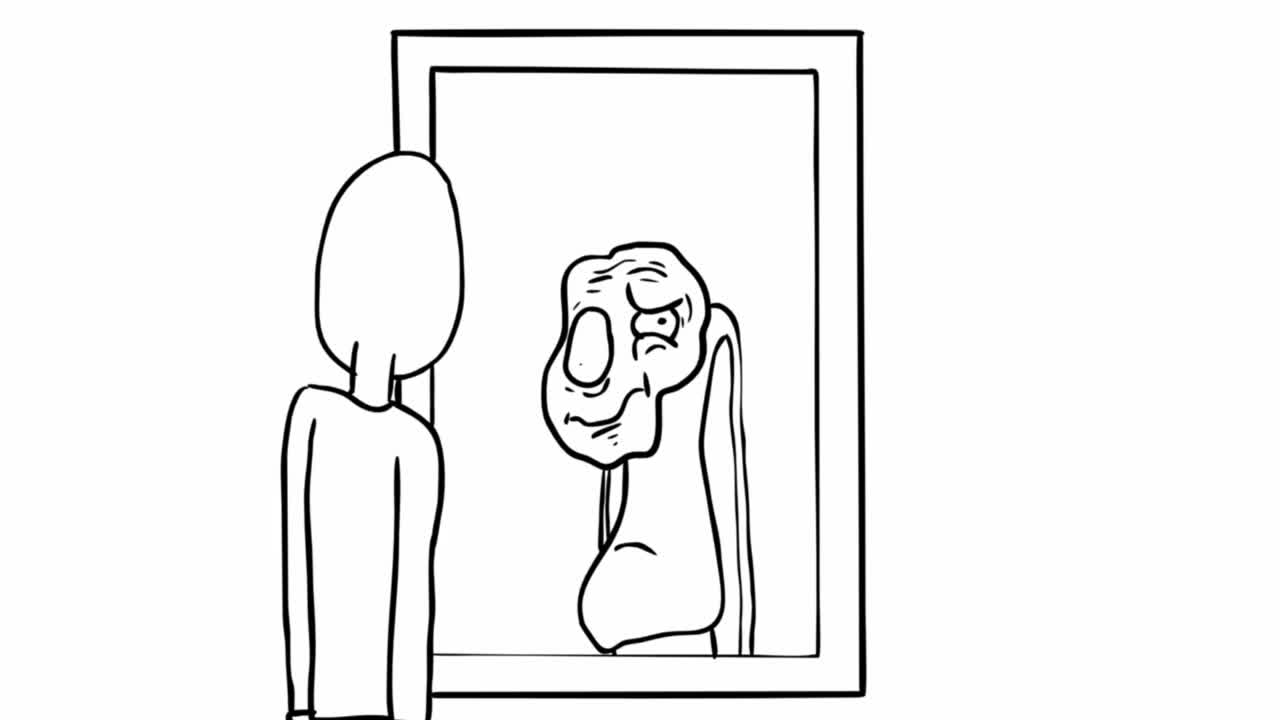
Everyone feels sad or low sometimes, but these feelings usually pass with a little time. Depression—also called “clinical depression” or a “depressive disorder”—is a mood disorder that causes distressing symptoms that affect how you feel, think, and handle daily activities, such as sleeping, eating, or working. To be diagnosed with depression, symptoms must be present most of the day, nearly every day for at least 2 weeks.
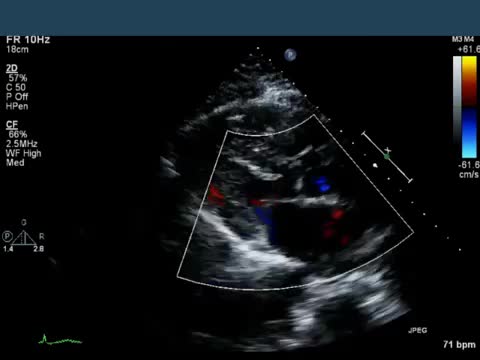
. In this video he offers a differential diagnosis for a 60-year-old woman with dyspnea and an episode of syncope.
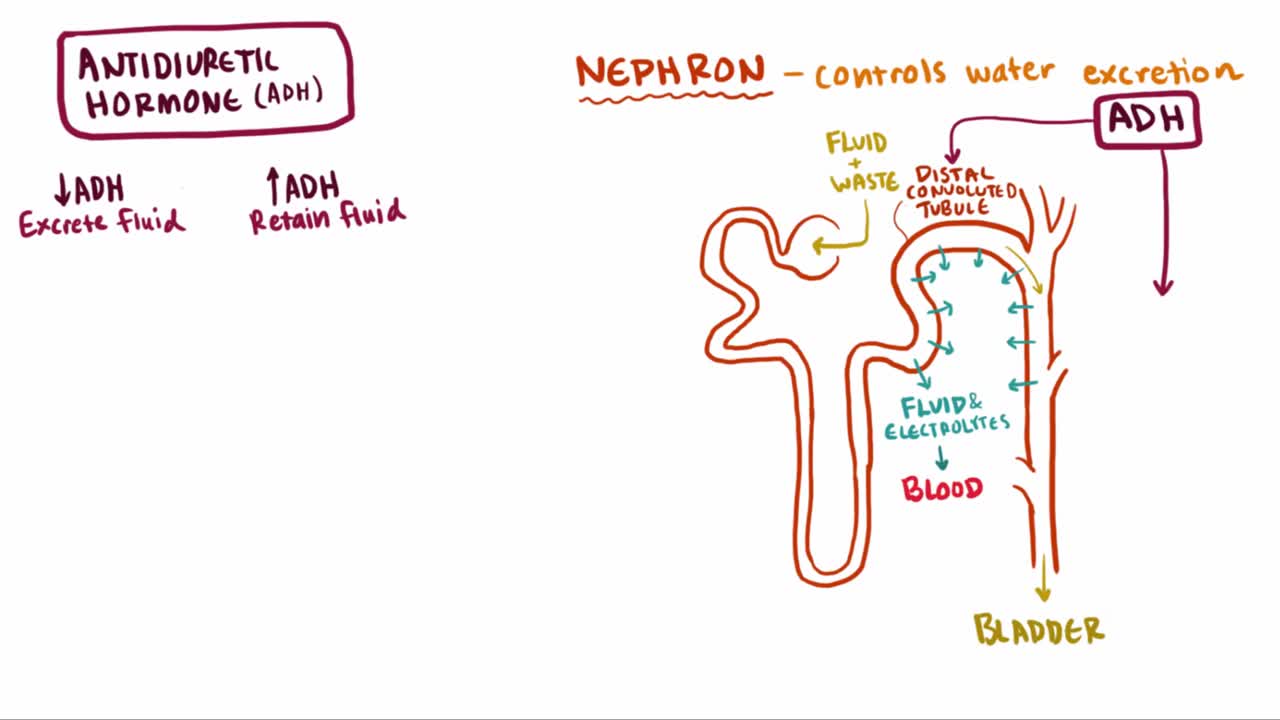
What is syndrome of inappropriate antidiuretic hormone (SIADH)? Well, SIADH is a condition where too much ADH hormone is released, which causes an increase in blood volume and ultimately leads to a series of complications related to the blood osmolality and osmolarity
Behcet's (beh-CHETS) disease, also called Behcet's syndrome, is a rare disorder that causes blood vessel inflammation throughout your body. The disease can lead to numerous signs and symptoms that may seem unrelated at first. They may include mouth sores, eye inflammation, skin rashes and lesions, and genital sores. The effects of Behcet's disease vary from person to person and may clear up on their own. Treatment involves medications to reduce the signs and symptoms of Behcet's disease and to prevent serious complications, such as blindness.
People with lactose intolerance are unable to fully digest the sugar (lactose) in milk. As a result, they have diarrhea, gas and bloating after eating or drinking dairy products. The condition, which is also called lactose malabsorption, is usually harmless, but its symptoms can be uncomfortable. A deficiency of lactase — an enzyme produced in your small intestine — is usually responsible for lactose intolerance. Many people have low levels of lactase but are able to digest milk products without problems. If you're actually lactose intolerant, though, your lactase deficiency leads to symptoms after you eat dairy foods.
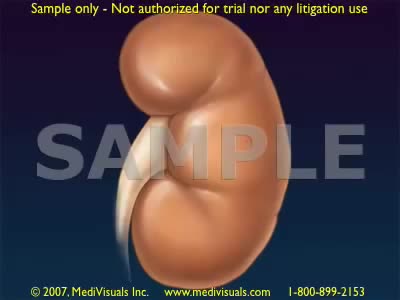
CIN is a rare disorder and occurs when kidney problems are caused by the use of certain contrast dyes. In most cases contrast dyes used in tests, such as CT (computerized tomography) and angiograms, have no reported problems. About 2 percent of people receiving dyes can develop CIN. However, the risk for CIN can increase for people with diabetes, a history of heart and blood diseases, and chronic kidney disease (CKD). For example, the risk of CIN in people with advanced CKD (glomerular filtration rate (GFR) below 30 mL/min/1.73m2), increases to 30 to 40 percent. The risk of CIN in people with both CKD and diabetes is 20 to 50 percent.

Lewy body dementia, also known as dementia with Lewy bodies, is the second most common type of progressive dementia after Alzheimer's disease dementia. Protein deposits, called Lewy bodies, develop in nerve cells in the brain regions involved in thinking, memory and movement (motor control). Lewy body dementia causes a progressive decline in mental abilities. People with Lewy body dementia may experience visual hallucinations, and changes in alertness and attention. Other effects include Parkinson's disease-like symptoms such as rigid muscles, slow movement and tremors.

The brain is the most complex organ in our body. It controls everything we do, from simple things such as breathing, to complex things such as co-ordinating our movements. The brain stores our memories, allows us to think and speak, and controls how we behave
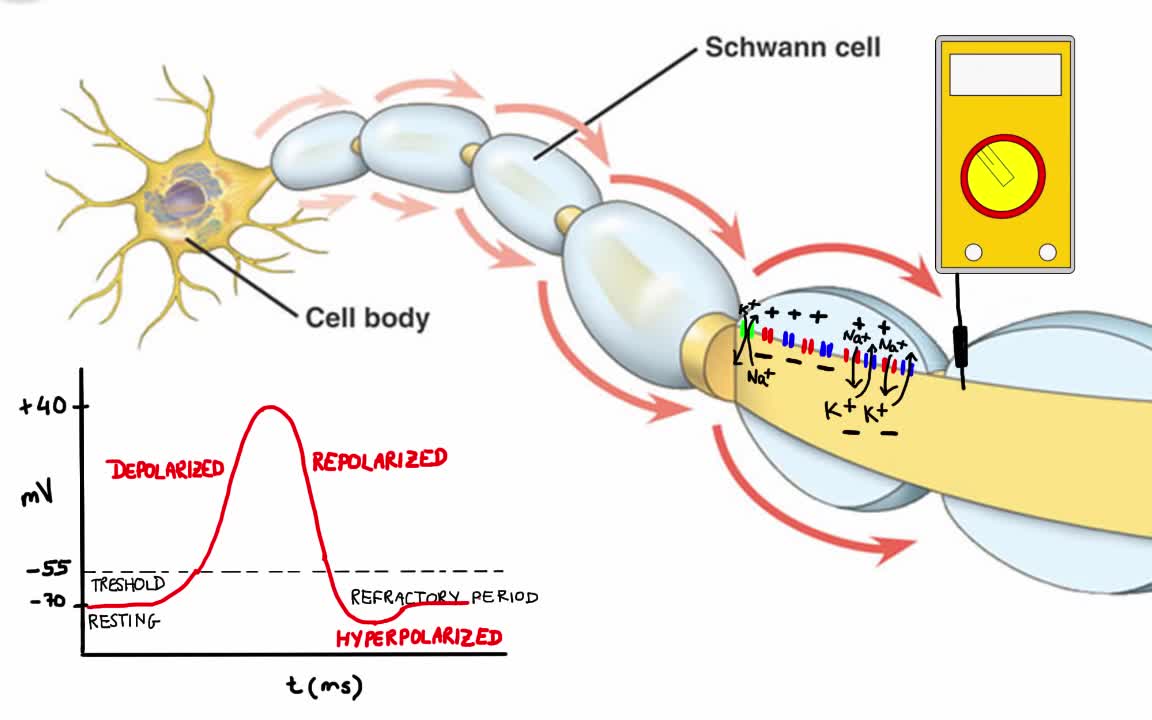
Your body has nerves that connect your brain to the rest of your organs and muscles, just like telephone wires connect homes all around the world. When you want your hand to move, your brain sends signals through your nerves to your hand telling the muscles to contract. But your nerves don’t just say “hand, move.” Instead your nerves send lots of electrical impulses (called action potentials) to different muscles in your hand, allowing you to move your hand with extreme precision.
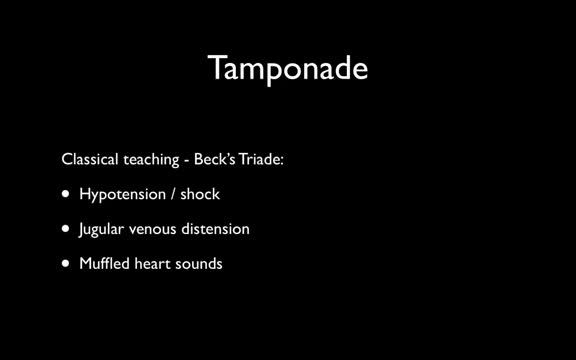
Cardiac tamponade is a medical emergency that requires urgent drainage of the pericardial fluid. Preferably, patients should be monitored in an intensive care unit. All patients should receive the following: Oxygen Volume expansion with blood, plasma, dextran, or isotonic sodium chloride solution, as necessary, to maintain adequate intravascular volume - Sagristà-Sauleda et al noted significant increase in cardiac output after volume expansion [24] (see the Cardiac Output calculator) Bed rest with leg elevation - This may help increase venous return Positive-pressure mechanical ventilation should be avoided because it may decrease venous return and aggravate signs and symptoms of tamponade. Inpatient care After pericardiocentesis, leave the intrapericardial catheter in place after securing it to the skin using sterile procedure and attaching it to a closed drainage system via a 3-way stopcock. Periodically check for reaccumulation of fluid, and drain as needed. The catheter can be left in place for 1-2 days and can be used for pericardiocentesis. Serial fluid cell counts can be useful for helping to discover an impending bacterial catheter infection, which could be catastrophic. If the white blood cell (WBC) count rises significantly, the pericardial catheter must be removed immediately. A Swan-Ganz catheter can be left in place for continuous monitoring of hemodynamics and to assess the effect of reaccumulation of pericardial fluid. A repeat echocardiogram and a repeat chest radiograph should be performed within 24 hours.
This is a demonstration of the scapula manipulation method of relocating a dislocated shoulder

Multiple studies demonstrate the safety of propofol in pediatric EDPS. Each has identified a drop in blood pressure and transient hypoxemia as the most frequent complications. In all of the studies in which hypotension was identified there was no evidence of poor perfusion. The hypoxemia in all of these studies quickly responded to minimal intervention with no apparent lasting complications. Although these were pediatric studies, the results were very similar to ours in complication rates and sedation times. Our study did not demonstrate the frequency of decreased blood pressure seen in these pediatric studies but had similar hypoxemia rates.

Womens Issues and Blood Clotting
This video show the steps in a total parotidectomy with VII nerve preservation. The patient had a malignant parotid tumor without VII nerve compromise.
Chronic mesenteric ischemia (CMI) usually results from long-standing atherosclerotic disease of 2 or more mesenteric vessels. [1] Other nonatheromatous causes of CMI include the vasculitides, such as Takayasu arteritis. Symptoms are caused by the gradual reduction in blood flow to the intestine. [2] (See Presentation.) In 1958, Shaw and Maynard described the first thromboendarterectomy of the superior mesenteric artery (SMA) for the treatment of both acute mesenteric ischemia (AMI) and CMI. Several other surgical procedures have since been attempted, ranging from reimplantation of the visceral branch into the adjacent aorta to using an autogenous vein graft. In 1972, Stoney and Wylie introduced transaortic visceral thromboendarterectomy and aortovisceral bypass, which have proved to be highly effective techniques.
Comprehensive Cancer Center, provides definitions and terms used in cancer diagnosis and treatment. He explores the process of diagnosis from biopsies to imaging and how staging is established. He also discusses the multimodality approach to treatment which typically includes surgical oncology, medical oncology and radiation oncology. Series: "UCSF Osher Center for Integrative Medicine presents Mini Medical School for the Public
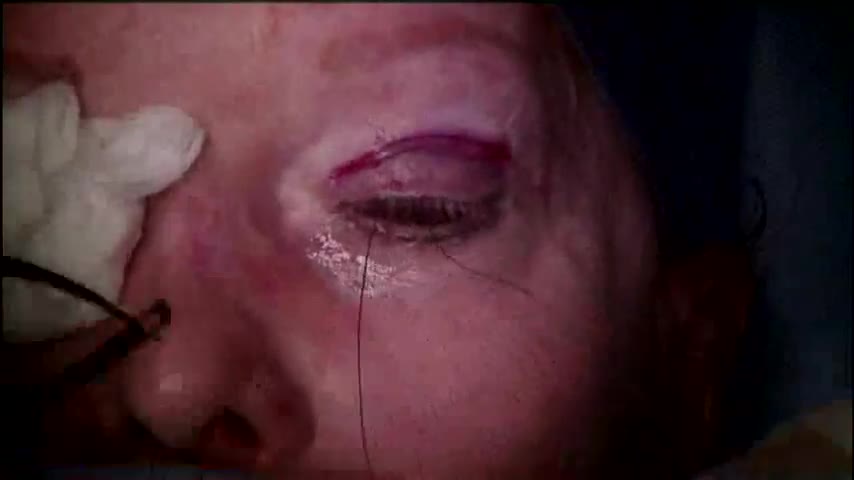
Performed by Kami Parsa M.D. Patient is a 55 year old with a history of previous upper eyelid blepharoplasty with excessive skin removed from both upper eyelids which resulted in bilateral lagophthalmos. Patient could not close her eyes and had problems with severe dry eyes.
