
- Physical Examination
- Surgical Examination
- Ophthalmology
- Clinical Skills
- Orthopedics
- Surgery Videos
- Laparoscopy
- Pediatrics
- Funny Videos
- Cardiothoracic Surgery
- Nursing Videos
- Plastic Surgery
- Otorhinolaryngology
- Histology and Histopathology
- Neurosurgery
- Dermatology
- Pediatric Surgery
- Urology
- Dentistry
- Oncology and Cancers
- Anatomy Videos
- Health and Fitness
- Radiology
- Anaesthesia
- Physical Therapy
- Pharmacology
- Interventional Radiology
- Cardiology
- Endocrinology
- Gynecology
- Emergency Medicine
- Psychiatry and Psychology
- Childbirth Videos
- General Medical Videos
- Nephrology
- Physiology
- Diet and Food Health
- Diabetes Mellitus
- Neurology
- Women Health
- Osteoporosis
- Gastroenterology
- Pulmonology
- Hematology
- Rheumatology
- Toxicology
- Nuclear Medicine
- Infectious Diseases
- Vascular Disease
- Reproductive Health
- Burns and Wound Healing
- Other
Top videos
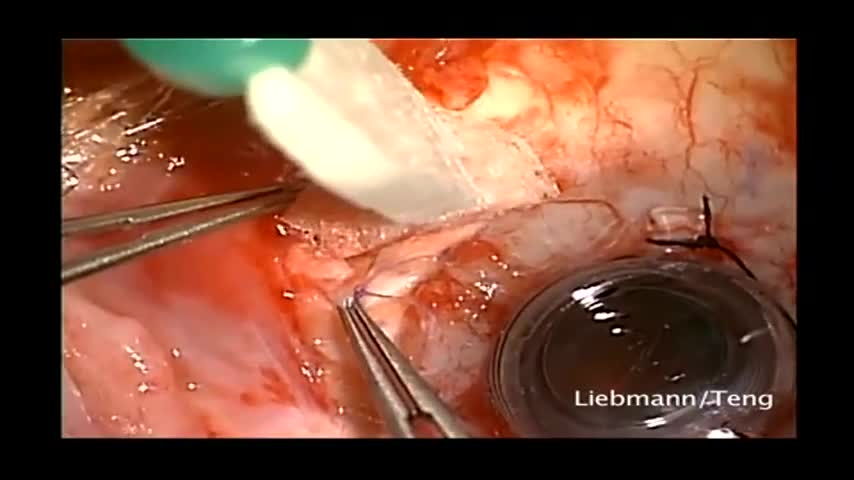

This patient had a history of herpes and had a previous corneal transplant that subsequently became opacified. There was also a previous Baerveldt implant placed into the anterior chamber. This surgery consists of Baerveldt tube being moved from the anterior chamber to posterior chamber, removal of failed graft, placement of temporary keratoprosthesis, pars plana vitectomy and corneal transplant. Jeffrey Liebmann, MD. Mark Speaker, MD. Uri Shabto, MD. Christopher Teng, MD.
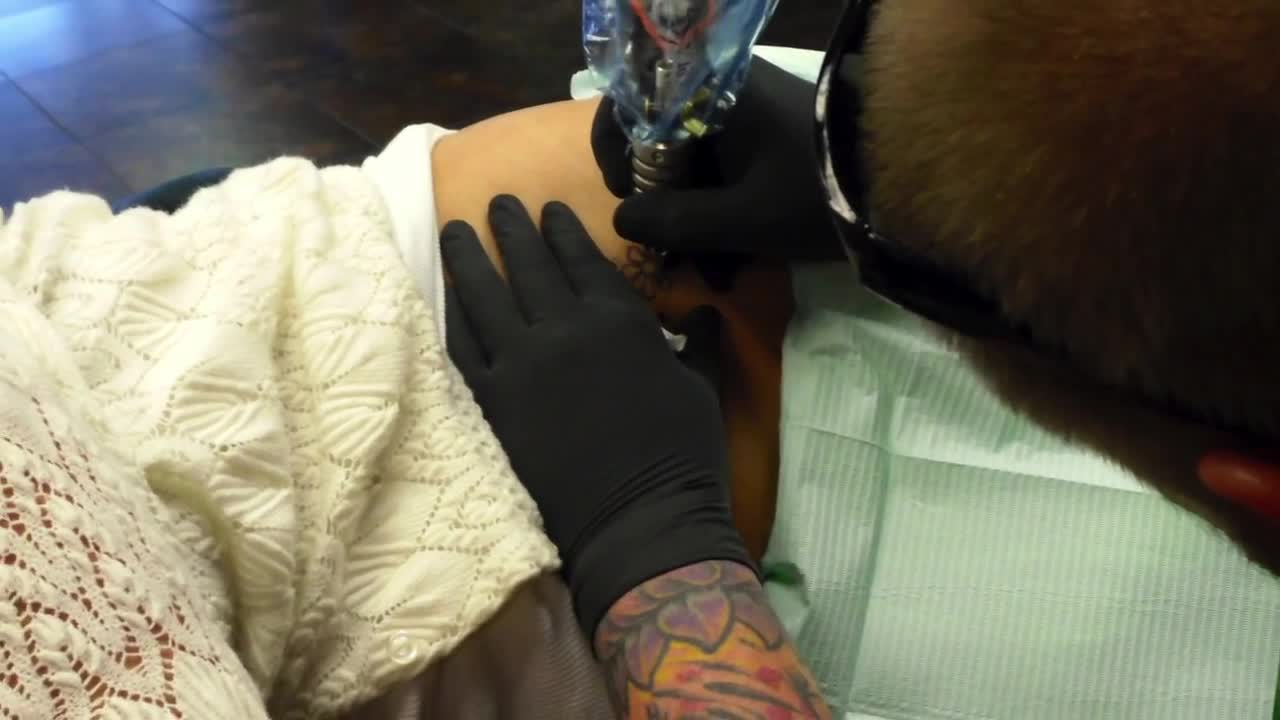
Famous Faces With Hepatitis C You share needles and other equipment used to inject illegal drugs. ... You had a blood transfusion or organ transplant before 1992. ... You get a shot with a needle that has infected blood on it. ... You get a tattoo or a piercing with a needle that has infected blood on it.
CMV is a common virus in the same family as herpesvirus, and it can infect anyone. CMV is spread by direct contact of body fluids, such as saliva, blood, urine, semen, vaginal fluids, and breast milk. Thus breastfeeding, blood transfusions, organ transplants, and sexual contact are possible modes of transmission. Most healthy people do not experience any symptoms when infected with CMV, and it does not pose a serious health concern. A majority of adults have antibodies consistent with past infection. Most healthy children and adults who do have symptoms will recover from CMV infection without complications and do not require antiviral treatment. However, in those with a weakened immune system, CMV can cause serious disease (retinitis, hepatitis, colitis, pneumonia, or encephalitis).
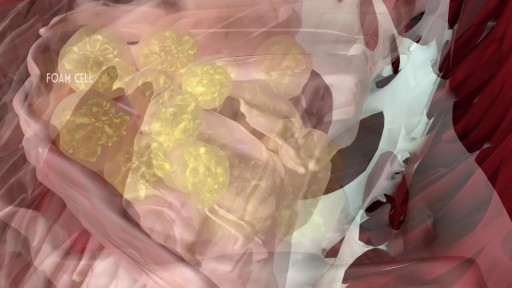
Atherosclerosis is a process in which blood, fats such as cholesterol, and other substances build up on your artery walls. Eventually, deposits called plaques may form. The deposits may narrow — or block — your arteries. These plaques can also rupture, causing a blood clot.
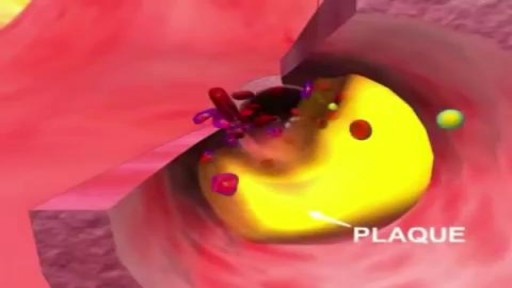
A heart attack is a frightening experience. If you have had a heart attack, or are close with someone who has, you are not alone: tens of thousands of Americans survive. As you work toward recovery, please use the following questions and answers to better understand what has happened to you and how you can help your heart heal so you can live a healthier, longer life.
This video may contain images of a medical doctor providing emergency care for a patient.
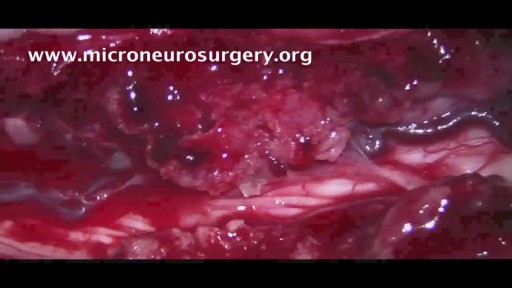
Removal of spinal cord tumor (meningioma): Spine Tumor Surgery
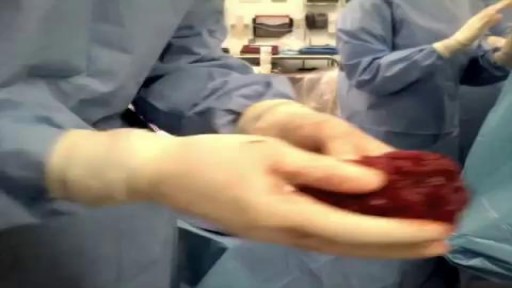
Debulking epithelial ovarian cancer. The other important goal of surgery is to remove as much of the tumor as possible − this is called debulking. Debulking is very important in any patient with ovarian cancer that has already spread widely throughout the abdomen at the time of surgery.
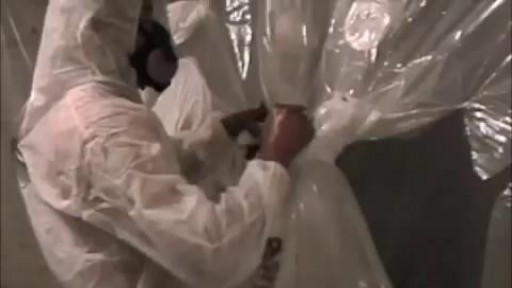
Every owner of a building where asbestos abatement activity occurs is responsible for the performance of the asbestos abatement activities by his/her agent, contractor, employee, or other representative. Each building owner is responsible for determining the amount of asbestos-containing material that may be disturbed during the course of work. The size and scope of the overall project, with particular reference to the total amount of asbestos-containing material that will be disturbed determines the reporting or filing requirements established in the Asbestos Control Program Rules. An asbestos project is defined as any form of work that will disturb more than 25 linear feet or more than 10 square feet of asbestos-containing material.
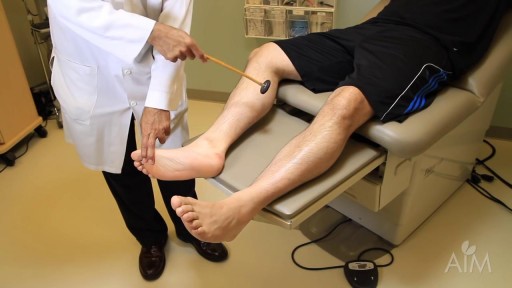
In a normal person, when a muscle tendon is tapped briskly, the muscle immediately contracts due to a two-neuron reflex arc involving the spinal or brainstem segment that innervates the muscle. The afferent neuron whose cell body lies in a dorsal root ganglion innervates the muscle or Golgi tendon organ associated with the muscles; the efferent neuron is an alpha motoneuron in the anterior horn of the cord. The cerebral cortex and a number of brainstem nuclei exert influence over the sensory input of the muscle spindles by means of the gamma motoneurons that are located in the anterior horn; these neurons supply a set of muscle fibers that control the length of the muscle spindle itself.
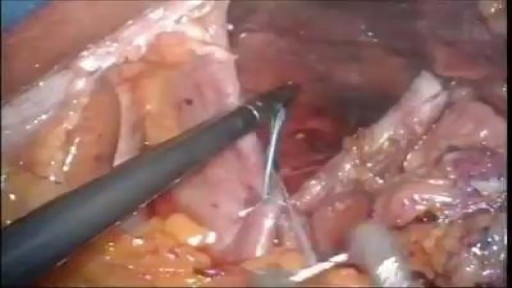
Hiatal hernias occur when contents of the abdominal cavity protrude through the esophageal hiatus of the diaphragm. Factors that contribute to the development of a hiatal hernia include an enlargement of the esophageal hiatus due to developmental defects, an increased abdominal thoracic pressure gradient, and the depletion of elastic fibers in the phrenoesophageal membrane with aging. There are four different types of hiatal hernias and management varies depending on the type. Type I, also known as a sliding hernia, is a simple displacement of the gastroesophageal junction into the thoracic cavity. The stomach remains in the abdominal cavity. This is the most common type of hiatal hernia, accounting for about 95% of all hiatal hernias. Types II-IV are classified as paraesophageal hernias. Type II occurs when the gastroesophageal junction maintains its position but the gastric fundus herniates through the diaphragmatic hiatus. Type III has both the gastroesophageal junction and the stomach herniate above the diaphragm. When more than 30% of the stomach is herniated into the thoracic cavity, it is termed a “giant” paraesophageal hernia. A patient has a type IV hernia when other organs, such as the colon, in addition to the stomach herniate above the diaphragm.
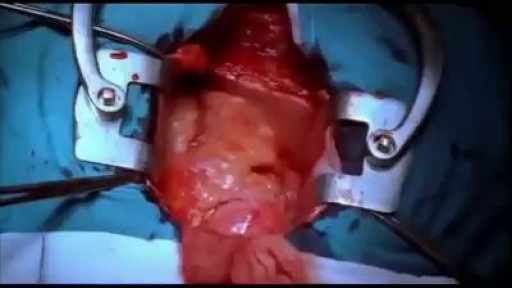
Beating Heart during surgery
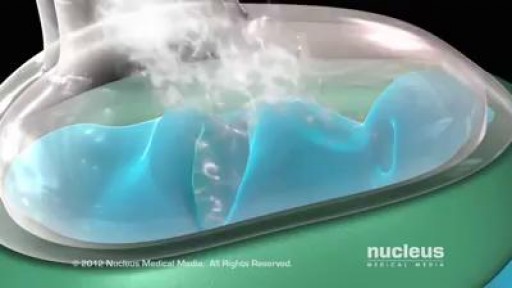
Skin Graft? Skin grafting is a surgical procedure that involves removing the skin from one area of the body and moving it, or transplanting it, to a different area of the body. This surgery may be done if a part of your body has lost its protective covering of skin due to burns, injury, or illness
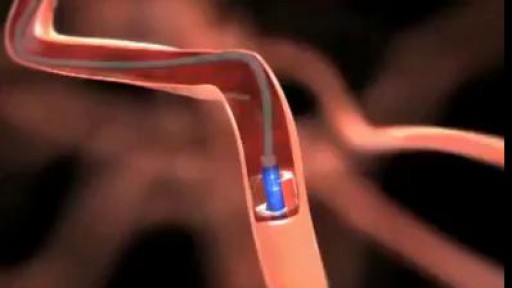
Treatment of a stroke interventionaly
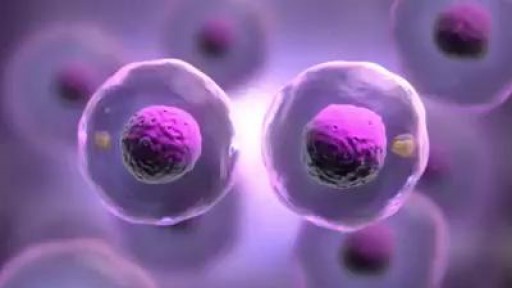
Mitosis, a process of cell duplication, or reproduction, during which one cell gives rise to two genetically identical daughter cells. Strictly applied, the term mitosis is used to describe the duplication and distribution of chromosomes, the structures that carry the genetic information.

Ways to help ensure your patients and practice get the most accurate results when measuring blood pressure.
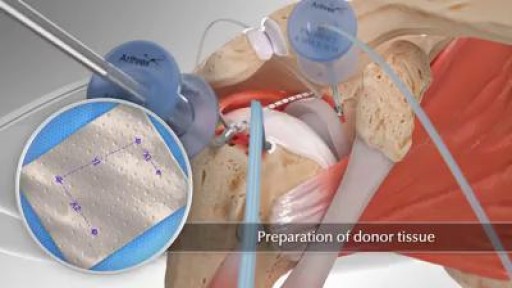
Superior capsule reconstruction (SCR) is a promising alternative treatment for irreparable posterosuperior rotator cuff tears (Figure 1). It utilizes a graft from the superior glenoid to the greater tuberosity to stabilize the humeral head. In a study by Mihata and colleagues of 23 patients who underwent SCR with a fascia lata autograft at a minimum of 2 years follow-up, the American Shoulder and Elbow Surgeons (ASES) score improved significantly from 23.5 preoperatively to 92.9. Postoperative MRI showed 83% of patients had intact reconstructions with no progression of muscle atrophy.

Reactive arthritis is a painful form of inflammatory arthritis (joint disease due to inflammation). It occurs in reaction to an infection by certain bacteria. Most often, these bacteria are in the genitals (Chlamydia trachomatis) or the bowel (Campylobacter, Salmonella, Shigella and Yersinia). Chlamydia most often transmits by sex. It often has no symptoms, but can cause a pus-like or watery discharge from the genitals. The bowel bacteria can cause diarrhea. If you develop arthritis within one month of diarrhea or a genital infection – especially with a discharge – see a health care provider. You may have reactive arthritis. - See more at: https://www.rheumatology.org/i-am-a/patient-caregiver/diseases-conditions/reactive-arthritis#sthash.PukaaQhj.dpuf
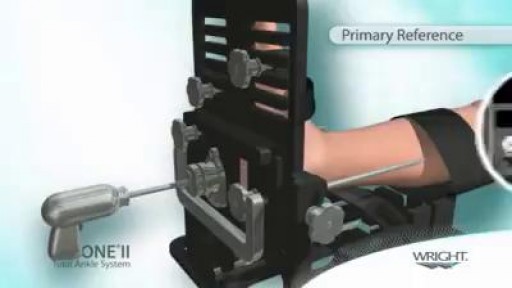
TAA is performed either under general anesthetic or nerve block. A tourniquet is used at the time of surgery to control bleeding and improve visualization during the surgery. The ankle is approached from the front or the side depending on the type of implant being used. Bone is then cut, allowing for placement of the metal and plastic components that re-create the ankle joint. Sometimes the patient will have a tight calf muscle or tight Achilles tendon that needs to be lengthened to improve range of motion of the ankle. The wounds are then closed using stitches or staples, and a splint is applied. A period of non-weightbearing in either a cast or cast boot is necessary to allow the implants to heal in place.
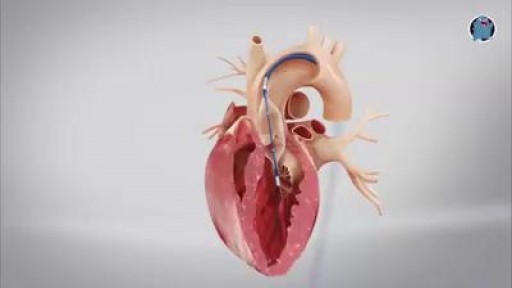
This minimally invasive surgical procedure repairs the valve without removing the old, damaged valve. Instead, it wedges a replacement valve into the aortic valve’s place. The surgery may be called a transcatheter aortic valve replacement (TAVR) or transcatheter aortic valve implantation (TAVI). Valve-within-valve — How does it work? Somewhat similar to a stent placed in an artery, the TAVR approach delivers a fully collapsible replacement valve to the valve site through a catheter. Once the new valve is expanded, it pushes the old valve leaflets out of the way and the tissue in the replacement valve takes over the job of regulating blood flow.
