
- Physical Examination
- Surgical Examination
- Ophthalmology
- Clinical Skills
- Orthopedics
- Surgery Videos
- Laparoscopy
- Pediatrics
- Funny Videos
- Cardiothoracic Surgery
- Nursing Videos
- Plastic Surgery
- Otorhinolaryngology
- Histology and Histopathology
- Neurosurgery
- Dermatology
- Pediatric Surgery
- Urology
- Dentistry
- Oncology and Cancers
- Anatomy Videos
- Health and Fitness
- Radiology
- Anaesthesia
- Physical Therapy
- Pharmacology
- Interventional Radiology
- Cardiology
- Endocrinology
- Gynecology
- Emergency Medicine
- Psychiatry and Psychology
- Childbirth Videos
- General Medical Videos
- Nephrology
- Physiology
- Diet and Food Health
- Diabetes Mellitus
- Neurology
- Women Health
- Osteoporosis
- Gastroenterology
- Pulmonology
- Hematology
- Rheumatology
- Toxicology
- Nuclear Medicine
- Infectious Diseases
- Vascular Disease
- Reproductive Health
- Burns and Wound Healing
- Other
Top videos

Integrative Physical Examination Lecture
10 Animals Found Living Inside Humans
Sexual Desire & our Eating
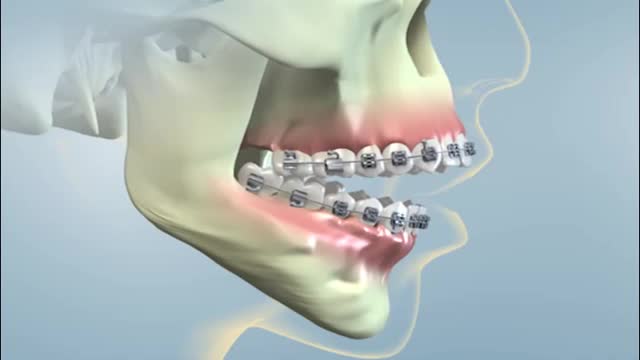
Jaw surgery, also known as orthognathic (or-thog-NATH-ik) surgery, corrects irregularities of the jaw bones and realigns the jaws and teeth to improve the way they work. Making these corrections may also improve your facial appearance. Jaw surgery may be a corrective option if you have jaw problems that can't be resolved with orthodontics alone. In most cases, you also have braces on your teeth before surgery and during recovery after surgery until healing and alignment are complete. Your orthodontist can work with your oral and jaw and face (maxillofacial) surgeon to determine your treatment plan.
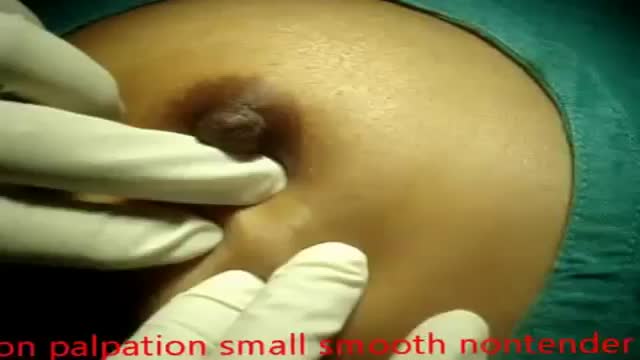
Fibroadenomas (fy-broe-ad-uh-NO-muhz) are solid, noncancerous breast tumors that occur most often in adolescent girls and women under the age of 30. You might describe a fibroadenoma as firm, smooth, rubbery or hard with a well-defined shape. Usually painless, a fibroadenoma might feel like a marble in your breast, moving easily under your skin when touched. Fibroadenomas vary in size, and they can get bigger or even shrink on their own. Fibroadenomas are among the most common breast lumps in young women. Treatment may include monitoring to detect changes in the size or feel of the fibroadenoma, a biopsy to evaluate the lump, or surgery to remove it.
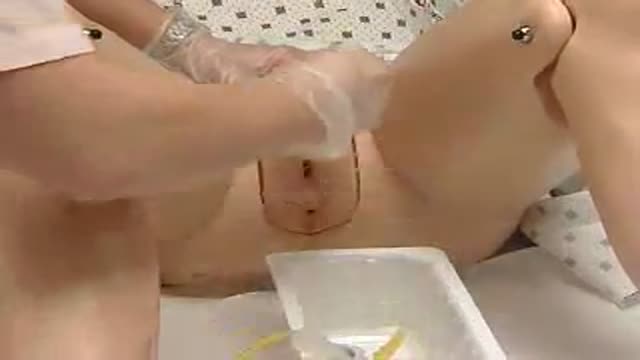
Male and female Foley catheter insertion into bladder. Kearn how to

This covers some of the benefits, side effects and potential complications of LASIK Eye Surgery! Learn about the pros and cons of laser eye surgery and some pro tools to help you along the way.
📒 Show Notes and Resources 📒
LASIK Affordability Calculator
http://www.refractivealliance.....com/lasik-affordabil
Patient Guide to Refractive Surgery
https://www.aao.org/Assets/e89....0eb55-9bfa-465a-8422
Some Reference Articles for you folks who like to read
https://www.healio.com/ophthal....mology/journals/jrs/
Dry Eye Playlist
https://www.youtube.com/playli....st?list=PLzi60fSuOmP
---------My Cameras and Video Gear -------
https://kit.co/DoctorEyeHealth
DISCLAIMER: Some of the links in this description are "affiliate links", a link with a special tracking code. This means if you click on an affiliate link and purchase the item, I may receive an affiliate commission. Regardless, I only recommend products or services I believe will add value to viewers.
======================================================
Let’s Connect! Dr. Allen on Social Media:
https://instagram.com/doctoreyehealth
https://www.facebook.com/doctoreyehealth
https://twitter.com/doctoreyehealth
For Collaborations please email me: DoctorEyehealth@gmail.com
MEDICAL ADVICE DISCLAIMER: All content in this video and description including: information, opinions, content, references and links is for informational purposes only. The Author does not provide any medical advice on the Site. Accessing, viewing, reading or otherwise using this content does NOT create a physician-patient relationship between you and it’s author. Providing personal or medical information to the Principal author does not create a physician-patient relationship between you and the Principal author or authors. Nothing contained in this video or it’s description is intended to establish a physician-patient relationship, to replace the services of a trained physician or health care professional, or otherwise to be a substitute for professional medical advice, diagnosis, or treatment. You should consult a licensed physician or appropriately-credentialed health care worker in your community in all matters relating to your health.
About:
In this video you will find a laser eye surgery review. We cover the laser eye surgery procedure and how lasik eye surgery works. A large emphasis is on the benefits of laser eye surgery as well as potential side effects and complications. We even touch on the topic of lasik eye surgery gone wrong.
#lasikeyesurgery #lasiksurgery #lasik
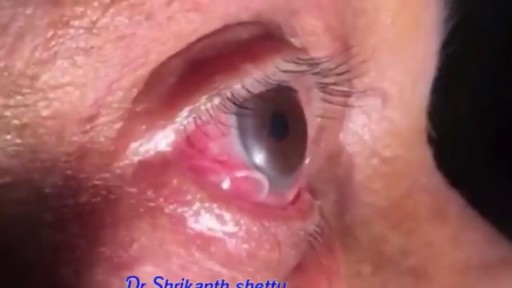
Parasitic Worm removed from Man's EYE
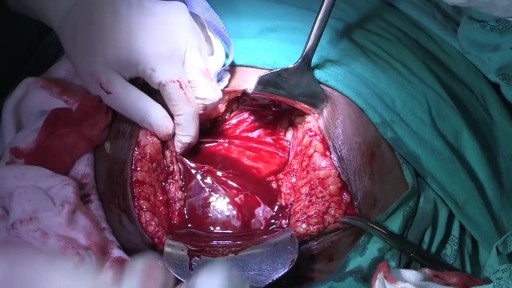
This video is a teaching aid for use in conjunction with broader surgical training
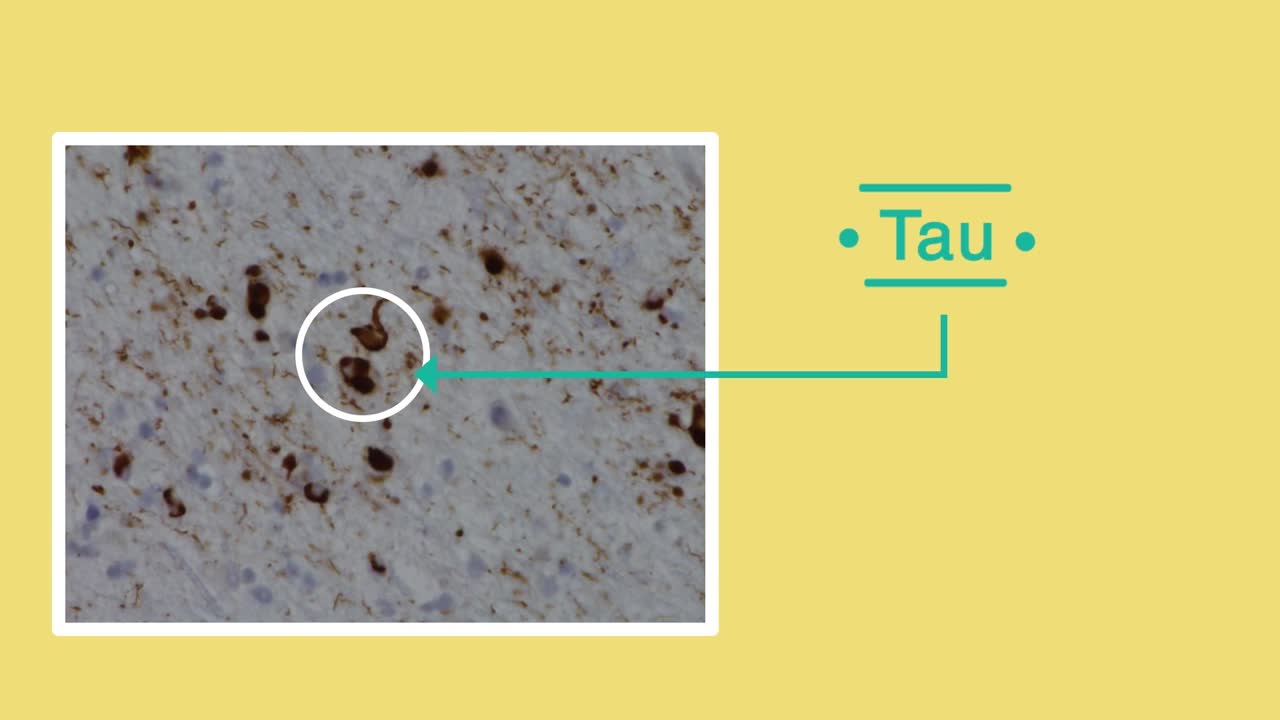
Frontotemporal dementia is the name for a range of conditions in which cells in the frontal and temporal lobes of the brain are damaged. These lobes control behaviour, emotional responses and language. This means that people will experience changes in personality and behaviour, or may struggle with language – for example, in finding the right word. Frontotemporal dementia is a less common form of dementia which is more likely to affect younger people – those under 65.
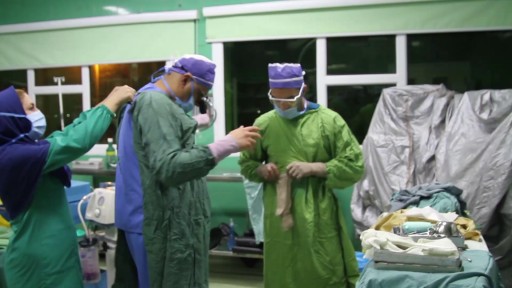
Arm Replantation of a Child By Dr. Omid Liaghat : https:drliaghatclinic.com

http://www.nucleushealth.com/ - This 3D medical animation shows the cause and laparoscopic treatment of a ventral incisional hernia. If you have had abdominal surgery in the past, a ventral incisional hernia may appear at the site of your surgical scar. Your intestine may push through a weakened spot in the tissue between your abdominal muscles creating a bulge beneath your skin. If your hernia is not repaired, complications may occur.
#VentralHernia #VentralIncisionalHernia #IncisionalHernia
ANH11053
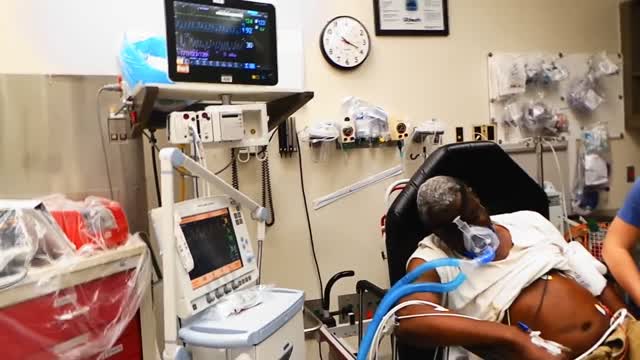
Pulmonary edema is almost always treated in the emergency room or hospital. You may need to be in an intensive care unit (ICU). Oxygen is given through a face mask or tiny plastic tubes are placed in the nose. A breathing tube may be placed into the windpipe (trachea) so you can be connected to a breathing machine (ventilator) if you cannot breathe well on your own. The cause of edema should be identified and treated quickly. For example, if a heart attack has caused the condition, it must be treated right away. Medicines that may be used include: Diuretics that remove excess fluid from the body Medicines that strengthen the heart muscle, control the heartbeat, or relieve pressure on the heart
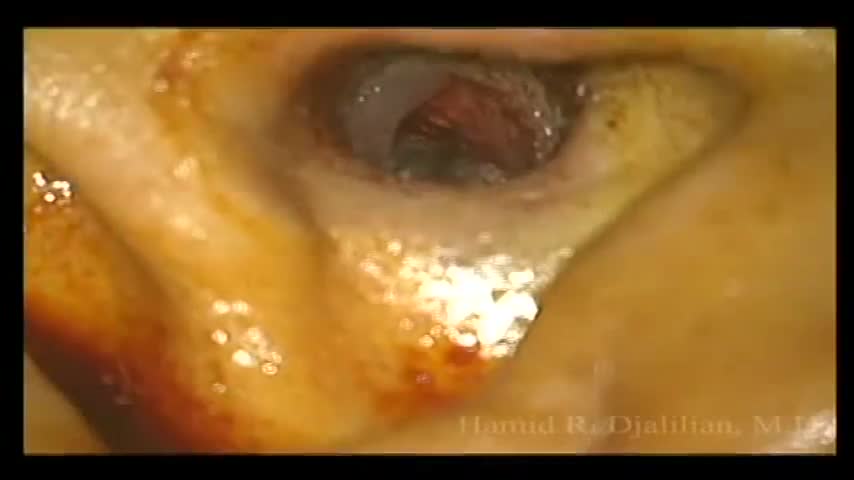
This is a surgery showing the removal of a large exostosis. Exostoses are bony growths in the ear canal from chronic exposure to cold water/air, most commonly from surfing. This patient had growths in both ears, which were completely obstructing the ear canals. This patient had a single exostosis that was blocking this side (the right side).

The video is about the evolution of the anatomic UCLA laparoscopic technique over 1325 cases and demonstrates the key steps of our operation to improve patient safety and outcomes.
Learn more at http://urology.ucla.edu
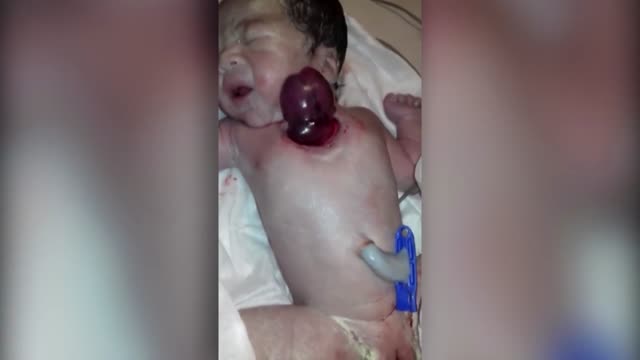
A baby born with her heart pumping outside her body has stunned her parents and doctors in India.
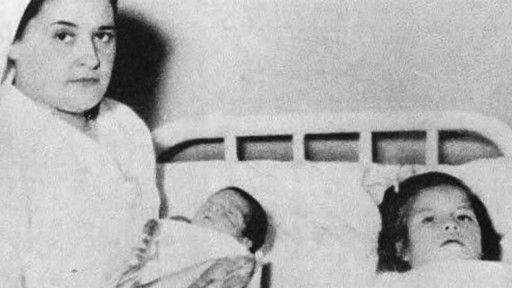
Real Story: Youngest Mother In History (5 years old) Pregnant FIVE YEAR OLD! Youngest Mother In The World, Lina Medina's True Story!

An African traditional healer performing a brain surgery.
