
- Physical Examination
- Surgical Examination
- Ophthalmology
- Clinical Skills
- Orthopedics
- Surgery Videos
- Laparoscopy
- Pediatrics
- Funny Videos
- Cardiothoracic Surgery
- Nursing Videos
- Plastic Surgery
- Otorhinolaryngology
- Histology and Histopathology
- Neurosurgery
- Dermatology
- Pediatric Surgery
- Urology
- Dentistry
- Oncology and Cancers
- Anatomy Videos
- Health and Fitness
- Radiology
- Anaesthesia
- Physical Therapy
- Pharmacology
- Interventional Radiology
- Cardiology
- Endocrinology
- Gynecology
- Emergency Medicine
- Psychiatry and Psychology
- Childbirth Videos
- General Medical Videos
- Nephrology
- Physiology
- Diet and Food Health
- Diabetes Mellitus
- Neurology
- Women Health
- Osteoporosis
- Gastroenterology
- Pulmonology
- Hematology
- Rheumatology
- Toxicology
- Nuclear Medicine
- Infectious Diseases
- Vascular Disease
- Reproductive Health
- Burns and Wound Healing
- Other
Top videos
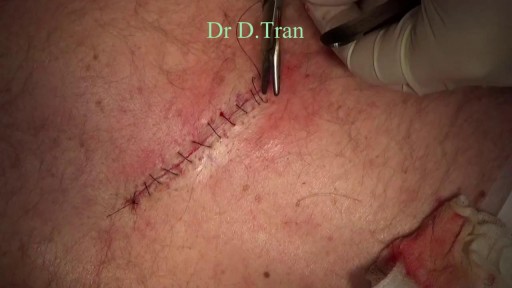

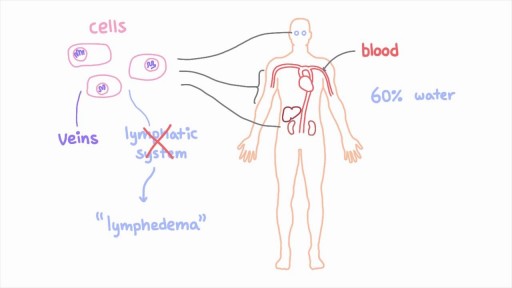
The lymphatic system is a network of specialized vessels (lymph vessels) throughout the body whose purpose is to collect excess lymph fluid with proteins, lipids, and waste products from the tissues. This fluid is then carried to the lymph nodes, which filter waste products and contain infection-fighting cells called lymphocytes. The excess fluid in the lymph vessels is eventually returned to the bloodstream. When the lymph vessels are blocked or unable to carry lymph fluid away from the tissues, localized swelling (lymphedema) is the result.
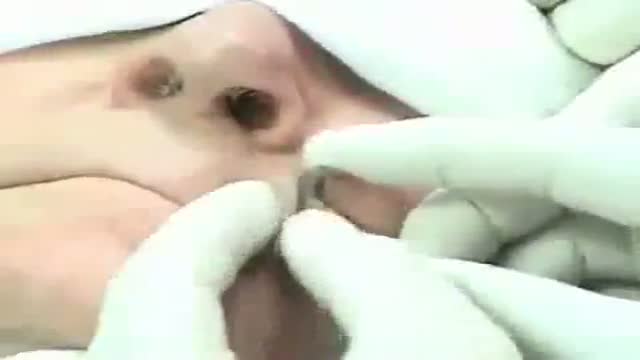
This is a 4 minute video depicting the basic technique of the Mohs micrographic procedure and how the tissue is processed in the lab. Visit us @ www.skincancercentre.com
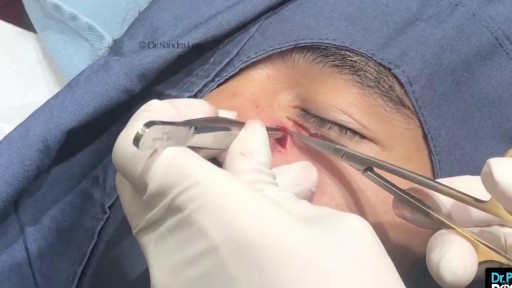
Nose Cyst Extraction

Intrauterine insemination (IUI) is a fertility treatment that involves placing sperm inside a woman's uterus to facilitate fertilization. The goal of IUI is to increase the number of sperm that reach the fallopian tubes and subsequently increase the chance of fertilization
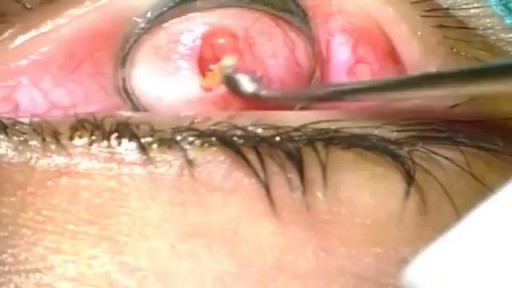
The eyelid is injected with a local anesthetic, a clamp is put on the eyelid, then the eyelid is turned over, an incision is made on the inside of the eyelid, and the chalazion is drained and scraped out with a curette. A scar on the upper lid can cause discomfort as some patients feel the scar as they blink.
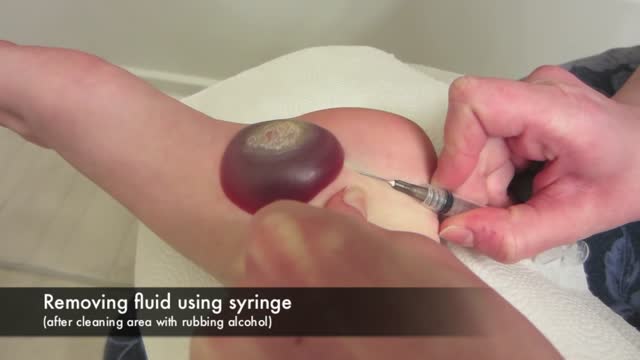
BIG wart blister after freezing with liquid nitrogen
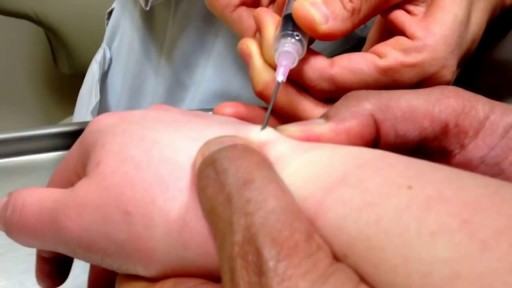
Ganglion Cyst Drainage
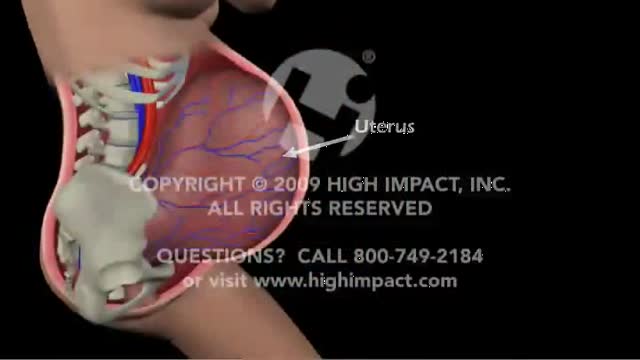
The fetal circulation is the circulatory system of a human fetus, often encompassing the entire fetoplacental circulation that also includes the umbilical cord and the blood vessels within the placenta that carry fetal blood.
The fetal circulation works differently from that of born humans, mainly because the lungs are not in use: the fetus obtains oxygen and nutrients from the mother through the placenta and the umbilical cord.
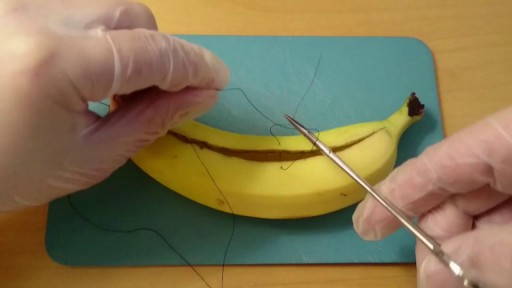
Learn How to Suture a Banana
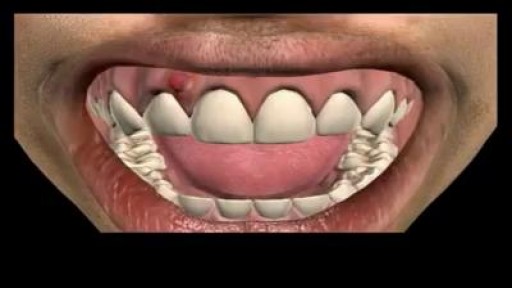
Tooth Abscess Relief

Wetness. Even the most absorbent diaper leaves some moisture on your child's skin. And when your child's urine mixes with bacteria from his stool, it breaks down into ammonia, which can be very harsh on the skin. That's why children with frequent bowel movements or diarrhea are more prone to diaper rash.
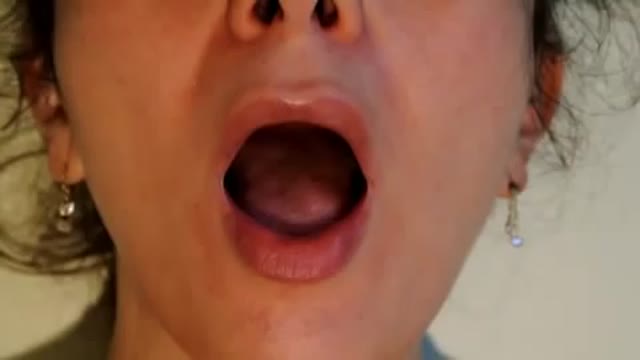
Tongue fassiculations
TV interview with Adina Nack, Ph.D. about her own cervical HPV experiences, STD research, her new book (Damaged Goods? Women Living with Incurable Sexually Transmitted Diseases), and women's lives after genital warts, HPV and herpes infections. More info is available on STDdatings.com, which is the official STD dating & support site.

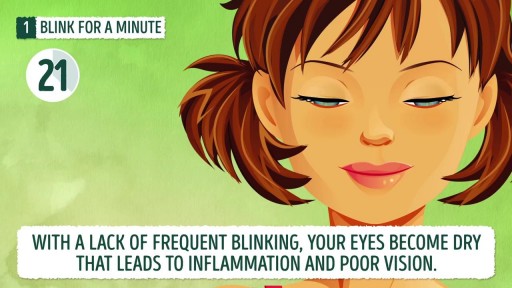
How to improve your eyesight at home? Exercising your eyes is one of those simple things that very few people do. However, it can help you maintain excellent vision. Here are 10 exercises that will take you no more than ten minutes to do. You can give them a try right now while watching this video – we are going to do all of them with you! Exercise #1. Blink for a minute. Exercise #2. Rotate your head while staring ahead. Exercise #3. Look to your right and left. Exercise #4. Close your eyes and relax. Exercise #5. Move your gaze in different directions. Exercise #6. Close and open your eyes. Exercise #7. Push against your temples with your fingers. Exercise #8. Draw geometric figures with your gaze. Exercise #9. Move your eyeballs up and down. Exercise #10. Strengthen your eyes’ near and far focusing.

Systemic Lupus Erythematosus Animation 3d

Conduct disorder (CD) is a mental disorder diagnosed in childhood or adolescence that presents itself through a repetitive and persistent pattern of behavior in which the basic rights of others or major age-appropriate norms are violated. These behaviors are often referred to as "antisocial behaviors."
